A new large-scale DNA study of more than 3,200 Japanese people is challenging the long-held view that Japan’s ancestry comes mainly from two ancient sources. Using whole-genome sequencing across seven regions, researchers found evidence for a third ancestral group tied to northeastern Asia, with patterns that vary sharply by geography. The work also shows Japan is more genetically diverse than assumed, and pairs genomic data with medical records to build JEWEL for future personalized medicine.
Researchers studying naked mole rats found a gene that drives high levels of high molecular weight hyaluronic acid, a molecule linked to cancer resistance, lower inflammation, and healthier aging. When scientists introduced the gene into mice, the animals showed improved health markers and a modest lifespan increase, reigniting interest in regenerative medicine.
Your news, in seconds
Get the Beige app — every story in 60 words, updated hourly. Free on iOS & Android.
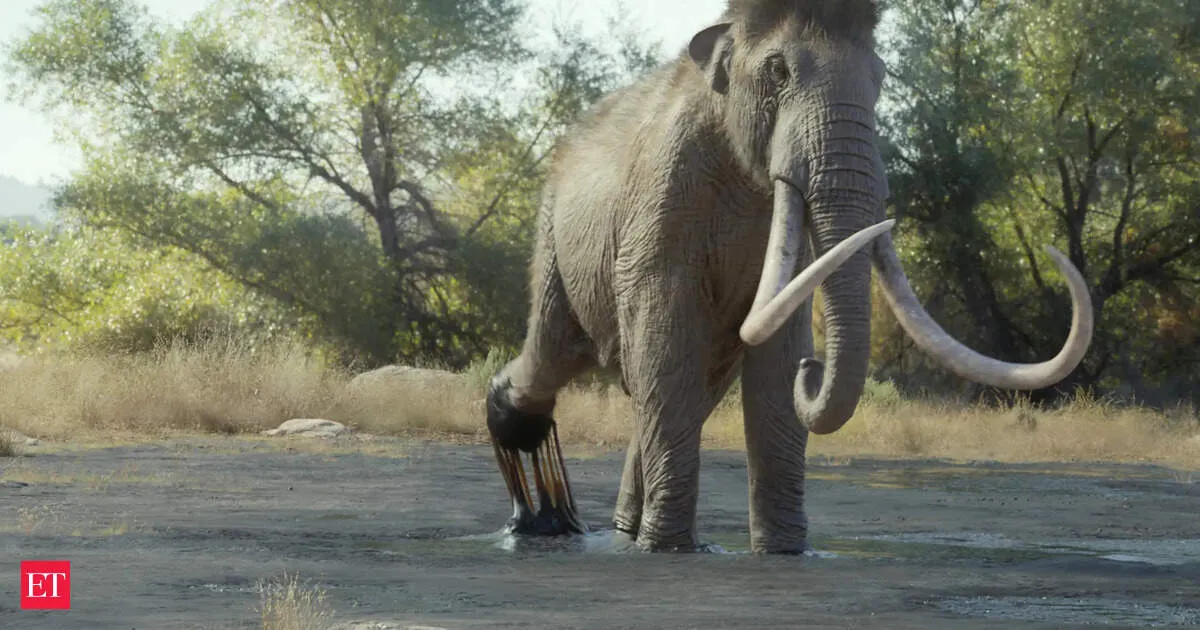
Researchers are pushing de-extinction beyond headlines, aiming to bring back species such as woolly mammoths and bluebuck. The plan doesn’t stop at cloning or genetics: scientists want to rewild these animals in habitats where they once lived. For species that cannot be carried by living relatives, the work also includes developing artificial womb technology to support embryo growth.
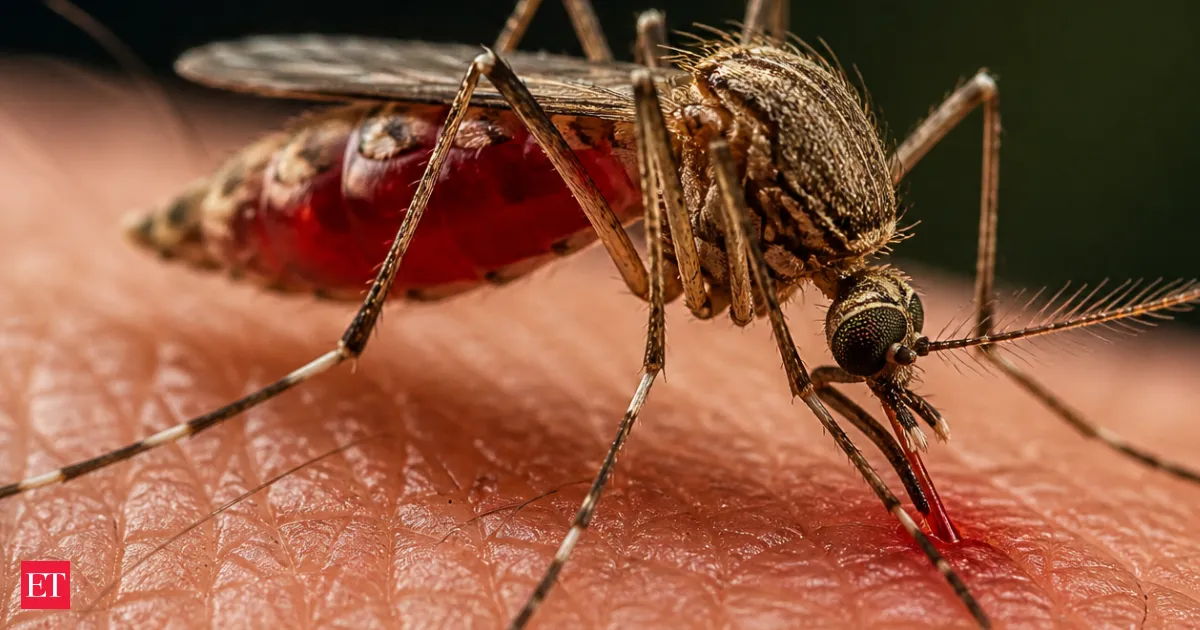
A new study suggests malaria was more than a health threat for early Africans—it helped determine where people settled. Using advanced models, researchers found ancient communities tended to avoid areas with higher disease risk, which fragmented populations over time. That separation may explain part of the genetic diversity seen today, showing disease as a key driver alongside geography and environment.
A new Nature study argues human evolution is not slowing down but accelerating, particularly after agriculture reshaped diets and environments. Using genetic evidence, researchers report hundreds of variants shaped by natural selection, overturning the idea that evolution is mostly a past phenomenon and showing how traits across populations continue to change today.
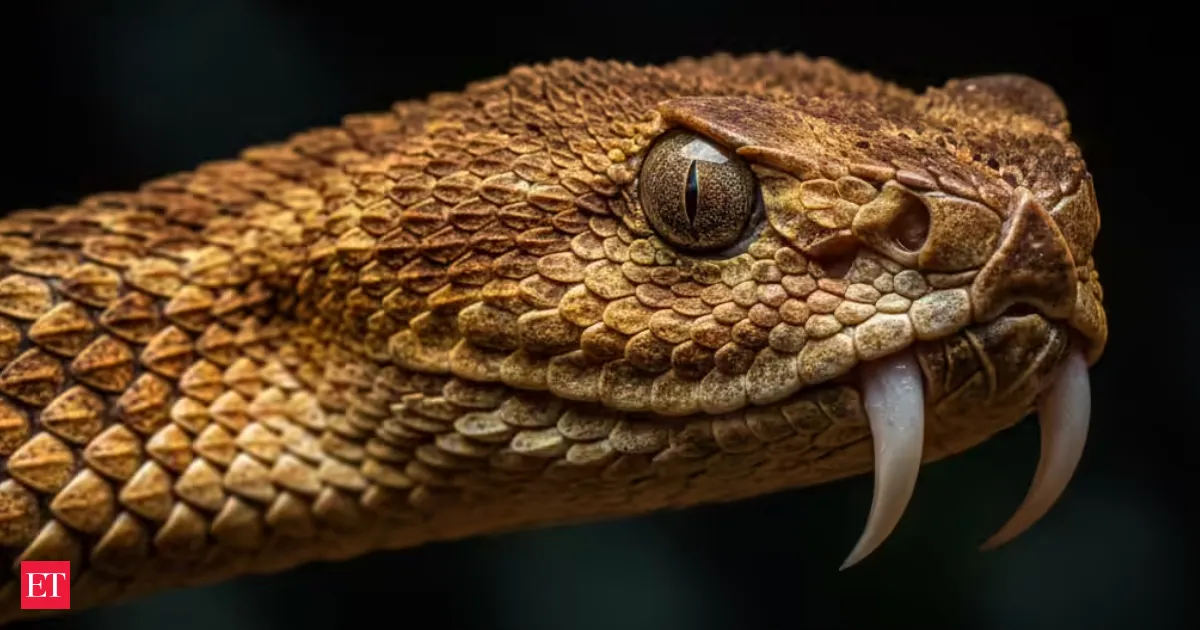
New research is challenging the idea that snake venom evolution always favors complexity. Scientists found that some snakes shift toward simpler venom blends tailored to specific prey, particularly on isolated islands. This “ecological efficiency” reduces wasted effort while preserving effectiveness, and genetic flexibility allows future changes. Coevolution with prey further steers which venom traits survive.
Never miss a story
Set alerts for the topics and sources you care about. Download Beige for free.
Swipe through stories, personalise your feed, and save articles for later — all on the app.