India’s Statistics and Programme Implementation Ministry has moved the release of provisional GDP estimates and fourth-quarter GDP to June 7 each year. The change is designed to allow more complete inputs from companies and government sources, improving data quality and bringing reporting timelines closer to global standards. The ministry says the update will make GDP figures more reliable.
India’s National Statistics Office has revised the annual GDP release calendar, moving it from the last working day of May to June 7 each year. The change takes effect from FY26 data, with the first revised release scheduled for June 5, 2026 due to a weekend holiday. NSO says the update will improve the quality and robustness of national accounts.
Your news, in seconds
Get the Beige app — every story in 60 words, updated hourly. Free on iOS & Android.
India’s real GDP growth is projected at 7.2% for Q4 FY26, with full-year FY26 growth expected to reach 7.5%. The forecast points to resilient rural and urban consumption as the main engine. Looking ahead, real GDP growth for FY27 is estimated at 6.6%, balancing global economic headwinds with steady domestic demand.
India’s Statistics Ministry has issued uniform guidelines to calculate Gross State Domestic Product using a revised base year of 2022-23. The update brings all states and Union Territories under one standardized framework, improving consistency and accuracy in regional economic estimates. With the new baseline, comparisons of growth and performance across regions are expected to become more reliable and meaningful.
India’s economy is feeling pressure from West Asia conflict-linked disruptions, with crude oil prices rising and trade routes facing strain. Yet analysts point to steadier domestic demand and stable financial conditions as key shields. The government and the Reserve Bank of India are also tightening risk management, and officials argue reforms will determine how resilient growth stays over time.
India’s GDP growth outperformed expectations, rising to 8.2% for FY24. For the January to April quarter, growth accelerated to 7.8% compared with 6.2% in the same period last year. Economists say the surprise in the print could signal stronger momentum across sectors heading into the next fiscal stretch.
Never miss a story
Set alerts for the topics and sources you care about. Download Beige for free.
India’s Ministry of Electronics and IT projects the digital economy will contribute nearly 20% of GDP by 2030, with growth powered by wider adoption of artificial intelligence across sectors. The forecast suggests AI will move beyond tech hubs into everyday services and industries, accelerating digitization and boosting economic output as adoption expands.
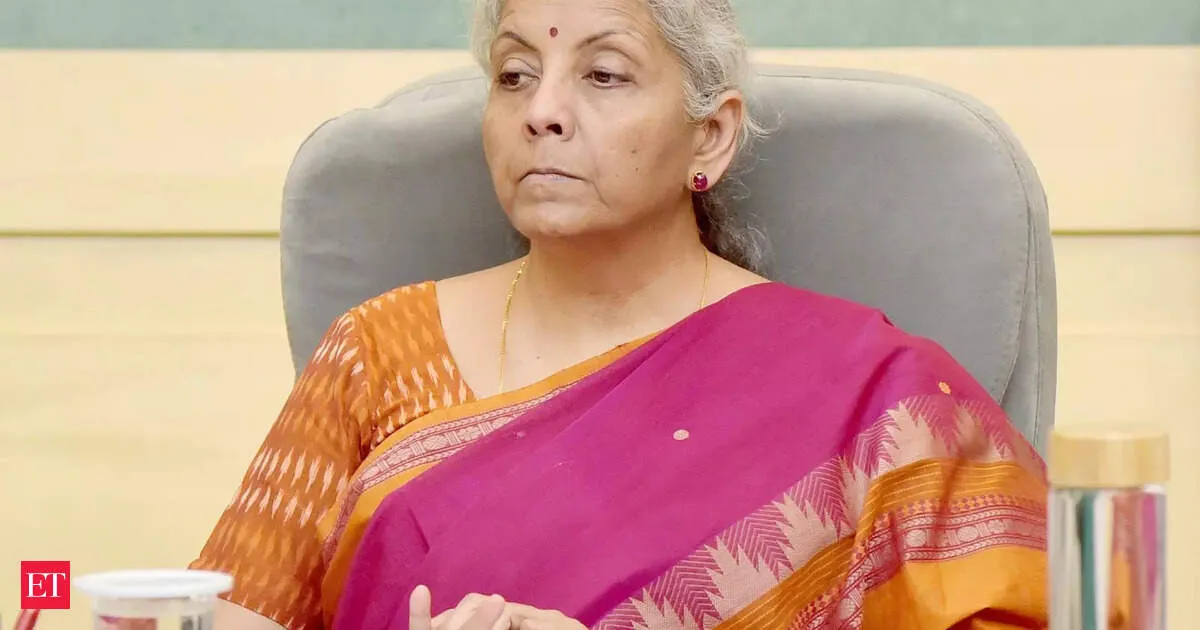
Finance Minister Nirmala Sitharaman said India’s growth is being sustained by domestic consumption and that predictable policy support is crucial to keep GDP momentum steady. She also flagged work underway to review the “open architecture” framework for banks selling third-party products, stressing that even as digitalization accelerates, banks must prioritize strong customer connect.
Swipe through stories, personalise your feed, and save articles for later — all on the app.