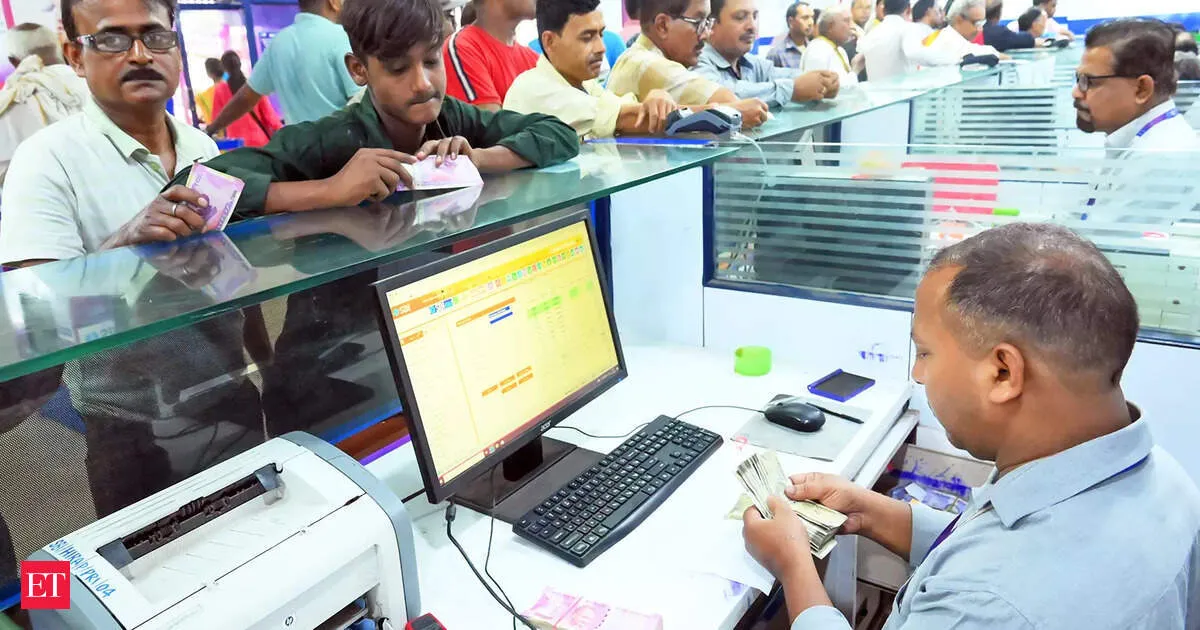
Public sector banks in India recorded loan write-offs at multi-year lows in FY25-26, driven by fewer new problem loans and stronger recoveries from existing stressed assets. PTI analysis of earnings showed most PSUs had write-offs lowest in up to eight years, including Bank of Baroda and Punjab National Bank. The shift also coincided with improved asset quality, with gross and net NPA ratios falling to 1.93% and 0.39% by March 31, 2026, alongside sharply higher recoveries and record profitability.
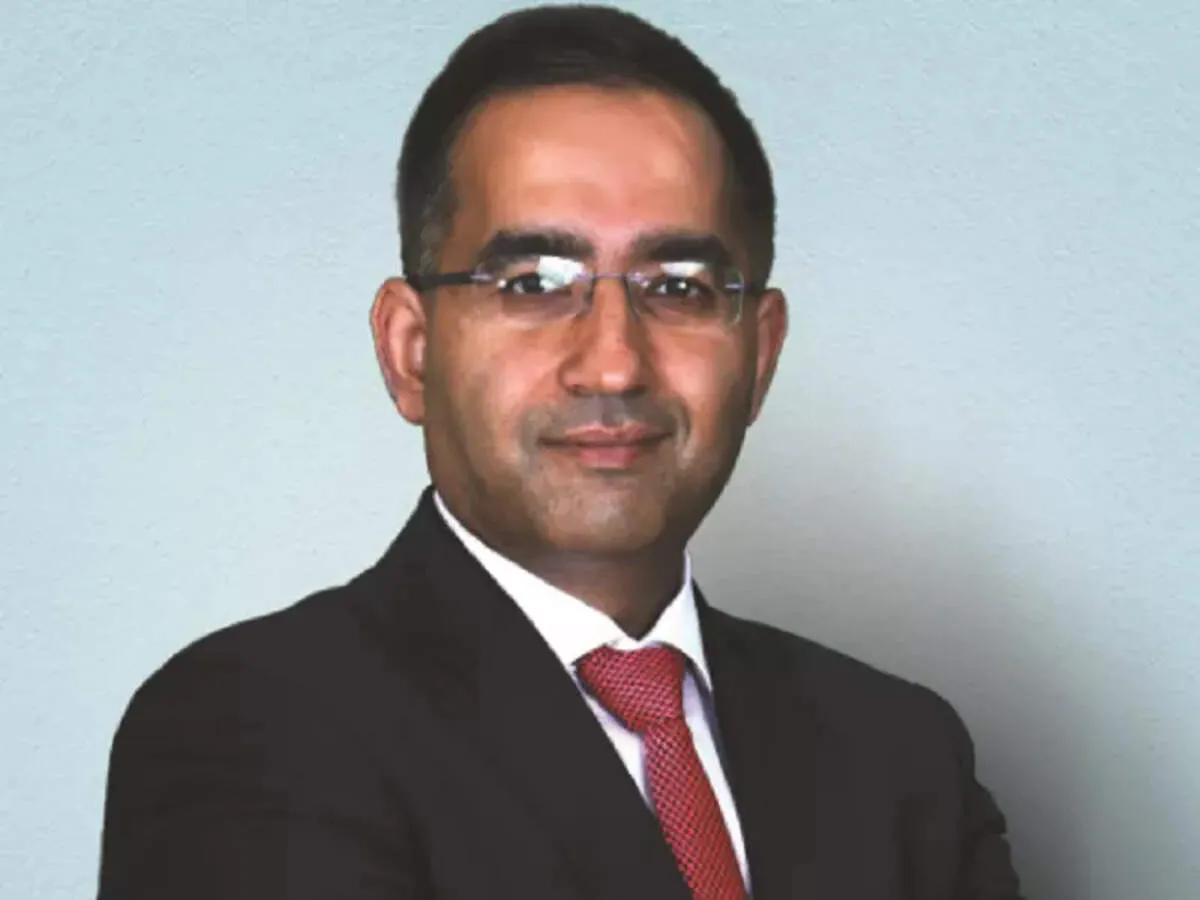
L&T Technology Services CEO Amit Chadha’s FY26 remuneration dropped about 17% to Rs 14.96 crore, with CFO Rajeev Gupta’s pay also declining. Despite lower executive pay, LTTS reported a 6.75% rise in Jan–Mar FY26 profit and full-year profit of Rs 1,279.2 crore, while large deal bookings crossed USD 850 million.
Your news, in seconds
Get the Beige app — every story in 60 words, updated hourly. Free on iOS & Android.
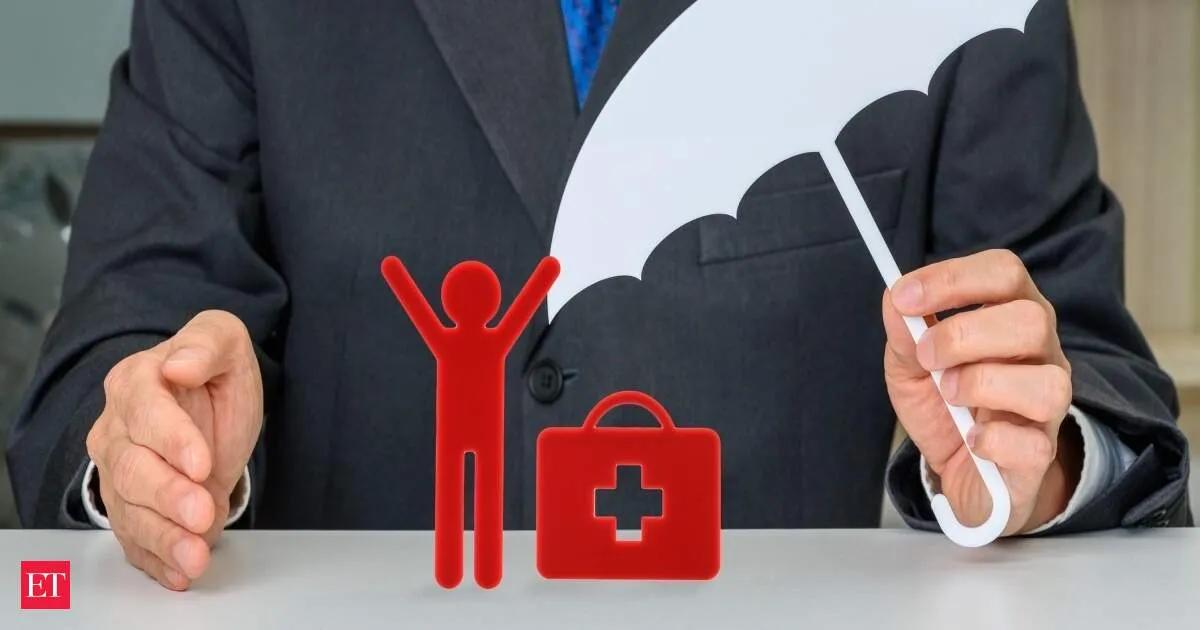
In FY26, health insurance cemented its spot as the biggest segment in India’s non-life insurance market. Its share rose to 40.8% from 38.6% a year earlier, while the segment expanded 15.4% to around Rs 1.4 lakh crore. Overall non-life premium growth was 9.3%, lifting gross direct premium income to nearly Rs 3.4 lakh crore.
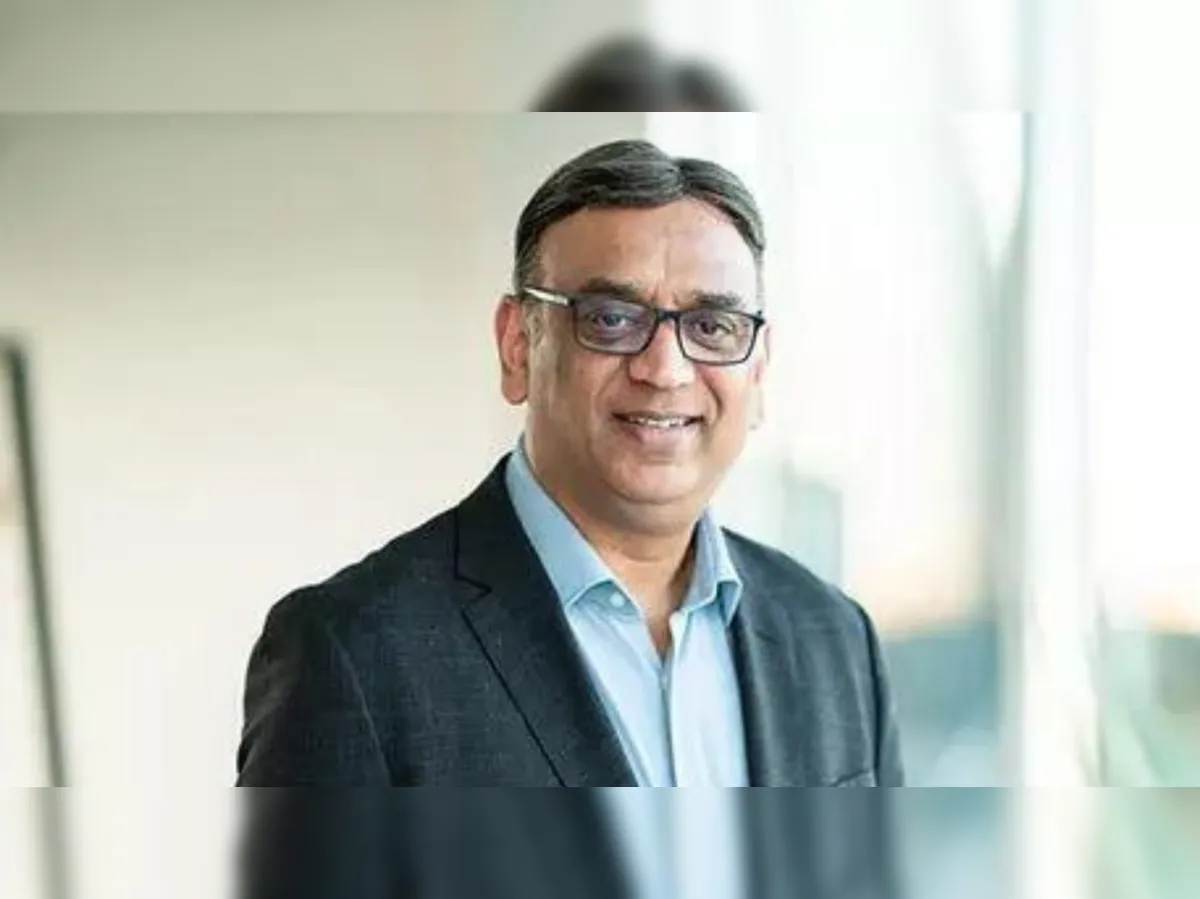
LTM Limited’s new CEO Venugopal Lambu reportedly received Rs 27.26 crore in remuneration for FY26, combining fixed salary, variable compensation and stock options. His predecessor, Debashis Chatterjee, earned Rs 15.75 crore for a shorter tenure. The company also pointed to strong profit and revenue growth during the same fiscal year.
Paytm has reported its first full year of profit in FY26, ending with a net profit of Rs 552 crore, a sharp swing from prior losses. The turnaround was powered by tighter cost control and strong financial services momentum, lifting operating revenue by 22% to Rs 8,437 crore as the payments firm improved performance.
India’s exports climbed 4.6% to an all-time high of $863.11 billion in FY26, even as global conditions stayed tough. Merchandise exports rose slightly, but the real momentum came from services, which hit a standout peak. The result points to a shift in export strength as service-led demand offsets slower global trade.
Never miss a story
Set alerts for the topics and sources you care about. Download Beige for free.
Larsen & Toubro has declared a Rs 38 per share dividend for FY26 and set May 22 as the record date. The company also reported mixed Q4 performance, with a slight profit decline alongside solid revenue growth. Strong order inflows and continued international expansion helped support its annual outlook, with a focus on future technology-led growth.
CashKaro reported FY26 operating revenue jumping 72% to ₹600 crore, up from ₹348 crore in FY25. The company also cut its EBITDA loss 40% to ₹17.7 crore. It credits operating leverage, tighter expenses, better customer acquisition and conversion, and restrained promotional costs. Employee and infrastructure costs stayed stable as AI and automation boosted productivity.
In its FY26 annual report, the Enforcement Directorate said arrests declined, but enforcement intensity rose sharply. Asset attachments climbed to an unprecedented Rs 81,000 crore, while raids nearly doubled. The agency also restored over Rs 32,000 crore to fraud victims and credited more targeted investigations for faster case closures, alongside increased international cooperation.
Bank lending to non-banking finance companies surged 26% in the previous fiscal year, the fastest pace expected into FY26. The jump is linked to the Reserve Bank of India easing risk weights, making NBFC exposures less capital-intensive for banks. Looser regulatory norms and lower lending rates further boosted financing demand, reshaping credit flows.
Reading on mobile?
Open Beige in the app for a smoother experience — free on iOS and Android.
Reliance Industries logged a record net profit of Rs 95,610 crore in FY26, becoming the first Indian company to cross $10 billion in annual profit. While quarterly earnings slipped due to the oil-to-chemicals segment, Jio and Reliance Retail kept growing fast, with retail pushing past 20,000 stores and strengthening the company’s consumer momentum.
Highway construction in the last fiscal year hit 9,380 km, missing the 10,000 km target and marking the slowest pace since 2017-18. The government cited delays in land acquisition and securing necessary clearances, alongside a sharp drop in awarding new highway projects. Together, these factors stretched timelines and reduced the pace of work nationwide.
Maruti Suzuki India posted an all-time high production of 23.4 lakh passenger vehicles in FY26, setting it apart as the only maker in India to reach that milestone. The company also became the only Suzuki Motor Corporation facility worldwide to achieve such production levels, underscoring its scale and manufacturing execution.
Anand Rathi Wealth has announced a 1:1 bonus issue alongside a final dividend of Rs 7 per share for FY26, following board approval. The bonus shares will be issued from free reserves. The company’s Q4 FY26 results also showed a 40.5% year-on-year profit jump, helping push the stock higher after the announcements.
Follow your favourite sources
Track sources, tags and categories — all in the Beige app.
Indian consumer sector investment fell in FY26, but the number of deals rose sharply. Investors appear to be moving away from large, single-shot bets toward smaller, diversified investments with tighter operational discipline. Mega deals are largely missing, yet early-stage funding is holding up as companies prioritize filling capability and market gaps instead of chasing only rapid scale.
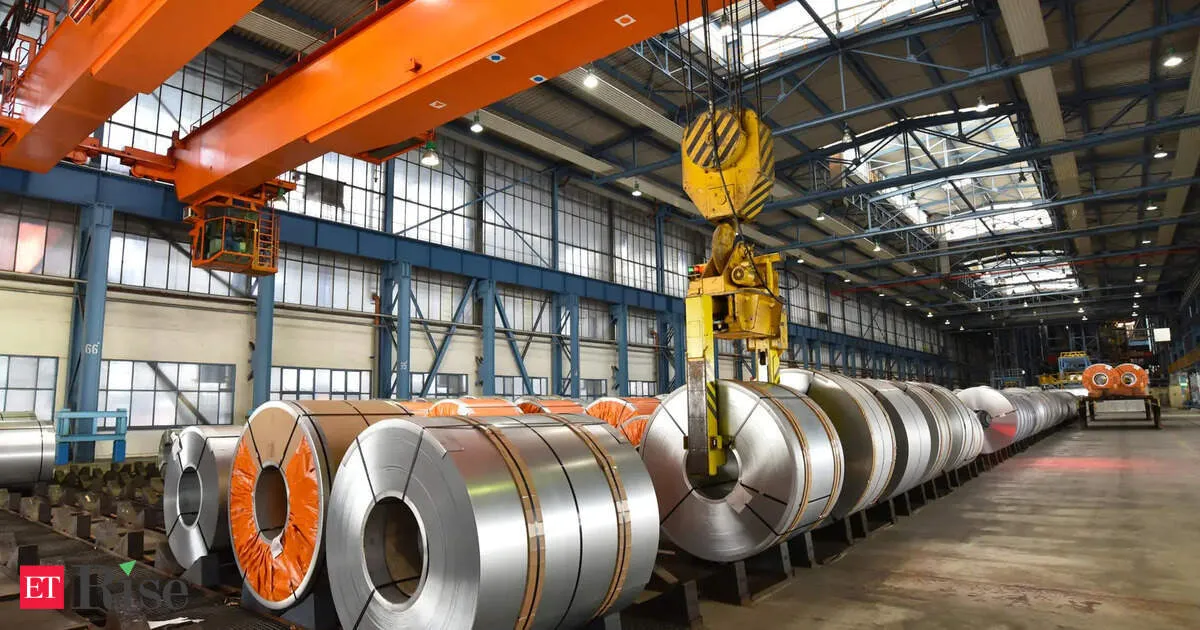
India’s finished steel consumption grew 7-8% to about 164 million tonnes in FY26, powered by strength in infrastructure and manufacturing. Alongside demand, crude steel output increased by over 10.7% to 168.4 million tonnes, signaling momentum across the production chain and setting the tone for the year ahead.
India’s government has recognised more than 55,200 startups in FY26, up 51.6% from the previous year. Direct jobs created by these startups rose 36.1%, reaching the highest single-year level since the Startup India initiative began in 2016, the government said. The surge underscores accelerating startup momentum and employment impact.
Swipe through stories, personalise your feed, and save articles for later — all on the app.