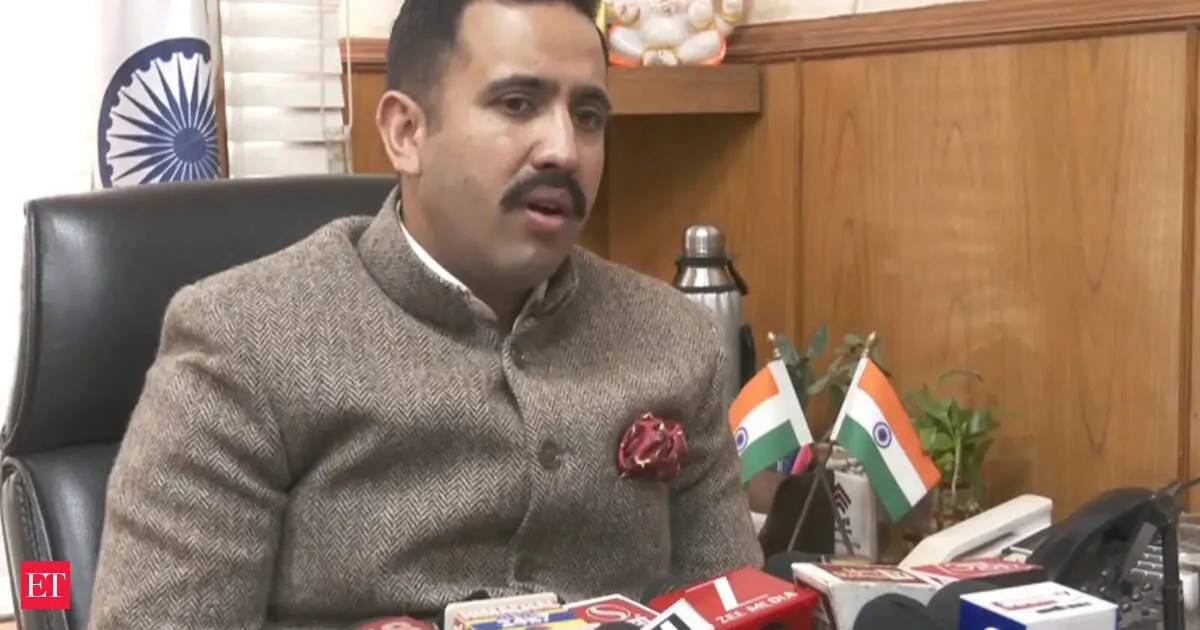
Himachal Pradesh PWD minister Vikramaditya Singh warned that rising petrol and diesel prices are driving inflation across sectors, raising transportation costs for essentials like vegetables, milk and edible oils. He said road construction has stalled in peak tarring season because bitumen prices have doubled, with contractors reportedly not working despite targets of 500–600 km. Singh urged the Centre to intervene amid global uncertainties and also flagged urban waste and untreated sewage entering the Beas river.
SBI Research warns the rupee is at a critical depreciation threshold, where any further fall could cancel out benefits from the recent Rs 3 per litre petrol and diesel price hike. The report says even an extra Rs 2 depreciation increases the effective crude oil price, raising landed import costs enough to fully offset the relief to Oil Marketing Companies. OMC under-recoveries are soaring to about Rs 1,000 crore per day, and SBI also flags inflation and external risks from crude market pressures.
Your news, in seconds
Get the Beige app — every story in 60 words, updated hourly. Free on iOS & Android.
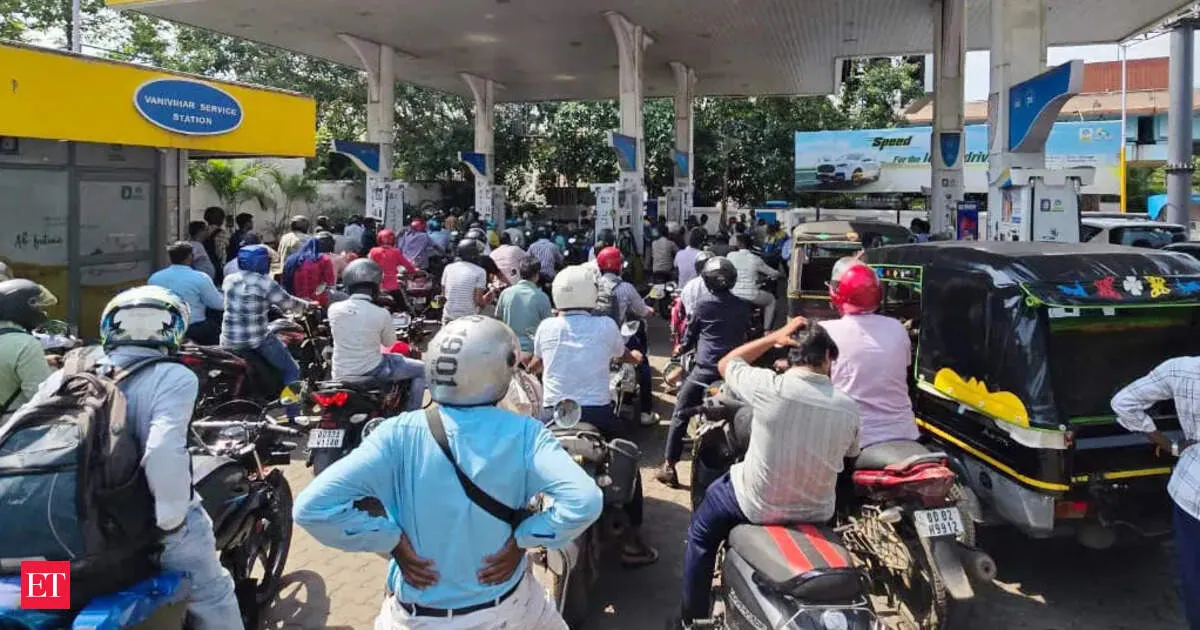
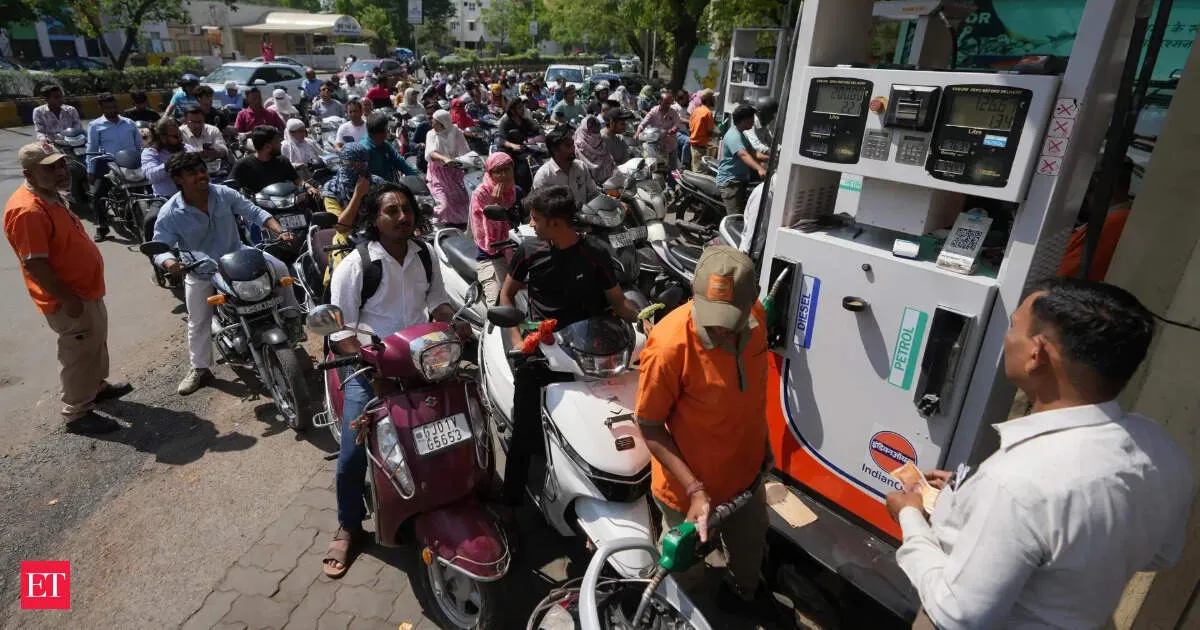
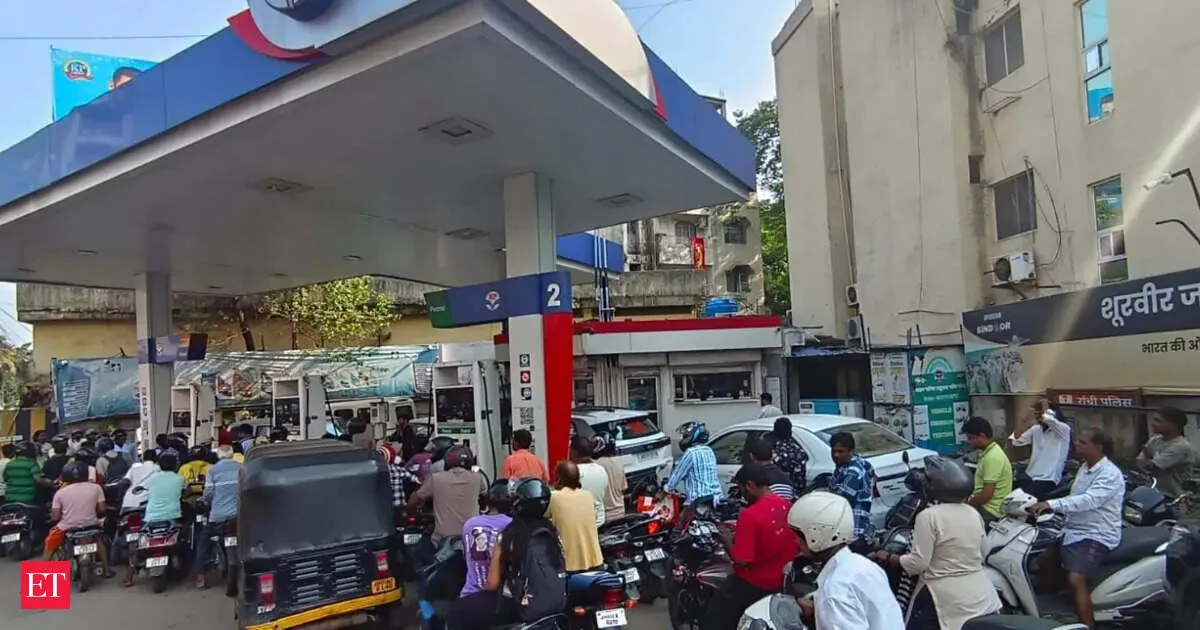
Odisha saw a sudden petrol and diesel panic as rumours of a shortage pushed hundreds to queue outside fuel stations in Bhubaneswar, Cuttack and other areas. The situation worsened after petrol and diesel prices were hiked by Rs 3 per litre, with commuters reportedly waiting hours in heat. Boat operators in Puri and Chilika and farmers using irrigation pump sets also struggled to get diesel. Oil companies insist there is no shortage and stocks exist for 10 to 13 days, though some pumps reportedly ran dry temporarily.
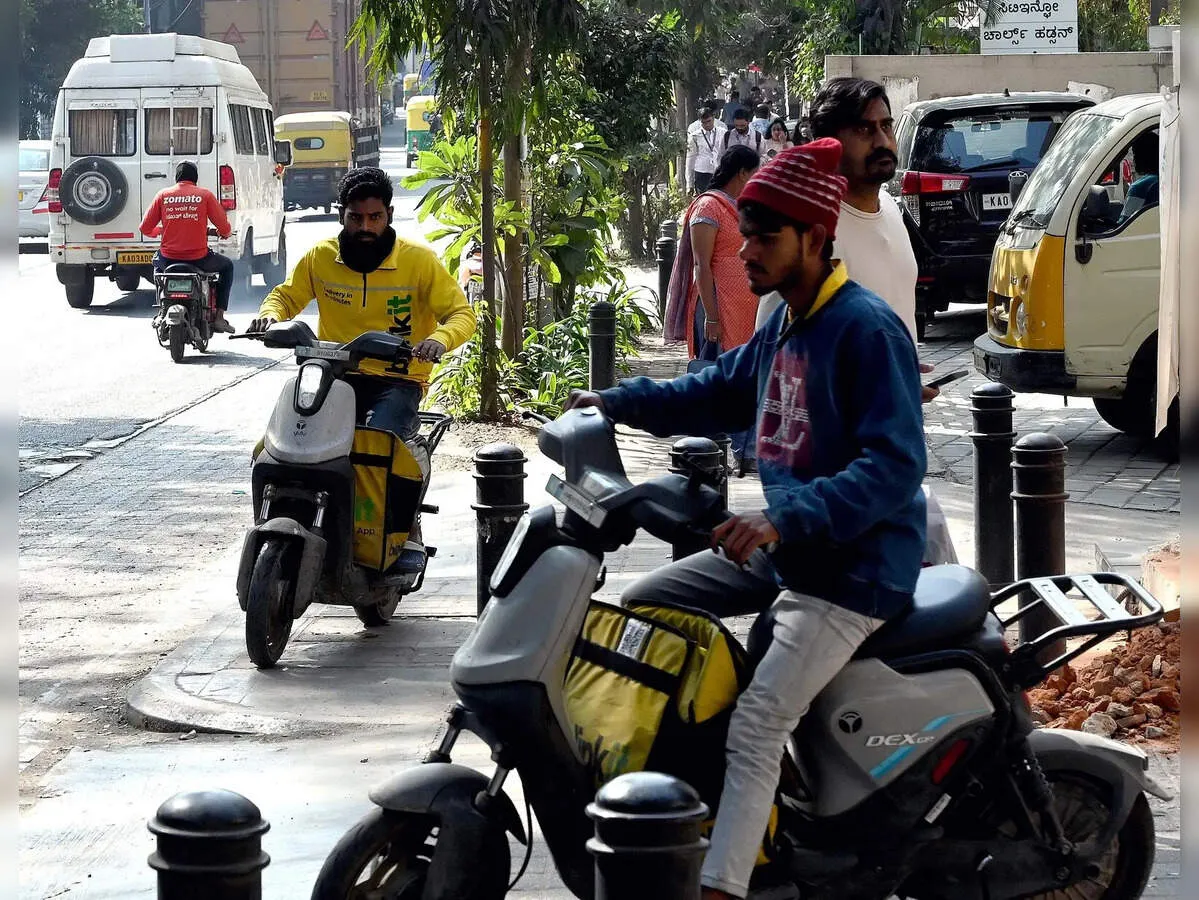
The Gig & Platform Service Workers Union (GIPSWU) has called for a nationwide five-hour shutdown of app-based services today, from 12 PM to 5 PM. The union says rising fuel costs after a roughly ₹3 per litre hike in petrol and diesel will squeeze earnings for lakhs of gig workers, arguing that platform payouts have stayed largely unchanged. It demands a central law, legal protections, and a minimum kilometre-based service rate of ₹20 per km, citing stagnant delivery charges and NITI Aayog estimates of rapid gig-worker growth.
Rising fuel costs linked to the West Asia conflict are expected to ripple into India’s packaged foods and household staples. Analysts say higher freight, logistics, and input expenses will squeeze margins for FMCG firms already coping with 8 to 10 percent inflationary pressures. Several companies have begun calibrated price hikes of 2 to 5 percent, while Nestlé India and Hindustan Unilever are reportedly evaluating further increases. If oil volatility persists, firms may also cut “grammage,” hitting consumption recovery—especially in rural markets.
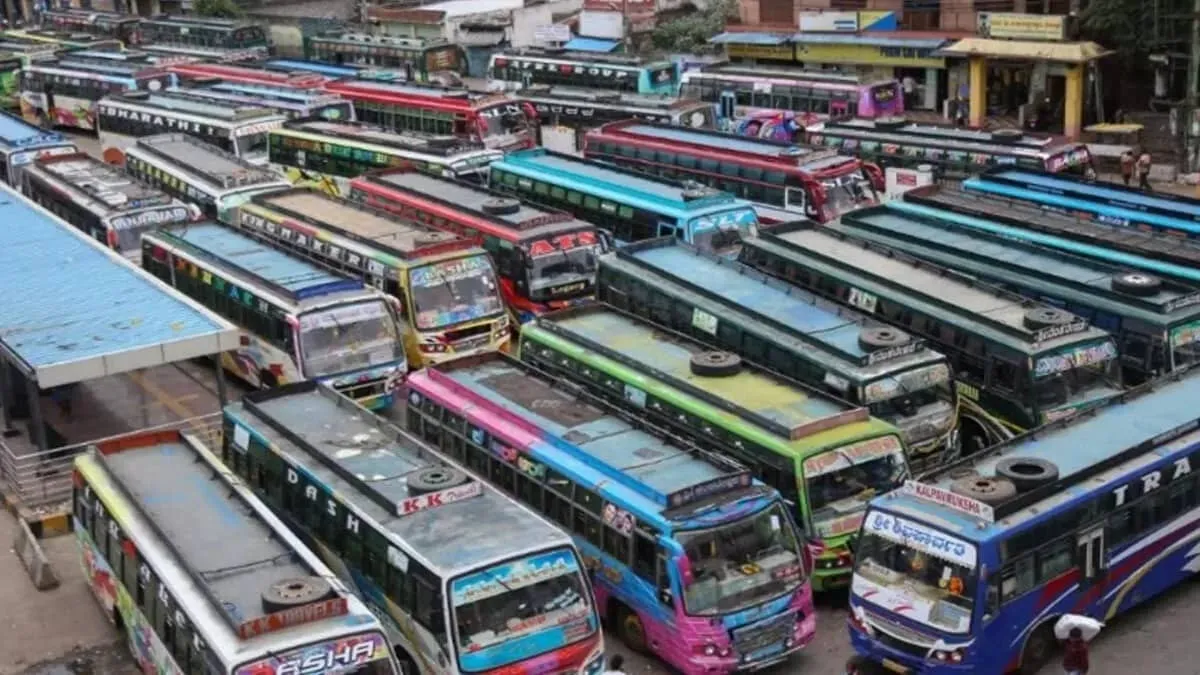
Private bus operators across Karnataka have announced fare hikes of 20–30% on most routes, effective from Friday midnight, after petrol and diesel prices were increased by Rs 3 per litre—the first hike in over four years. Operators say the fuel jump, along with higher road taxes and revenue pressure from schemes like Shakti on state buses, will add about Rs 15,000 extra per vehicle each month. They are urging the state to cut cess and road taxes and provide subsidies to avoid service collapse.
Never miss a story
Set alerts for the topics and sources you care about. Download Beige for free.
Retail inflation in India may rise by 15–20 basis points in the coming months after a Friday fuel price hike of ₹3 per litre for petrol and diesel, analysts say. With petrol and diesel carrying 4.8% weight in the CPI, a 3–5% fuel increase could add 15–25 bps directly, plus 10–15 bps from transport, logistics and agricultural input costs. Effects will spread across May and June inflation, with broader impacts visible over 3–4 months.
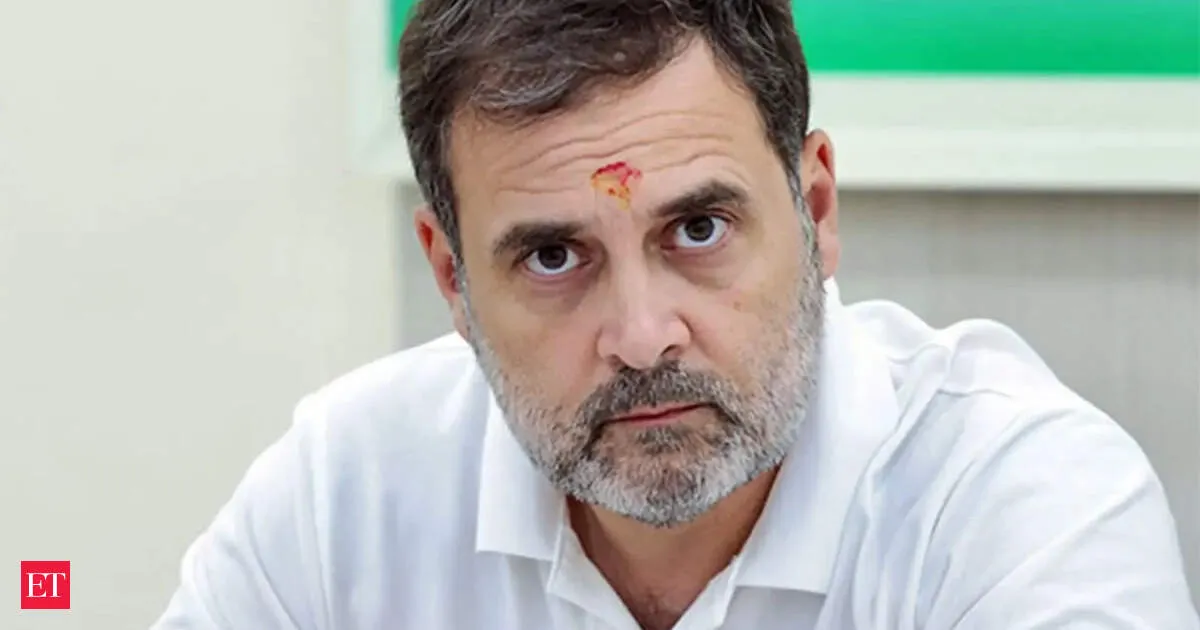
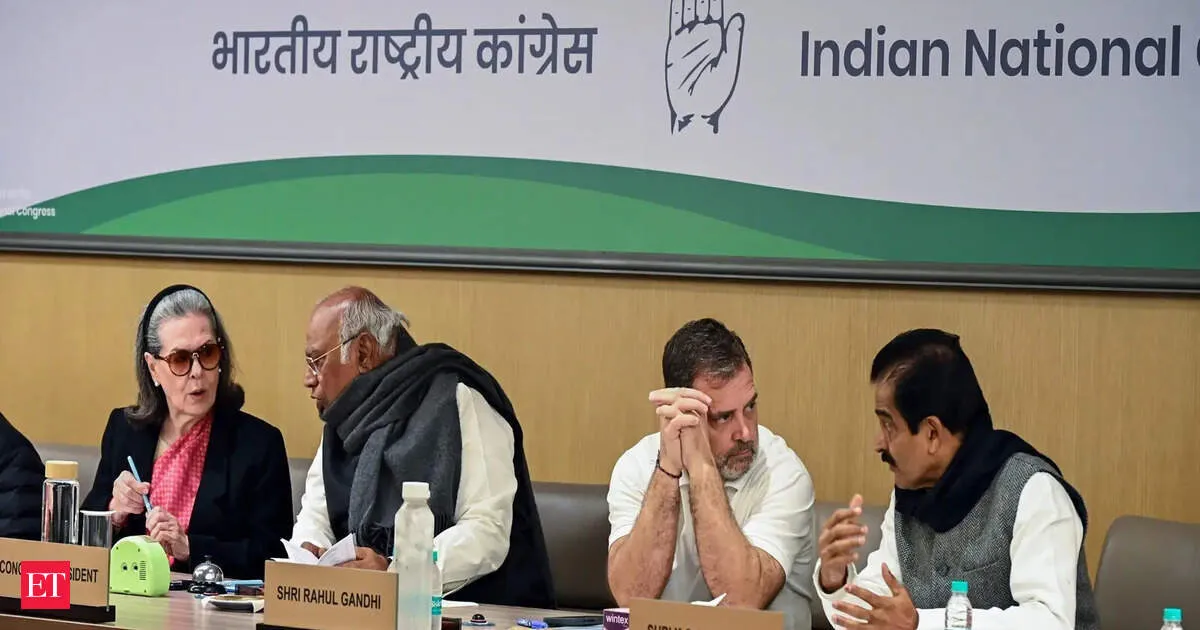
Congress launched a fresh attack on the Centre after petrol and diesel prices rose by ₹3 per litre, arguing the move will trigger inflation. Rahul Gandhi said the “₹3 shock has already arrived” and suggested more pain is coming in stages. Mallikarjun Kharge blamed not only global fuel factors but a “leadership crisis” under the Modi government, citing diesel’s cascading impact on costs. Congress also alleged the BJP has monetised fuel taxes at scale over 11 years.
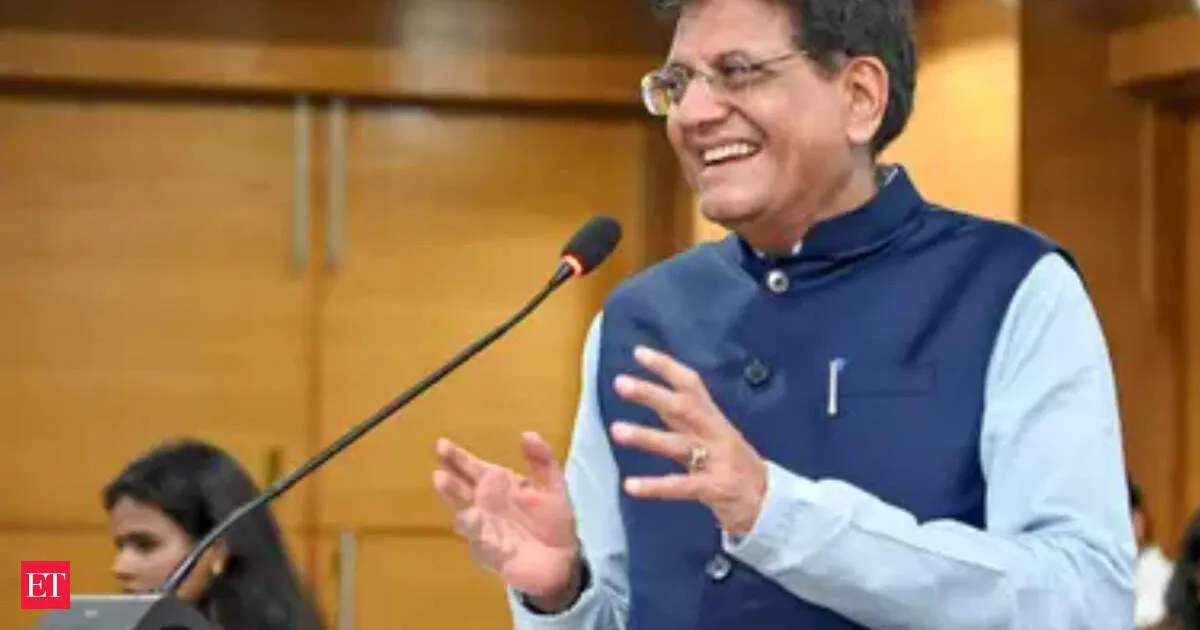
Commerce and Industry Minister Piyush Goyal said India’s small fuel-price increase reflects how the government absorbed global oil shocks. He pointed out petrol and diesel rose by only Rs 3 because excise duty revenue was reduced by Rs 10. Fertiliser prices, he added, were kept unchanged even as costs increased, with farmers receiving heavily subsidised fertiliser. Goyal also backed Prime Minister Modi’s voluntary austerity appeal and said India is working to cut import dependence, improve efficiencies, and advance an India-US trade approach.
Dining out and food deliveries are expected to get 5–10% costlier from next week as state oil firms raised petrol and diesel prices. Restaurant executives say the fuel hit lands on top of months of pressures including a commercial LPG price jump, LPG shortage, and labor shortages since the West Asia war began. Some chains will revise menu prices as early as next week, while others target June or July 1, with logistics costs also likely lifting delivery charges and shrinking discounts.
Reading on mobile?
Open Beige in the app for a smoother experience — free on iOS and Android.
As more Indians book overseas vacations, foreign travel spending is adding pressure to the rupee, pushing the government toward interventions that are difficult to design without collateral damage. The editorial argues that while domestic tourism is expanding through aviation and highways, fuel prices being kept artificially low distorts consumer signals and can worsen the long-term impact if demand falls. It warns that India’s tourism mix is too concentrated in religious travel and calls for diversification, infrastructure, and skills across states.
Gig and Platform Service Workers Union has called for a nationwide five-hour shutdown of app-based services on Friday, from 12 pm to 5 pm, to protest rising fuel prices and stagnant pay. The union wants the government and digital platforms to revise per-kilometre service rates, arguing higher fuel costs are squeezing earnings for delivery riders and drivers. It cited fuel hikes of about Rs 3 per litre and warned that without rate changes, many may exit the sector.
India’s first fuel price hike in four years is just a breather, not an end to rising costs. State refiners raised diesel and gasoline by only Rs 3 a litre, aiming to soften household impact while global crude stays above $100. But refiners are still bleeding money and want much larger adjustments—officials say losses top Rs 10 billion a day. The government is also pushing conservation measures and delaying larger increases, with more rises likely if the Persian Gulf conflict drags on.
India is deploying emergency measures to shield the economy from Iran war fallout. State oil refiners raised gasoline and diesel prices by over 3% after crude surged, while authorities tightened gold import rules and temporarily banned sugar exports. Delhi government staff were asked to work from home twice a week to conserve fuel. With the rupee slipping past 96 per dollar, a widening trade deficit, and foreign investor outflows, officials are also exploring incentives for foreign bond investors.
Follow your favourite sources
Track sources, tags and categories — all in the Beige app.
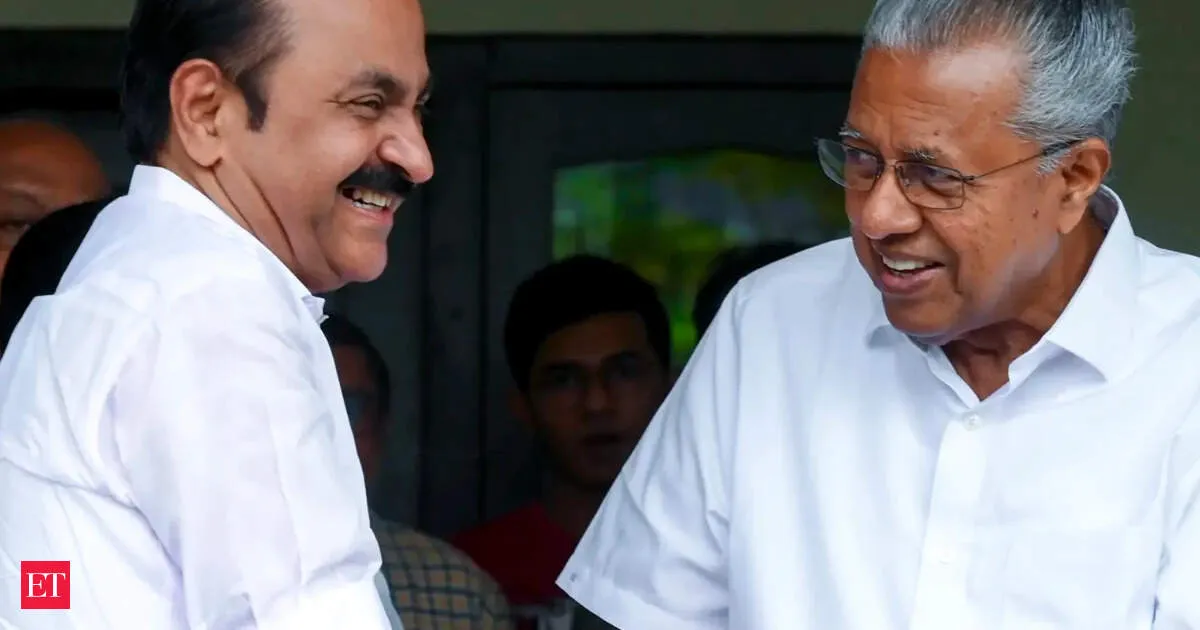
Kerala CM-designate V D Satheesan says he is meeting officials to assess how a Centre fuel price hike will affect the public and what relief measures Kerala can take. Former CM Pinarayi Vijayan called the decision a grave injustice, urging immediate withdrawal, and alleged that benefits of falling international crude were not passed to consumers. Petrol and diesel were increased by Rs 3 per litre, the first hike in over four years, while Vijayan warned higher fuel costs will feed into everyday essentials and transport.
India’s government bond market slipped in early trade after a fresh petrol and diesel price increase rekindled inflation concerns. The yield on the benchmark 6.48% 2035 bond climbed to 7.0591% by late morning as US Treasury yields rose to a one-year high. With India importing nearly 90% of crude, higher oil prices threaten the rupee and the current account, while a reported jump in wholesale inflation to 8.3% raised fears of consumer-price spillover ahead of a new 320 billion rupee bond sale.
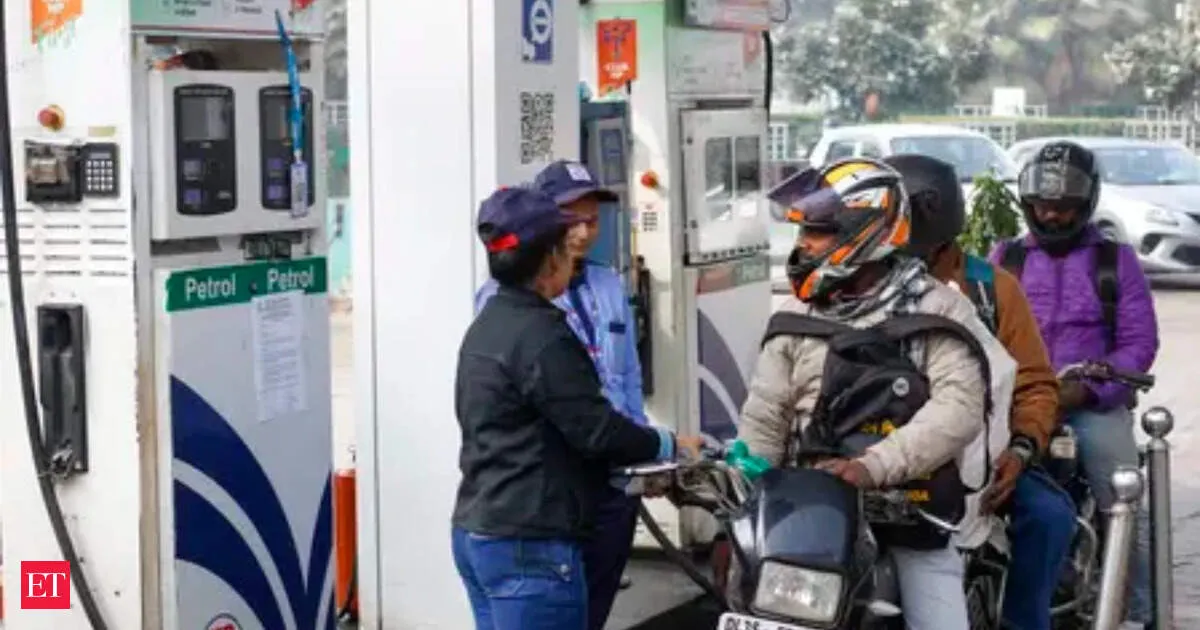
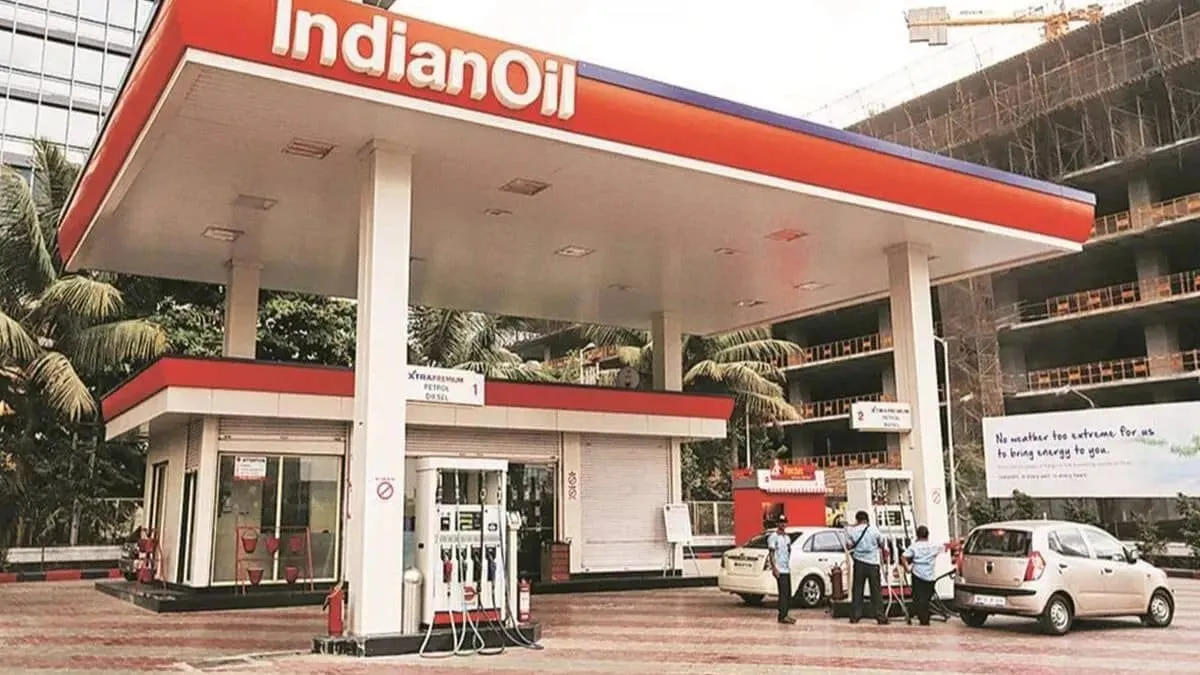
Indian Oil Corporation Limited says its 10 refineries are operating round the clock at above 100 percent capacity to prevent any fuel shortage after the Centre raised petrol and diesel prices by Rs 3 per litre nationwide. IOCL Director (Refineries) Arvind Kumar told ANI the increase is “a very small rise” amid global pressures. Petrol rose to Rs 97.77 in Delhi and over Rs 108 in Kolkata, while IOCL is also pushing zero-emission hydrogen buses for Delhi Metro routes.
Transport operators in West Bengal warn that recent fuel price hikes could push overall freight costs up by about 3%. They cite sharp increases in petrol and diesel prices across major metros, with Kolkata seeing the steepest rise. Operators say the impact on transport expenses will be smaller but urge the government to stop traders from raising product prices unfairly. They also want state governments to cut local levies, estimating an added daily burden of Rs 50-60 for truckers.
Stay informed on the go
Bite-sized news from 100+ trusted sources, right in your pocket.
Congress launched a sharp attack on Prime Minister Narendra Modi after the Centre raised petrol and diesel prices by Rs 3 per litre, arguing it signals a “vasooli” or extortion campaign once assembly elections ended in four states and a union territory. The party also pointed to a Rs 2 per litre increase in CNG. Delhi saw petrol climb from Rs 94.77 to Rs 97.77 and diesel from Rs 87.67 to Rs 90.67. Opposition leaders tied the hike to inflation amid the West Asia energy shock.
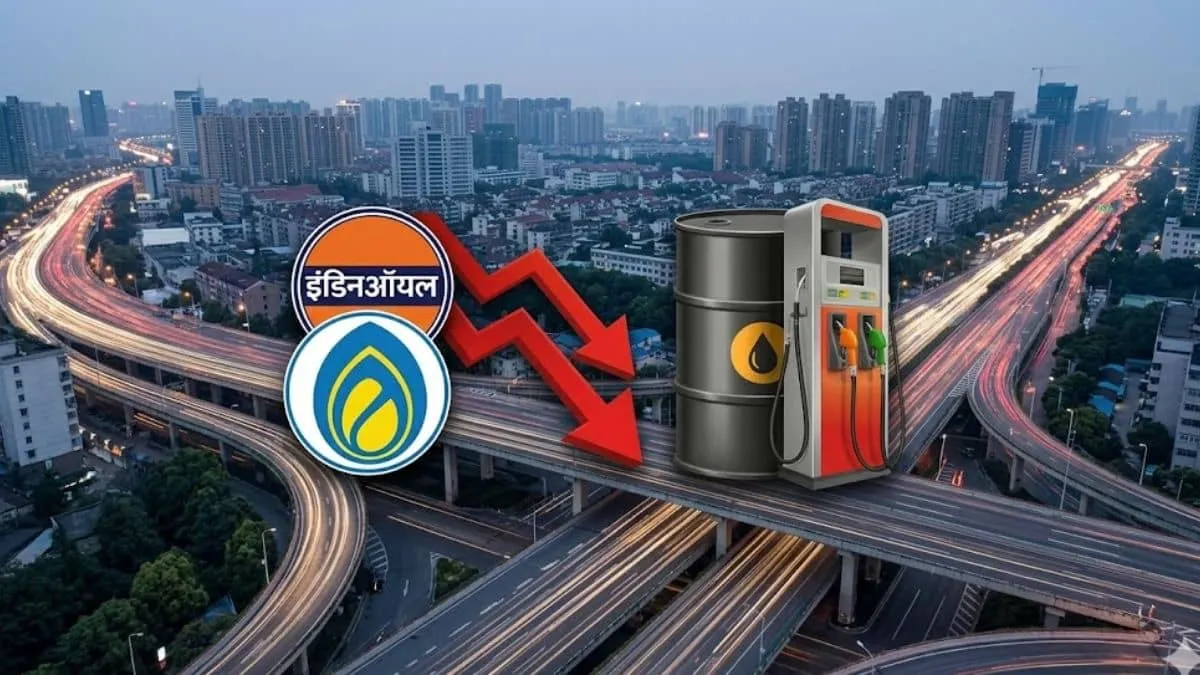
On May 15, shares of public sector oil marketing companies fell after petrol and diesel prices were raised by about Rs 3 per litre. Hindustan Petroleum (HPCL) dropped over 2% to an intraday low of ₹367.10, BPCL slid about 2% to ₹289.05, and IOCL eased 0.6% to ₹139.35. The move came as Brent traded near $107 and WTI near $102.4 amid a crude oil crisis and geopolitical worries around the Strait of Hormuz, while Delhi and other cities saw price increases.
Swipe through stories, personalise your feed, and save articles for later — all on the app.