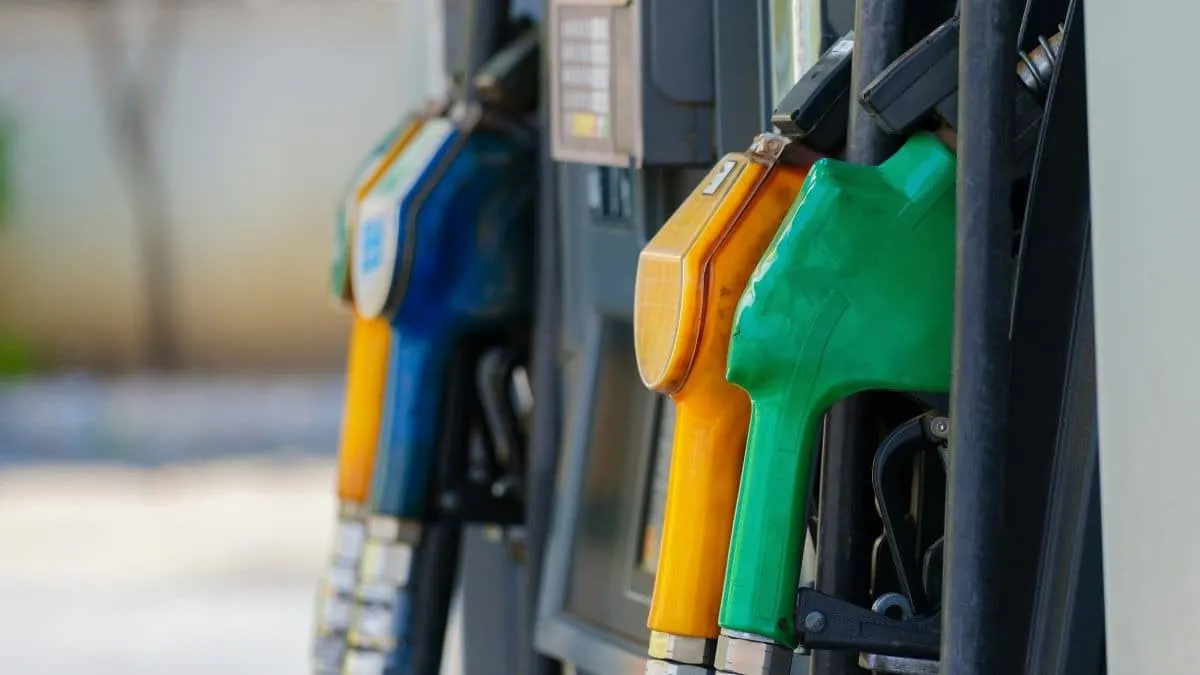
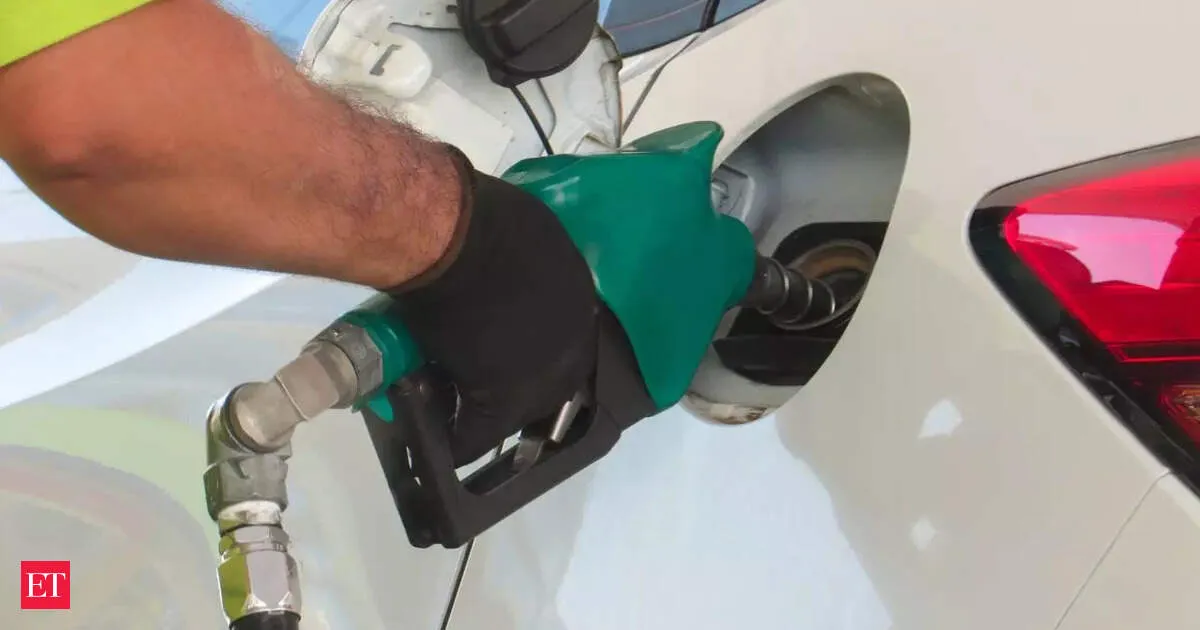
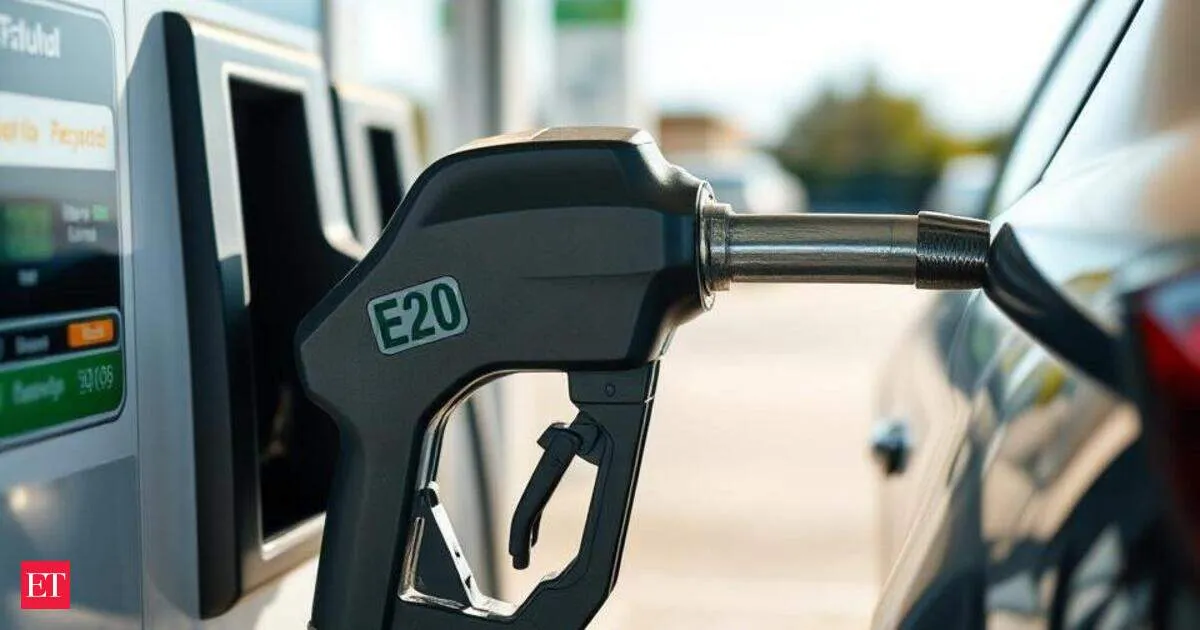
India’s Ministry of Road Transport and Highways has issued draft rules to add E85 and E100 ethanol blends into the Central Motor Vehicles Rules. The plan follows the nationwide push to E20 and is designed to cut heavy oil imports by increasing ethanol’s share. If adopted, it would mark a major step toward flex-fuel compatibility and a reshaped fuel ecosystem.
India has proposed amendments to motor vehicle rules to formally allow higher ethanol blends like E85 and E100. The proposal comes after the country met its E20 target and is designed to accelerate the shift away from petroleum imports. If adopted, the changes could reshape fuel standards and how vehicles are cleared for alternative ethanol-heavy supply.
Your news, in seconds
Get the Beige app — every story in 60 words, updated hourly. Free on iOS & Android.
India’s ethanol blending push is moving beyond E20, but automakers warn older vehicles may lose mileage as ethanol content rises. Cars built for E10 fuel could see a 1–2% mileage drop under E20, affecting millions manufactured from 2012 to March 2023. Automakers want tax incentives to cushion costs as the government signals further intensification.
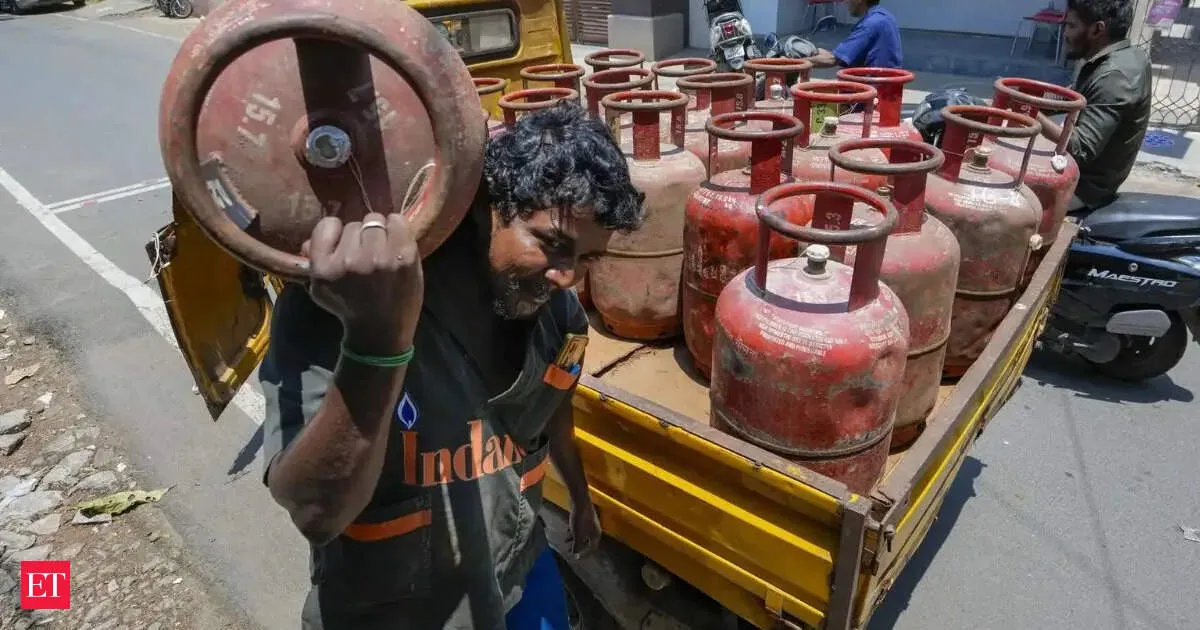
Indian LPG consumers may face further pressure after West Asian conflicts already pushed domestic and commercial cylinder costs higher. From May 1, new rules are set to tighten booking and delivery processes, potentially affecting refill timelines. Separately, the push for piped natural gas could shift demand away from LPG in areas where PNG is available.
Swipe through stories, personalise your feed, and save articles for later — all on the app.