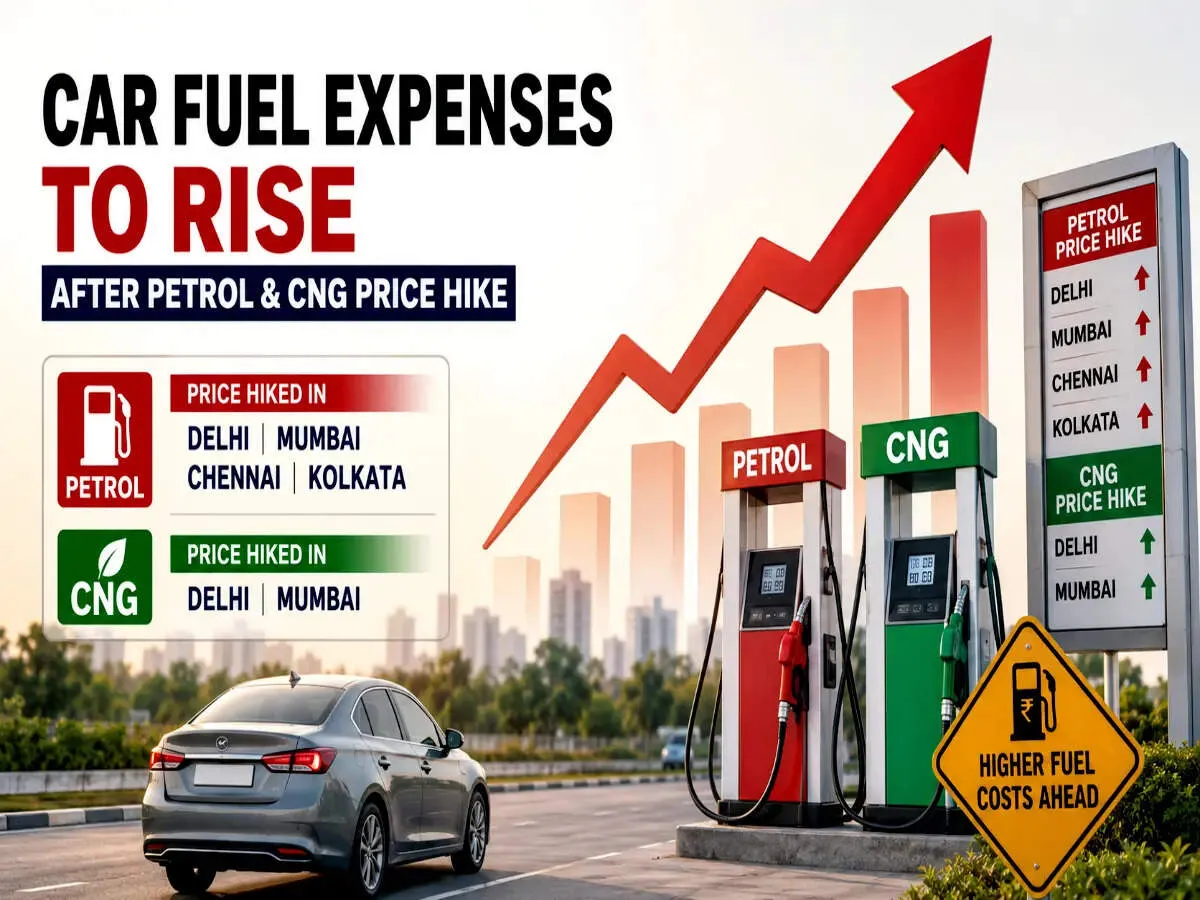
Petrol prices have climbed across India’s major metros, with the sharpest jump in Kolkata and smaller hikes in Chennai, while CNG costs rose by Rs 2 in only Delhi and Mumbai. For drivers covering 1,000 km monthly, the change can mean a few hundred to a few thousand rupees in extra fuel spending depending on mileage and fuel type. Still, calculations show CNG cars remain notably cheaper than petrol cars even after the increase.
Prime Minister Narendra Modi urged cabinet colleagues to cut unnecessary spending, including reducing petrol use and limiting foreign travel. He also reportedly trimmed his own convoy size to conserve resources and ease the country’s import burden. The government clarified this is “wise spending, not austerity”, with no cuts to capital expenditure or welfare programmes.
Your news, in seconds
Get the Beige app — every story in 60 words, updated hourly. Free on iOS & Android.
US gas prices are edging toward 5 dollars per gallon, squeezing drivers nationwide. While only a handful of states still post fuel under 4 dollars, Oklahoma ranks lowest. Cheaper options persist in parts of the Midwest and South, but experts warn that global tensions are pushing costs higher across the country, impacting everyone at the pump.
Commercial LPG price hikes are squeezing Indian textile exporters in Tiruppur and Noida, where rising fuel costs are eroding already thin margins. Even as firms look for ways to offset higher expenses, global buyers are pressing for lower prices and bigger discounts, limiting the ability to pass costs downstream and adding fresh uncertainty to profitability.
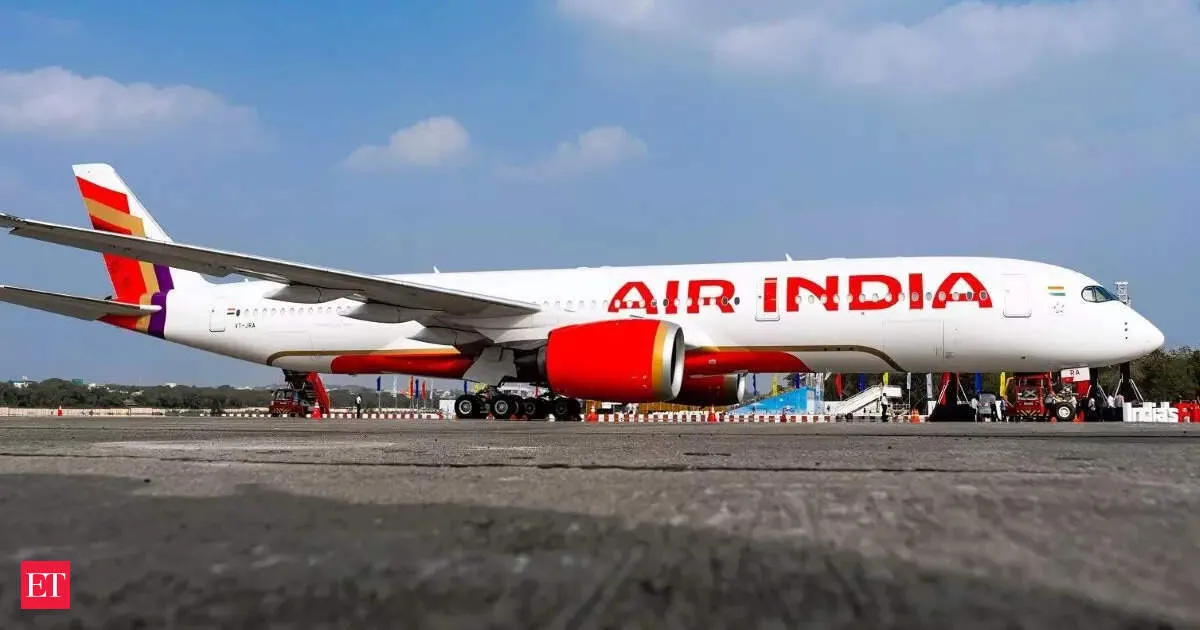
Air India says West Asia tensions are forcing airlines to reroute and fly longer to Europe and the US, pushing up fuel bills. The extra flight time is also straining cockpit and cabin staffing, with crew availability tightening. To protect on-time operations, airlines are cutting some frequencies, while geopolitical uncertainty is dampening long-haul and US-bound leisure demand.
Factory input costs are rising across regions as Iran war-linked disruption feeds into delivery delays and price hikes. The pattern complicates readouts of economic health: some growth appears in parts of Europe, but Asian manufacturing is under pressure from higher fuel costs and ongoing uncertainty, threatening recovery momentum.
Never miss a story
Set alerts for the topics and sources you care about. Download Beige for free.
Electric vehicle demand is surging across Southeast Asia as shoppers rush to dealerships to sidestep runaway fuel prices. Since the Middle East war began, crude has climbed by roughly 50%, briefly pushing above $100 per barrel, tightening budgets at the pump. EVs are emerging as the cheaper, shielded alternative for cost-conscious buyers.
Swipe through stories, personalise your feed, and save articles for later — all on the app.