New Zealand is quickly becoming a top study abroad pick for Indian students as the India-New Zealand FTA reshapes mobility. Policy stability and clearer post-study work pathways are boosting confidence, while students are applying a sharper cost-benefit lens. The result is a shift away from old destination habits toward choices backed by practical outcomes.
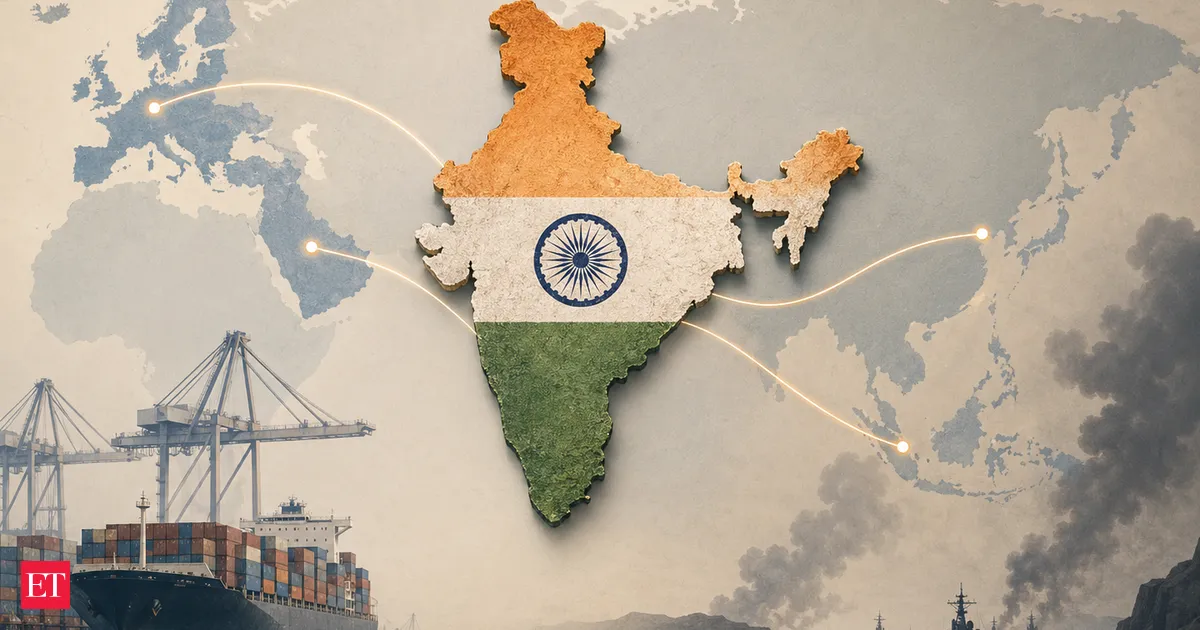
India is drafting an FTA utilisation plan to ensure businesses fully benefit from fresh trade agreements with the UK, EU, US, UAE and Australia. Commerce Minister Piyush Goyal has met exporters, industry bodies and officials to improve how these pacts are used. The agreements span 38 countries with combined imports of about USD 12 trillion.
Your news, in seconds
Get the Beige app — every story in 60 words, updated hourly. Free on iOS & Android.
India and South Korea are set to meet on May 25 to review their economic partnership agreement amid a growing trade deficit. India has proposed negotiating a new bilateral trade deal to make trade more balanced and tackle the widening gap. Both sides also aim to double bilateral commerce by 2030, turning the review into a possible reset for negotiations.
India’s engineering exports to New Zealand are expected to double within five years, with shipments projected to reach USD 280–300 million. The shift is driven by a new free trade agreement that offers zero-duty market access for all Indian goods, aiming to strengthen the engineering sector and expand opportunities for MSMEs through easier, cheaper exports.
India’s ambitious FTAs with partners including the UK and Oman are entering a make-or-break phase. After deals are signed, businesses now face the harder work of ratification, implementation and securing real market access. Geopolitical tensions add extra friction, and early benefits may go first to larger firms while others wait for trade flows to catch up.
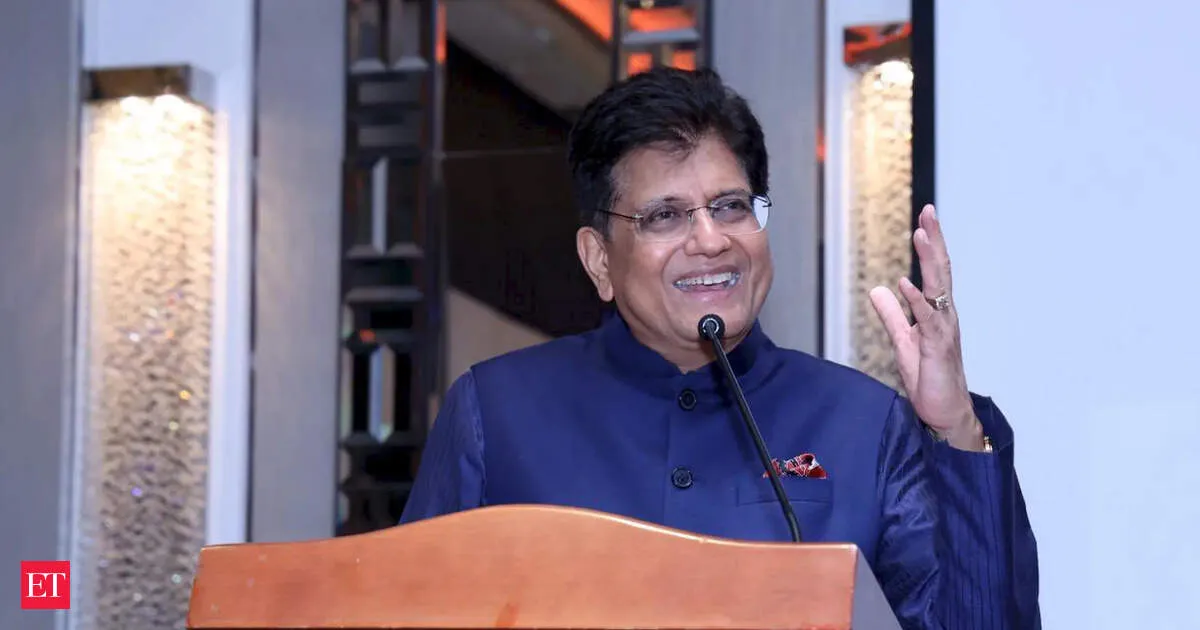
Commerce and Industry Minister Piyush Goyal said India has not provided any tariff or duty concessions for the dairy sector under any free trade agreement to date. His statement covers FTAs with major partners including the European Union, the UK, Australia and New Zealand, signaling that dairy remains protected from preferential tariff reductions.
Never miss a story
Set alerts for the topics and sources you care about. Download Beige for free.
India’s Free Trade Agreement with New Zealand is expected to give exporters a major boost, with GJEPC aiming for 200% growth over three years. Exports are projected to rise from $16.61 million to nearly $50 million, as zero-duty access creates a competitive advantage versus China and Thailand. The deal also opens fresh opportunities across the Oceania market.
The Federation of Indian Export Organisations (FIEO) says the India–New Zealand free trade agreement will expand market access for Indian goods and services, with MSMEs expected to benefit most. The pact is designed to diversify export destinations, improve competitiveness, and strengthen bilateral economic ties, with FIEO suggesting trade volumes could potentially double over time.
India and New Zealand have signed a Free Trade Agreement aimed at reducing India’s reliance on a limited set of markets. Analysts say the deal can push Indian textile and apparel exporters up the value chain. With duty free access for Indian textiles and New Zealand’s premium wool imports, the pact is expected to support growth in high end garment exports while diversifying trade.
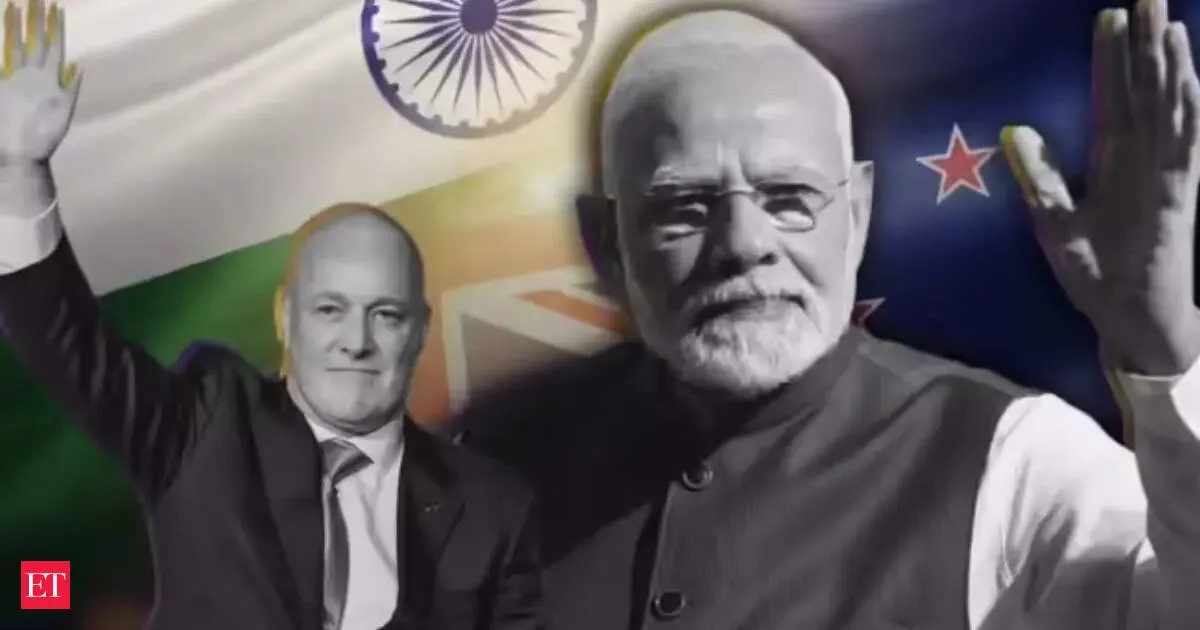
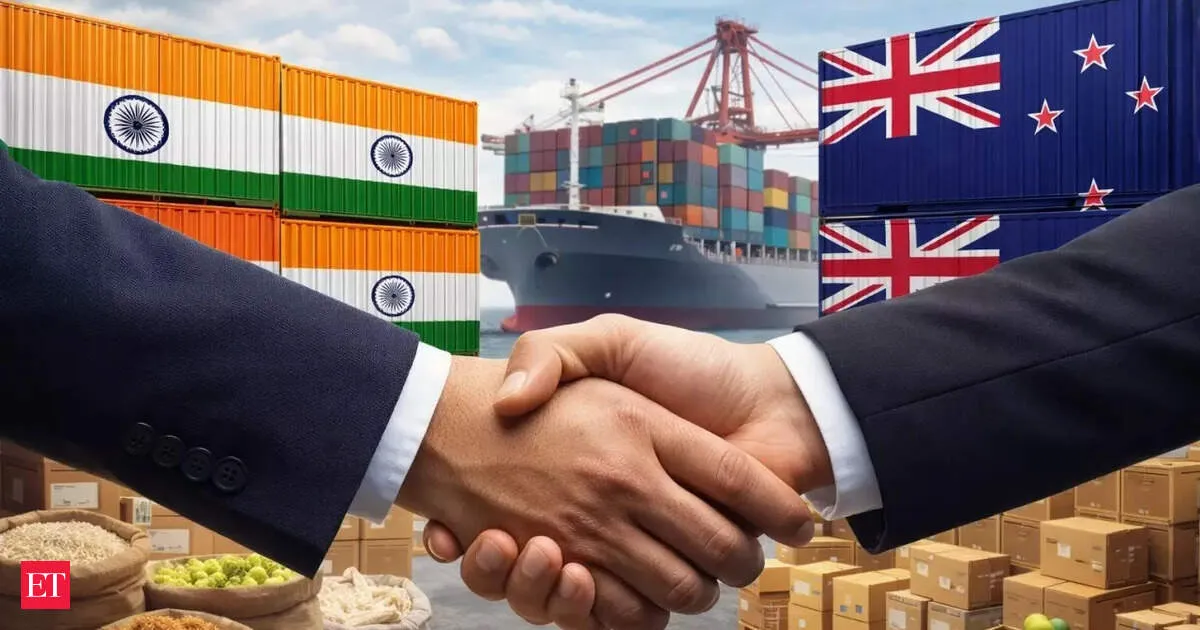
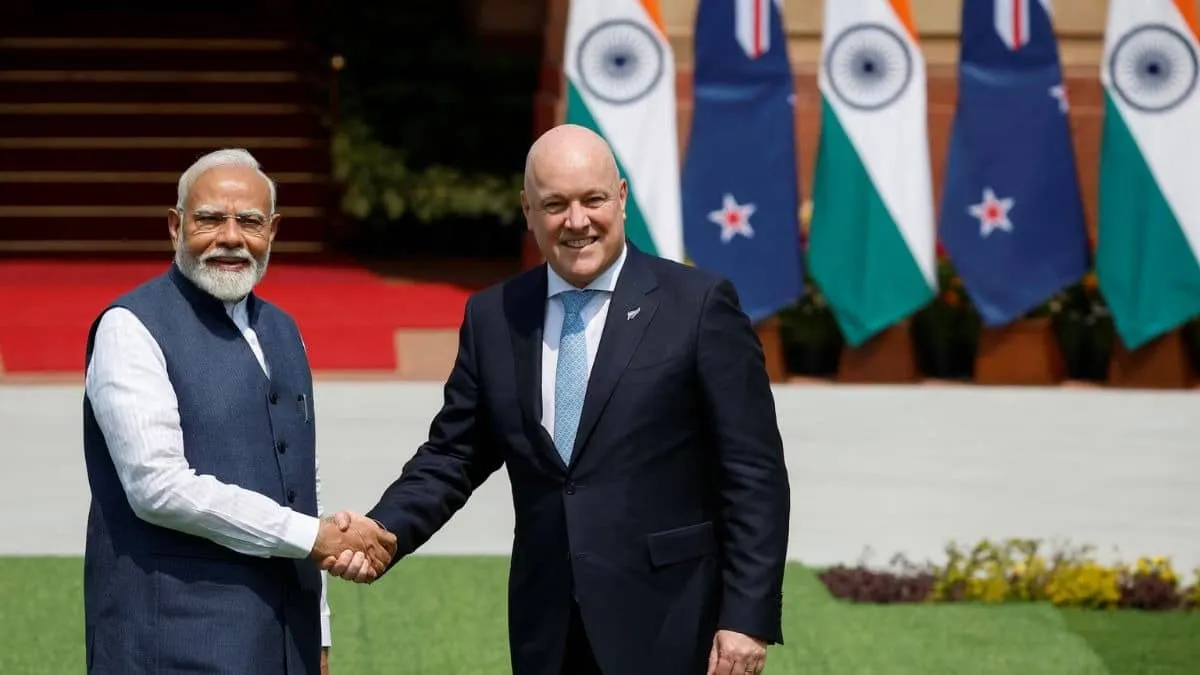
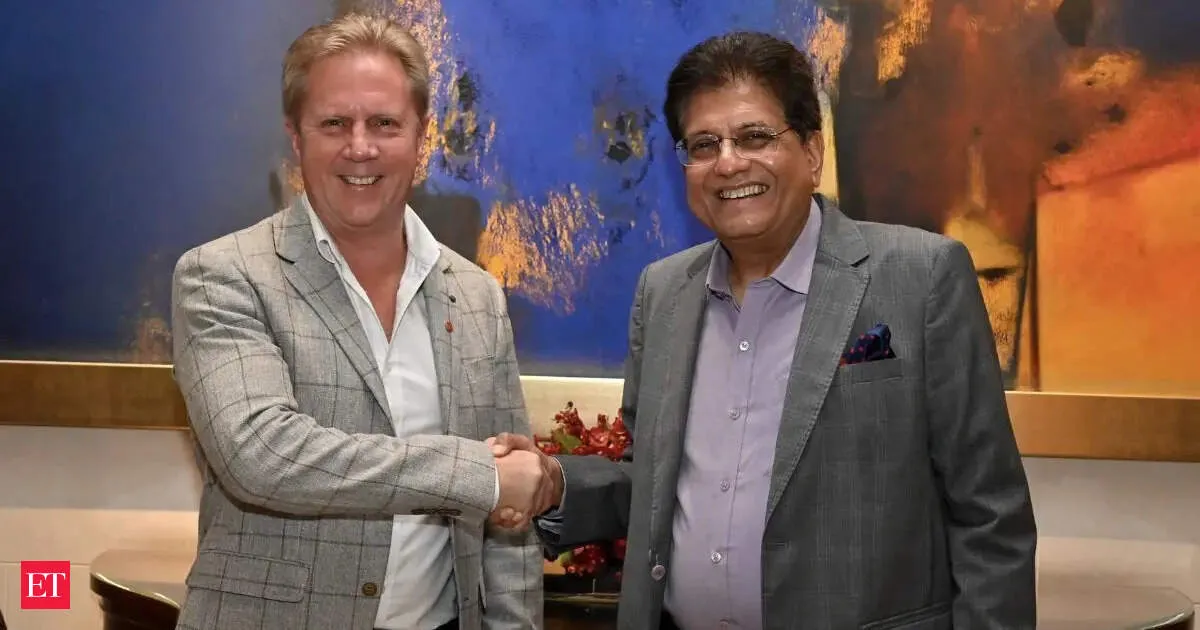
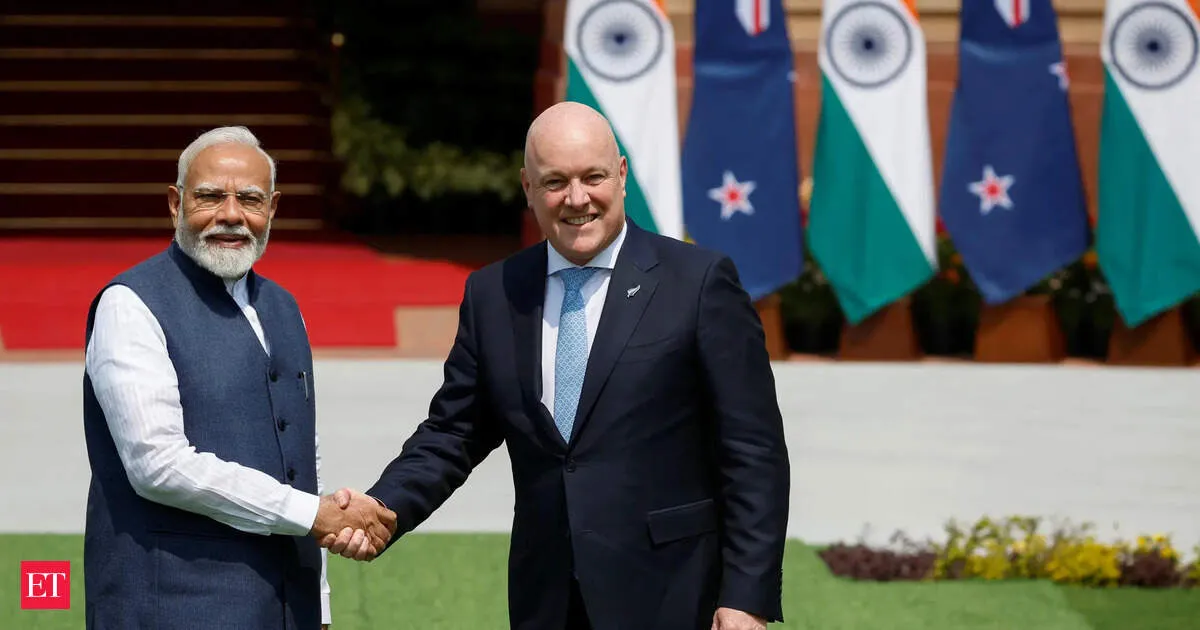
India and New Zealand have concluded a comprehensive Free Trade Agreement, one of India’s quickest deals with a developed nation. The FTA, launched in March 2025 and finalized rapidly, promises 100% duty-free access for Indian exports and a binding $20 billion investment commitment into India over 15 years. The agreement also strengthens India’s Indo-Pacific strategy.
Reading on mobile?
Open Beige in the app for a smoother experience — free on iOS and Android.
India and New Zealand are set to sign a major free trade agreement on April 27, aimed at expanding bilateral trade and improving market access for Indian products. Around 70% of Indian goods are expected to enter New Zealand duty-free, with fresh export opportunities highlighted for sectors including leather, handloom, and handicrafts.
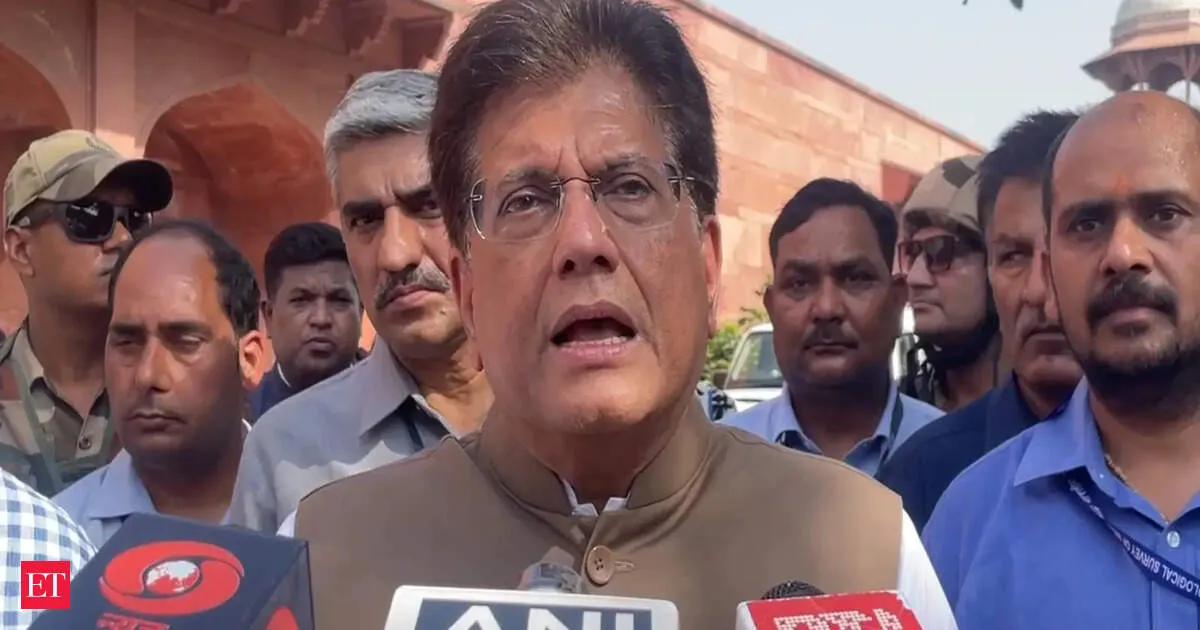
India and New Zealand are scheduled to sign a Free Trade Agreement on April 27, 2026, a major milestone for bilateral economic ties. Commerce and Industry Minister Piyush Goyal said the pact will open a “new chapter,” calling it a defining moment in the partnership as both sides move toward deeper trade integration.
India and New Zealand are set to sign their Free Trade Agreement on Monday, April 27, after negotiations wrapped up last year. The deal is designed to sharply lift bilateral commerce, with both sides aiming to double trade to $5 billion within five years. It is also expected to provide tariff-free access for Indian goods, reshaping market access quickly.
Sula’s growth is slowing as investors lose confidence, but the real threat is price pressure. Cheaper European wine is gaining traction after the new FTA framework, forcing the Nashik winemaker to defend margins and market share. The stock story has shifted from a domestic success narrative to a challenge against imports that are undercutting its pricing power.
Follow your favourite sources
Track sources, tags and categories — all in the Beige app.
Swipe through stories, personalise your feed, and save articles for later — all on the app.