India’s food regulator FSSAI has asked quick-commerce firm Blinkit to explain complaints that poor-quality eggs were sold on its platform. The watchdog took suo-moto cognisance of consumers’ social media complaints and wrote to Blink Commerce Pvt Ltd, seeking a comprehensive action taken report within one week. Complainants alleged bad odor and a rubber-like texture. FSSAI also warned that e-commerce food operators must ensure online listings match physical labels and that sellers display valid FSSAI licenses or registrations.
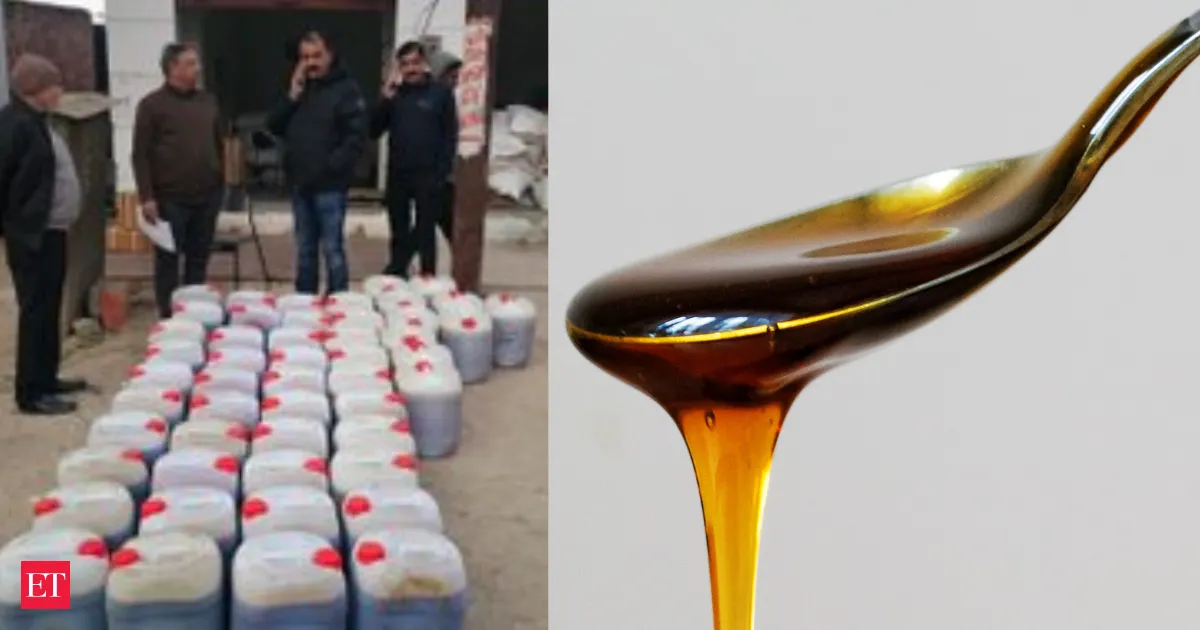
The UP Food Safety Department, with FSSAI input, seized 15,000 kg of suspected adulterated honey worth nearly Rs 22 lakh in Hapur. Samples have been sent for laboratory testing, intensifying fears about fake honey circulating in the market. With consumers increasingly searching for ways to verify purity at home, experts urge simple checks before adding honey to meals.
Your news, in seconds
Get the Beige app — every story in 60 words, updated hourly. Free on iOS & Android.
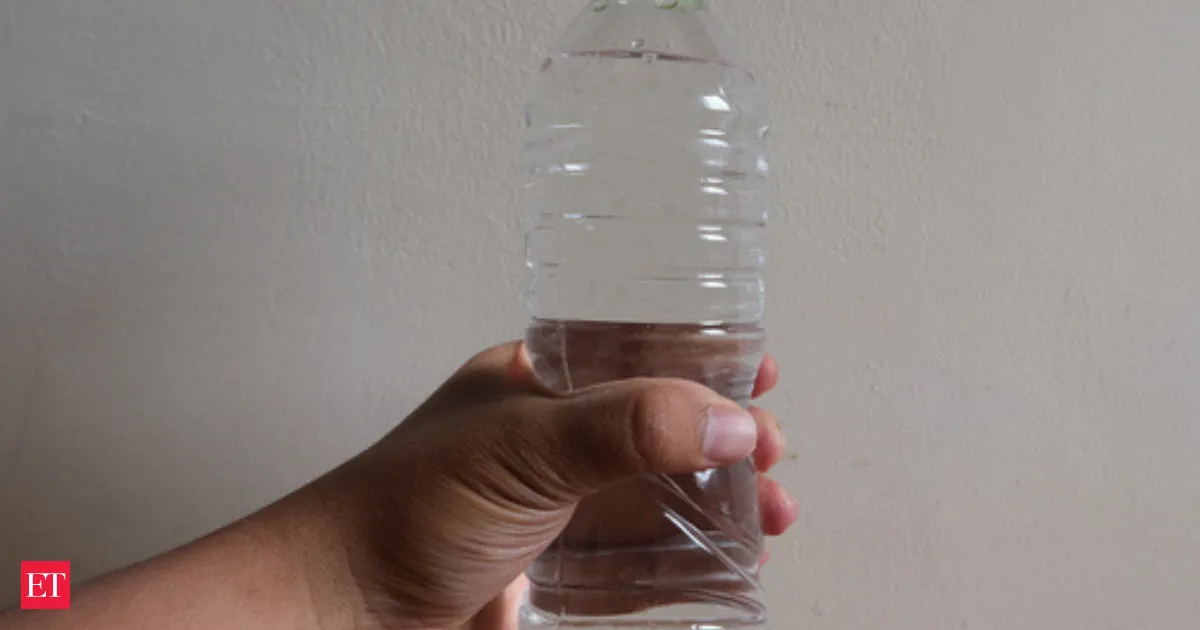
FSSAI raided a Gujarat alkaline water manufacturer and seized products worth over Rs 31 lakh over major food safety and labelling violations. Inspectors found missing product details, incorrect ingredient declarations, visible black particles, and the non-permitted substance fulvic acid. The agency has moved toward legal action after confirming serious lapses in compliance and labelling standards.
FSSAI has launched a probe into a mass food poisoning incident at a wedding in Gujarat, where large numbers were hospitalised during peak summer. The central regulator says it will investigate how unsafe food was served and has ordered inspections across the state. Officials fear the scale of illness points to serious lapses in food handling and compliance.
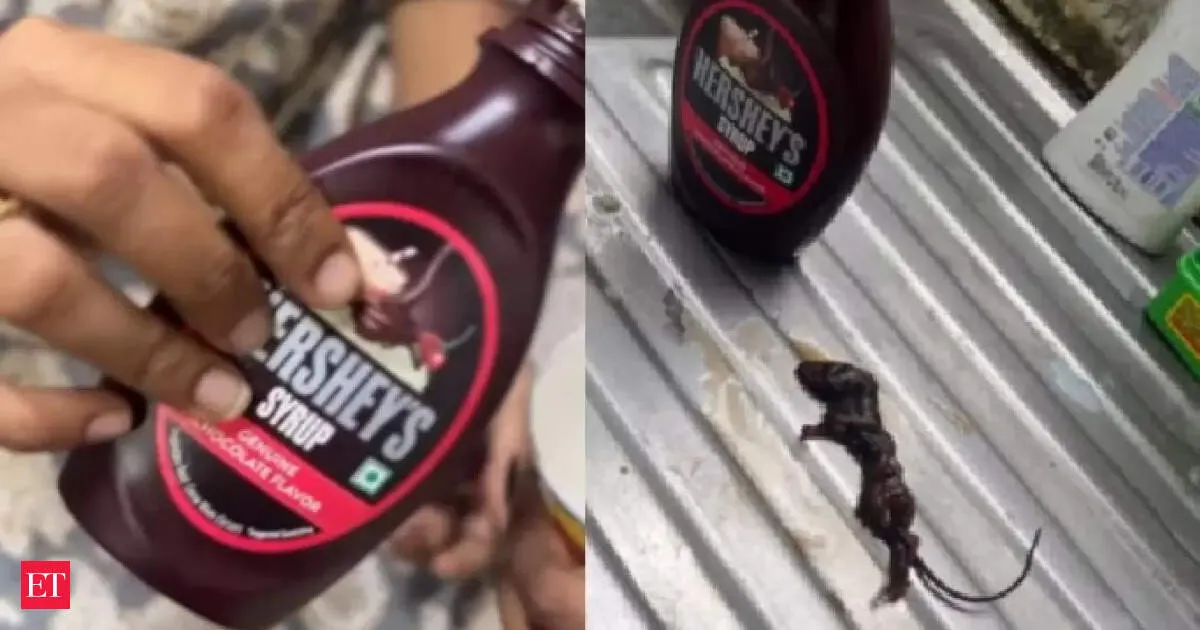
Incidents like a human finger in ice cream, a dead mouse found in Hershey’s syrup, and even a lizard in soup have spotlighted food safety failures. The key for consumers is keeping strong evidence such as photos and details of the order or batch. You can report problems via food delivery apps, FSSAI’s portal, or consumer forums for faster follow-up.
Indian single malt producers are reportedly seeking a clear category definition from FSSAI, aiming to formalize what “single malt” means for regulation and labeling. The move could influence how products are classified on shelves, how brands market their premium positioning, and even what consumers expect. ET Prime examines the strategy and its potential sales impact.
Never miss a story
Set alerts for the topics and sources you care about. Download Beige for free.
India’s widening protein gap is boosting demand for “protein-washed” snacks, but experts warn many are heavily processed and packed with unhealthy additives. With FSSAI under pressure, the debate is shifting to stricter labeling, testing, and clearer standards so consumers get real nutrition—not marketing glossed as health.
FSSAI has directed all food businesses to use only Ashwagandha roots and their extracts, banning Ashwagandha leaves in any form. The move follows findings that some manufacturers were using leaves despite earlier guidance. The Ayush Ministry has also issued matching instructions, tightening compliance expectations for products containing the herb.
Swipe through stories, personalise your feed, and save articles for later — all on the app.