Foreign portfolio investors reduced their exposure to Indian equities, pulling out Rs 14,231 crore so far in May. The selling pressure is attributed to lingering global macroeconomic uncertainties that are keeping investors cautious. With risk sentiment remaining fragile, the pace and direction of FPI flows could stay in focus for Indian markets in the near term.
BSE logged its strongest financial year ever, crossing ₹5,000 crore in revenue for the first time in 150 years. The exchange is also ramping up derivatives with new products such as the Focused IT Index derivative. On the retail and foreign front, BSE is pushing BSE Star MF to onboard new investors and targeting a sharp rise in foreign portfolio investor participation.
Your news, in seconds
Get the Beige app — every story in 60 words, updated hourly. Free on iOS & Android.
Foreign portfolio investors recorded only a slight inflow into Indian debt in April, yet sentiment remains cautious. Rising US and Japan interest rates, a weaker rupee, and ongoing fiscal uncertainty are deterring fresh bets. Analysts also flag that crude oil pressures could trigger further outflows, keeping near-term optimism muted despite any brief improvement in inflows.
Foreign portfolio investors withdrew Rs 60,847 crore from Indian equities in April, extending a broader selloff that pushed outflows to Rs 1.92 lakh crore in the first four months of 2026. Geopolitical stress and global growth worries rattled risk appetite, while rising crude oil lifted inflation expectations, trimming rate-cut hopes and raising bond yields—leaving valuations looking stretched.
Mutual funds boosted holdings in listed new-age companies in the March quarter even as share prices slid and portfolio values declined. The buying spree by domestic institutional investors is unfolding alongside foreign portfolio investors trimming Indian equities. Funds appear to be leaning on long-term confidence in listed peers’ business models and execution, betting the valuation reset will pay off.
Foreign investors have sold Indian stocks worth over ₹1.8 lakh crore in 2026, already surpassing the total outflows recorded for 2025. The steep selling is the highest in the first four months of any year, driven by a weak rupee, high oil prices, and fewer AI-related investment opportunities as capital shifts to semiconductor and AI plays like South Korea and Taiwan.
Never miss a story
Set alerts for the topics and sources you care about. Download Beige for free.
Sebi is in talks with the CBDT to simplify FPI tax compliance. The regulator is proposing a framework that lets foreign portfolio investors appoint authorized signatories themselves, easing a key procedural hurdle. If approved, the change could reduce friction for FPIs dealing with tax-related documentation and compliance requirements across Indian markets.
Sebi has relaxed settlement norms for foreign portfolio investors in the cash market by allowing net settlement of funds. The change permits netting of outright transactions while keeping safeguards intact, aiming to reduce liquidity requirements and streamline operations. Officials expect this to lower trading friction and make Indian markets more attractive for global investors.
The Reserve Bank of India has decided to keep the foreign portfolio investor limit for government securities via the general route unchanged for 2026-27. The RBI set the ceiling at 6% of the outstanding stock of securities, signaling continuity in how foreign flows into G-secs will be managed despite evolving market conditions.
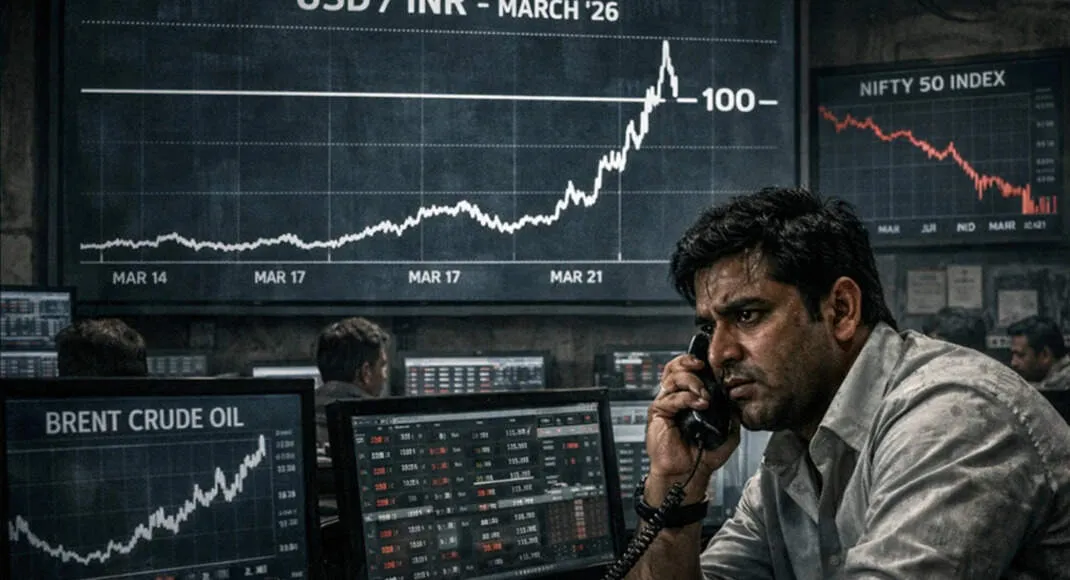
Trump’s ultimatum and Iran’s retaliation threats have rattled global markets, pushing crude oil higher while investors rush out of risk. With tensions escalating and economies under strain, currencies like the rupee face pressure from both the oil channel and foreign portfolio flows. The key question now is which force dominates next—and how deep the decline could go.
Reading on mobile?
Open Beige in the app for a smoother experience — free on iOS and Android.
Foreign portfolio investors bought fewer Indian securities in FY26, with outflows increasing as tensions in West Asia escalated. Economists expect muted flows in FY27, citing the ongoing Gulf conflict, a weaker rupee, and worries about government finances. A major catalyst such as bond index inclusion may be needed to restart stronger inflows.
Swipe through stories, personalise your feed, and save articles for later — all on the app.