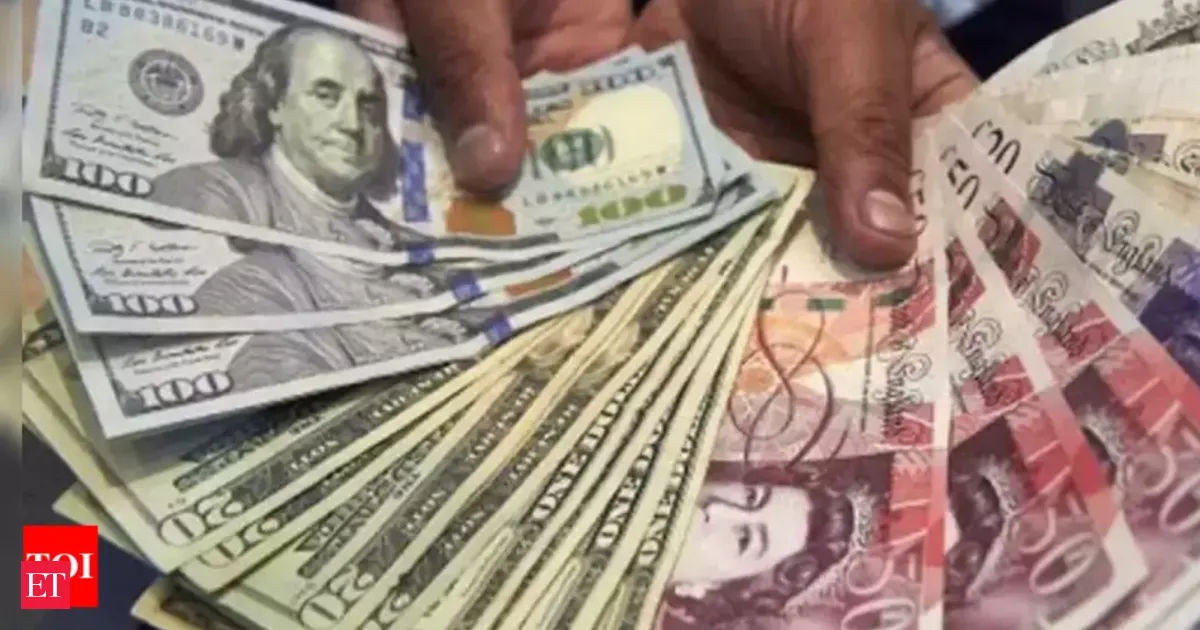
India’s foreign exchange reserves climbed by $6.295 billion to $696.988 billion in the week ended May 8, the RBI said. The previous week saw reserves fall by $7.794 billion to $690.693 billion. The increase was driven by higher foreign currency assets, which rose by $562 million to $552.387 billion, and a major $5.637 billion jump in gold reserves to $120.853 billion. SDRs and India’s IMF reserve position also edged up.
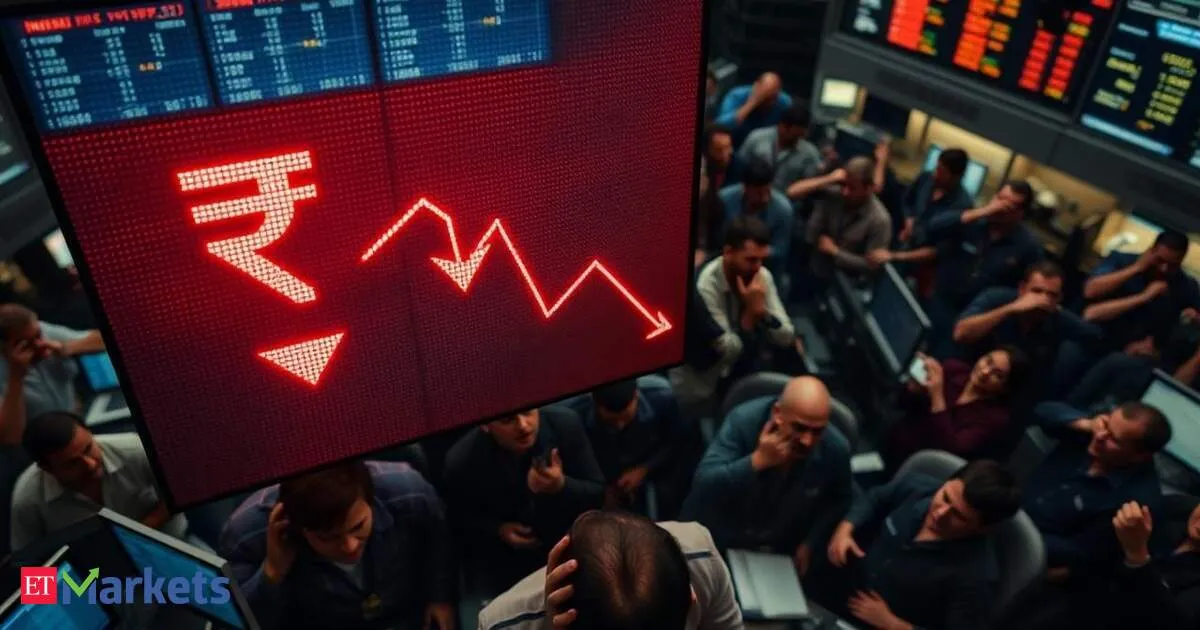
The Indian rupee slid to its weakest closing level on record, dropping nearly 0.9% to 95.31 per dollar as crude prices surged amid a US Iran standoff. Brent rose 2.5% to $103.8 per barrel after President Trump rejected Iran’s response, keeping the Strait of Hormuz, which carries about a fifth of global oil and LNG flows, effectively paralysed. Indian equities fell 1.5% and government bond yields rose. Analysts warned stronger oil can widen the current account deficit and strain FX buffers.
Your news, in seconds
Get the Beige app — every story in 60 words, updated hourly. Free on iOS & Android.
HDFC Mutual Fund has withdrawn its proposed Gold-Silver Passive Fund of Fund NFO, blaming concerns that rising precious metal imports could worsen India’s trade balance. The move follows Prime Minister Modi’s call to curb gold and silver buying and higher import duties, as the government and firms prioritize conserving foreign exchange reserves amid global uncertainty.
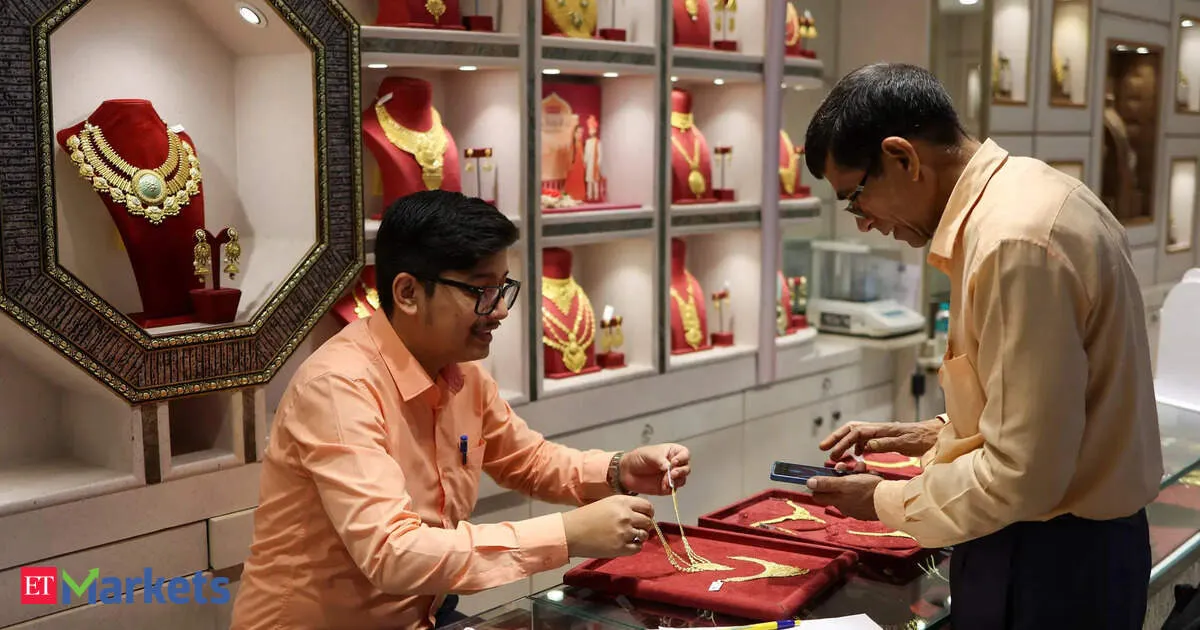
India has raised import duties on gold and silver, a policy aimed at cutting foreign exchange outflow and easing pressure on reserves. The change is expected to push up jewellery prices for consumers, while encouraging domestic recycling and less dependence on imported metal. The move also carries implications for traders and the broader economy as demand shifts.
Gold prices are rising on May 12, 2026, with major jewelers listing higher 22k rates. The move comes after a push to reduce gold purchases for a year to support India’s foreign exchange reserves. Now IBJA is urging policy changes to better use household gold, including allowing gold lending and borrowing to keep demand in check while unlocking value.
Oil-led inflation fears are denting appetite for Indian government bonds as investors anticipate higher price pressures and potential rate adjustments. Separately, Prime Minister Narendra Modi urged households to conserve fuel, curb non-essential travel, reduce cooking oil use, and limit fertilizer consumption, as global energy prices strain India’s foreign exchange reserves.
Never miss a story
Set alerts for the topics and sources you care about. Download Beige for free.
Facing concerns about a widening import bill and pressure on foreign exchange reserves, government sources said there are currently no plans to restrict international card usage or increase import duties on precious metals like gold. The clarification comes amid heightened attention on forex stability, but officials indicate no immediate policy tightening for outbound spending or gold inflows.
Prime Minister Narendra Modi urged Indians to defer gold purchases for the next year, a rare request in a nation where the metal is both a savings habit and a tradition. Market watchers say the appeal targets a key concern: rising gold imports that drain foreign exchange reserves by boosting dollar demand during uncertain global conditions.
India’s foreign exchange reserves fell by $7.794 billion to $690.693 billion by May 1, after a prior decline that followed a February record high. The drop was mainly driven by lower foreign currency assets and a sharp fall in gold reserves, adding fresh pressure on the rupee amid shifting global conditions.
India’s foreign exchange reserves fell by $4.82 billion to $698.49 billion as of April 24, reversing the prior week’s rise. Reserve Bank interventions aimed at managing rupee volatility amid global uncertainty are in focus. The decline was driven mainly by reductions in foreign currency assets and gold reserves, despite reserves reaching a record high in February.
Reading on mobile?
Open Beige in the app for a smoother experience — free on iOS and Android.
In its latest RBI Bulletin, the central bank said India’s financial system and external sector remain resilient despite global volatility and capital outflows. It reported that key external vulnerability indicators stayed contained, while foreign exchange reserves continued to look comfortable, even as global uncertainty remained elevated.
MPC external member Ram Singh signaled that a repo rate hike is not on the cards for now, tying the decision to whether inflation triggers second-round effects. He expects the West Asia conflict to ease, which could moderate price pressures, while saying forex reserves remain adequate and open market operations will support liquidity. Growth, he adds, stays resilient despite supply risks.
India’s foreign exchange reserves rose by $2.3 billion to $703.30 billion for the week ending April 17, reversing some of the drawdown seen earlier. The depletion followed pressure on the rupee after the Middle East conflict, when RBI intervention helped stabilize currency swings. Reserves were last at an all-time high in February 2026.
The Reserve Bank of India has issued a directive to curb banks’ foreign exchange reserves, signaling a renewed push to protect the rupee’s value. While framed as a safeguard measure, the move also hints that the central bank could consider further actions to influence capital flows and stabilize market dynamics.
Follow your favourite sources
Track sources, tags and categories — all in the Beige app.
India’s foreign exchange reserves fell to $646.67 billion, down about $2 billion from a previous record high, ending a three-week growth run. The dip coincides with sharp rupee volatility, with the currency oscillating between roughly 83.03 and 83.36 per dollar during the reported period, highlighting pressure even as reserves remain near peaks.
Swipe through stories, personalise your feed, and save articles for later — all on the app.