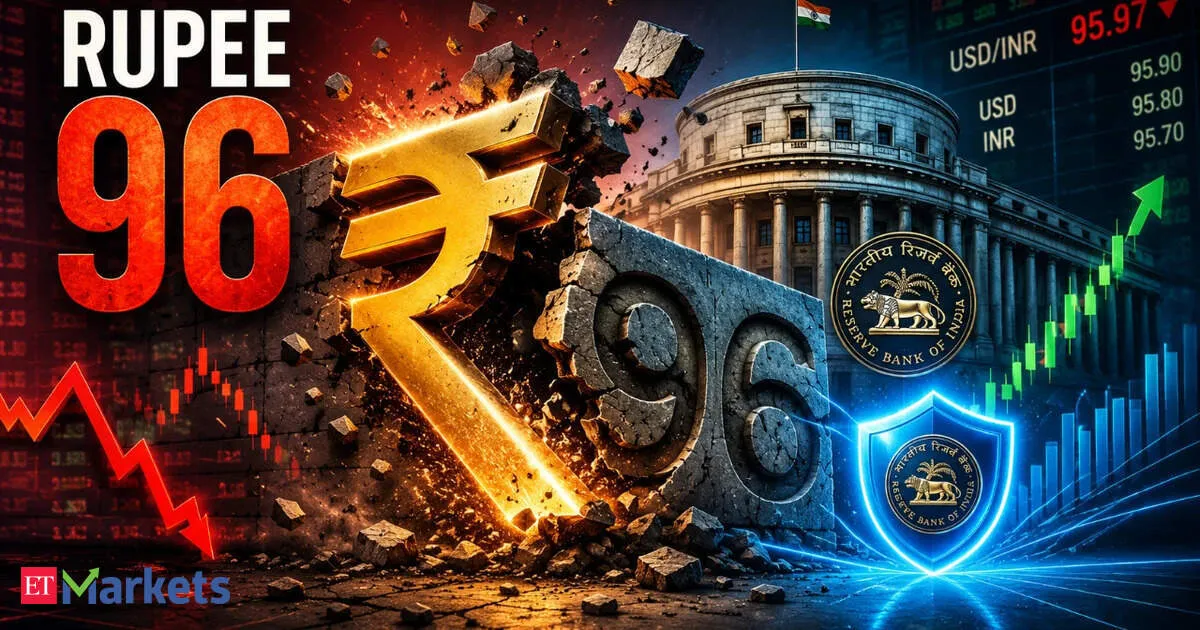
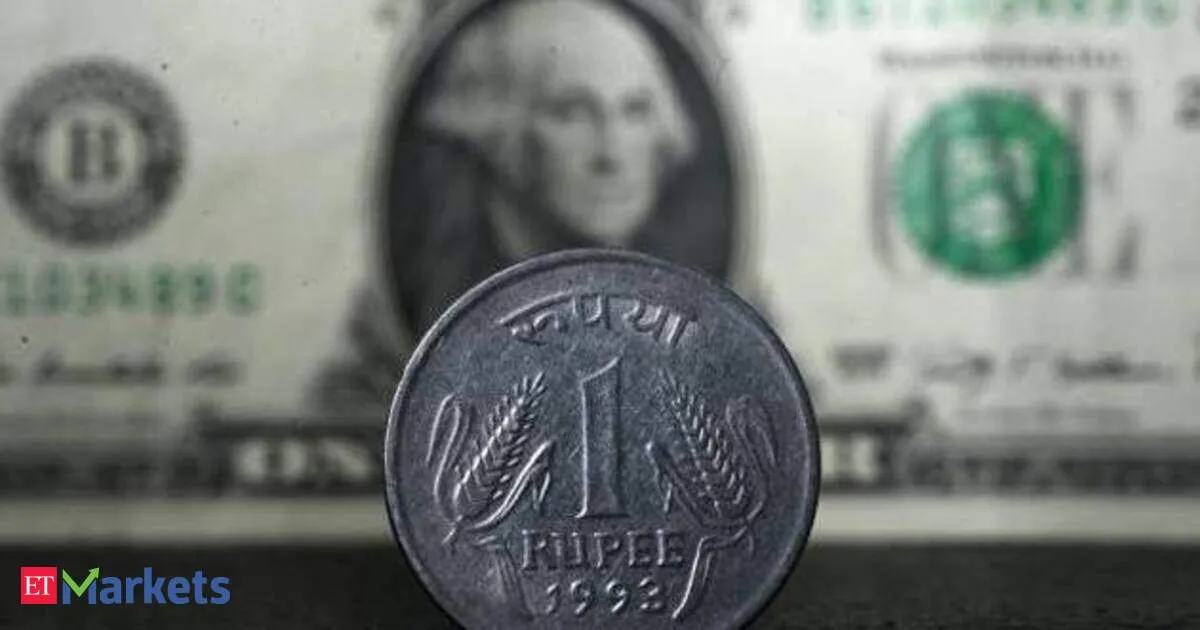
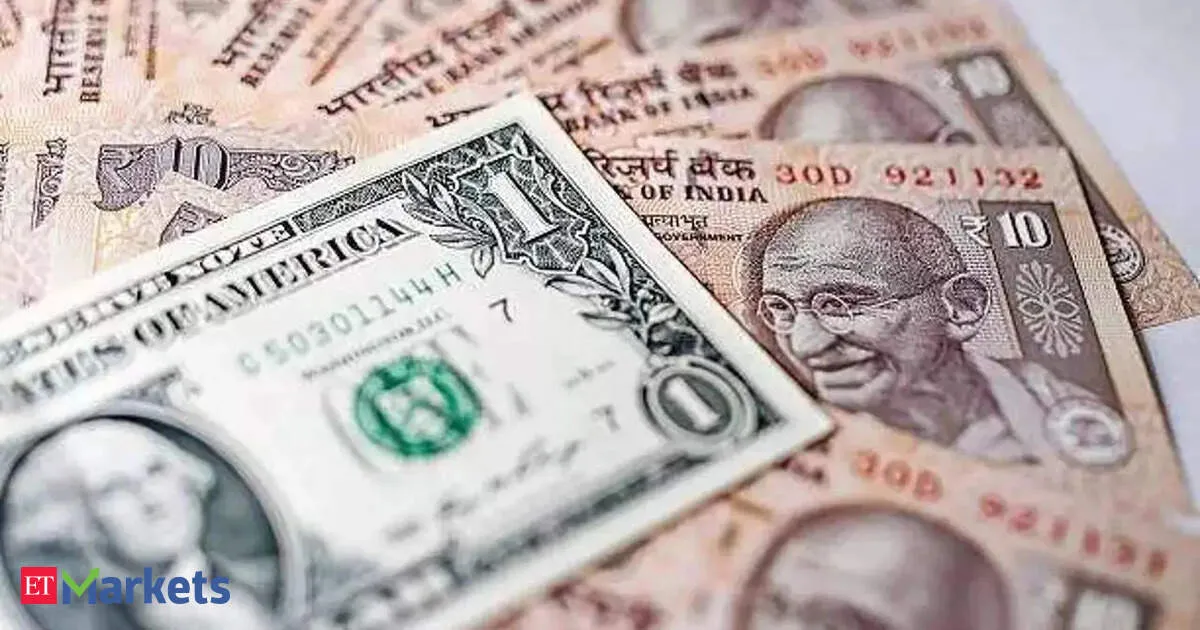
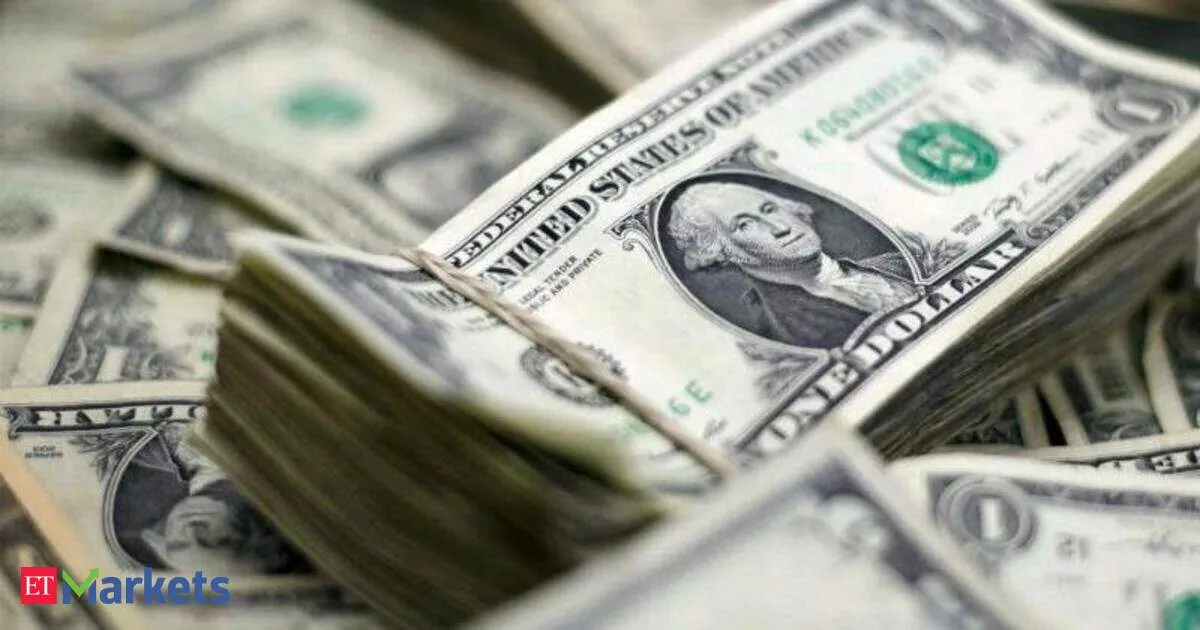
The Indian rupee breached 96 per US dollar for the first time as crude prices neared $110 a barrel, then recovered to close at 95.96 after RBI intervention late in the session. Analysts link the fall to persistent external pressure from the Russia Ukraine and West Asia conflict-driven energy costs and a widening need for long-term dollar inflows. Policymakers are discussing measures to attract direct FX, including step-by-step actions over the next 2-3 months, plus recent import duty hikes on bullion.
The Indian rupee slid to record lows, dipping below the crucial 96 level in intraday trade and weakening to 96.05 per US dollar, after briefly touching a fresh trough near 96.14. Analysts pointed to a mix of forces: higher Brent crude prices, a firmer US dollar, and hawkish signals from American policy makers. Persistent foreign capital outflows and soft net FDI inflows weighed on the balance of payments even as exports rose in April.
Your news, in seconds
Get the Beige app — every story in 60 words, updated hourly. Free on iOS & Android.
The Indian rupee weakened on Friday, edging close to its record low as oil stayed above $100 a barrel and US bond yields climbed. It fell 0.2% to 95.94, near the 95.9575 record hit the prior session, but state-run banks’ dollar sales helped prevent a deeper slide. Brent rose above $107 after fresh Iran-related uncertainty. India also raised petrol and diesel prices by more than 3% for the first time in four years, while markets priced about 90 bps of potential hikes, alongside expectations of Fed tightening.
The Indian rupee hovered near 96 per US dollar in a volatile Thursday session driven by persistent foreign fund outflows, oil-fueled inflation, and worsening balance of payments concerns. It hit a record intraday low of 95.96, then partially rebounded after reported central bank intervention via dollar sales. The rupee still closed weaker at 95.76, and dealers linked momentum to a Bloomberg report suggesting potential tax reductions for foreign investors in Indian bonds, which may impact longer-term inflows.
China’s yuan climbed to a three-year high against the dollar as investors digested the lead-up to the Trump-Xi summit. Equities pulled back on profit-taking, while attention tilted to AI progress. Despite hopes for stability and a possible managed trade approach on non-sensitive goods, expectations remain low for major trade breakthroughs.
The rupee is inching toward Rs 100 per dollar as crude oil prices rise and foreign investors pull back. The slide can lift imported inflation, making RBI decisions harder while pressuring some sectors more than others. Market watchers say investors should tilt toward businesses with strong pricing power and steadier earnings as currency swings continue.
Never miss a story
Set alerts for the topics and sources you care about. Download Beige for free.
The Indian rupee weakened to a new all-time low for the third straight day as crude oil prices surged and dollar demand rose. Even with steps aimed at cutting gold imports, the currency slid sharply, reflecting broad pressure on FX markets. Traders expect more volatility, with the Reserve Bank of India likely to intervene to limit further losses.
The Reserve Bank of India has relaxed rules for non bank entities that facilitate outward remittances. RBI prior approval is no longer required for their tie ups. Going forward, authorized dealer banks will handle compliance and customer verification, while customers should get clearer disclosures on forex rates, total costs, and expected credit timelines.
The Indian rupee fell to a record low, slipping to about 95.74 per US dollar as overseas debt repayments and importer hedging continued to drain demand for the domestic currency. The move wiped out any potential support from higher gold import duties, with persistent outflows keeping pressure on forex markets despite brief relief hopes.
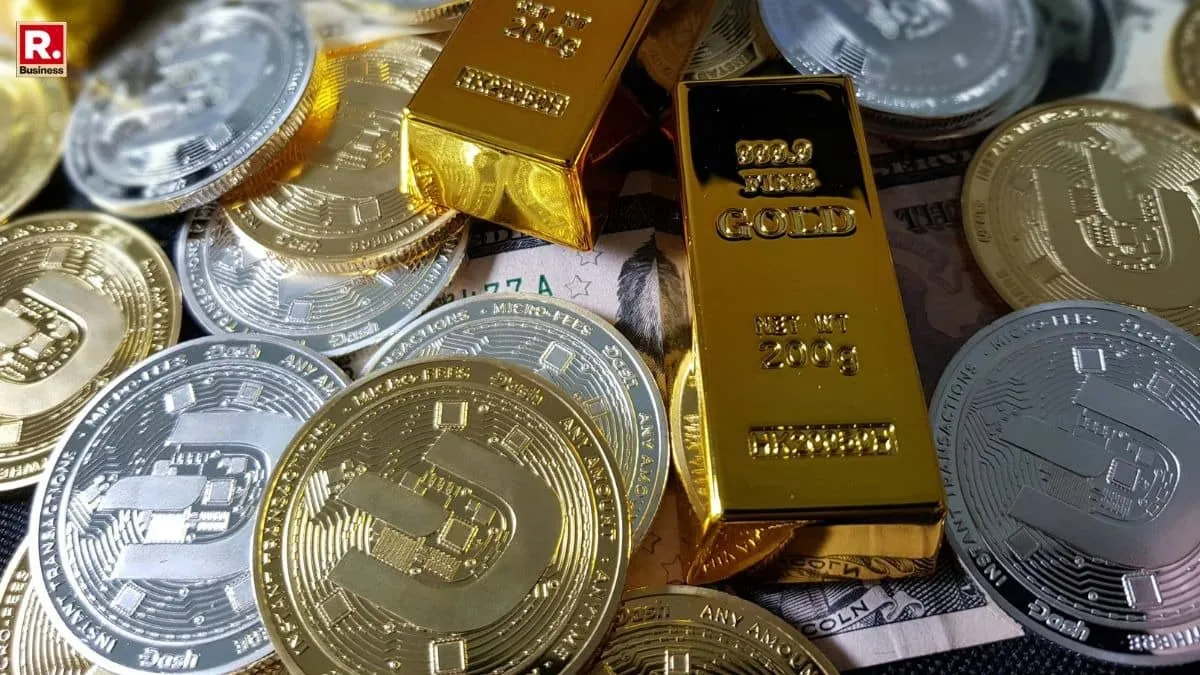
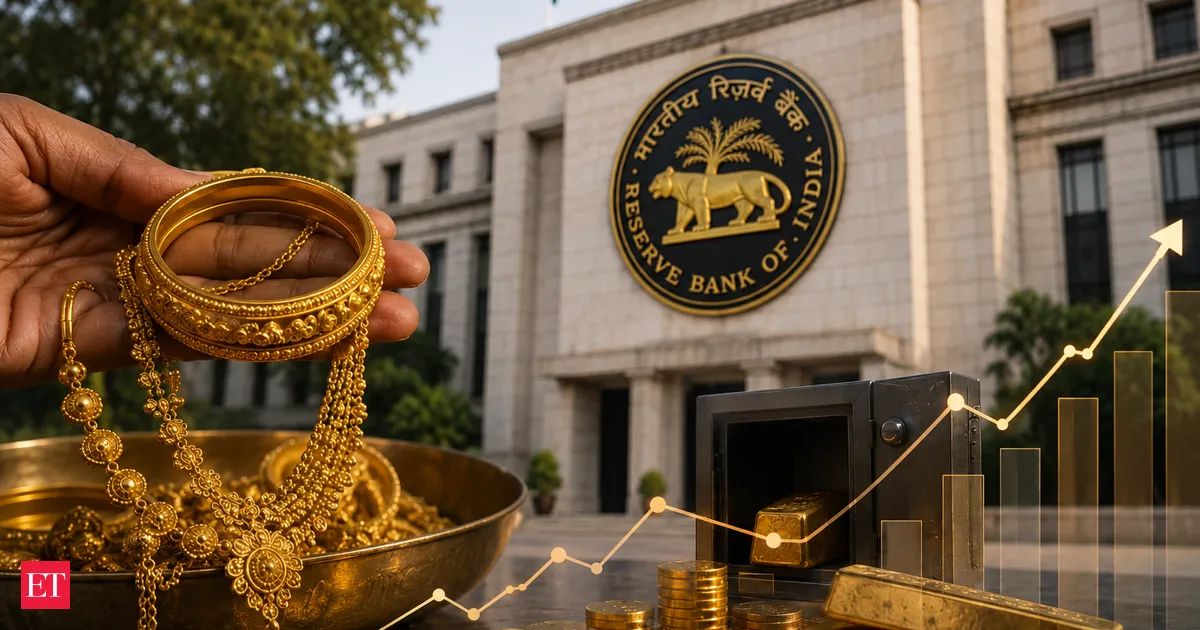
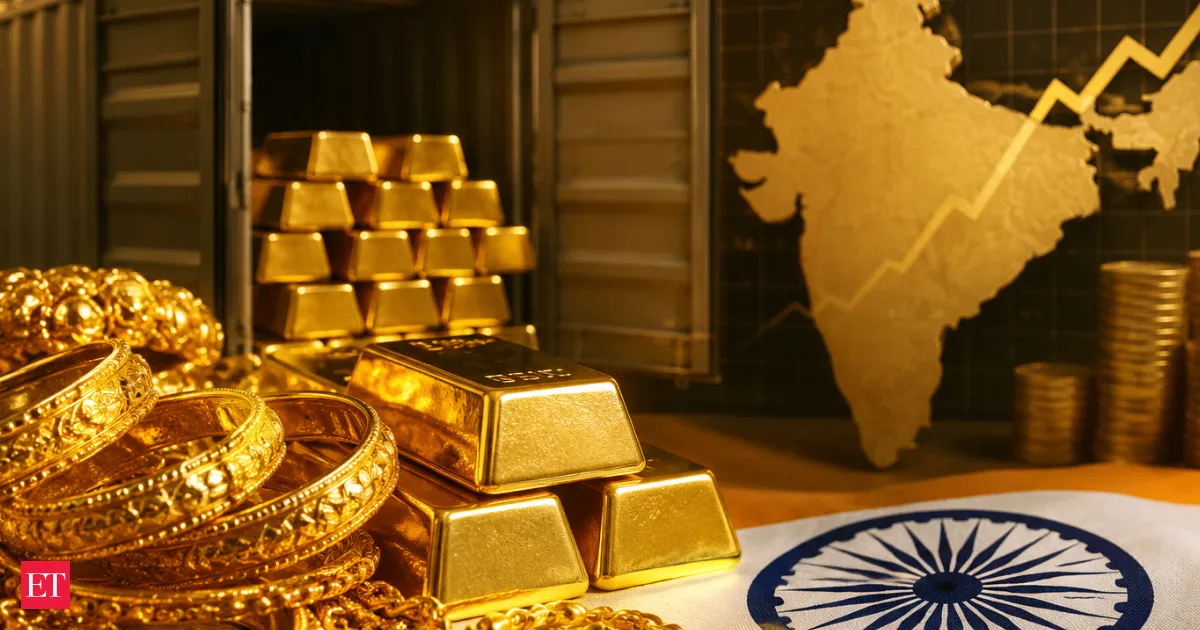
India has sharply increased customs duties on precious metals including gold, silver and platinum to 15%, citing the need to conserve foreign exchange and protect the economy amid the ongoing West Asia crisis. The move, attributed to Finance Ministry sources, aims to curb import pressure as global uncertainty deepens and financial risks rise.
Reading on mobile?
Open Beige in the app for a smoother experience — free on iOS and Android.
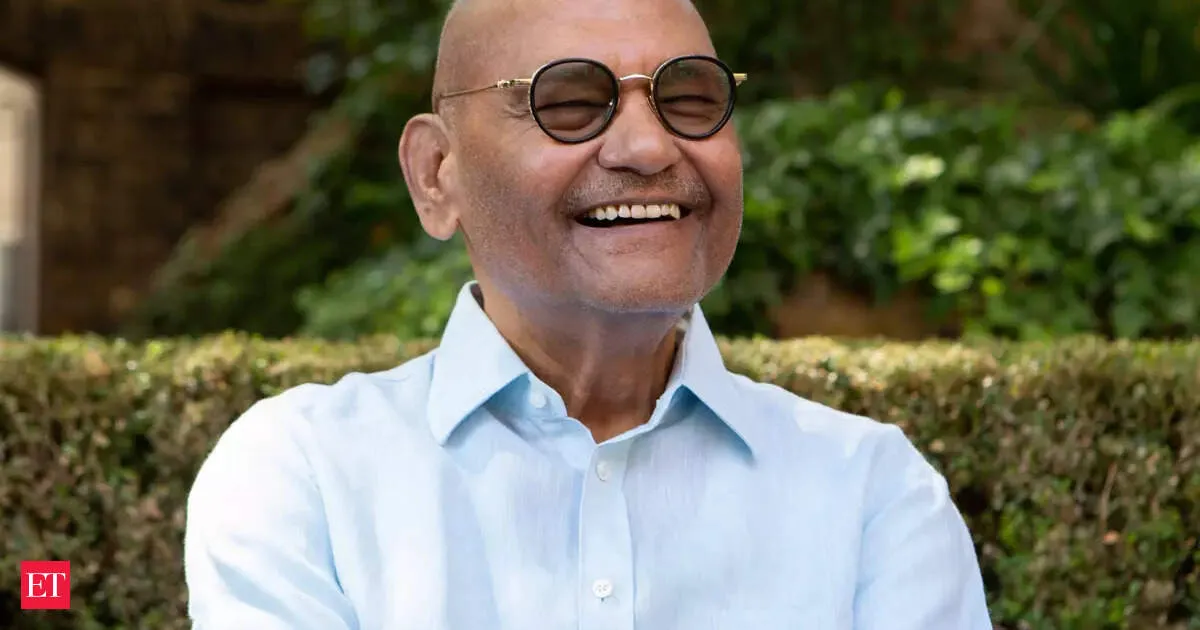
Vedanta Chairman Anil Agarwal has backed Prime Minister Narendra Modi’s call to conserve foreign exchange by accelerating mining reforms. He argues quicker clearances, privatization of processes and self-certification could unlock output from existing assets, reducing reliance on imports for resources like oil and gold. Agarwal points to Vedanta’s Hindustan Zinc experience as proof such changes can work.
The rupee has extended its slump as oil prices surge, dragging down currencies across oil-importing economies. Brent crude has jumped nearly 50% since the Iran war began, raising import costs and worsening outflow pressure. The Philippine peso and Indonesia’s rupiah are also under strain, with the rupiah hitting a record low, as traders watch for central bank action.
Even as Prime Minister Narendra Modi urges people not to buy gold, India’s gems and jewellery sector is asking the government to strengthen the Gold Monetisation Scheme. Industry bodies argue that mobilising idle gold from homes and recycling it can help address foreign exchange pressures, while avoiding the livelihood risks they say come from deferring gold purchases.
The Nifty IT index fell sharply on Tuesday, dropping 3.58% to around 28,358 points, as the Indian rupee slid to an all-time low of 95.32 against the dollar. Foreign fund outflows and a jump in global crude prices to about $105 fueled margin fears, pulling down major names like TCS and Infosys during mid-day trade.
Follow your favourite sources
Track sources, tags and categories — all in the Beige app.
With India’s forex under pressure, jewellers and goldsmiths say the answer is not sacrifice but restructuring. The All India Jewellers and Goldsmith Federation propose a dedicated bullion bank and improved gold monetisation schemes, aiming to cut annual gold import dependence by 200 to 300 tonnes and reduce the widening trade and current account deficits driven by price surges.
The U.S. dollar steadied as fears of renewed Middle East conflict pushed investors toward safety while oil prices climbed. Traders are watching for inflation pressures that could delay potential interest rate cuts. With diplomacy showing limited progress, markets are waiting on key U.S. inflation data and developments around President Trump’s China visit.
India’s stocks fell after PM Narendra Modi asked citizens to delay gold purchases and foreign travel, a rare direct appeal that analysts say is aimed at “economic self-defense.” Experts argue it can act as a buffer for forex by reducing demand for imports linked to gold and foreign spending. Rather than signaling weakness, they frame it as preventive macro-management during a correction.
The Indian rupee is weakening broadly across global currencies, falling as much as 25 percent in a year against nine major peers, not only the US dollar. Analysts link the slide to rising oil prices that pressure inflows and to foreign investor outflows. Further rupee volatility is expected, shaped by crude moves and geopolitical risks.
Stay informed on the go
Bite-sized news from 100+ trusted sources, right in your pocket.
The RBI is widely believed to have intervened in the foreign exchange market to limit the rupee’s fall after it slid to around 94.9650 per US dollar. Traders point to renewed oil price strength and rising Middle East conflict worries, which are worsening the economic outlook and spilling over into stocks and bond yields.
The dollar climbed against major currencies early Monday as strong US jobs data and renewed Iran US tensions increased demand for safe-haven assets. Oil prices also rose amid the geopolitical backdrop. Meanwhile, China’s export growth accelerated in April, adding complexity to global trade signals. Trump and Xi are expected to discuss key issues later this week, adding further market uncertainty.
Swipe through stories, personalise your feed, and save articles for later — all on the app.