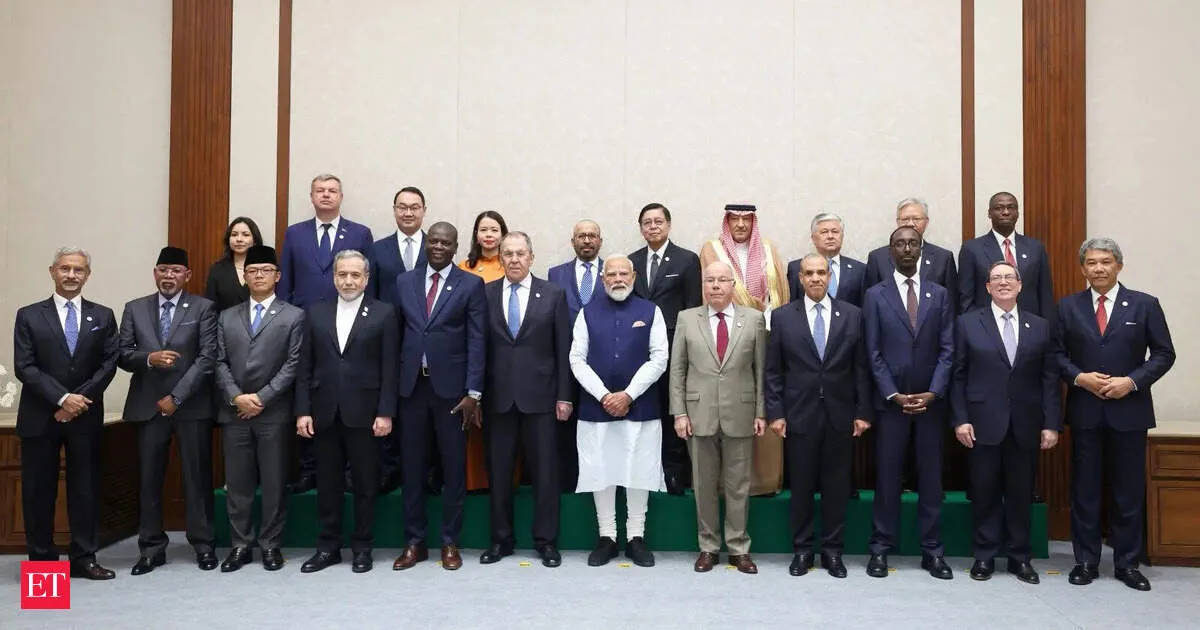
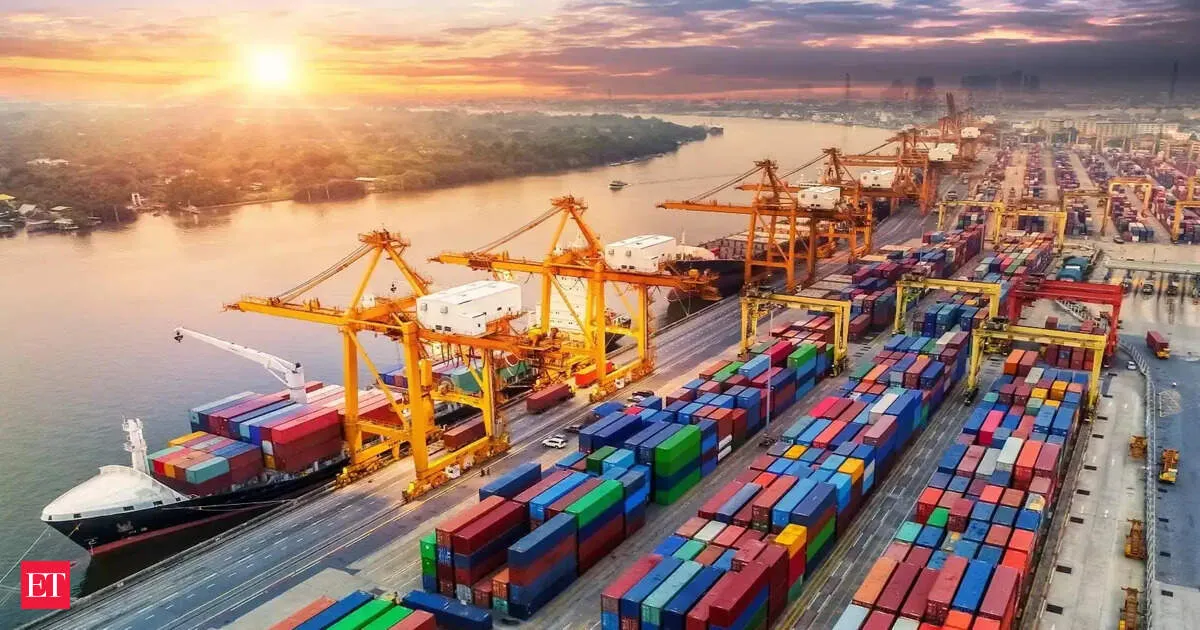
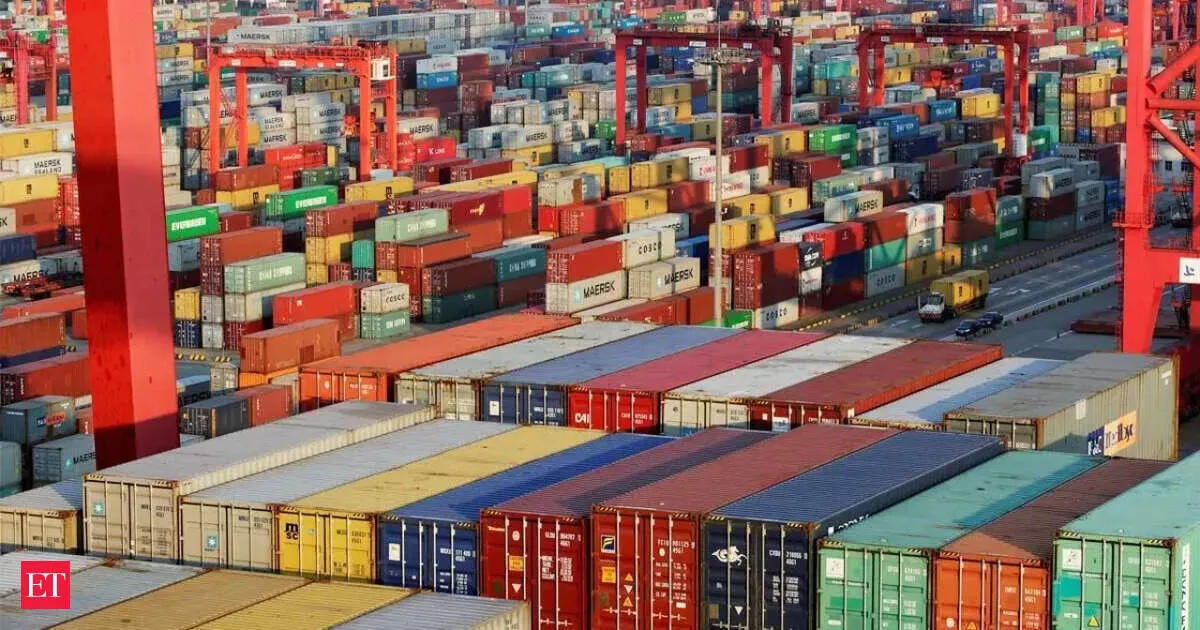
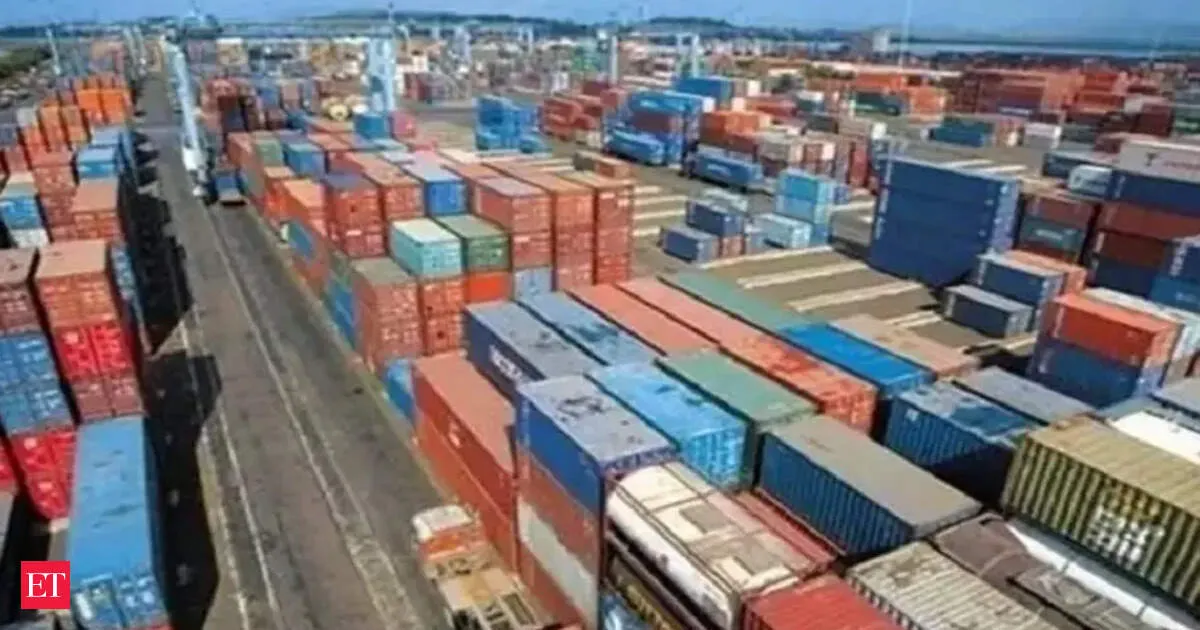
India’s trade with the expanded BRICS bloc climbed to about $416 billion in 2025, but the goods trade deficit widened sharply, nearly doubling from $117 billion in 2021 to $224 billion in 2025. Imports from BRICS rose at roughly 12% CAGR while exports grew only about 3%, with Russia a major source boosted by crude oil. Ahead of the BRICS Foreign Ministers’ Meeting, India faces a policy test: reduce import dependence and expand outbound shipments.
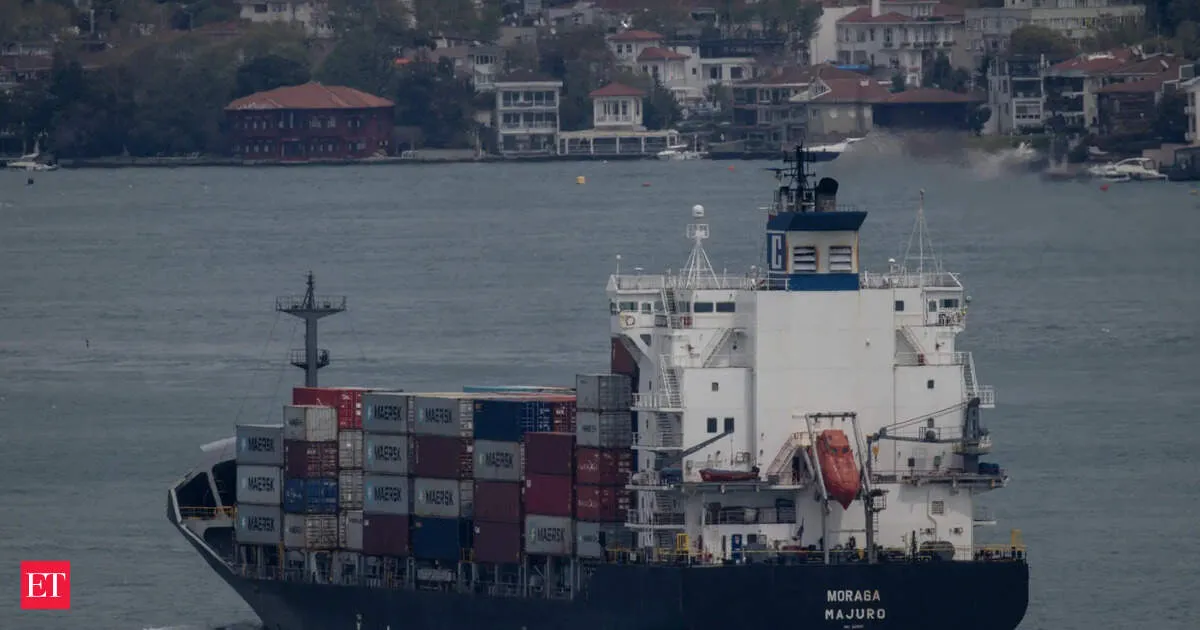
India’s merchandise exports and imports with West Asia fell more than 28% in April, the second straight monthly contraction, as ship movements were severely disrupted by the US-Israel-Iran conflict. Exports to the region dropped 28% to $4.16 billion and imports fell 31.64% to $10.47 billion. Trade with the UAE and parts of Saudi Arabia weakened, while Oman imports surged. The Strait of Hormuz restrictions are throttling a key route, threatening sectors like gems, engineering, electronics, and oil-linked supplies.
Your news, in seconds
Get the Beige app — every story in 60 words, updated hourly. Free on iOS & Android.
DGFT has tightened rules for duty free gold imports used by gems and jewellery exporters. The update caps imports at 100 kg per licence, requires mandatory facility inspections for new applicants, and demands existing exporters meet 50% of past export obligations. Exporters will also have to submit fortnightly performance reports, boosting government monitoring of compliance.
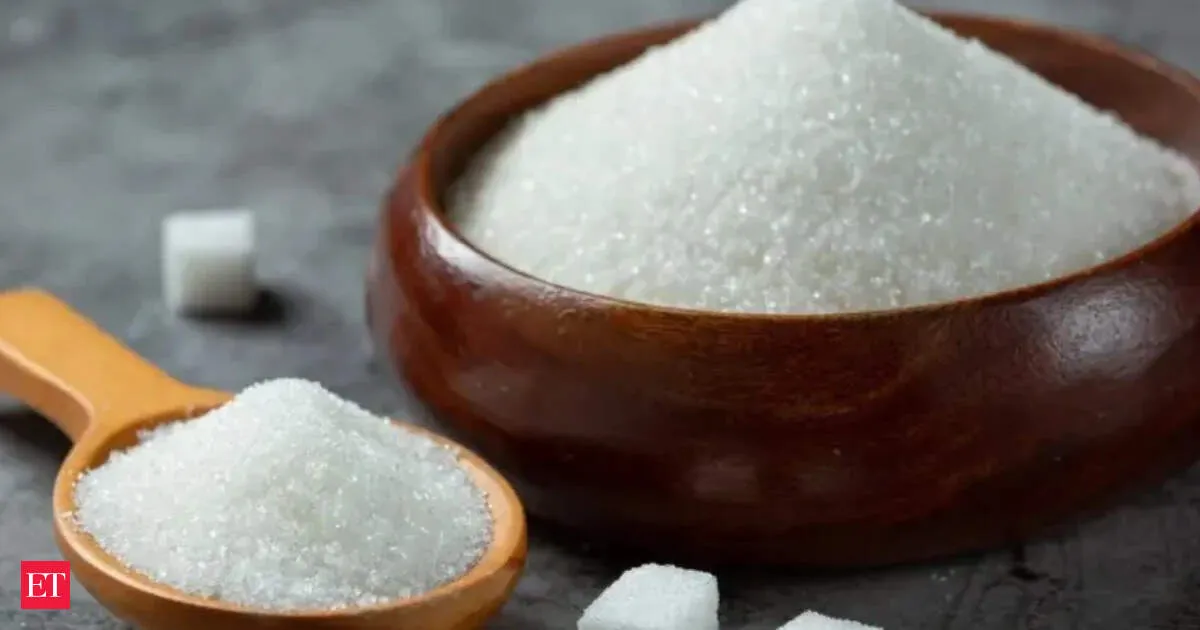
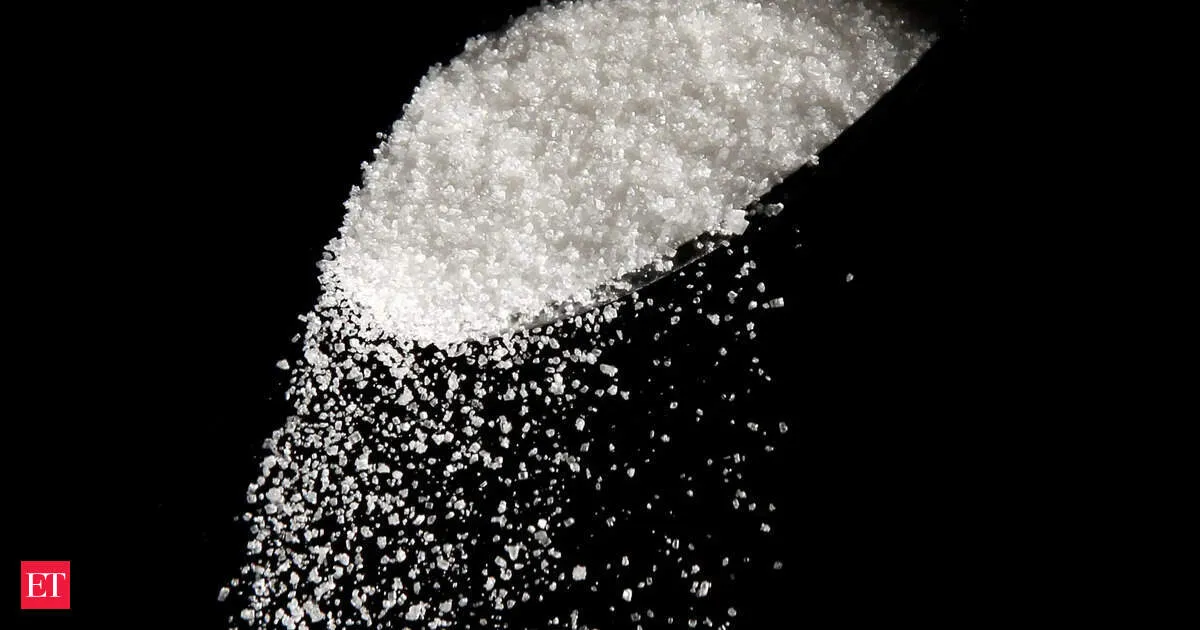
India has banned sugar exports until September 2026, aiming to cool domestic prices as local production lags behind consumption. The curbs are expected to ripple through global sugar markets, potentially easing pressure for major exporters like Brazil and Thailand. Traders with existing contracts face uncertainty, though shipments already in the pipeline may continue under defined conditions.
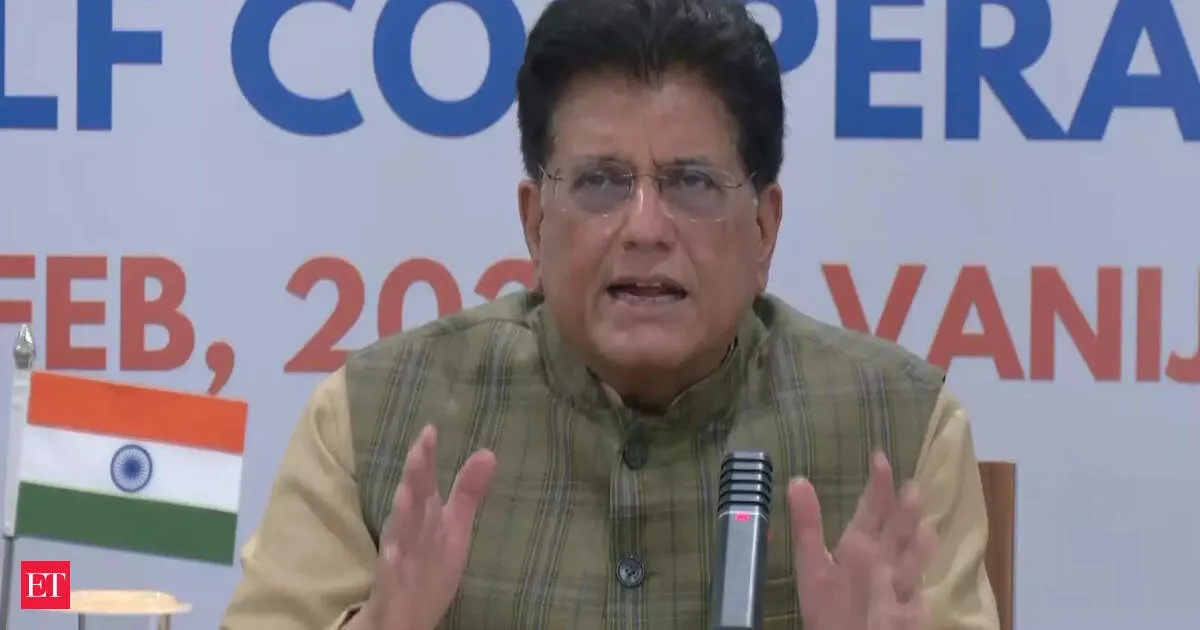
India is aiming for USD 1 trillion in exports this fiscal year, building on last year’s USD 863.11 billion performance. Piyush Goyal says the government is pushing negotiations for Free Trade Agreements to boost growth, with several already in place and more expected. The ambitious target sets a high bar for faster trade expansion across sectors.
India is ramping up efforts to make free trade agreements work better for exporters and investors. Under Piyush Goyal, the commerce ministry plans to dispatch 500 delegations abroad and train 1,000 people to strengthen industry outreach, including engagement with 1,600 industry chambers. The focus is increasing exports, attracting investment, and meeting export targets.
Never miss a story
Set alerts for the topics and sources you care about. Download Beige for free.
India’s gold imports are rising fast, with policymakers pointing to intensified flows after the India UAE trade benefits. Prime Minister Modi has urged citizens to cut back on non essential gold purchases, arguing the country could become more vulnerable amid tough global conditions. The concern: what looks like a booming trade may be exposing India to supply and economic shocks.
Commerce Secretary Rajesh Agrawal has urged Indian industry to actively leverage newly signed free trade agreements, arguing they hold major trade and investment potential. He stressed that modern FTAs extend beyond tariff cuts, covering services and regulatory cooperation, which can build a more predictable environment for investors and improve business outcomes.
An India-bound urea shipment was cancelled after officials flagged potential links to Iran, a move that could worsen supply pressure for the world’s top fertilizer importer. The cargo aboard the bulk carrier Infinity was reportedly withdrawn by Aditya Birla Global Trading. With global urea prices rising, the scrapping adds fresh uncertainty for India’s fertilizer availability.
India has secured new opportunities for seafood exports by negotiating market access with the European Union, helping exporters navigate steep US tariff challenges. Officials say the government’s proactive push opens a large, steadier market for Indian producers. The move is expected to support export growth even as global uncertainty continues to disrupt trade flows.
Reading on mobile?
Open Beige in the app for a smoother experience — free on iOS and Android.
Oman’s Indian Ocean ports are emerging as a crucial route for Indian exporters supplying food to six GCC nations. With disruptions and risk concerns around the Strait of Hormuz, Indian shipments are increasingly moving through specialized facilities at Sohar and Salalah. These ports, supported by dedicated agricultural terminals and modern infrastructure, help keep Gulf food supply steady despite regional uncertainties.
India is urging early resolution of issues hampering implementation of its EFTA trade pact, with Commerce Secretary Rajesh Agrawal holding talks with Swiss officials. The push aims to smooth the India EFTA Trade and Economic Partnership Agreement, support market access, and build momentum as more Indian products gain traction in Switzerland.
India’s government is set to strengthen its export tax refund scheme by extending it for another five years and boosting funding. The move targets exporters hit by geopolitical strain linked to the Middle East crisis and rising shipping costs, aiming to keep trade flows resilient and help Indian companies compete globally despite higher logistical pressures.
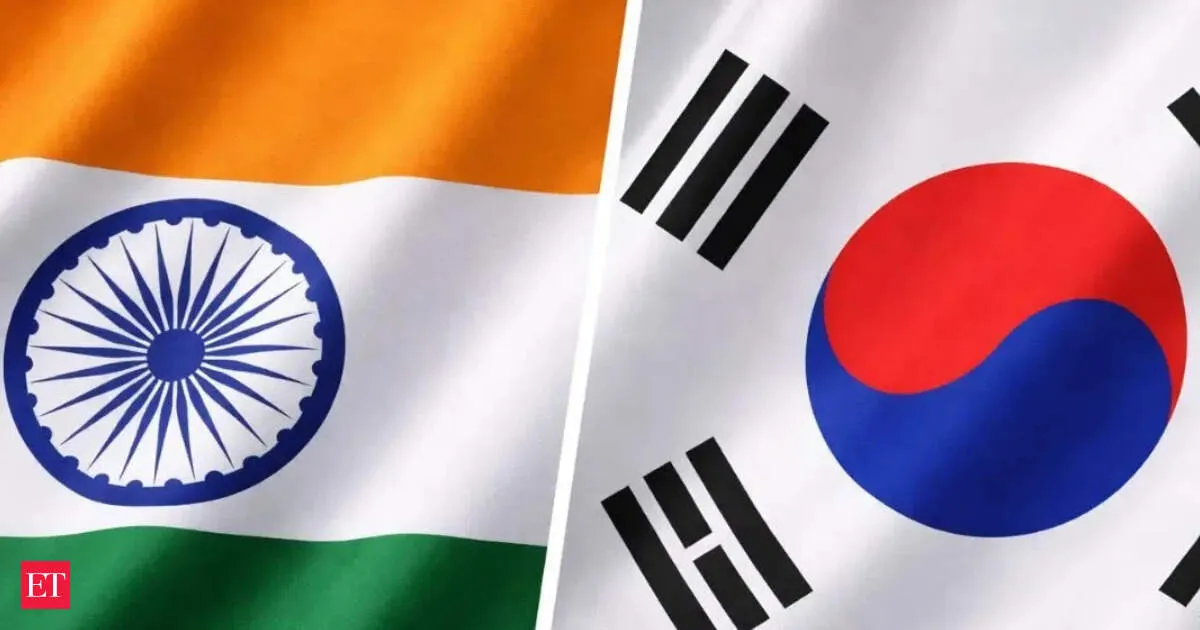
India and South Korea are set to meet on May 25 to review their economic partnership agreement amid a growing trade deficit. India has proposed negotiating a new bilateral trade deal to make trade more balanced and tackle the widening gap. Both sides also aim to double bilateral commerce by 2030, turning the review into a possible reset for negotiations.
Follow your favourite sources
Track sources, tags and categories — all in the Beige app.
India is not planning to restrict sugar exports for now even as weaker demand emerges. While output is expected to be lower, stable local prices suggest the demand slowdown is offsetting the supply gap. Government sources say available stocks are sufficient, and new export deals have slowed as firmer domestic prices meet global disruptions. Output is forecast to broadly match consumption in 2025-26.
India’s exports climbed 4.6% to an all-time high of $863.11 billion in FY26, even as global conditions stayed tough. Merchandise exports rose slightly, but the real momentum came from services, which hit a standout peak. The result points to a shift in export strength as service-led demand offsets slower global trade.
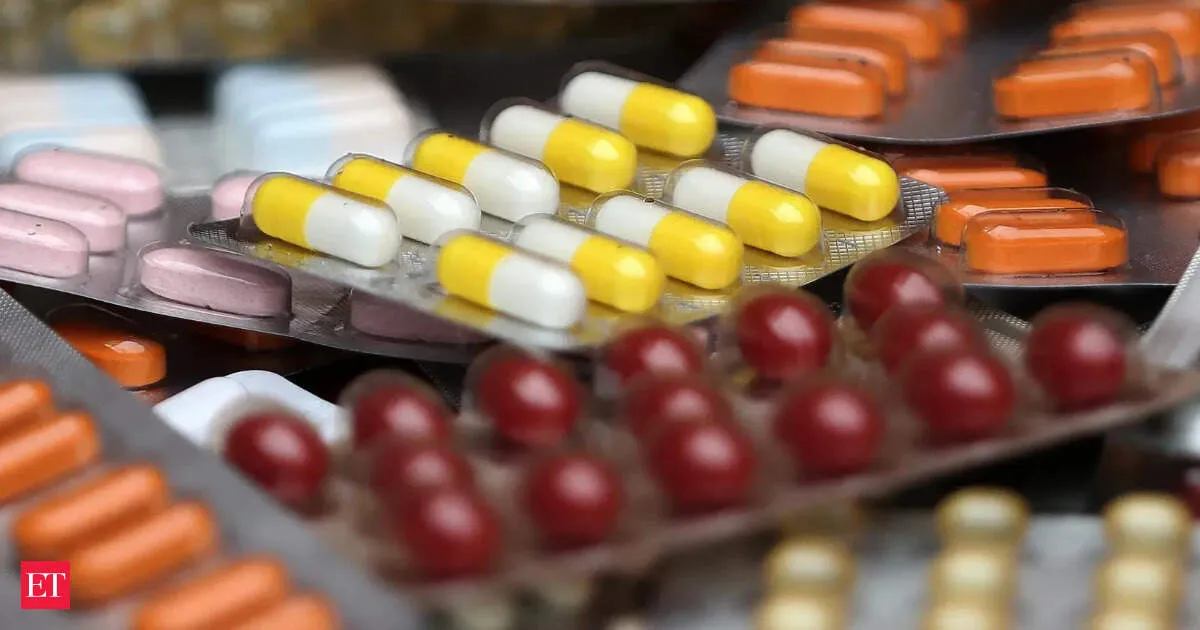
Indian pharmaceutical exports crossed $31 billion in FY26 despite global headwinds. But March deliveries fell 23%, largely linked to weaker demand from the United States and China. Growth held up in markets such as Africa and Oceania, and vaccines led the fastest expansion, signaling a shift in where India’s drug makers are finding momentum.
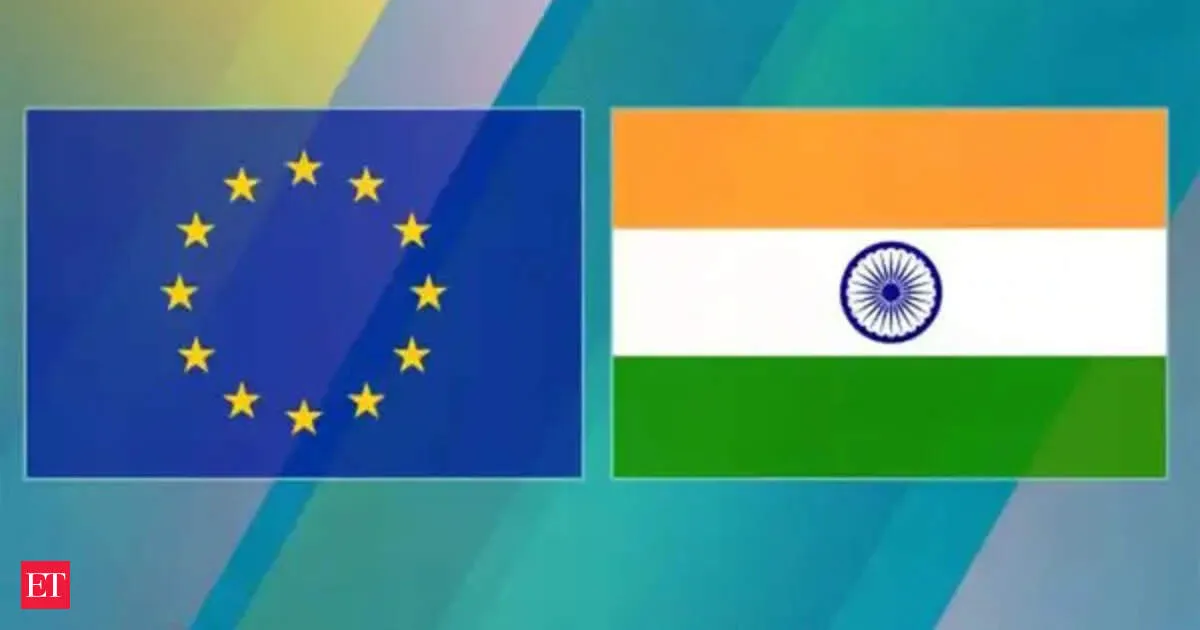
France is pressing India and the European Union to add enforceable, actionable provisions to their free trade agreement talks, focusing less on tariffs and more on non-tariff barriers. Minister Delegate Nicolas Forissier said the urgency is to tackle practical trade frictions so the agreement becomes a true win-win rather than just a paper deal for both sides.
Stay informed on the go
Bite-sized news from 100+ trusted sources, right in your pocket.
India and Ecuador are exploring a preferential trade agreement as they broaden cooperation beyond traditional diplomacy. Talks also cover expanding collaboration in healthcare, agriculture, and digital technology, alongside Ecuador’s planned participation in global initiatives like the International Solar Alliance and the International Big Cat Alliance. India will offer grant support for development projects, while discussions extend to pharmaceuticals and critical mineral supply chains.
India is in discussions with Nepal and other SAARC nations to explore ethanol exports, aiming to boost the rural economy and support farmers. The move also ties into higher ethanol blending targets that could translate into large foreign exchange savings. Meanwhile, the government is working with auto makers to introduce flex-fuel vehicles, with adoption hinging on consumer awareness and competitive pricing.
Swipe through stories, personalise your feed, and save articles for later — all on the app.