SEBI and the Central Board of Direct Taxes (CBDT) have relaxed PAN-related onboarding rules for foreign portfolio investors after complaints that the revamped Income-tax Rules and March PAN forms made compliance overly complex across jurisdictions. The updates simplify documentation, contact disclosures and taxpayer identification fields. CBDT clarified that the authorised signatory name in the common application form is enough, liability is limited to PAN application, and optional fallbacks like using FPI registration number or “0000000000” for missing TINs are allowed.
The Indian rupee hovered near 96 per US dollar in a volatile Thursday session driven by persistent foreign fund outflows, oil-fueled inflation, and worsening balance of payments concerns. It hit a record intraday low of 95.96, then partially rebounded after reported central bank intervention via dollar sales. The rupee still closed weaker at 95.76, and dealers linked momentum to a Bloomberg report suggesting potential tax reductions for foreign investors in Indian bonds, which may impact longer-term inflows.
Your news, in seconds
Get the Beige app — every story in 60 words, updated hourly. Free on iOS & Android.
India’s share of global market capitalization has fallen under 3%, pressured by a prolonged bearish run and heavy foreign portfolio investor outflows. Even with the slide, the country remains fifth globally with a market cap of about $4.9 trillion. However, Taiwan and South Korea are closing the gap quickly, signaling faster shifts in global investor preference.
The Indian rupee hit a fresh record low of 95.32 against the US dollar in early Tuesday trade, after opening at 95.10. The slide is being driven by a jump in global Brent crude prices, now above $105 per barrel, alongside continued selling by foreign portfolio investors. Rising energy costs are adding fresh pressure on the currency.
Markets are staying elevated as investors lean more on AI-driven growth and strong corporate earnings than on geopolitical tensions, according to Mark Matthews. He points to unusually strong tech results as a key support for recent highs, even with Middle East uncertainty. Matthews also flags India as attractive thanks to improving valuations and ongoing FII buying.
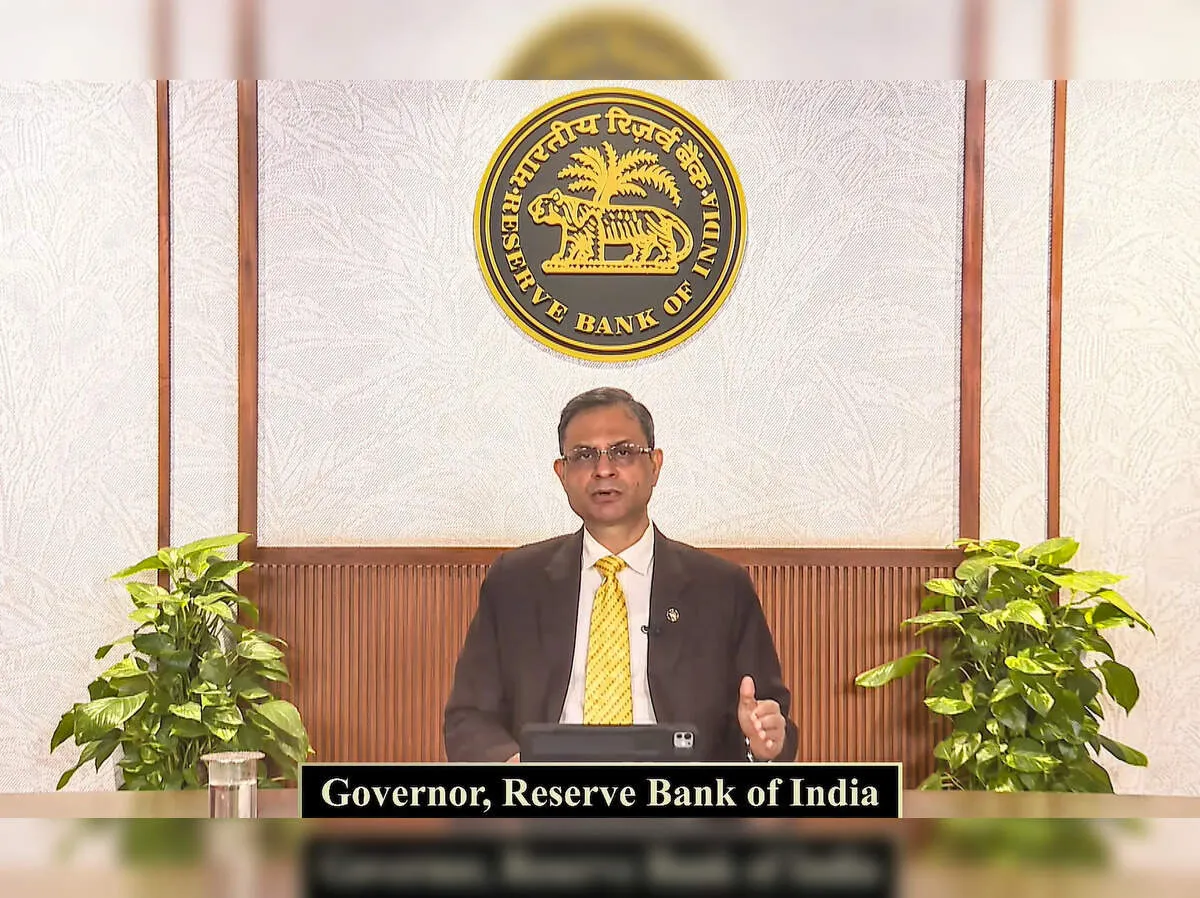
RBI has revised norms allowing non-residents to invest in corporate debt through special rupee vostro accounts (SRVAs). Introduced in July 2022 to settle international trade in rupees, the SRVA route is now set to boost participation in India’s corporate bond market. Such investments will count under FPIs’ General Route limits, but minimum residual maturity and issue-wise caps won’t apply.
Never miss a story
Set alerts for the topics and sources you care about. Download Beige for free.
Swipe through stories, personalise your feed, and save articles for later — all on the app.