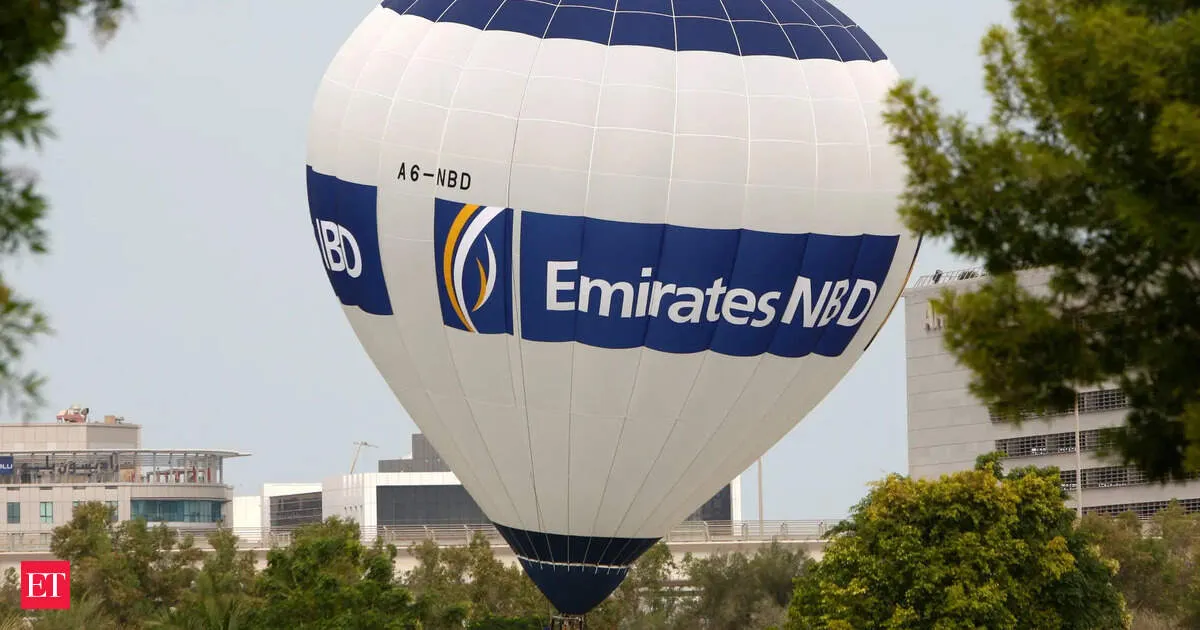
Emirates NBD has received all required approvals, including from the Government of India, to acquire a majority controlling stake in RBL Bank. First announced on October 18, 2025, the deal involves Emirates NBD subscribing to about 959 million fully paid equity shares via a preferential issue at ₹280 each, totaling roughly $3 billion. The investment is expected to position Emirates NBD as promoter, with final ownership potentially ranging from 51% to 74% after foreign ownership limits and a mandatory open offer. RBL will operate as a foreign bank subsidiary, with Emirates NBD’s India branch operations in Mumbai, Chennai, and Gurugram potentially amalgamated subject to further clearances.
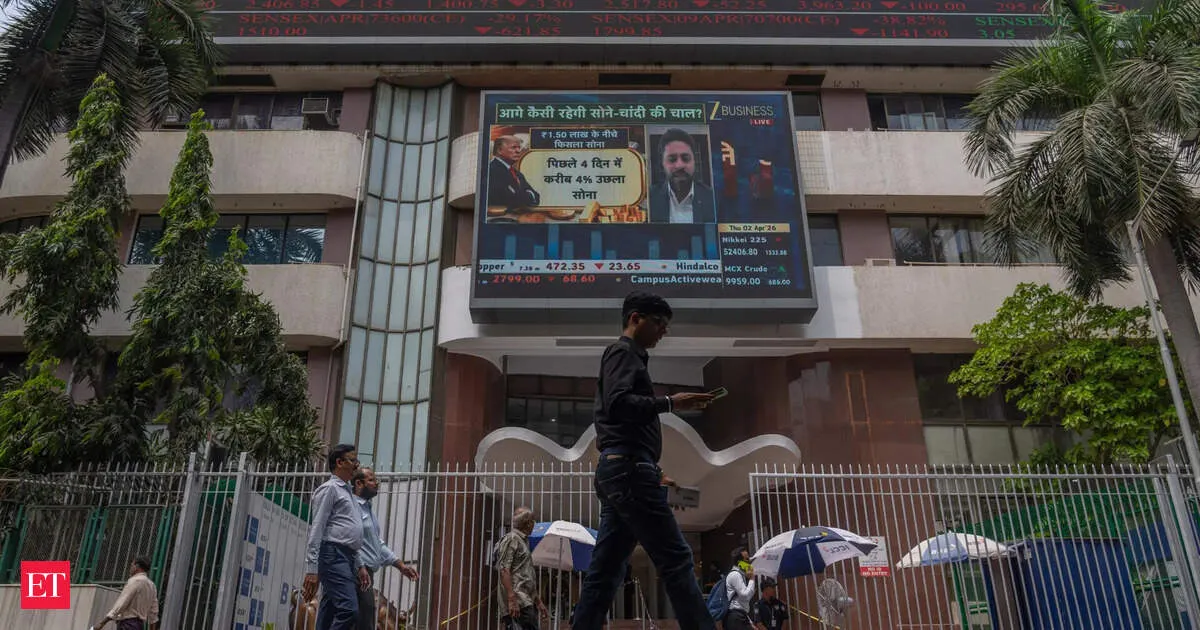
Despite a broader selloff, foreign institutional investors have doubled down on a select group of Indian companies, according to Q4 data. FIIs pulled out about $53 billion from Indian equities since late 2024, yet some stocks still drew heavy ownership. Le Travenues Technology, the parent of ixigo, led with 64.19% FII holding as of March 31, 2026. Urban Company and Paytm’s parent One 97 Communications also featured, alongside 360 One WAM, Redington, CarTrade Tech and others.
Your news, in seconds
Get the Beige app — every story in 60 words, updated hourly. Free on iOS & Android.
S&P Global Ratings says India is handling global financial pressures better than headlines suggest, arguing that worries about foreign investment outflows are overstated. The agency’s view comes as an Iran-war driven oil shock and record selling in local shares push the rupee to fresh lows. S&P notes India has enough reserves and fiscal room to absorb a wider current-account deficit linked to higher crude prices, while emphasizing gross inflows remain strong. It also points to repatriated profits as a key driver behind net outflows.
As India tries to contain the economic fallout from the West Asia conflict, the Prime Minister’s Office is coordinating across ministries to protect growth, inflation and the current account. Officials are mapping opportunities from the Iran-linked disruption while modeling the hit from soaring global oil prices under different price bands. Finance and commerce teams are considering easing FEMA, improving bilateral investment treaty terms, substituting select imports with domestic production, and tightening curbs on non-essential purchases like bullion and gems.
India is exploring lower taxes for foreign investors in its bond market, aiming to draw in longer-term capital and stabilize the rupee. The idea is to reduce currency-risk concerns that have kept foreigners away after selling equities. Success depends on how much tax relief is offered and the size of any investment limits.
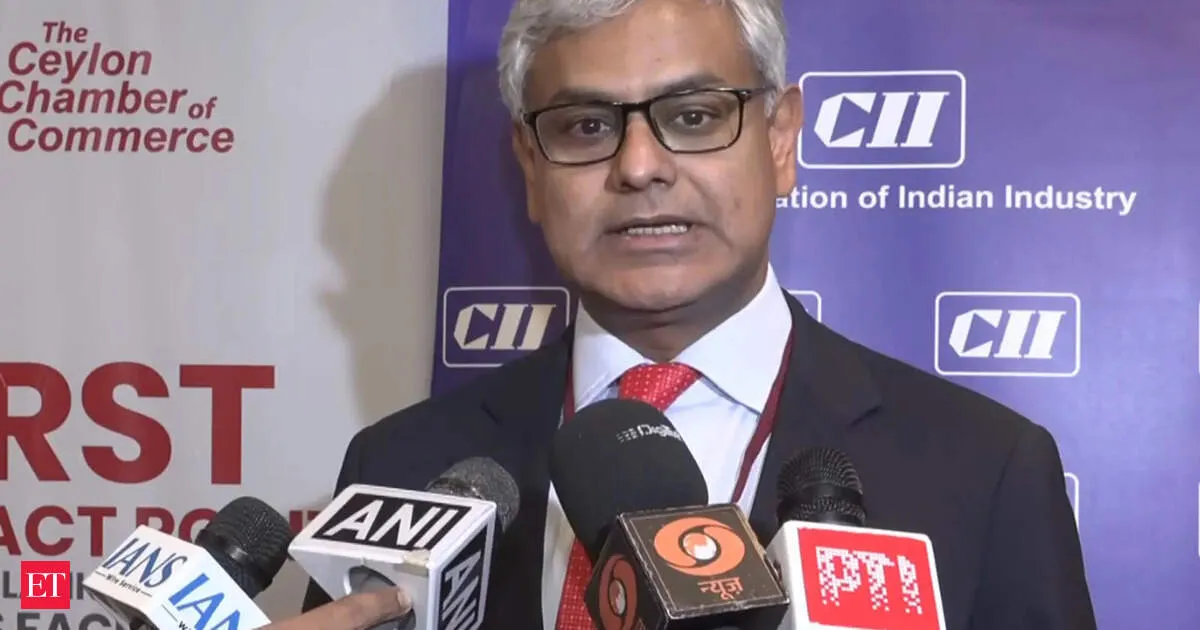
Sri Lanka is pushing to deepen trade ties with India, and the Ceylon Chamber of Commerce says momentum is building. With the island’s economy recovering and stabilising, Indian interest is concentrating in hospitality, ports, and logistics—areas seen as ripe for new partnerships. Regional cooperation is also being flagged as the lever to turn interest into lasting collaboration.
Never miss a story
Set alerts for the topics and sources you care about. Download Beige for free.
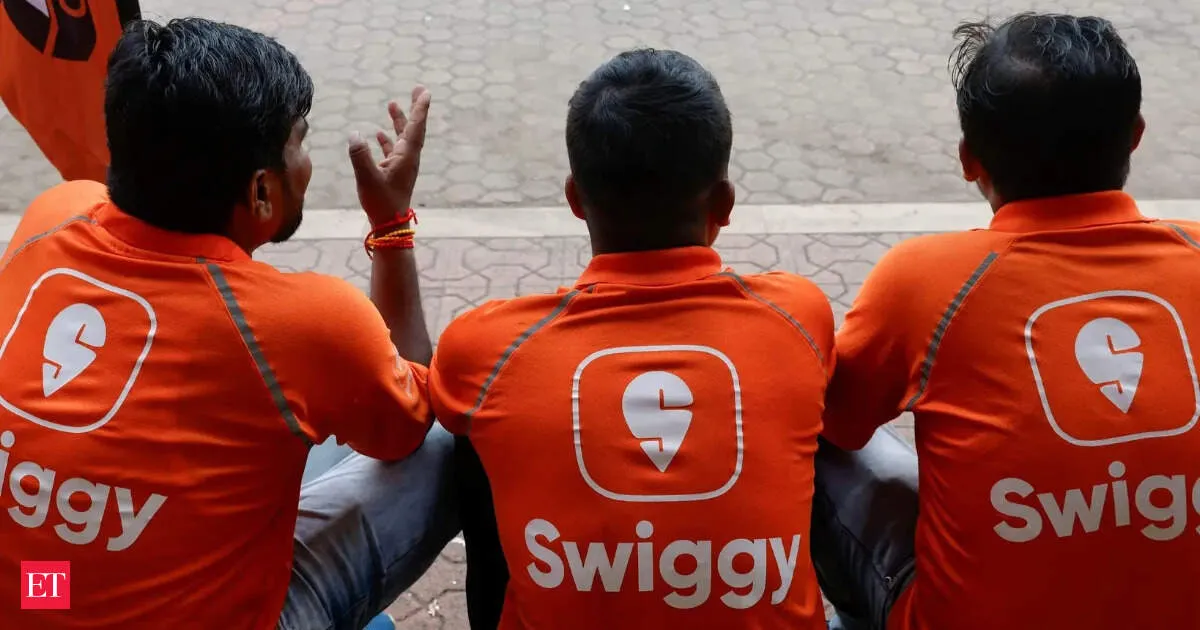
Swiggy is revamping its board structure to qualify as a wholly Indian concern under FEMA rules. The move is driven by stakeholder inquiries as the company manages foreign investment that accounts for roughly 60% of its shares. With India’s food delivery market fiercely competitive, the shift could give Swiggy greater autonomy and control in the next phase of growth.
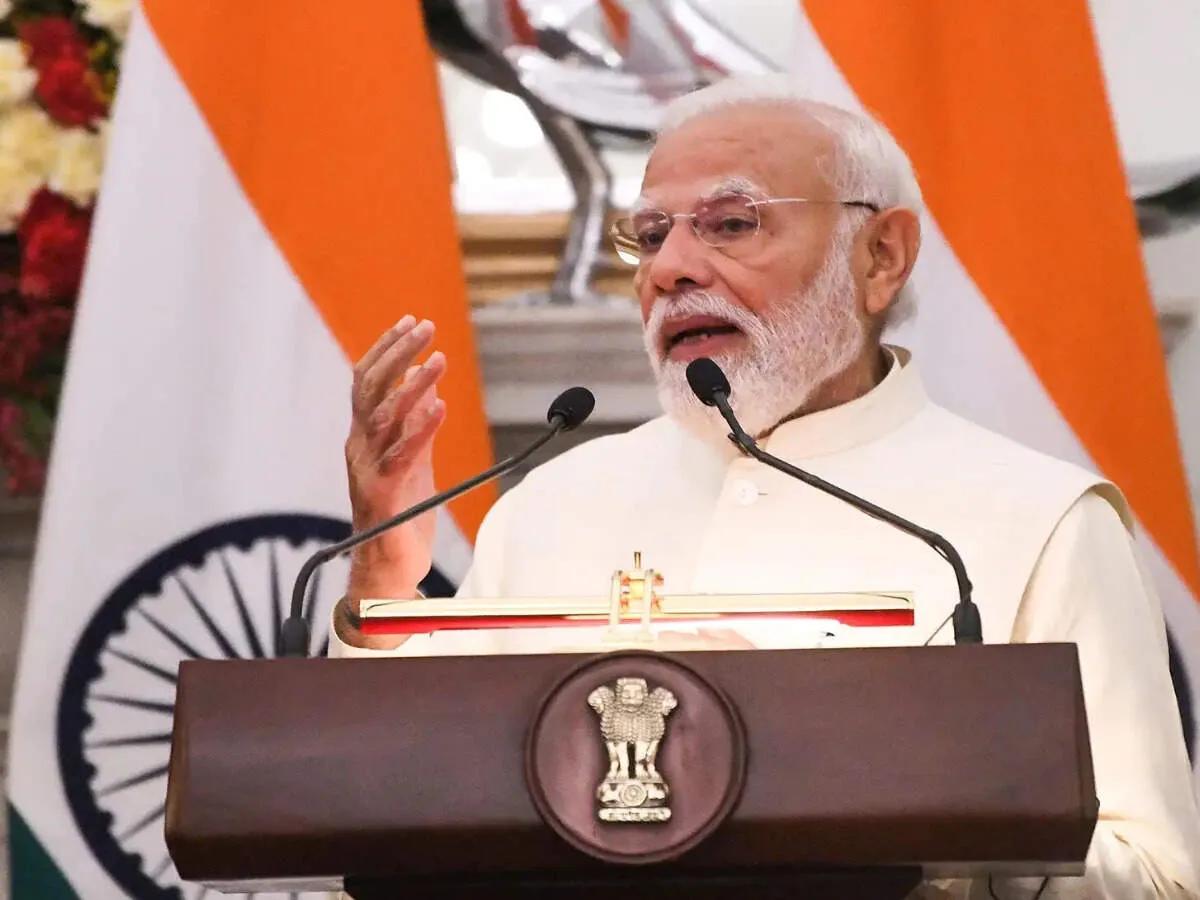
Narendra Modi’s government is confronting economic headwinds where urging less consumption of imported oil and gold may not be enough. Letting oil prices rise or allowing the rupee to weaken could cool demand but risks reigniting inflation. A potential path is fuel tax cuts to shield consumers, while foreign investment outflows may require deeper policy adjustments.
Kazakhstan has issued a fresh decree aimed at attracting international investors and highly skilled professionals. The policy introduces a Golden Visa scheme and reforms residency rules, shifting toward an incentive-driven approach to make the country more appealing for global talent and capital inflows. The move signals Kazakhstan’s push to strengthen its position in international migration and business.
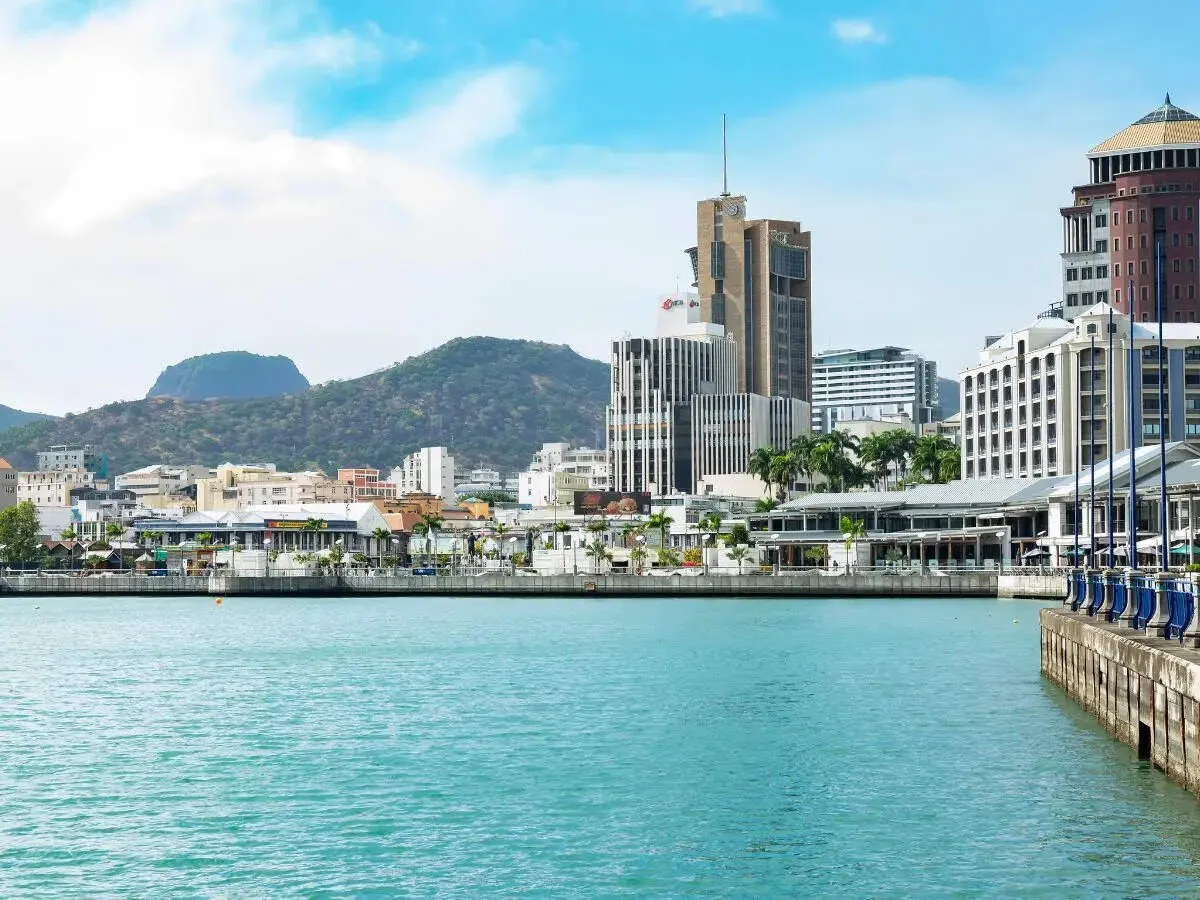
Mauritius is introducing a golden visa scheme targeting about 100 high net worth migrants each year. To qualify, applicants must invest at least $1 million, with the programme designed to pull in capital for sectors like technology and renewable energy. The government says it has a strong due diligence process to manage financial and security risks.
Reading on mobile?
Open Beige in the app for a smoother experience — free on iOS and Android.
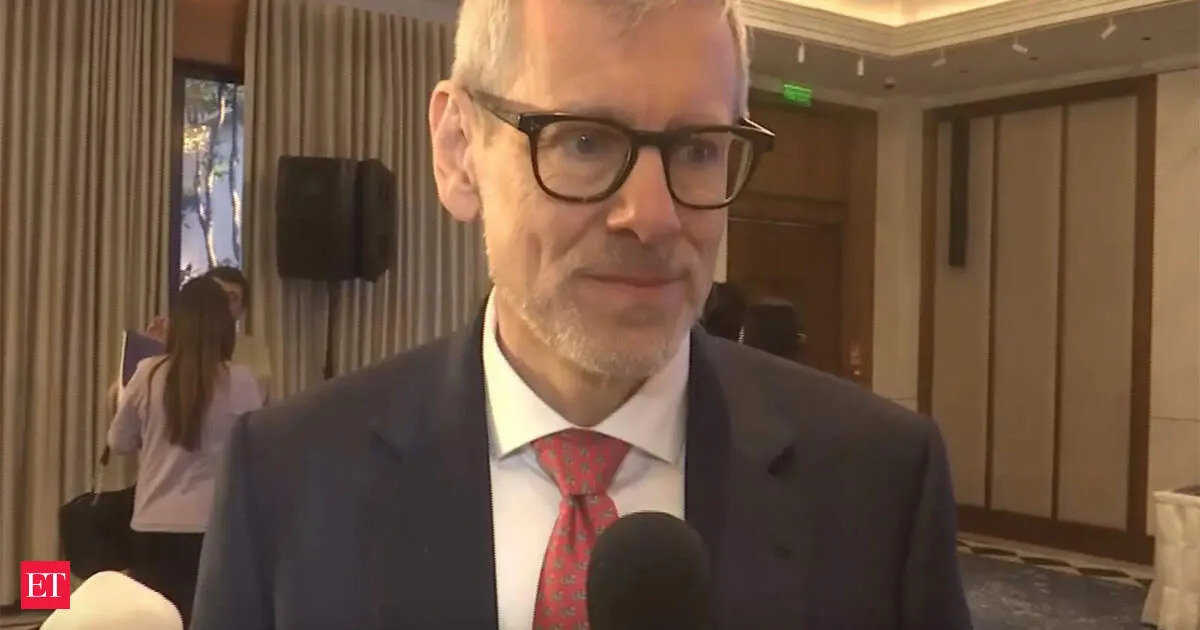
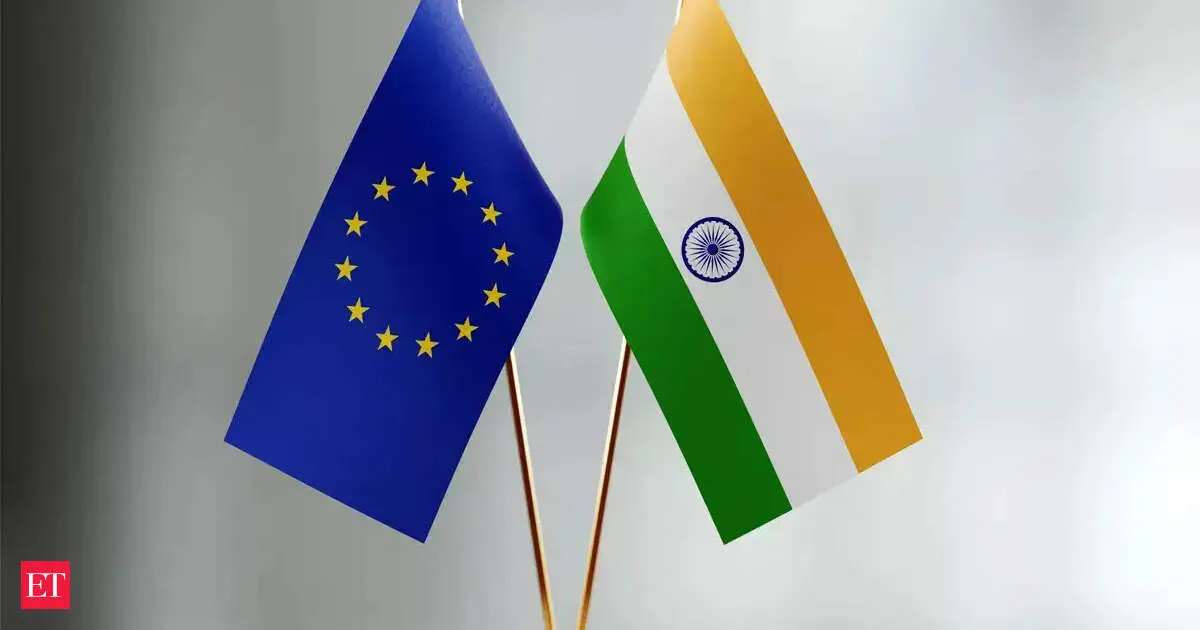
Airbus India Managing Director Jurgen Westermeier described the India EU Free Trade Agreement as a win win for both sides, urging its early ratification. He said the deal could deepen economic cooperation between two major democratic blocs, which account for a large share of global GDP and trade, potentially boosting business and market access across sectors.
The EU is pressing for an investment liberalisation chapter and an early investment protection pact as India-EU free trade agreement talks near the finish line. European Union Ambassador Herve Delphin said the move aims to shape investment access and safeguards before the FTA is fully finalized, with the broader deal expected to expand trade for both sides.
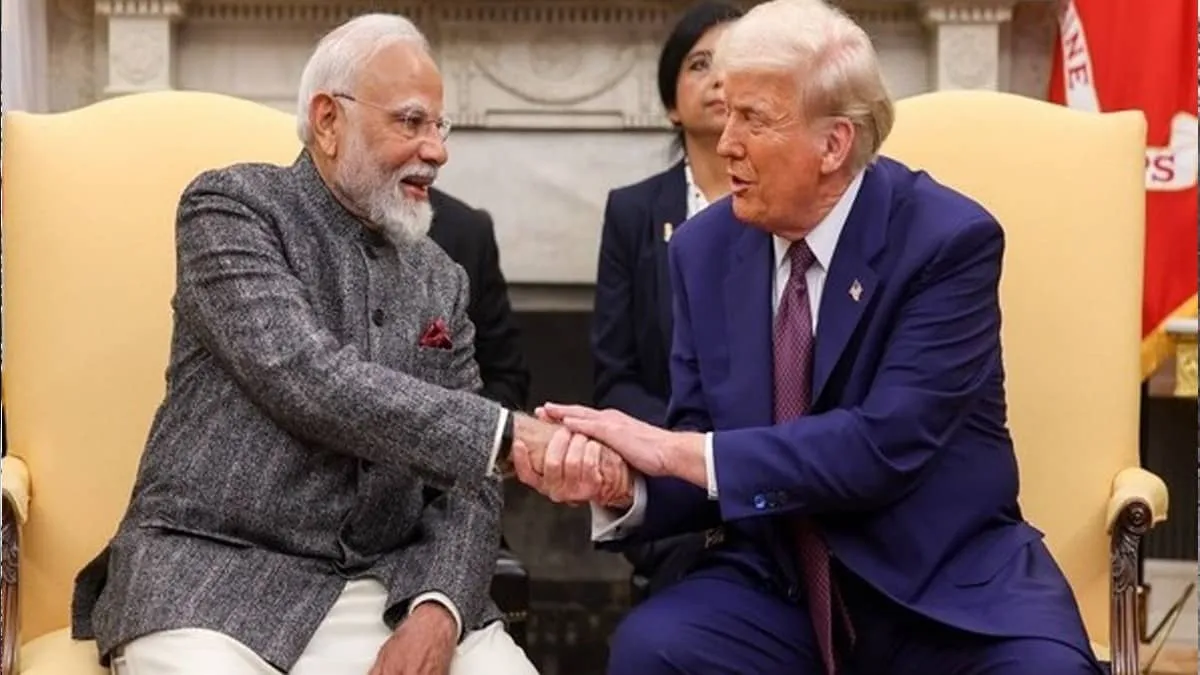
US Ambassador to India Sergio Gor says Indian companies are committing a record USD 20.5 billion to the American economy, framed as a turning point for bilateral trade. At the SelectUSA summit, 12 firms announced deals right away, spanning sectors from healthcare to high-end technology, under President Donald Trump’s push for investment and partnerships.
India’s FDI fast track has been updated with a new SOP covering 40 sub-sectors, including strategic areas like rare earths and PCB-linked activities. The government is also issuing reporting guidelines for investments in India where the investor has direct or indirect ownership connections to citizens or entities from countries sharing a land border with India.
Follow your favourite sources
Track sources, tags and categories — all in the Beige app.
Foreign companies from Japan, South Korea, and Taiwan are closely tracking developments in Tamil Nadu as a new government is set to be formed. While established firms are relatively steady, newer entrants are more cautious, prioritizing stable labour conditions and predictable policy. They are also looking for renewed incentives to strengthen electronics manufacturing and unlock fresh investment.
FCC Commissioner Anna Gomez, the lone Democratic member, is urging a rigorous national security review of foreign ownership tied to the proposed Paramount–Warner Bros. Discovery merger. She points to investments linked to Saudi Arabia, Qatar, and Abu Dhabi, arguing the FCC must scrutinize who controls key interests before approving the deal.
India has announced faster processing of FDI proposals from China and other land-bordering nations by designating 40 manufacturing sub-sectors for clearance within 60 days. The list includes rare earth magnets and electronics, aiming to accelerate domestic production. Despite quicker approvals, Indian citizens must retain majority ownership and control, alongside new reporting guidelines for these investments.
DPIIT has rolled out an updated Standard Operating Procedure for processing Foreign Direct Investment proposals, aiming to make outcomes faster and more predictable. Under the new framework, decisions are expected within 12 weeks, excluding time taken by applicants to respond. The entire workflow is paperless, and investments from border countries are routed to the Ministry of External Affairs.
Stay informed on the go
Bite-sized news from 100+ trusted sources, right in your pocket.
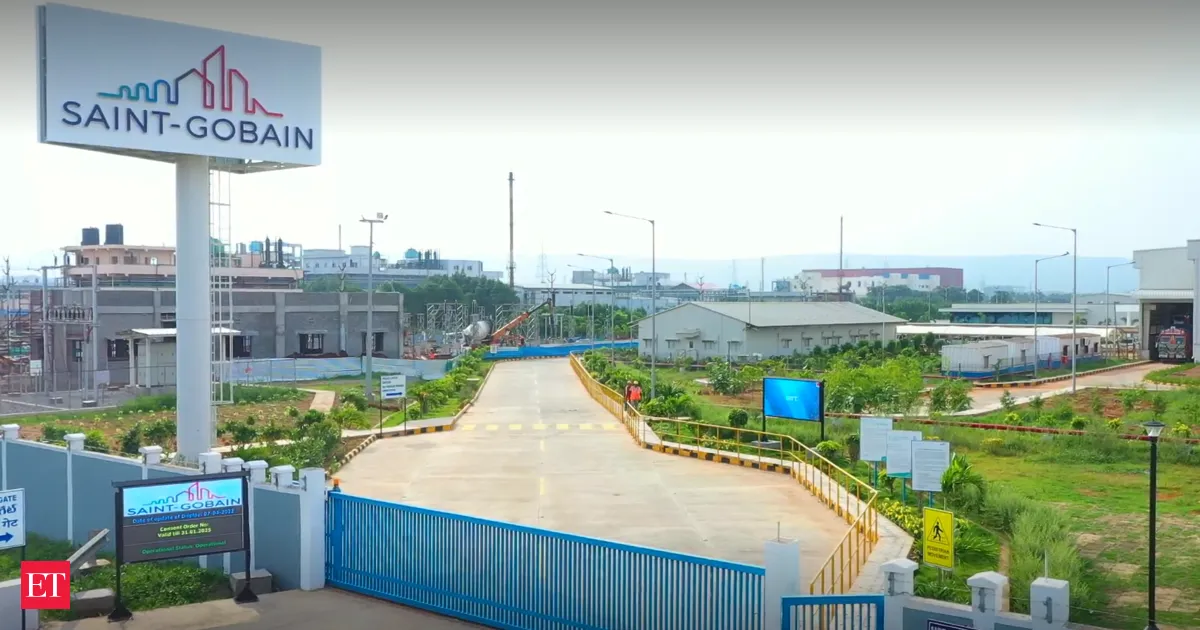
French building materials firm Saint-Gobain plans to invest nearly $1 billion in India over the next five years, banking on population growth and rapid urbanisation. The company’s push across infrastructure projects reflects a broader shift toward emerging markets. Saint-Gobain says it aims to triple its business in India within ten years, underscoring long-term expansion ambitions.
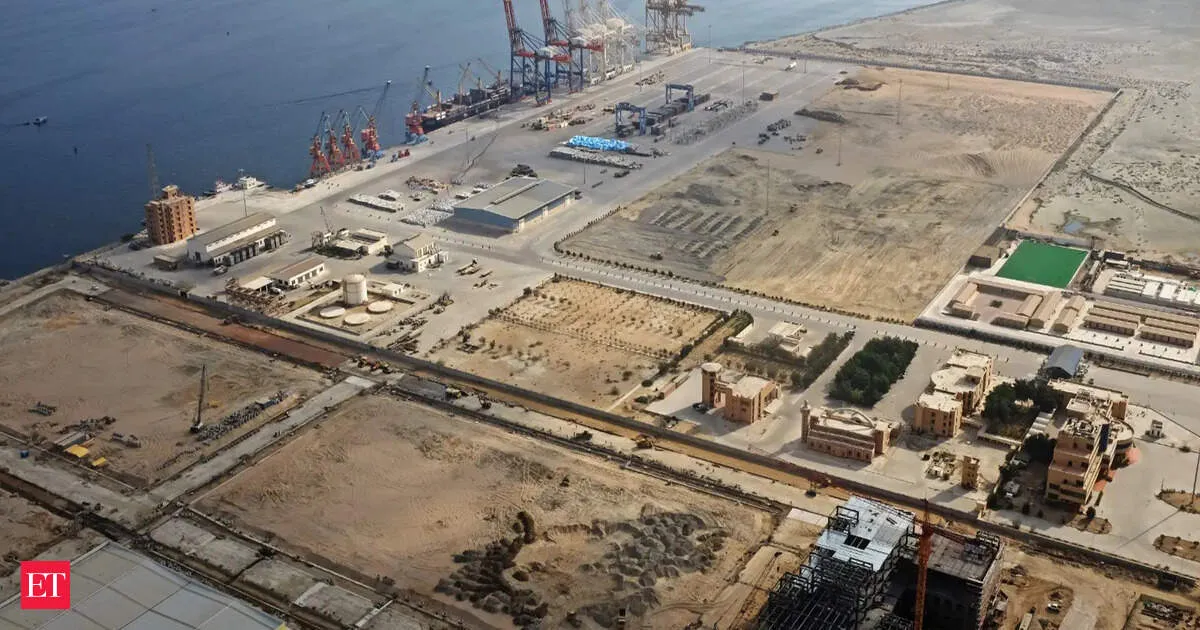
A Chinese company has shut down its Gwadar operations, saying business difficulties forced it to stop and lay off workers. The abrupt closure is raising fresh concerns for Pakistan as Prime Minister Shehbaz Sharif is set to visit China, highlighting the fragility of overseas projects tied to investment and economic momentum.
Swipe through stories, personalise your feed, and save articles for later — all on the app.