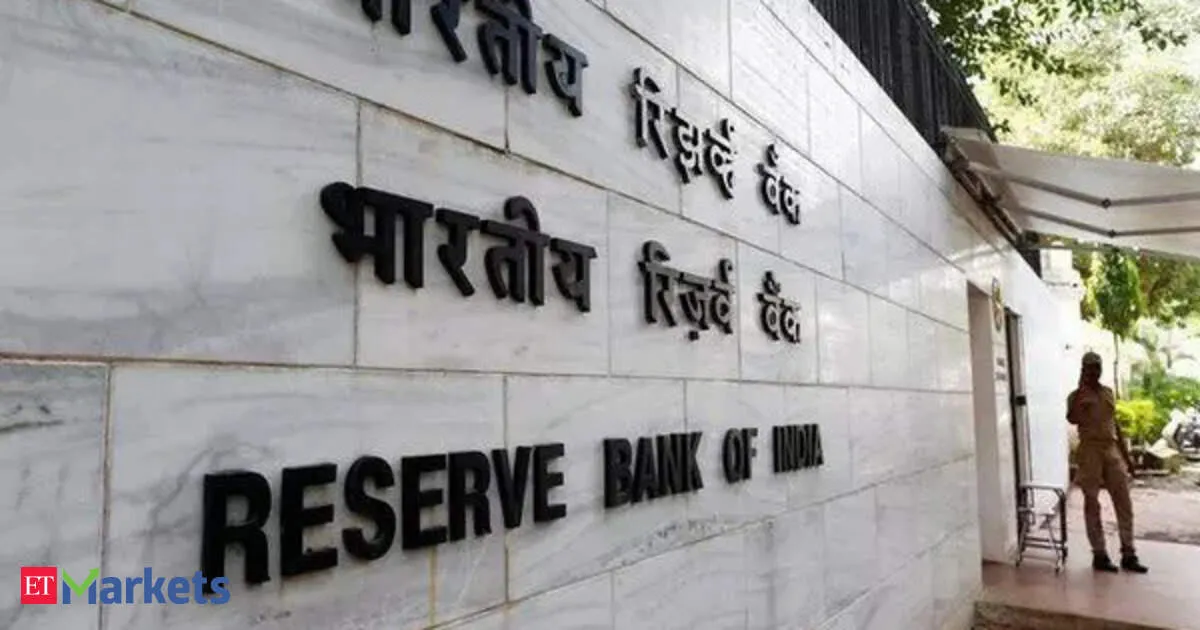
India is deploying emergency measures to shield the economy from Iran war fallout. State oil refiners raised gasoline and diesel prices by over 3% after crude surged, while authorities tightened gold import rules and temporarily banned sugar exports. Delhi government staff were asked to work from home twice a week to conserve fuel. With the rupee slipping past 96 per dollar, a widening trade deficit, and foreign investor outflows, officials are also exploring incentives for foreign bond investors.
India may need RBI backing to attract greater dollar investments amid currency exchange risk. Economists point to forex deposit schemes where the RBI could shoulder some hedging costs and potentially offer higher subsidies so banks find the yields attractive compared with global rates. The move could support foreign inflows but deepens central bank exposure to forex volatility.
Your news, in seconds
Get the Beige app — every story in 60 words, updated hourly. Free on iOS & Android.
Indian markets snapped a three-day losing streak, rising 0.8% as sentiment improved across Asia. Buying returned in large caps such as Reliance Industries and Sun Pharmaceuticals, with all sectoral indices closing higher. India VIX eased, signaling lower perceived risk, even as foreign investors sold and domestic institutions picked up shares amid an Iran crisis still unresolved.
The Indian rupee fell 24 paise to 94.25 against the US dollar in early trade, extending a fifth straight day of decline. Traders blame a strong US dollar, volatile crude oil prices, and heightened West Asia tensions. Foreign investors are also pulling back from Indian equities, adding pressure as Sensex and Nifty trade lower.
Equity mutual fund inflows in March jumped to their highest level in eight months, underscoring steadfast domestic investor demand despite market turbulence. Higher local buying helped offset recent foreign fund outflows. The biggest surprise was a sharp rise in SIP contributions, which reportedly reached record levels, reinforcing the growing role of disciplined monthly investing.
India’s current account deficit is set to widen as expensive oil imports strain foreign exchange inflows, with the Iran conflict adding further pressure. Economists warn RBI steps may only deliver short-lived support to the rupee. If the oil cost shock persists, the deficit could expand enough to push India into a balance of payments shortfall for a second straight year.
Never miss a story
Set alerts for the topics and sources you care about. Download Beige for free.
ICRA Analytics says midcap and smallcap mutual funds have delivered strong 5-year AUM growth, with CAGRs of 32.41% and 39.93%. Yet the outlook is clouded by rising geopolitical tensions and possible foreign fund outflows that can pressure near-term performance. Investors may need a more cautious approach as volatility persists.
The rupee’s six-month slide, fueled by U.S. tariffs and policy uncertainty, reversed sharply on signals of a friendlier trade deal. Improved sentiment, sectoral gains and possible foreign inflows are supportive, but missing agreement specifics, oil and gold moves, and RBI positioning keep USD INR volatile, with downside risks still outweighing upside into 2026.
Swipe through stories, personalise your feed, and save articles for later — all on the app.