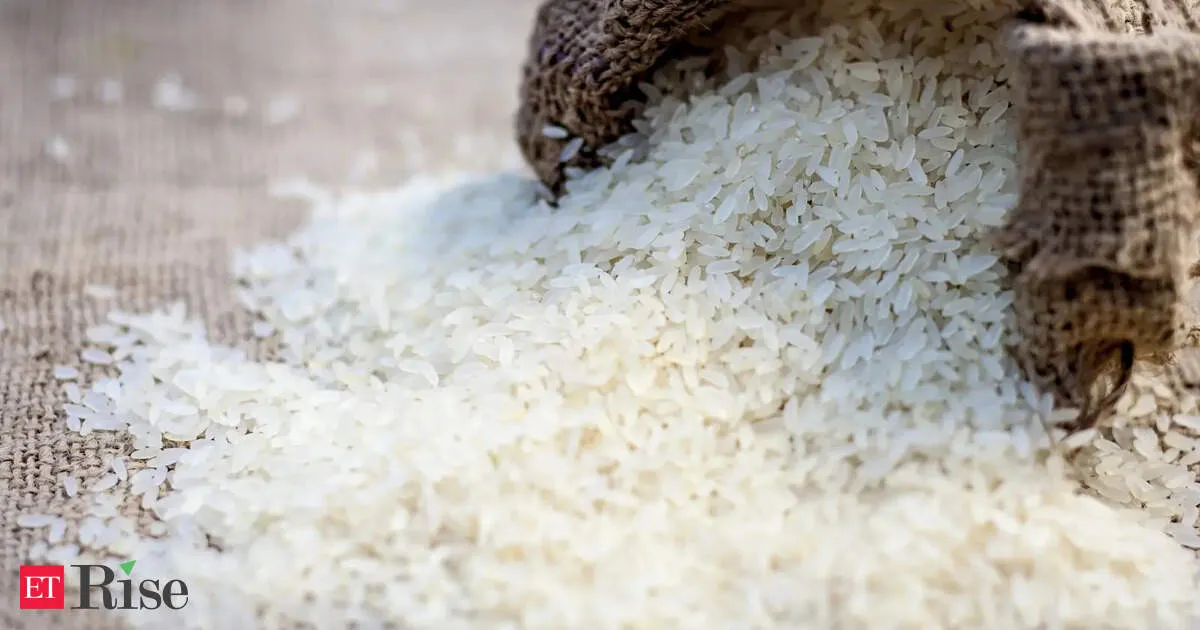
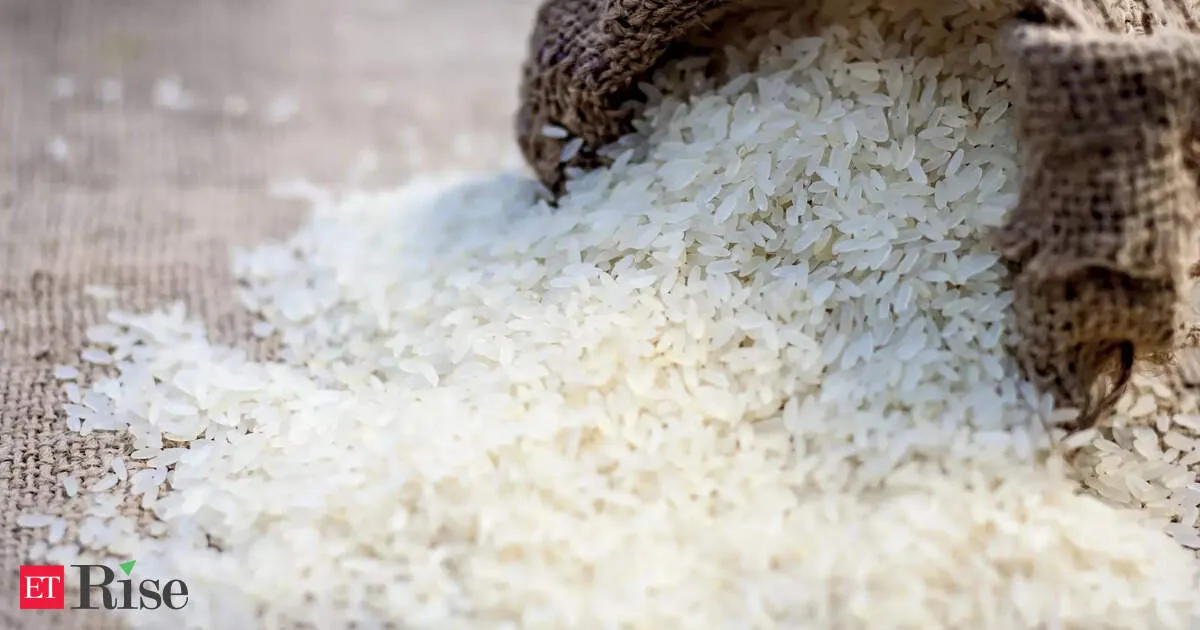
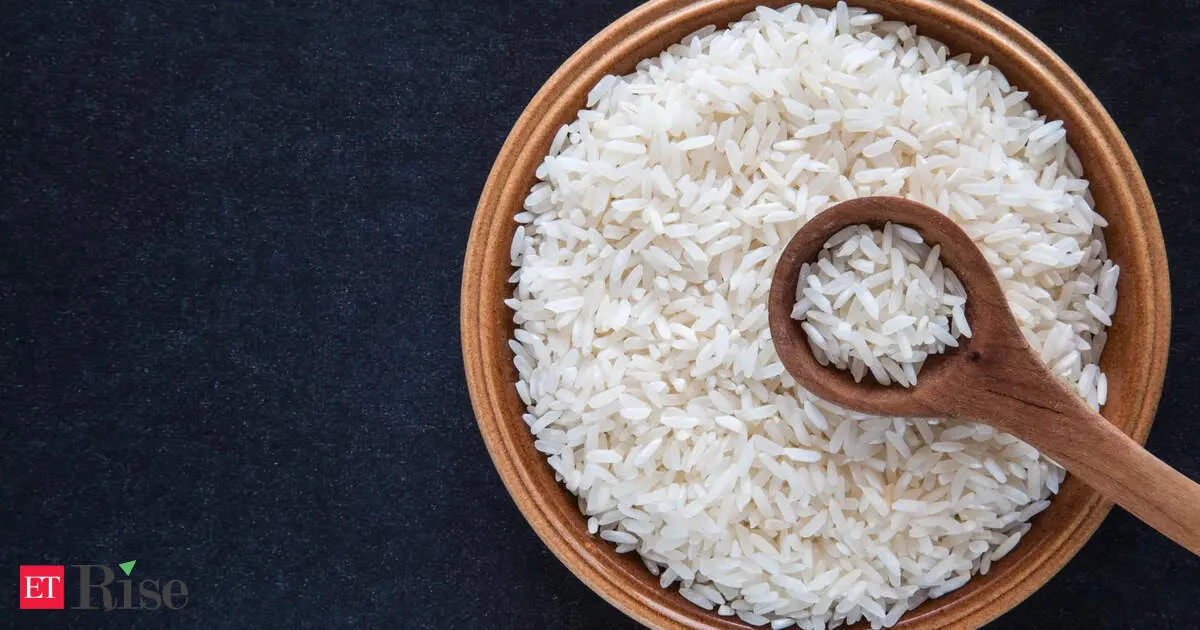
Global rice production is forecast to fall for the first time in a decade as declines in India, Myanmar, and the US collide with record consumption and trade. That mix is expected to reduce global stockpiles just as costs rise, with higher fertilizer and energy bills and possible monsoon disruptions in India adding further risk to supplies.
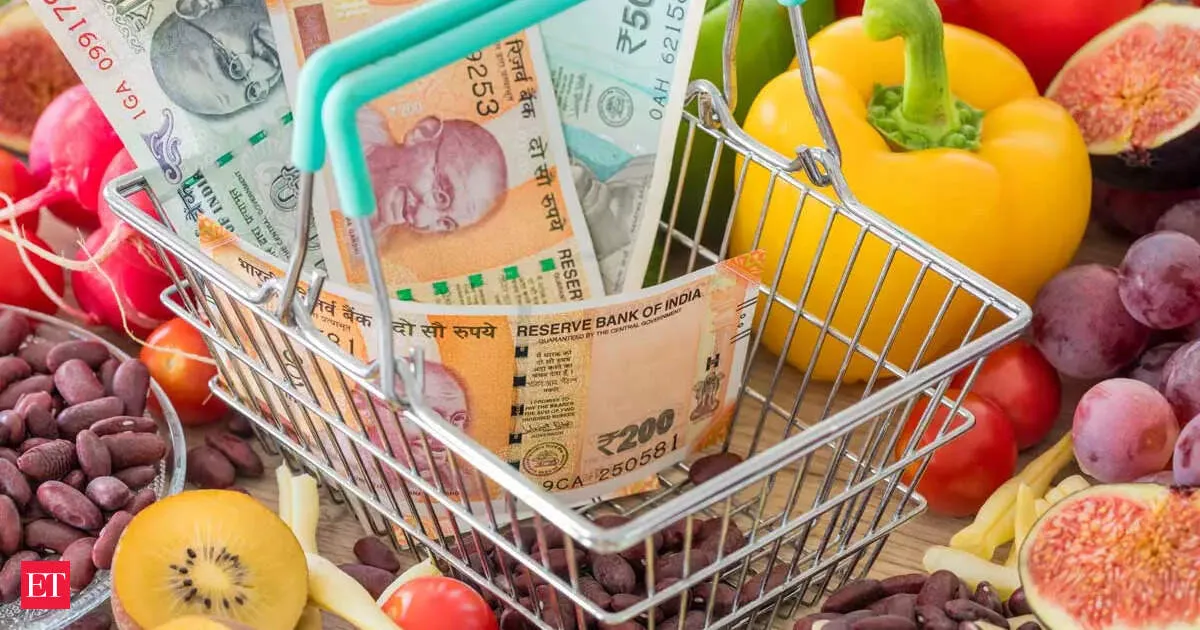
Retail inflation rose to a four-month high of 3.5% in April, driven mainly by higher food prices and a rebound in gold and silver. Economists warn more inflation pressure could follow, even as expectations grow that the Reserve Bank of India will keep its policy rate unchanged. With inflation nearing the RBI’s target, rate hikes may take a breather for now.
Your news, in seconds
Get the Beige app — every story in 60 words, updated hourly. Free on iOS & Android.
India’s retail inflation inched up to 3.48% in April, driven mainly by firmer food prices. Food inflation rose to 4.20%, while personal care and miscellaneous goods saw the sharpest increases. Even with the uptick, inflation remains comfortably below the Reserve Bank of India’s 4% target, keeping the rate outlook relatively steady.
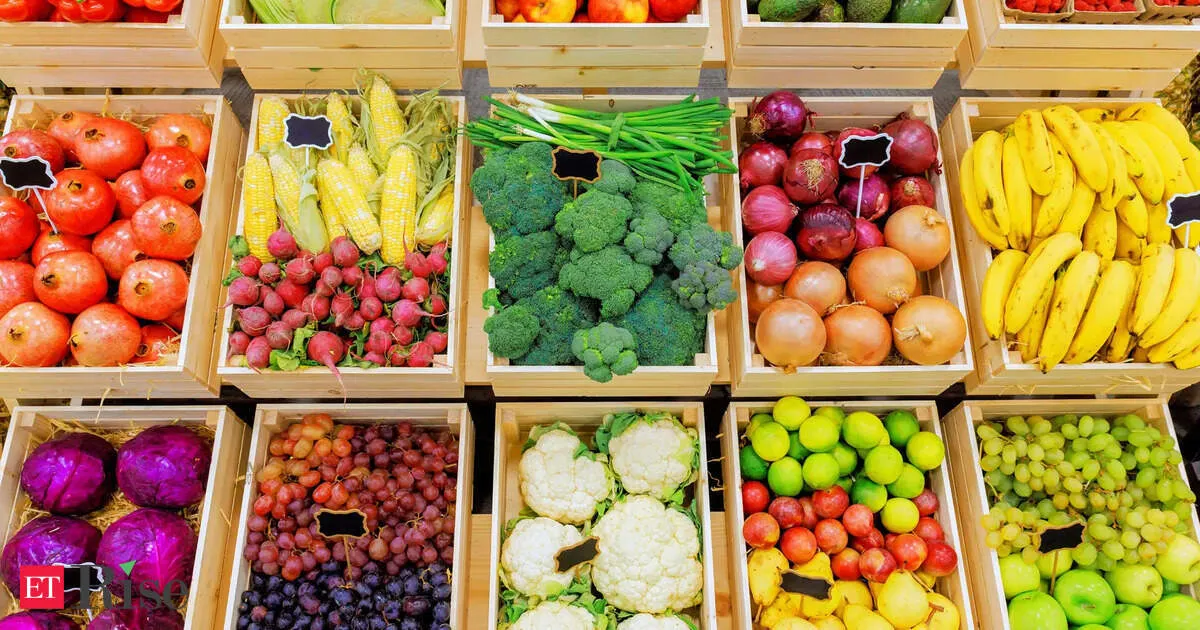
Food prices are set to rise further as the UN’s food-commodity price index hits its highest level in three years. Vegetable oils, meat, and cereals are posting the biggest gains, pointing to broad-based pressure on grocery bills. The uptick is being linked to higher costs tied to the Iran war, raising near-term concerns for consumers.
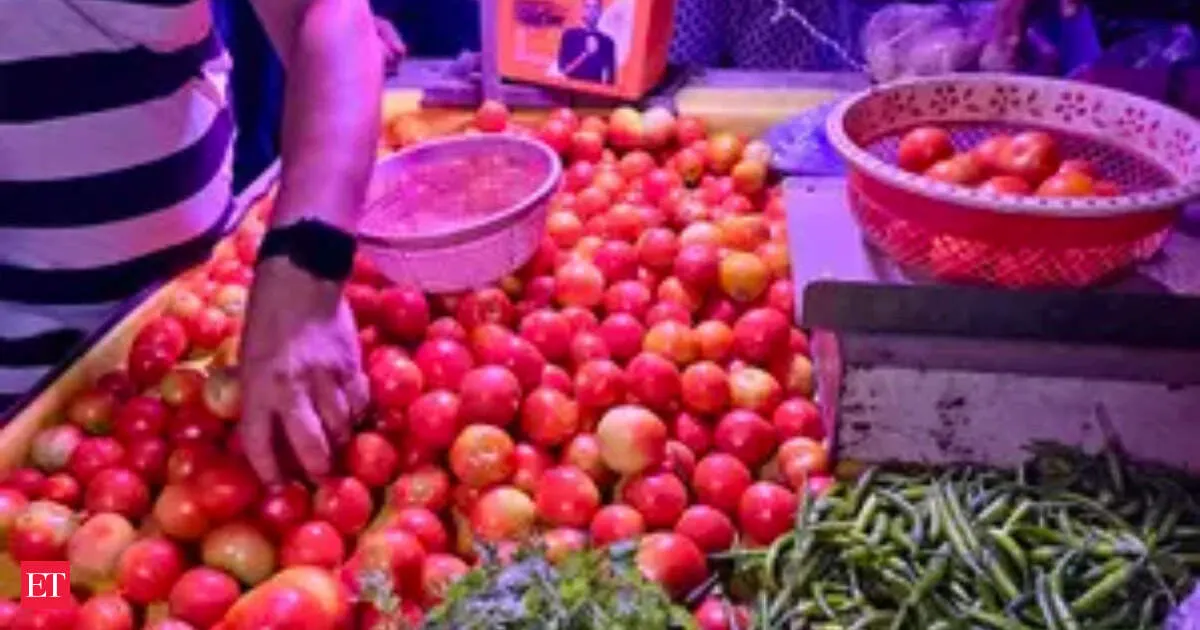
April thali costs increased about 2% year-on-year for both vegetarian and non-vegetarian meals, with higher tomato prices, vegetable oil, and LPG weighing on household spending. Onion and potato declines helped cushion the impact, but the non-veg segment also felt pressure as broiler prices rose around 2%.
Asia is bracing for a fresh inflation wave as heat and dry weather intensify food price pressures under El Nino. The threat lands on top of existing oil price shocks, squeezing already-stressed economies. Countries including the Philippines and Pakistan are seeing high inflation now, and further price hikes are expected in the coming quarters as El Nino strengthens later this year.
Never miss a story
Set alerts for the topics and sources you care about. Download Beige for free.
India is shifting toward mustard oil as global prices of palm and soybean oils climb. Conflict-driven supply disruptions in West Asia and rising biofuel demand are raising costs, and a weakening rupee makes imported oils even more expensive. At the same time, record domestic mustard production supports the switch, easing availability for consumers.
The Iran war is rippling through global rice markets, unsettling both major exporters and key importers. Farmers and traders in Thailand and Vietnam report disruption alongside growing weather pressures from El Nino, while countries dependent on imports such as the Philippines and Indonesia brace for tighter supplies. The result could be renewed price pressure as shipments and demand realign.
India’s inflation outlook is under pressure as forecasters expect a below-average monsoon and rising El Niño risk. Cooler and uneven rains could curb agricultural output, tightening supplies and pushing food prices higher even if buffer stocks offer partial cover. The next rainfall cycle is poised to be a key swing factor for whether inflation stays contained or accelerates in the coming months.
India’s severe heat wave and forecasts of below-normal monsoon rains are adding fresh pressure to inflation after a recent oil surge. With energy costs already elevated, weather stress could push prices—especially food—beyond the central bank’s target. Policymakers are weighing how this “dual hit” may slow growth while straining rural incomes.
Reading on mobile?
Open Beige in the app for a smoother experience — free on iOS and Android.
Sweet treats could get pricier this summer as conflict in West Asia disrupts supply chains. Higher costs are hitting ingredients such as dry fruits and nuts, while logistics and packaging expenses also rise. Some companies have already increased prices, and more hikes are expected if the disruptions continue and keep pressuring margins across the sector.
A flour millers body has urged the government to deliver more predictable policy signals to the industry. It called for stock transparency, stable OMSS policies, export flexibility, and liquidity support to protect millers’ returns while keeping flour prices affordable for consumers. The group’s pitch centers on reducing uncertainty in trading and procurement rules that directly affect margins.
The government has said there is currently no proposal to supply edible oils to consumers at subsidised rates. Data shows domestic production of edible oils in 2020-21 was 111.51 lakh tonnes against imports of 134.52 lakh tonnes, while demand reached 246.03 lakh tonnes. Groundnut oil retail prices also rose sharply to Rs 176.28 per kg.
Iran’s “resistance economy” is being hit hard by the US Israel war, with mounting economic pressure showing up in higher food prices and weakening social development indicators. As markets and institutions face the risk of deeper damage, Iran may be pushed toward drastic moves that could spark violent escalation—or force a new regional understanding.
Follow your favourite sources
Track sources, tags and categories — all in the Beige app.
Asia’s key rice export hubs are seeing limited activity as freight costs climb sharply following conflict in the Middle East. Traders say buyers are holding back until shipping rates ease, keeping prices muted. Still, Bangladesh’s domestic market remains firm ahead of Eid-ul-Fitr, with aromatic rice demand picking up despite the broader export slowdown.
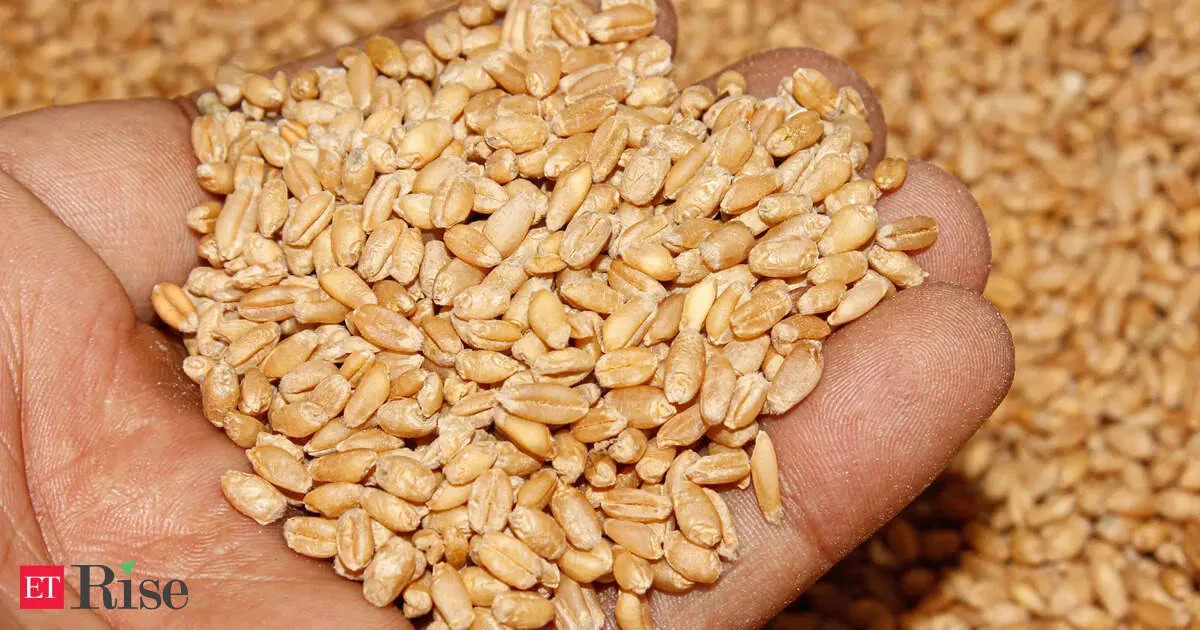
India has lifted its total wheat export quota to 5 million tons, with the stated goal of supporting local markets. Fresh supplies from the new-season crop are already arriving, and prices are hovering close to the government-set floor price. Traders, however, are reportedly still dealing with complications from the earlier allocation.
Thai rice prices have recorded their sharpest jump in over two years, as rising fuel and fertilizer costs tied to the Iran conflict squeeze farm economics. Even if tensions ease, experts expect higher input costs to linger, raising the risk of weaker rice output later. The ripple effect could tighten rice supplies across parts of Asia and lift food prices.
Swipe through stories, personalise your feed, and save articles for later — all on the app.