Forecasters are warning that a powerful Super El Niño could form in 2026, following the decline of current La Niña conditions. Reports cite around a 70% chance of El Niño developing by June, with major climate agencies linking El Niño to higher global temperatures and major weather disruption. If a super event emerges, experts fear India’s monsoon could weaken, with rainfall potentially falling to about 92% of the long-period average, straining agriculture worldwide and fueling food inflation.
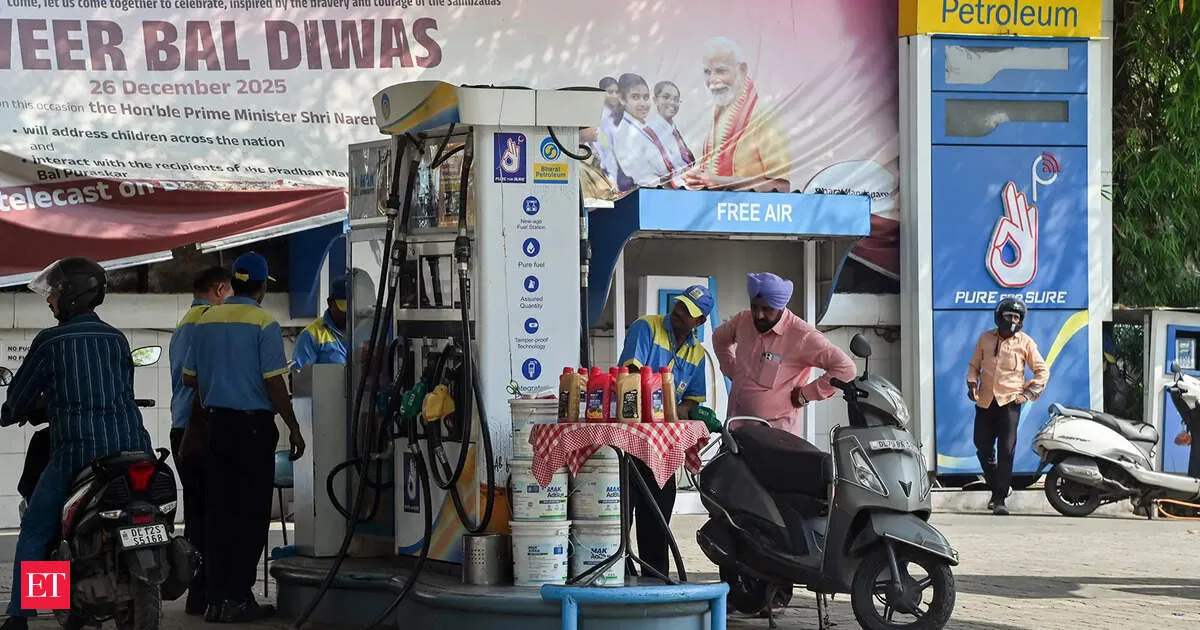
Bank of Baroda says India’s inflation outlook for FY27 faces rising risks despite currently low CPI and stable core inflation. Higher fuel prices can ripple into food costs, while heatwaves and global patterns like El Nino could further strain crop output. The bank urges close monitoring of food inflation as energy and weather shocks build.
Your news, in seconds
Get the Beige app — every story in 60 words, updated hourly. Free on iOS & Android.
The IMD expects the Southwest Monsoon to reach the Andaman and Nicobar Islands around May 20. With forecasts pointing to below average rainfall, farmers face uncertainty as the kharif sowing window starts in June. Timing and uneven rain distribution could delay planting of pulses and oilseeds, with potential knock-on effects for food inflation.
Economic Advisory Council to the Prime Minister chairman S Mahendra Dev says India must proactively map and monitor economic vulnerabilities across energy, food and other key areas. In remarks to PTI, he cited the ongoing West Asia conflict as a real-world stress test, calling for a forward-looking risk management approach rather than reacting after disruptions hit supply and prices.
Urea output in the Gulf has dropped, while fertilizer ships face delays in finding safe routes, tightening supply chains. Officials and traders are trying to secure alternative shipping paths for essential goods. The combined impact could worsen food inflation if fertilizer shortages reduce crop inputs and slow seasonal planting.
Gita Gopinath says India is among the worst hit by the West Asia conflict, with disruption spreading beyond prices to supply chains for oil and gas. She warns fertiliser shortages could translate into lower farm output, lifting food inflation later. Growth is still projected around 6.5%, helped by tariff relief, while solar energy could cushion future shocks.
Never miss a story
Set alerts for the topics and sources you care about. Download Beige for free.
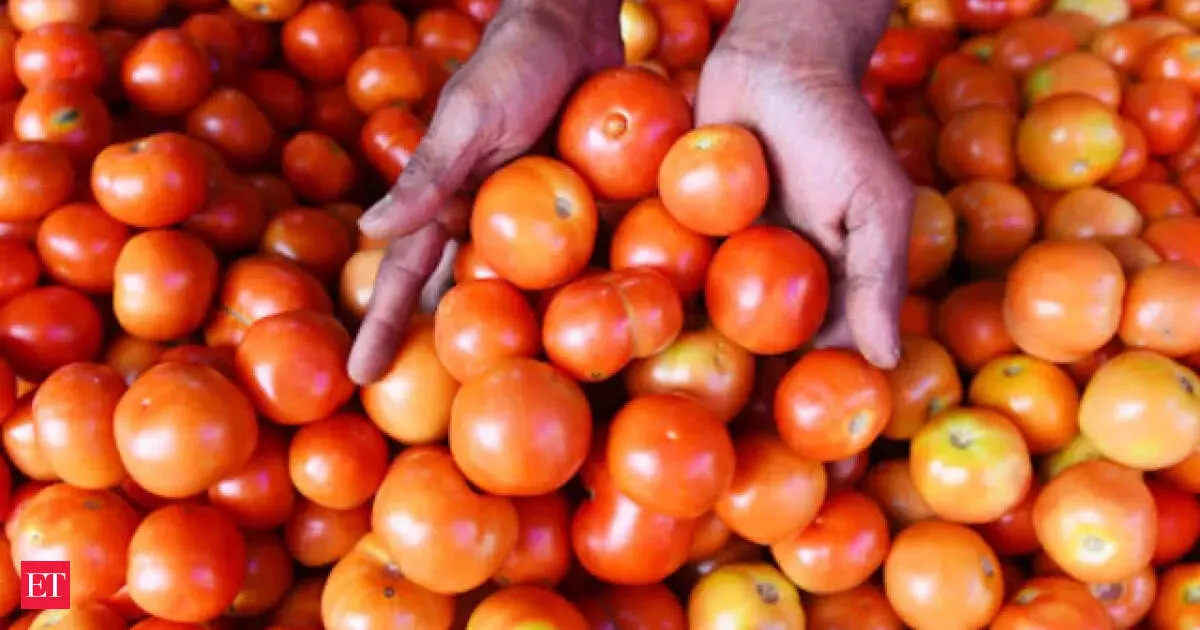
To curb soaring tomato prices, the government is selling tomatoes at Rs 65 per kg via mobile vans in Delhi and nearby cities. The spike is linked to unseasonal rains in Maharashtra that damaged crops, while delayed sowing and rising pest pressures have reduced supply. A price stabilization fund is reportedly helping manage costs.
Swipe through stories, personalise your feed, and save articles for later — all on the app.