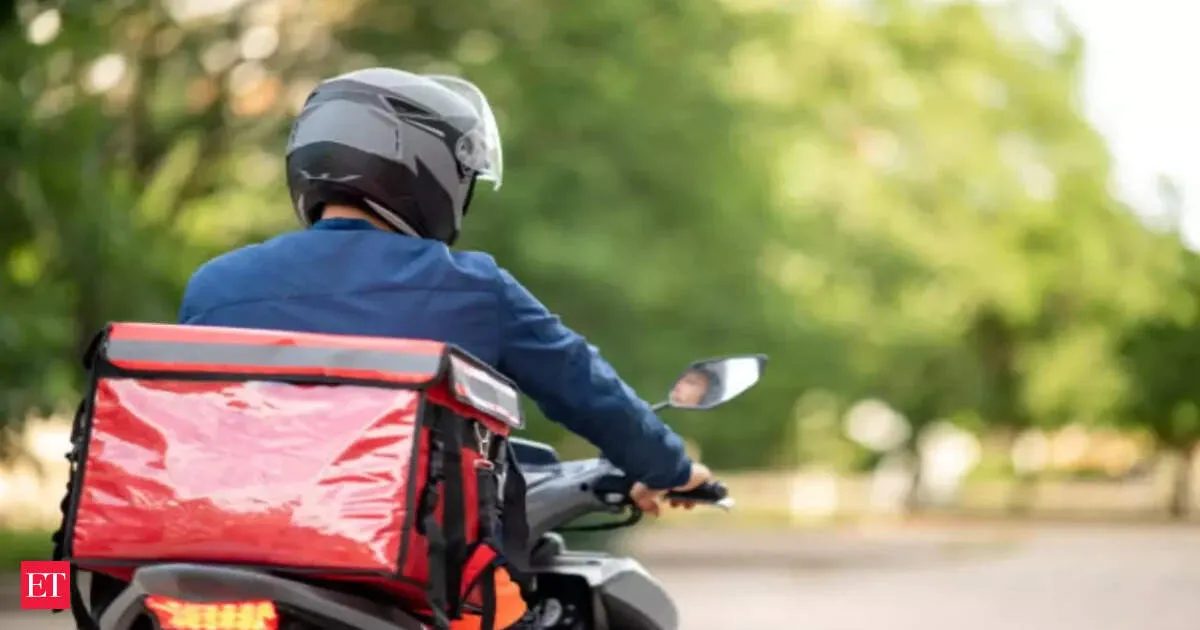
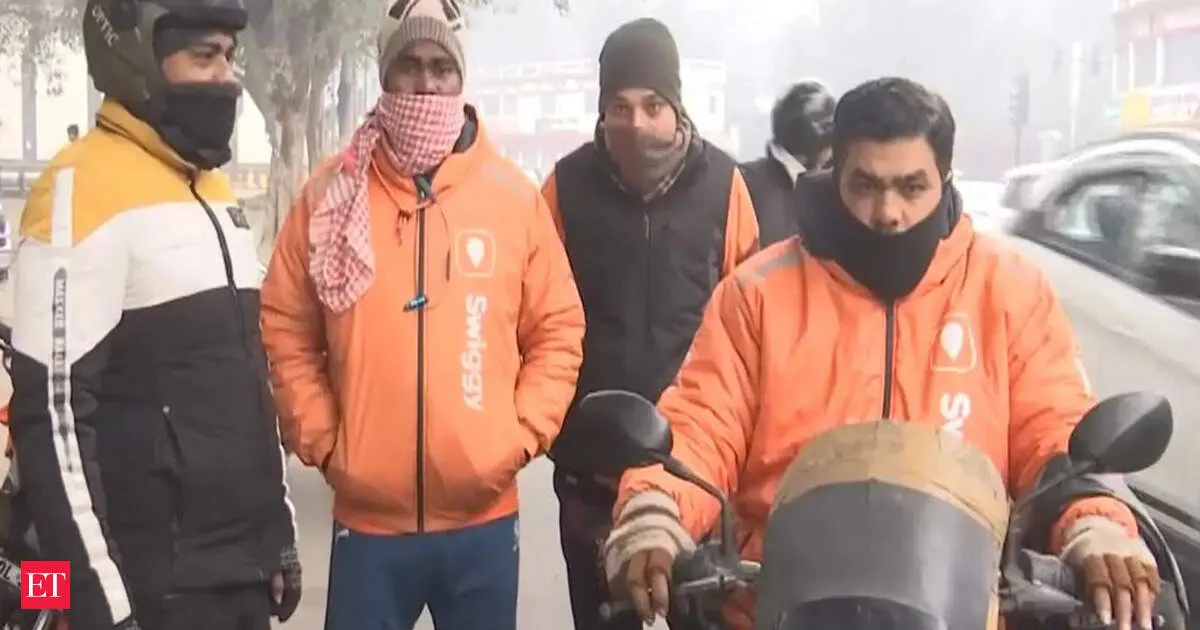
Dining out and food deliveries are expected to get 5–10% costlier from next week as state oil firms raised petrol and diesel prices. Restaurant executives say the fuel hit lands on top of months of pressures including a commercial LPG price jump, LPG shortage, and labor shortages since the West Asia war began. Some chains will revise menu prices as early as next week, while others target June or July 1, with logistics costs also likely lifting delivery charges and shrinking discounts.
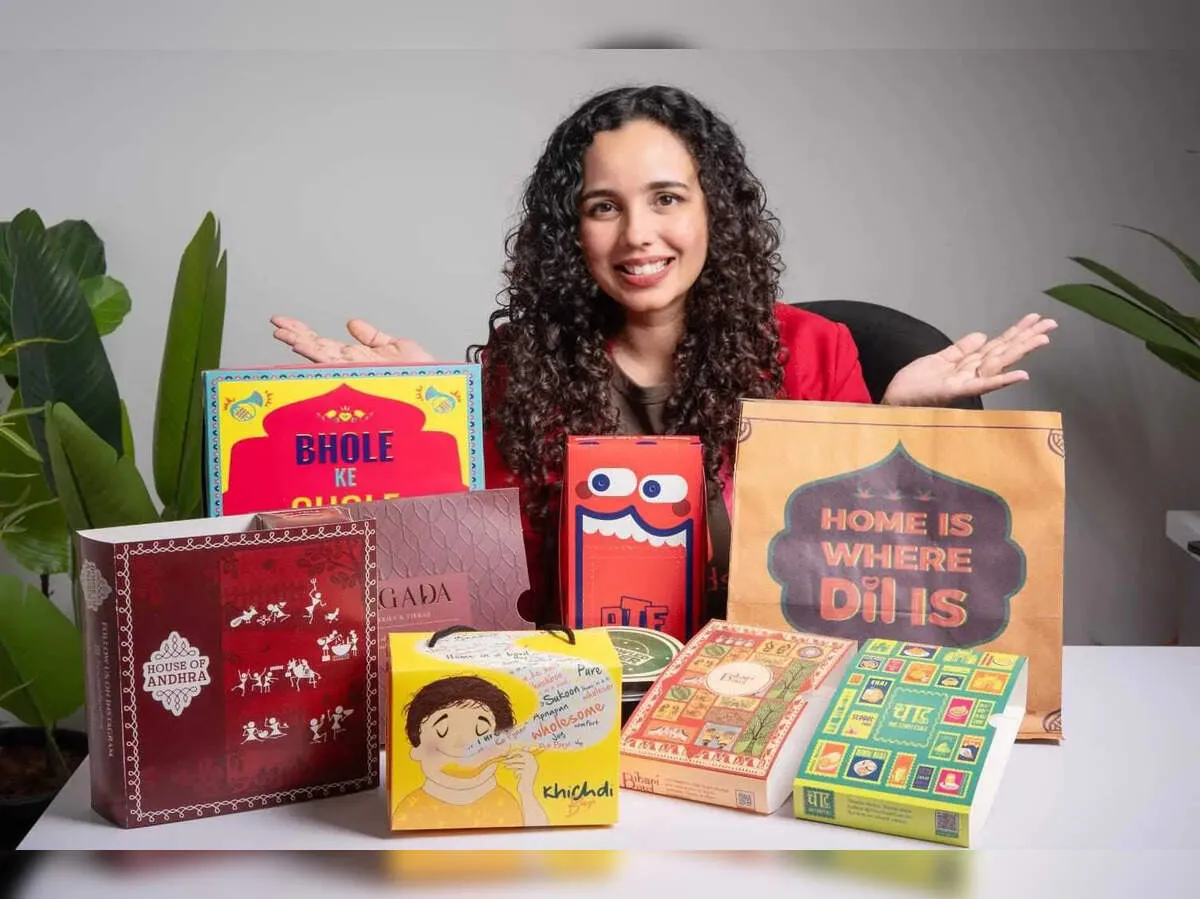
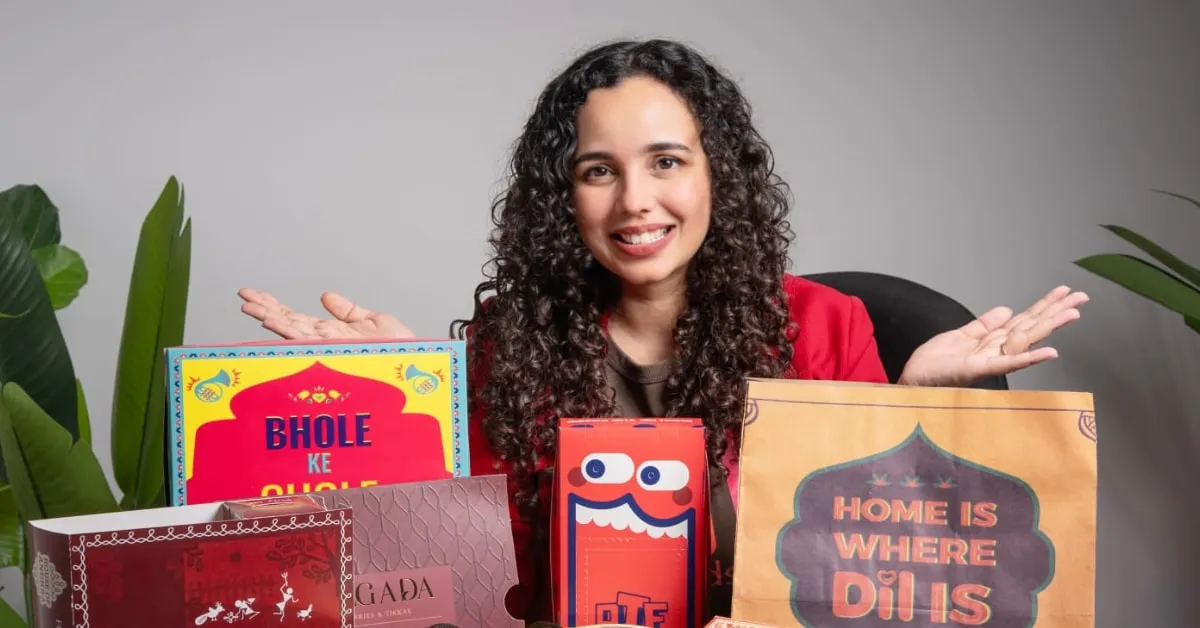
Restaurant enablement startup Dil Foods has raised $7.5 million in a round led by the Bikaji Foods family office. The funding will support expansion into new cities, broaden cuisine offerings, and strengthen its supply chain. Dil Foods targets 600 locations by FY28 and annualized revenue of Rs 500 crore as it accelerates growth.
Your news, in seconds
Get the Beige app — every story in 60 words, updated hourly. Free on iOS & Android.
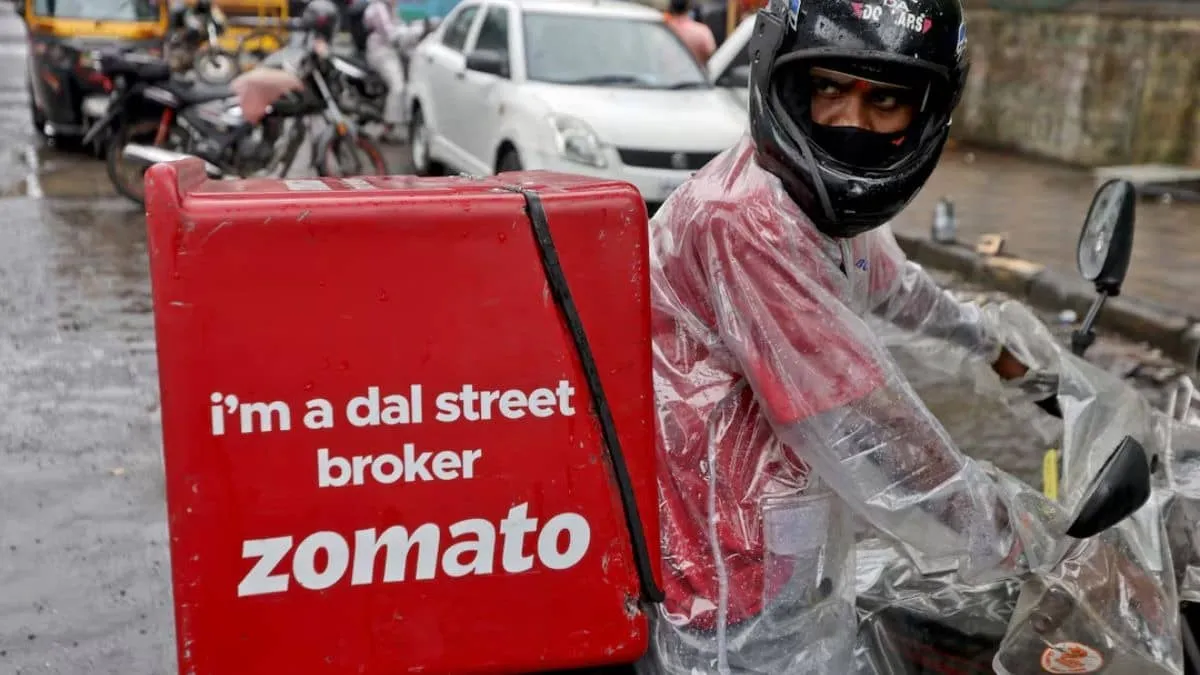
Virtual restaurant operator Dil Foods has raised ₹72 crore in a Series B led by Bikaji Foods Family Office, planning to expand into more Tier I and II cities and introduce additional regional cuisine. The Bengaluru startup runs nine brands across 340 pincodes and targets 600 locations by FY28, partnering with restaurant owners that use Dil Foods supplies to fulfill orders on Swiggy and Zomato.
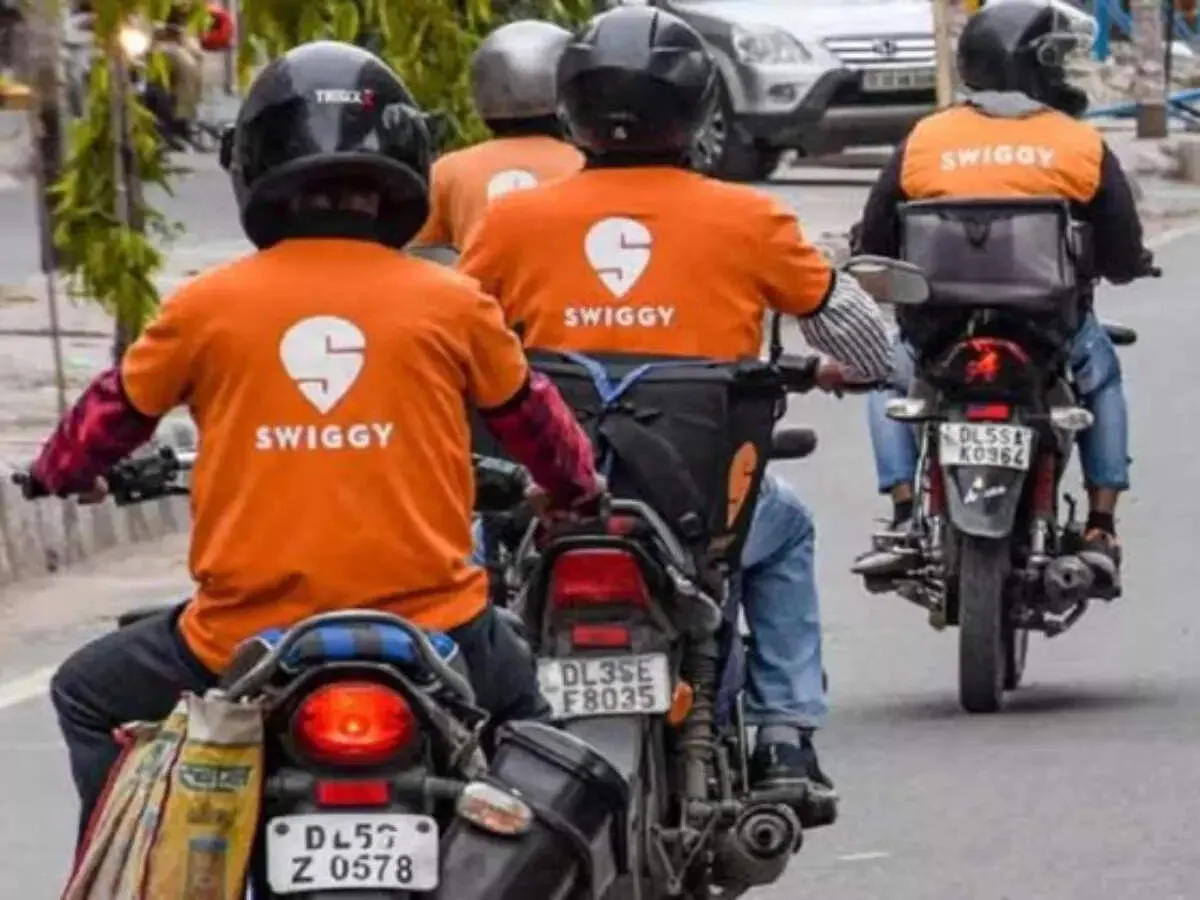
Swiggy and magicpin say delivery times are improving as gig workers return to cities. The shift follows state elections and the peak harvest season, which temporarily pulled riders away. With rider availability rising again, platforms expect services to normalise soon and the food delivery sector to regain momentum after a tough stretch.
Swiggy says food delivery defied LPG crisis fears, with adjusted revenue up 23% year-on-year to ₹2,304 crore and sequential loss shrinking 24.9%. Profitability improved as margins edged higher and incentives were used more selectively. But quick commerce cooled: Instamart’s average order value fell to ₹700, with quarterly gross order value dropping—while Swiggy avoids chasing growth via aggressive pricing.
Swiggy says its FY26 Q4 loss narrowed to Rs 800 crore, down from Rs 1081 crore a year earlier. The company also reported a 45% year-on-year revenue jump, signaling improving demand. While the turnaround looks encouraging, the next question for investors is whether growth can translate into healthier profitability going forward.
Never miss a story
Set alerts for the topics and sources you care about. Download Beige for free.
Online food retailer Zappfresh is reportedly in talks to acquire a majority stake in GM Foods. The deal would broaden Zappfresh’s product range and deepen its push into the frozen vegetarian snacks space. Coming after Zappfresh’s recent acquisitions, it underscores an aggressive growth strategy aimed at intensifying competition across food delivery and related categories.
Swiggy has appointed Swapnil Bajpai as CEO of its Dineout and Scenes businesses, betting on higher-margin dining-out and experience revenues as competition heats up beyond core food delivery. Bajpai, a long-time Swiggy leader, will take full P&L ownership of a vertical formed from Swiggy’s Dineout acquisition and now expanded with Scenes’ events and nightlife focus.
India’s online food delivery market is projected to grow at a double-digit pace, fueled by rising order frequency and deeper penetration into Tier-2 cities. Average order values are also expected to increase as consumers adopt delivery more regularly. Organised players are gaining market share, and the sector could nearly reach USD 27 billion by 2030, according to a new report.
Eternal’s going-out arm District posted strong Q4FY26 growth, outperforming the company’s food delivery business and signaling a pivot toward building separate “super brands” across food, quick commerce and experiences. Its Blinkit quick commerce unit also expanded rapidly, while FY26 recorded significant user transactions, underlining Eternal’s push to become a wider consumption ecosystem.
Reading on mobile?
Open Beige in the app for a smoother experience — free on iOS and Android.
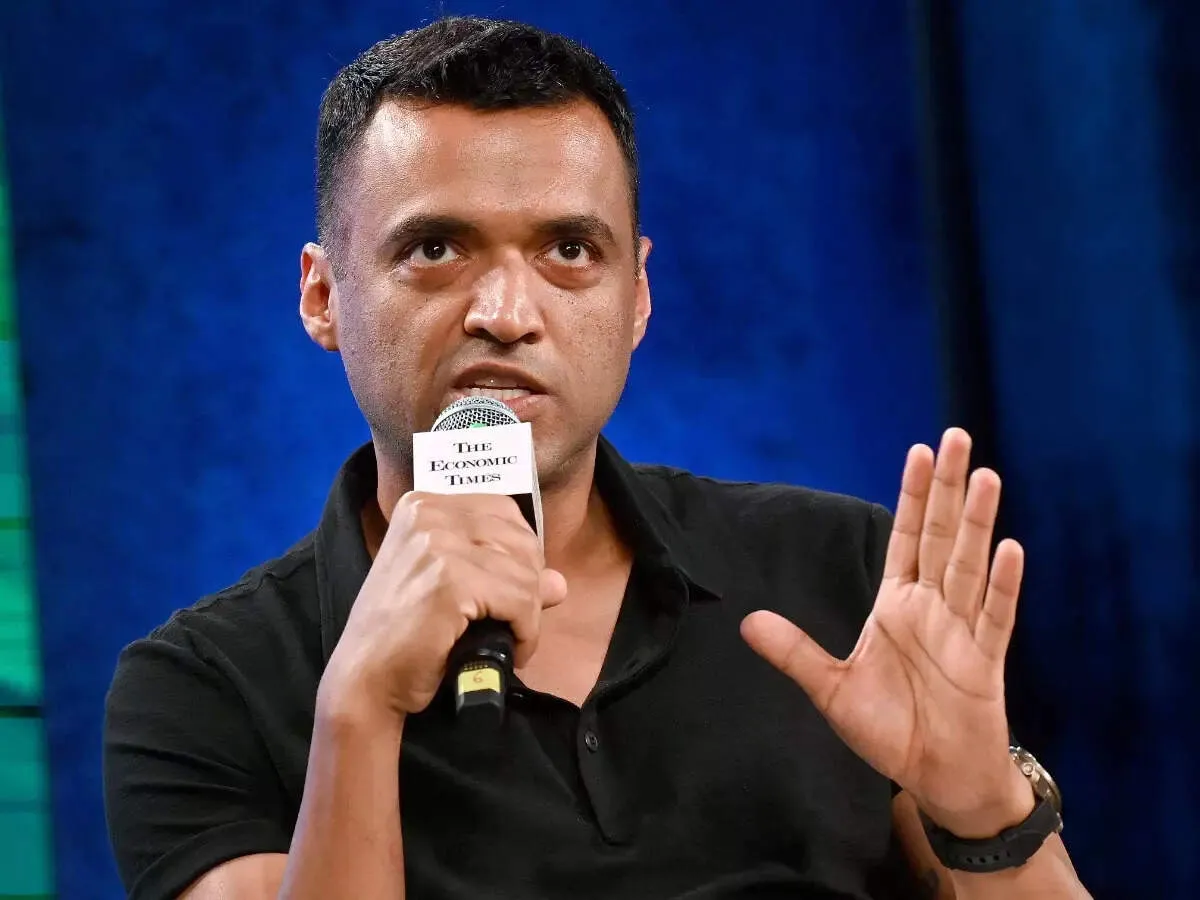
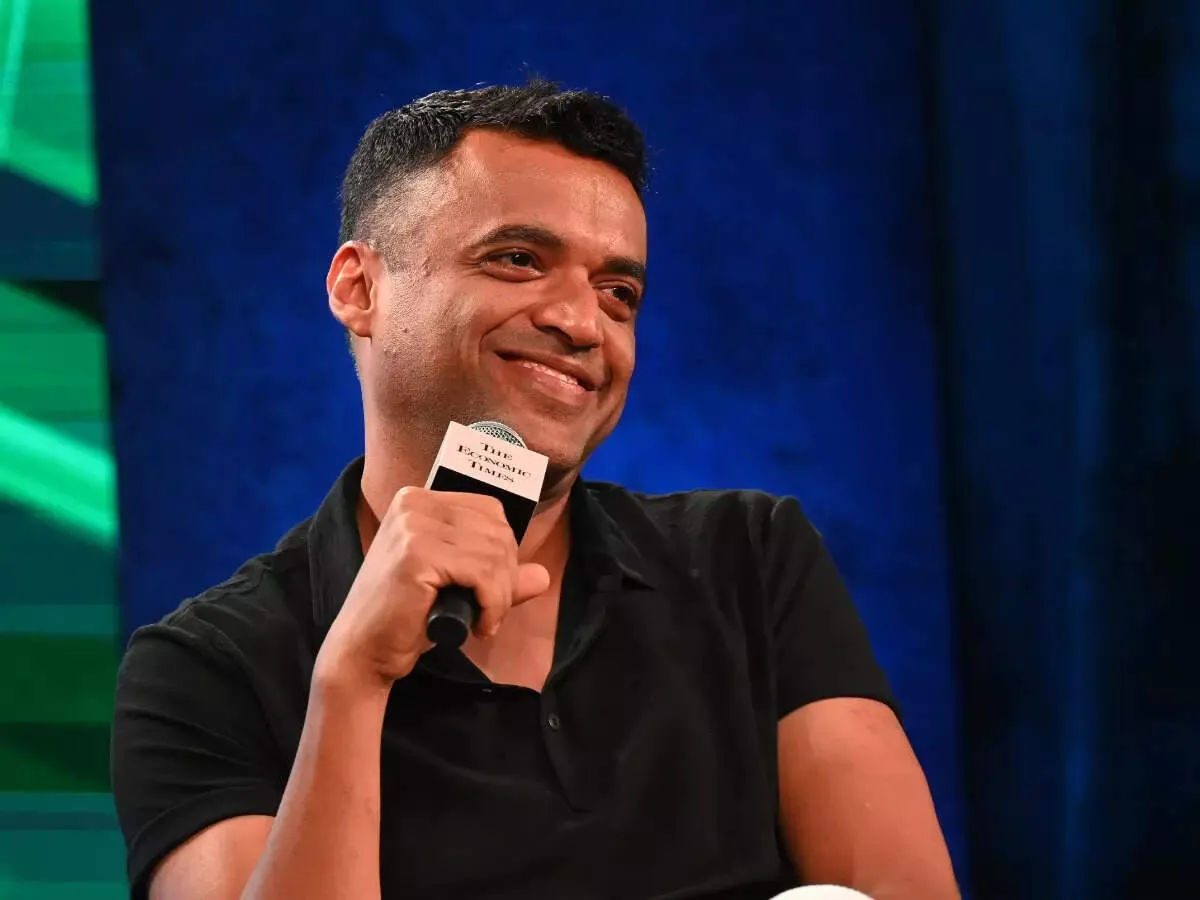
Zomato founder Deepinder Goyal has played down fears that India’s recent LPG shortage hurt the company. He said any disruptions were localized and that customers naturally shifted to other restaurants on the platform, keeping overall demand resilient. The comments aim to reassure investors about Zomato’s Q1FY27 performance despite ongoing supply chain concerns.
Eternal founder Deepinder Goyal argues AI chat interfaces won’t displace food delivery and quick commerce. His case: habitual ordering and strong brand recall are resilient moats that AI can’t easily override. Instead, he believes chat-based experiences could expand Eternal’s reach by making its platforms more accessible for users across India, especially in tier-II and tier-III cities.
Food and grocery delivery firm Eternal says its B2C operations have crossed $10 billion in annual net order value, taking 18 years to reach the mark. The company now expects the figure to double to $20 billion within two years and targets $1 billion in adjusted EBITDA by FY29, signaling a push for faster scaling and profitability.
Little Caesars is rolling out drone delivery with Flytrex, aiming to deliver full family meals in about 4.5 minutes. The partnership signals more than a gimmick, with plans to expand access dramatically, targeting delivery to as many as 100 million people in the future as drone logistics scale.
Follow your favourite sources
Track sources, tags and categories — all in the Beige app.
Zomato has agreed to remove a contract term that penalised restaurants when they offered cheaper food to walk-in diners, a source said. Eateries argued the clause effectively interfered with their pricing decisions. The removed policy could have charged fines equal to three times the price difference per order, pushing Zomato to revise terms after pushback.
Zomato has reportedly dropped a pricing clause following pushback, according to a source cited by Economic Times. The change comes as the company rides strong demand for food delivery, with 24 million consumers and 300,000 restaurants on its app. Zomato’s shares have more than doubled since 2021, valuing the company at nearly $26 billion.
Zomato has withdrawn a contract term that required restaurants to match dine-in and website prices to its platform rates, Reuters first reported. The clause also allowed Zomato to impose fines up to three times the price difference and investigate via complaints or “mystery shopping,” though sources say it was never enforced. The move follows ongoing commission-model discussions amid intensifying competition.
Walmart-owned Flipkart is reportedly gearing up to enter India’s movie and concert ticketing market with a planned May launch, targeting fast-growing demand for live events. The initiative pits Flipkart against incumbents like BookMyShow and Zomato’s District. The company is also piloting food delivery, suggesting a broader expansion into fiercely competitive, lower-margin categories.
Stay informed on the go
Bite-sized news from 100+ trusted sources, right in your pocket.
India’s big QSR players are facing a sharp shift as food delivery platforms like Zomato change customer control. Despite still-rich valuations, stocks tied to brands such as Westlife and Jubilant have stumbled. Margin pressure, slower growth hovering in single digits, and empowered local competition are eroding the old advantage of scale—raising a new question: who owns the customer now?
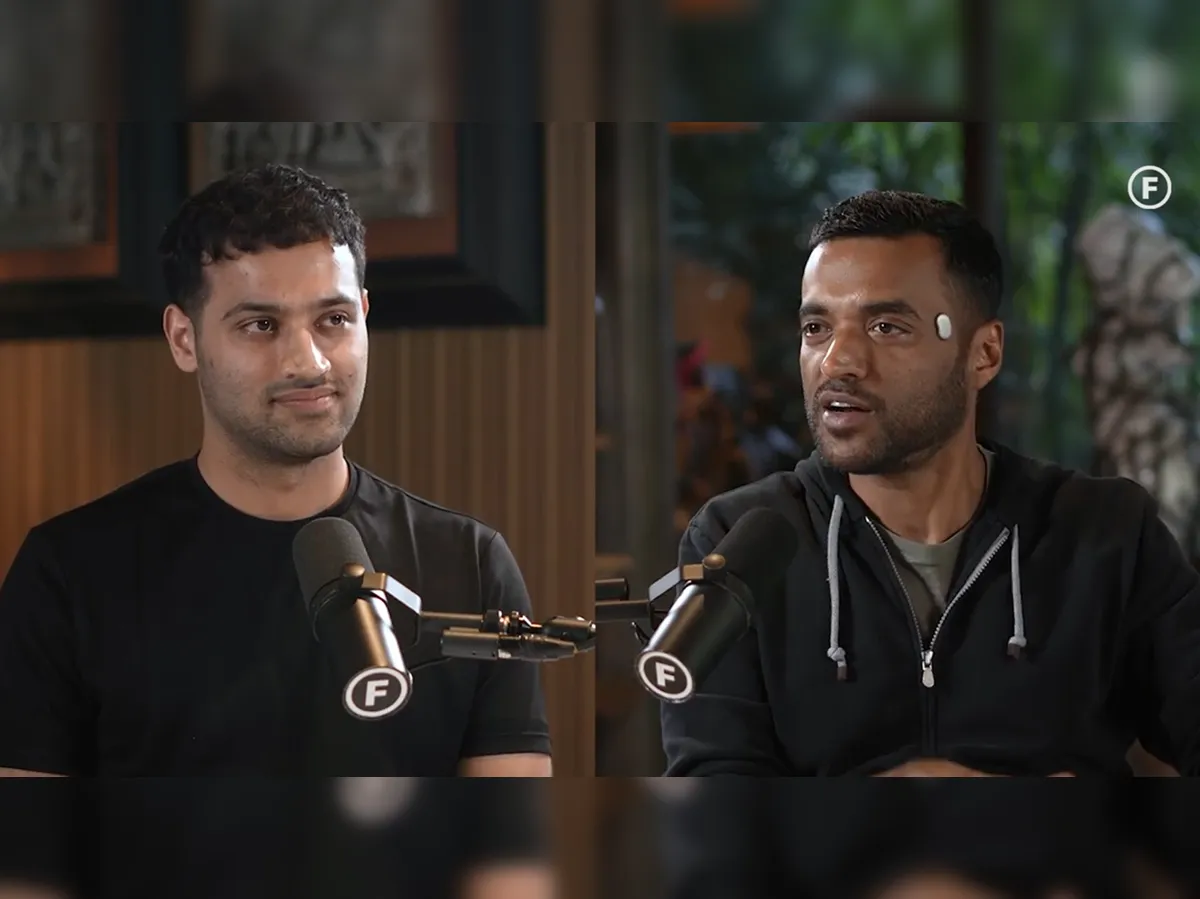
Deepinder Goyal revealed on the Raj Shamani podcast that Zomato initially resisted Swiggy’s move into last-mile logistics. He said he dismissed the approach for years, convinced the economics were “off” and that the model could never make money. However, customer enthusiasm shifted the reality, leaving Zomato with little choice but to adapt.
Swipe through stories, personalise your feed, and save articles for later — all on the app.