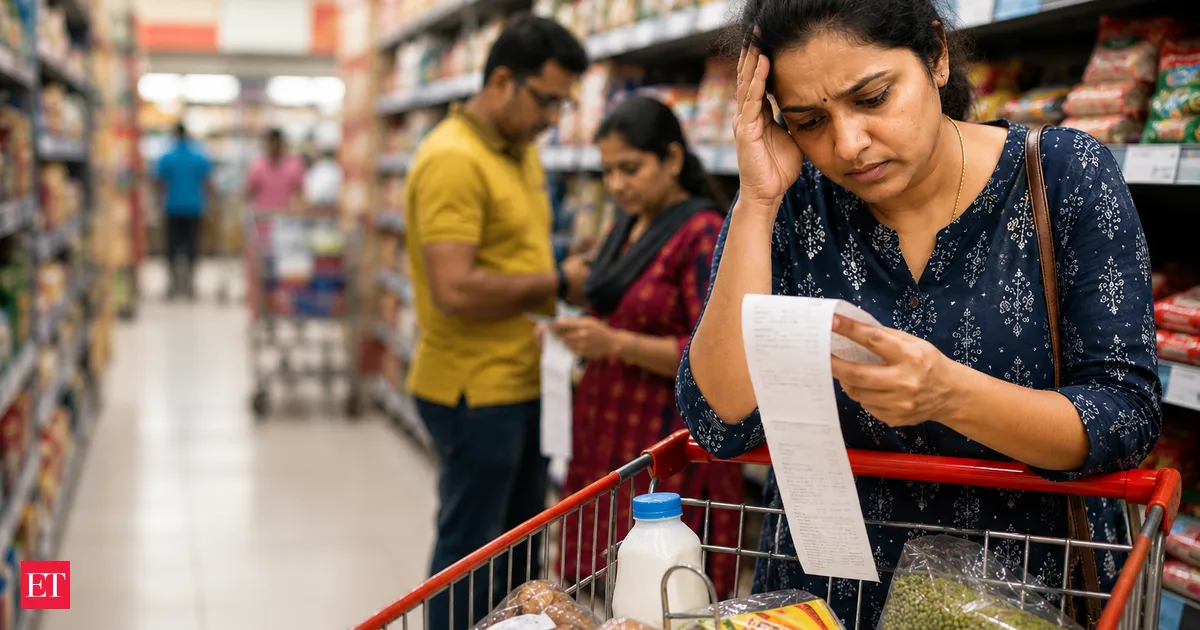
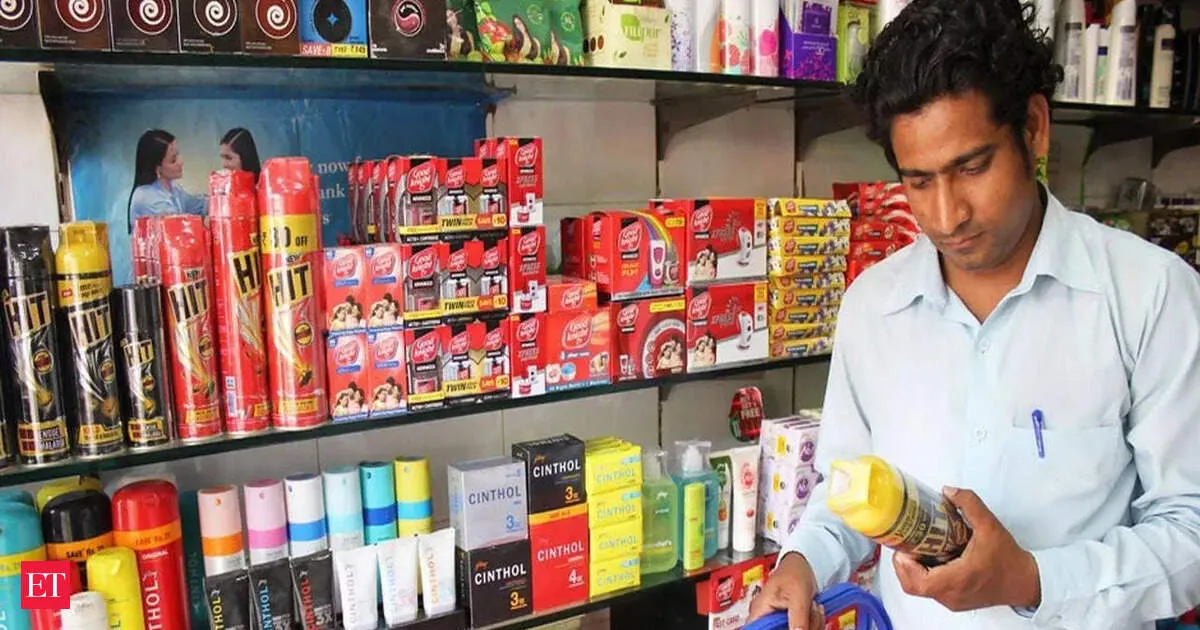
Rising fuel costs linked to the West Asia conflict are expected to ripple into India’s packaged foods and household staples. Analysts say higher freight, logistics, and input expenses will squeeze margins for FMCG firms already coping with 8 to 10 percent inflationary pressures. Several companies have begun calibrated price hikes of 2 to 5 percent, while Nestlé India and Hindustan Unilever are reportedly evaluating further increases. If oil volatility persists, firms may also cut “grammage,” hitting consumption recovery—especially in rural markets.
India’s FMCG sector is facing a fresh setback as the Gulf conflict raises crude-linked costs for packaging, transport and fuel. Worldpanel by Numerator has cut its 2026 growth forecast to 3% from 5% if the war continues past June and monsoon rains stay weak. While March-quarter volumes rose 5.4%—the strongest in two years—companies are already raising prices 2-5% or shrinking pack sizes, with rural and discretionary demand at risk as consumers trade down.
Your news, in seconds
Get the Beige app — every story in 60 words, updated hourly. Free on iOS & Android.
Tata Consumer Products is positioning itself for double digit growth by 2027, banking on its popular brands and wide product portfolio. The company plans selective, smart price adjustments to offset rising costs, while easing coffee prices and stable tea costs provide additional support. With investors increasingly confident, the strategy aims to keep momentum despite market pressures.
Tata Consumer Products shares jumped around 7% after reporting a better-than-expected Q4, with consolidated net profit up 21% year-on-year. The earnings beat was driven by strong performance in the India-branded business. Brokerages including Morgan Stanley, Motilal Oswal and Elara Capital stayed positive, citing scope for healthy growth, margin expansion and further upside for the FMCG firm.
Market expert Sameer Dalal says India’s markets face headwinds as crude oil prices lift import costs, unlike the US which can benefit from exports. He cautions that FMCG margins may have already peaked due to higher logistics expenses, and upcoming Q1 earnings could disappoint as input costs rise and economic activity slows.
FMCG companies are preparing calibrated price increases for everyday products like soaps, detergents, biscuits, and packaged foods and beverages. The move is driven by crude oil-linked inflation, rising packaging costs, and higher fuel expenses, which together are pushing up operating costs. Consumers can expect more costlier labels as brands attempt to pass on pressures gradually.
Never miss a story
Set alerts for the topics and sources you care about. Download Beige for free.
Britannia is rolling out a “Many Indias” strategy, giving startup-style teams more local decision-making power to respond quickly as consumer preferences shift amid inflation. The FMCG firm plans to customize products for regional markets while ramping up investment in premium offerings and new food categories. Management expects early gains to show in upcoming quarters.
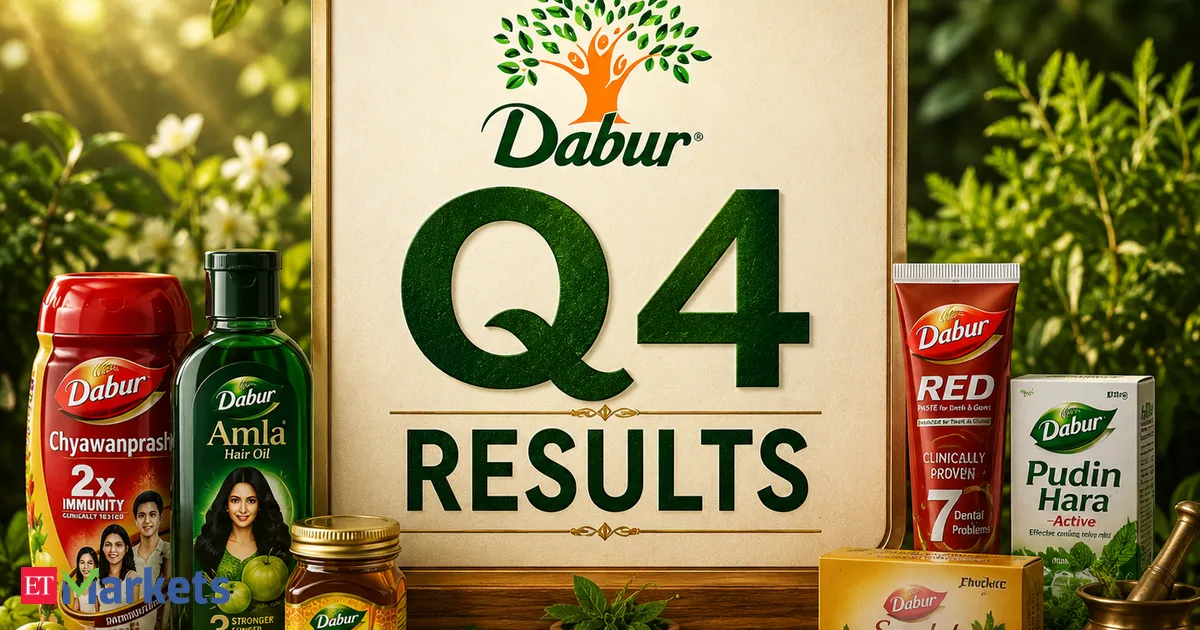
Dabur India expects further price hikes in Q1 FY27, citing persistent inflationary pressure, especially on packaging materials linked to Middle East tensions. The company has already implemented a 4% increase. Other FMCG players like HUL are also seeing higher component and packaging costs, suggesting margins could stay under strain even as demand shows signs of recovery.
Dabur India’s stock surged more than 4% after its Q4 results, with consolidated revenue rising 7.3% year-on-year. Domestic FMCG grew 9.5% supported by volume, but the company’s international business faced strain. Notably, its Middle East market, a major share of international revenues, was substantially impacted even as overall performance drew investor focus on management remarks.
India’s earnings season is pointing to a recovery that is real, but not dramatic. FMCG is getting a rural demand lift, yet growth remains modest. PSU banks have cleaner balance sheets, but net interest margins are under quiet pressure. Power and EMS demand stays strong, though profit durability may hinge on raw material costs and intensifying competition.
Reading on mobile?
Open Beige in the app for a smoother experience — free on iOS and Android.
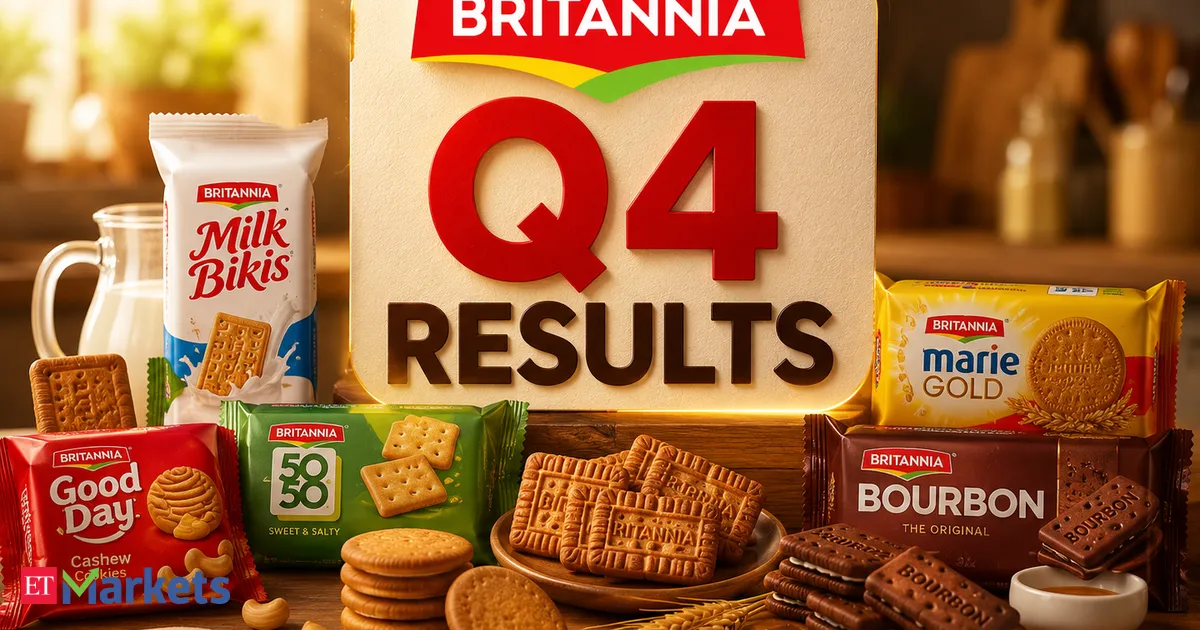
Britannia Industries shares fell over 4% after Q4 net profit rose 21%, as the company warned of impending biscuit price hikes. While investors expected good news, management pointed to input cost inflation and supply chain disruptions linked to West Asia conflict. Brokerages largely kept neutral views, reflecting uncertainty over cost pass-through and demand.
Britannia Industries shares fell about 5% even after reporting a higher profit in the quarter. Revenue and volume growth missed analyst expectations, while supply disruptions in its international business tied to the West Asia conflict weighed on March sales. The company pointed to improving traction in e-commerce and premium products, but analysts remain split on the stock’s next move.
Rising operational costs and persistent supply chain disruptions tied to the West Asia conflict are hitting smaller FMCG players disproportionately. With budgets tight and procurement harder, many smaller brands struggle to keep shelves stocked and maintain pricing power. Meanwhile, larger corporations can adapt more quickly and use the disruption to expand their market influence.
Britannia Industries reported a 21% year-on-year jump in consolidated net profit to Rs 678 crore for Q4, up from Rs 560 crore a year ago. Along with the earnings update, the company declared a dividend of Rs 90.5, pointing to a strong balance between growth and shareholder returns.
Follow your favourite sources
Track sources, tags and categories — all in the Beige app.
Dabur India’s fourth-quarter performance outpaced expectations as domestic FMCG demand and volume growth supported broad-based category gains. Revenue rose 7% while consolidated profit after tax increased 15% year-on-year to Rs 369 crore. The company also declared a final dividend of Rs 5.50 per share, citing resilience despite global inflation and geopolitical headwinds affecting overseas operations.
Kolkata-based Emami is set to acquire a 60% stake in IncNut Digital, the company behind beauty brands Vedix and SkinKraft, in a deal valued at Rs 321 crore. Emami plans to purchase the remaining stake over the next four and a half years, signaling a long-term push into the fast-growing skincare and wellness segment.
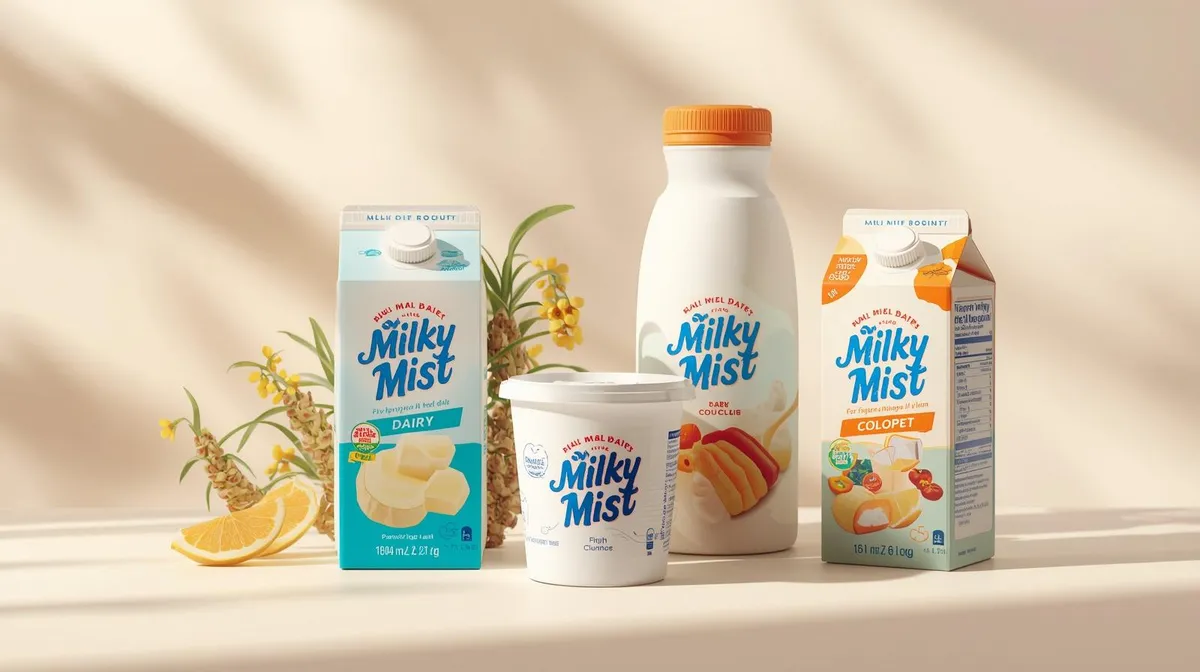
Milky Mist Dairy Food Ltd, headquartered in Erode, has raised about Rs 482 crore in a structured pre-IPO round anchored by Jongsong Investments, an indirect Temasek unit. The deal sets a valuation floor near Rs 9,300 crore, far below the earlier Rs 20,000 crore target. With SEBI IPO approval already secured, funds will support debt repayment and manufacturing and new product expansion.
Godrej Consumer Products Ltd expects margin pressure over the next few quarters as elevated crude oil prices raise input costs. The company says the current inflation cycle is manageable and believes revenue will still grow despite the squeeze. Analysts note the hit could be less disruptive than earlier commodity spikes, keeping investors focused on pricing power and volume momentum.
Stay informed on the go
Bite-sized news from 100+ trusted sources, right in your pocket.
Marico is retooling its growth strategy, shifting from familiar coconut oil strength toward premium and digital brands. The company is targeting double-digit revenue growth and aims to cross ₹15,000 crore by FY27, supported by higher-margin categories. It expects demand to recover steadily, plans stronger international growth, and is expanding and upgrading its distribution network to carry the momentum.
Deepika Padukone-backed D2C brand Epigamia has named former Mars executive Ritesh Gauba as CEO, tapping over 24 years of FMCG experience. COO Ankur Goel has been elevated to cofounder. The leadership changes follow the death of cofounder Rohan Mirchandani in December 2024. Epigamia sells across ecommerce, quick commerce, and 25,000 retail touchpoints, having raised about $60 million.
Swipe through stories, personalise your feed, and save articles for later — all on the app.