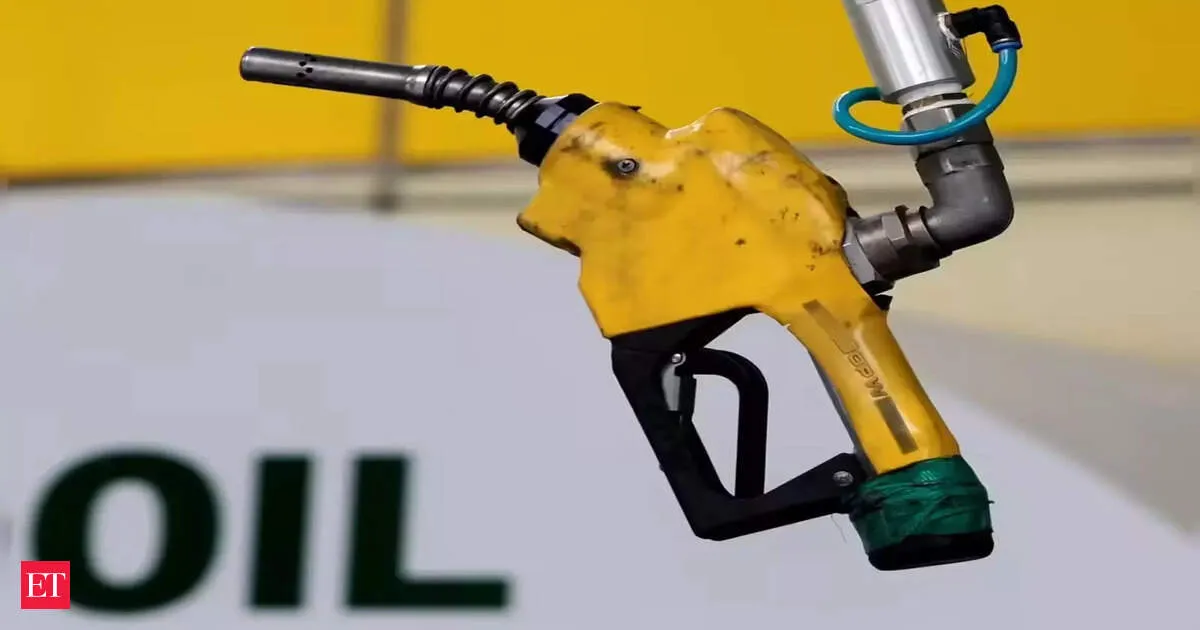
Fitch Ratings says Indian fuel retailers could see widening credit strain if crude oil prices stay high for longer than expected. The agency warns that delaying fuel price adjustments can squeeze profits and reduce cash reserves. Fitch adds that the impact will vary across companies depending on how they manage operations and investments, with credit ratings most at risk from sustained, not temporary, price stress.
As uncertainty from the Iran war ripples through global trade, Fitch’s BMI expects India to deploy three economic buffers. The plan emphasizes securing essential supplies, easing business costs via subsidies and tax relief, and expanding credit support for small firms. Together, these measures are aimed at stabilizing key industries and protecting jobs amid volatile conditions.
Your news, in seconds
Get the Beige app — every story in 60 words, updated hourly. Free on iOS & Android.
Fitch warns that the poor financial health of India’s state electricity distribution companies could create meaningful business risks for power traders. As discoms struggle, payment and contract stability may be affected, potentially disrupting trading economics across the power supply chain. Fitch’s assessment highlights how stress in state boards can reverberate into market participants.
Fitch has withdrawn its ratings on Reliance Capital, citing that the company decided to stop participating in the ratings process. The move effectively ends Fitch’s coverage of the firm’s credit standing, signaling a change in how the lender will be assessed going forward. Investors will now watch for how alternative measures and disclosures evolve.
Swipe through stories, personalise your feed, and save articles for later — all on the app.