The Centre has launched a new incentive scheme that offers priority access to a 3000 crore SASCI pool for states that show fiscal discipline. Better debt management, tighter borrowing practices, and improved fiscal transparency will be key criteria. The move is designed to strengthen fiscal governance and improve debt sustainability across states while incentivising responsible budgeting.
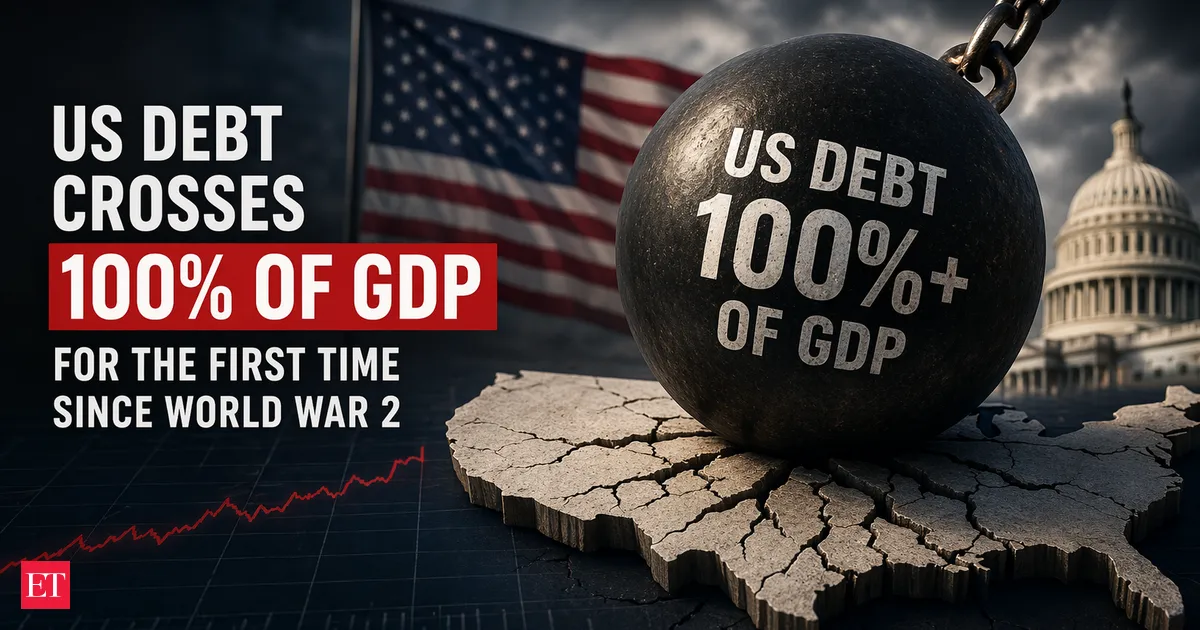
The US debt-to-GDP ratio hit 100.2% on March 31, meaning America’s national debt now exceeds the size of its entire economy. The $39 trillion burden is tied to rising interest payments that economists say will cost about $827 billion to fix—roughly matching the defense budget. Interest costs are nearly tripling since 2019, driven mostly by past borrowing.
Your news, in seconds
Get the Beige app — every story in 60 words, updated hourly. Free on iOS & Android.
India’s government says it will keep planned capital expenditure at Rs 12.22 lakh crore this fiscal year, even as fiscal strain rises amid the West Asia crisis. Officials indicate highways, railways, and urban development will remain priority areas, arguing that steady fiscal discipline helps the economy stay resilient through uncertain global conditions.
India is bracing for an energy cost shock as crude oil prices near $90. Higher crude and gas imports are expected to strain corporate earnings, squeeze consumer spending, and widen pressure on government finances. While the impact will ripple across sectors, experts flag aviation as especially vulnerable to rising fuel costs, with pain likely to spread further over time.
Department of Economic Affairs Secretary Ajay Seth said monetary and fiscal authorities are taking steps to moderate inflation despite domestic and global headwinds. He stressed that policy action is being calibrated to control price pressures while keeping growth momentum intact. Seth framed the approach as “whatever it takes,” signaling continued coordination to balance inflation containment with economic expansion.
Escalating fallout from the Iran War is complicating the RBI’s rate-cut plans. War-driven inflation is rising alongside growing subsidies and fiscal strain, while bond yields climb and oil shocks are still spreading. With inflation pressure building even as growth risks mount, the RBI may face a harsher tradeoff: cushion the economy or keep inflation in check.
Never miss a story
Set alerts for the topics and sources you care about. Download Beige for free.
Swipe through stories, personalise your feed, and save articles for later — all on the app.