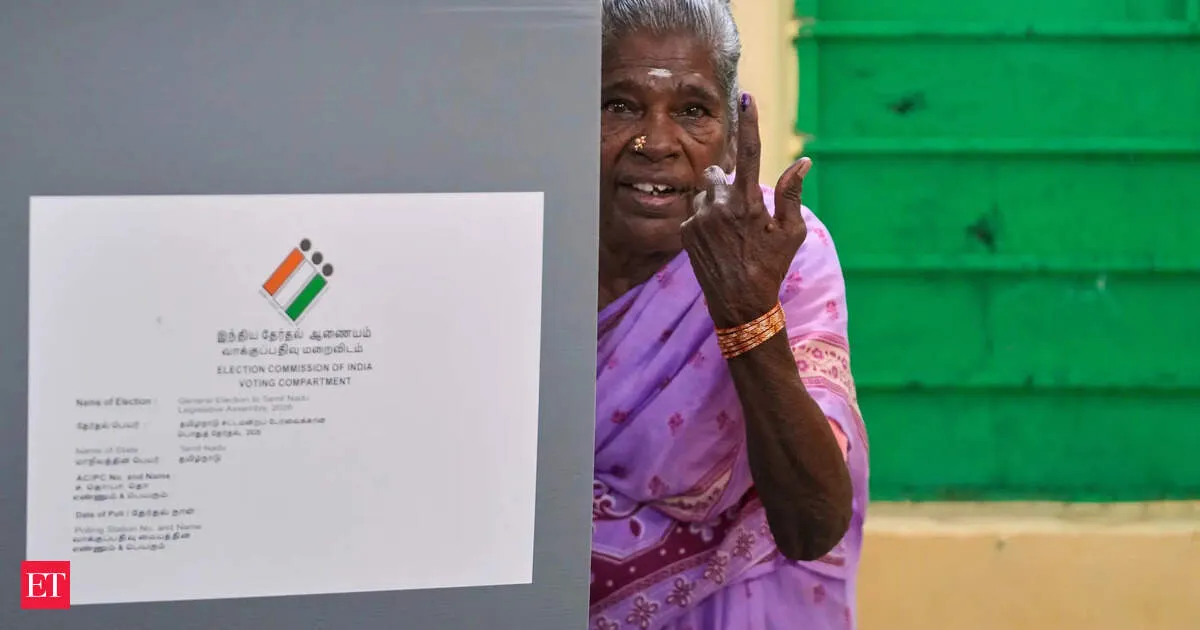
India’s latest state election results are fueling a new round of populist promises, with states pledging cash handouts and expanded welfare. Economists warn this could push fiscal deficits wider, even as the 3% deficit ceiling starts looking like a minimum. The spending race may also squeeze funding for infrastructure and job creation ahead of future polls.
Kotak Institutional Equities says any Sensex and Nifty rally triggered by state election outcomes could be brief. Analysts point to rising oil prices, a widening fiscal deficit, and worsening geopolitical tensions as factors that may quickly override early optimism. Even if poll results lift sentiment initially, markets may refocus on macro pressures driven by crude and deficit concerns.
Your news, in seconds
Get the Beige app — every story in 60 words, updated hourly. Free on iOS & Android.
Crisil expects the RBI’s Monetary Policy Committee to keep interest rates unchanged this fiscal year, with downside growth risks outweighing inflation worries. Producers may see higher costs, but consumer price pressures remain contained. The government’s push to trim the fiscal deficit could raise market borrowing, while the current account deficit is projected to widen.
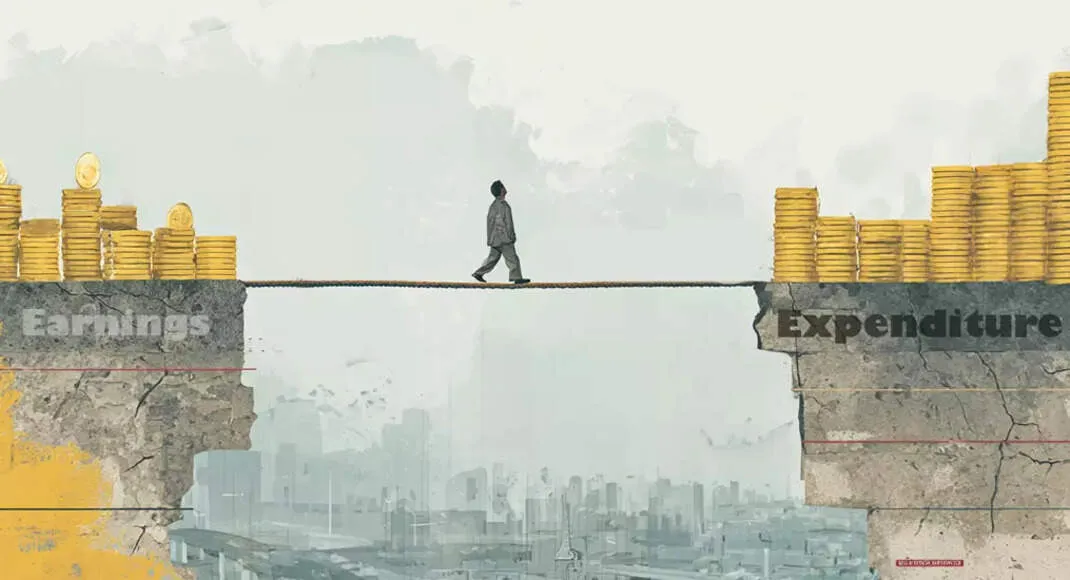
Lower-than-budgeted tax collections and softer nominal GDP growth are squeezing India’s fiscal assumptions, raising the risk that the government may need to cut capital expenditure. The move would be aimed at protecting the 2025–26 fiscal deficit target, even as weaker revenues and growth make budget math harder to meet.
India’s fiscal deficit for FY27 is likely to exceed the budgeted target, with BMI projecting it could reach about 4.5% of GDP. The pressure is linked to policy responses to the West Asia conflict, including support for firms, higher energy and fertilizer subsidies, and possible export curbs on critical inputs like helium and sulphur. Infrastructure spending may also be deferred to contain costs.
The Centre plans to raise about Rs 8 lakh crore via dated securities between April and September 2026-27, the finance ministry said. The borrowing is aimed at funding the government’s revenue gap. The move highlights how fiscal needs are being met ahead of the first half of the next financial year, potentially shaping bond market expectations.
Never miss a story
Set alerts for the topics and sources you care about. Download Beige for free.
Swipe through stories, personalise your feed, and save articles for later — all on the app.