UK financial authorities are urging firms to prepare for risks from frontier AI models, saying their cyber capabilities can exceed what skilled human practitioners achieve. In a joint statement, the finance ministry, the Bank of England and the Financial Conduct Authority warned that if these systems are used maliciously, they could amplify threats to firms’ safety, customer protection, market integrity and financial stability. Regulators also pointed to concerns raised by BoE governor Andrew Bailey about Anthropic’s Mythos product.
The Reserve Bank of India and the European Central Bank have signed an updated Memorandum of Understanding to strengthen cooperation in central banking. The pact revises an earlier 2015 agreement, enabling smoother information exchange and policy dialogue. Both banks will work together on shared priorities, deepening coordination on banking practices and supporting broader financial sector growth.
Your news, in seconds
Get the Beige app — every story in 60 words, updated hourly. Free on iOS & Android.
The RBI has updated rules on how banks calculate capital strength by changing what portion of quarterly profits can be included. The regulator removed a prior condition that linked this inclusion to NPA-linked bad loan provisions. Supporters say it improves capital reporting flexibility, while critics may ask how it affects risk discipline and transparency for lenders.
A paper by the Economic Advisory Council to the Prime Minister recommends revising priority sector lending. Instead of optimising mainly for economic efficiency, it argues the system should better serve social equity. The proposal also suggests removing outdated categories, aiming to reduce rigidity and give banks more flexibility in meeting priority targets.
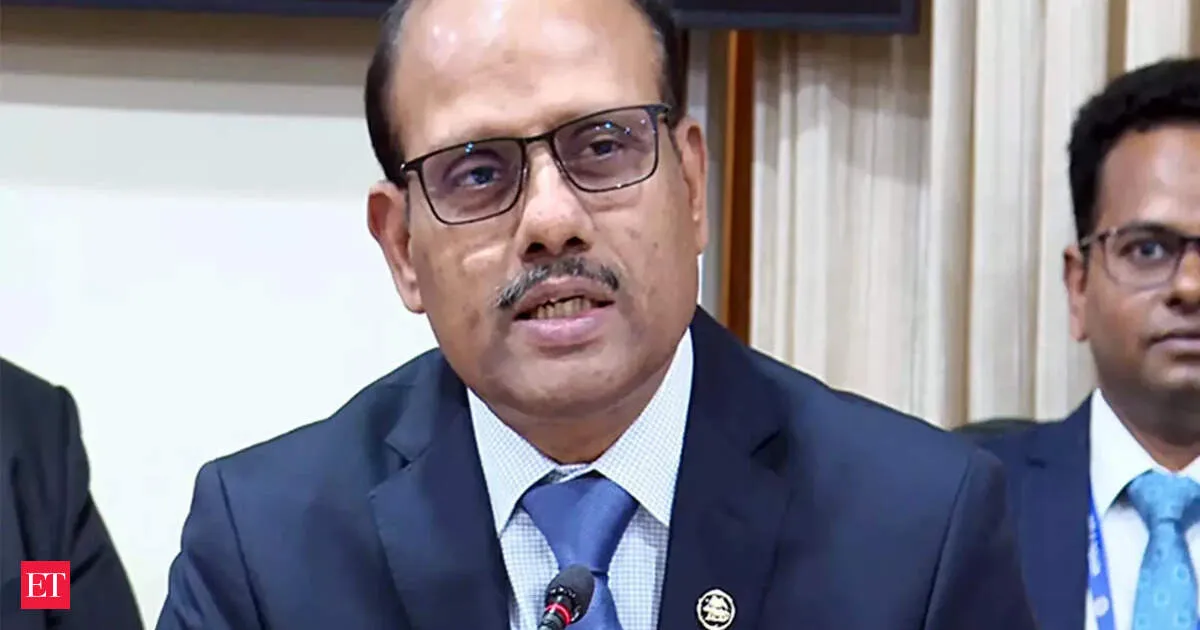
RBI Deputy Governor Swaminathan J says banking supervision cannot rely solely on reported figures, warning that weak oversight can allow hidden risks to grow unnoticed. He argues regulators must understand actual business operations to better protect depositors and safeguard the wider economy. With digital banking expanding fast, he calls for stronger judgment and a public-purpose mindset.
The Reserve Bank of India has issued final directions for small NBFCs, turning down multiple requests from the industry. Key changes include treating equity investments in group entities as indirect public funds, classifying promoter and related-party borrowings as public funds, and viewing intra-group loans as customer interface. The RBI said these steps tighten compliance under existing norms.
Never miss a story
Set alerts for the topics and sources you care about. Download Beige for free.
Finance Minister Nirmala Sitharaman has called for a unified know-your-customer framework across India’s financial sector, asking SEBI to lead the effort. She also pressed SEBI to prepare for future risks, warning about AI misuse and growing cyber threats. The government’s goal: stronger cyber defenses to protect market stability and public trust.
Finance Minister Nirmala Sitharaman urged the financial sector to be exceptionally vigilant on cybersecurity, warning that advanced AI tools are accelerating cyberattacks and making them increasingly difficult to detect. She said defenses must evolve faster than attackers. Sitharaman also called for common KYC norms and a principles-based regulatory approach to support market growth while protecting investors.
NPCI, the body behind India’s UPI payments system, has tightened rules by capping daily transactions per account at 10. This is a drop from the earlier limit of 20, introduced via a circular dated October 21. The move targets artificial, incentive-driven transactions that can distort usage patterns on the platform.
Paytm founder Vijay Shekhar Sharma is calling for regulatory and technology reforms to streamline India’s IPO process. His push centers on using CBDC, the central bank backed digital rupee, for IPO settlements—potentially shortening transaction timelines and enabling real-time fund transfers instead of relying on slower settlement cycles.
Reading on mobile?
Open Beige in the app for a smoother experience — free on iOS and Android.
JPMorgan CEO Jamie Dimon says losses in the $1.8 trillion private credit market may be “higher than expected.” But the warning isn’t new: the Fed, IMF, Financial Stability Board, and other regulators have been assembling evidence for over a year. The report connects the risk from loan origination through private credit vehicles to where a wider shock could emerge.
Peer-to-peer lending firms are watching closely as the RBI seeks comprehensive financial data from P2P players. Industry participants believe the move could set up major policy changes, including a possible revision of the current Rs 10 lakh lending cap. The regulator’s data request signals a deeper review that may reshape how P2P platforms operate going forward.
The World Bank has asked India’s finance ministry to stop hearing appeals against RBI orders and transfer that power to an independent, tribunal-style body. Supporters argue it would improve fairness and transparency, but critics note it revives an idea already pushed a decade ago by the Financial Sector Legislative Reforms Commission—raising questions about design and impact.
Swipe through stories, personalise your feed, and save articles for later — all on the app.