Foreign institutional investors have accelerated their exit from Indian equities, selling about $53 billion since late 2024 and pushing the MSCI India index down roughly 8% between September 2024 and May 2026. In Q4, HDFC Bank topped the list with foreign investors cutting 47.95 crore shares and selling Rs 41,449 crore, alongside heavy selling in Kotak Mahindra Bank and Bharti Airtel. Despite the pressure from FIIs, domestic institutions have increasingly taken the lead.
Indian equity markets slid for a fourth consecutive session, with the Sensex and broader indices hit by rising crude oil prices, geopolitical tensions, foreign investor selling, and a rupee at record lows. The sharp losses dragged benchmark, midcap, and smallcap stocks. Analysts say volatility could continue unless global tensions ease and inflation concerns stabilise.
Your news, in seconds
Get the Beige app — every story in 60 words, updated hourly. Free on iOS & Android.
Indian markets fell on Tuesday, with the Nifty closing below 24,000. Analysts cite turmoil in West Asia, rising crude oil prices, and a weakening rupee pushing the currency near a one-month low versus the dollar. Foreign institutional investors also kept selling, adding pressure as traders track these macro signals for the next session.
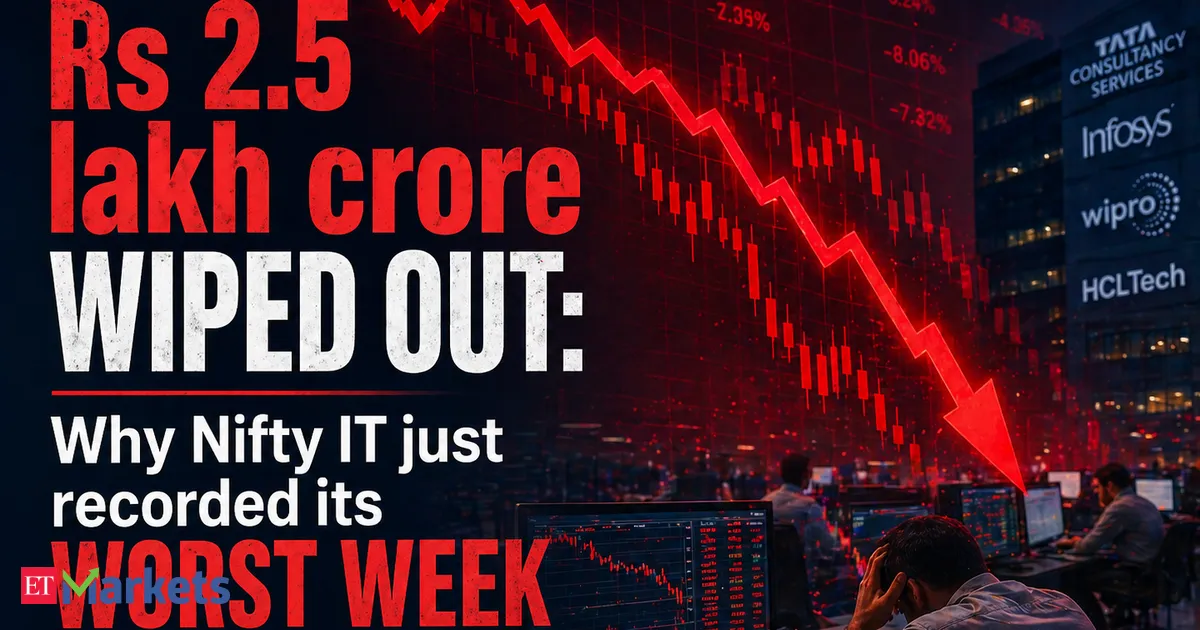
India’s Nifty IT index slid about 10% in a single week, its worst stretch since March 2020, as weak Q4 earnings and cautious guidance spooked investors. Heavy selling accelerated amid FIIs reducing exposure and deteriorating technical indicators. While some investors see value in mid-cap IT names over the long run, analysts warn downside risk may persist.
During India’s March selloff, mutual funds are estimated to have deployed about Rs 80,000 crore into equities, cutting back cash holdings as they moved to offset heavy foreign institutional investor selling. The purchases arrived during an over 11% market correction and amid rising crude oil prices tied to the Gulf crisis, underscoring a sharp inverse link between oil and Indian equities.
Groww is seeing a spike in trading activity as foreign investor selling and global tensions rattle markets, even while the company reports strong profit and revenue growth. The surge appears to be fueling short-term platform activity, but sustained FII outflows could weigh on new user growth and slower asset inflows over the medium term.
Never miss a story
Set alerts for the topics and sources you care about. Download Beige for free.
Swipe through stories, personalise your feed, and save articles for later — all on the app.