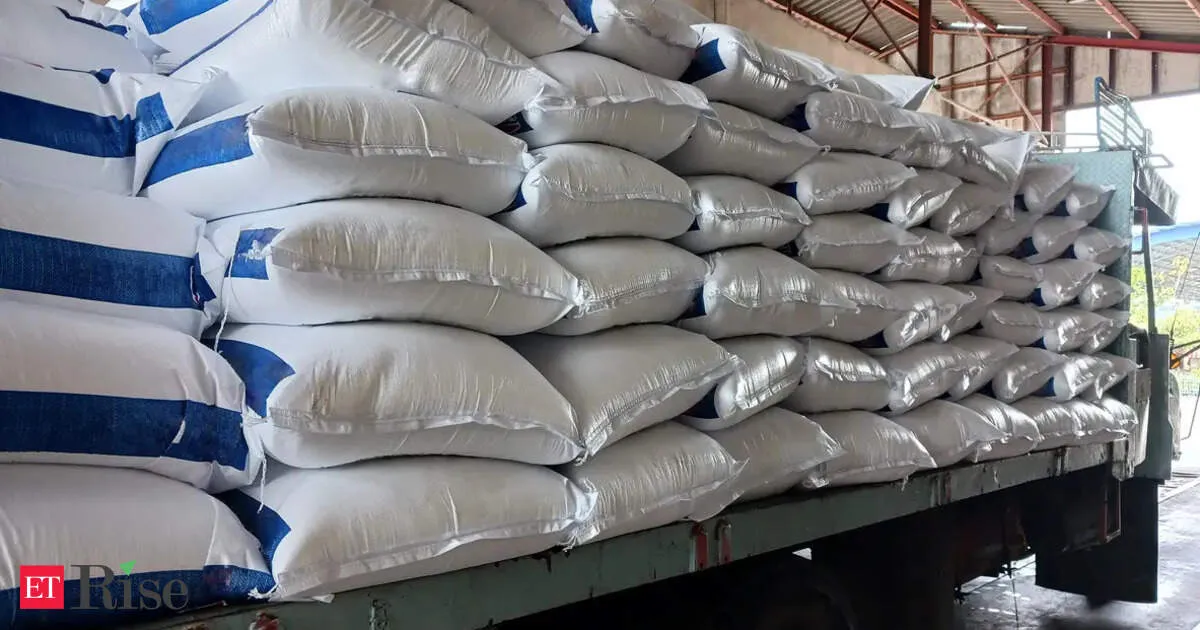
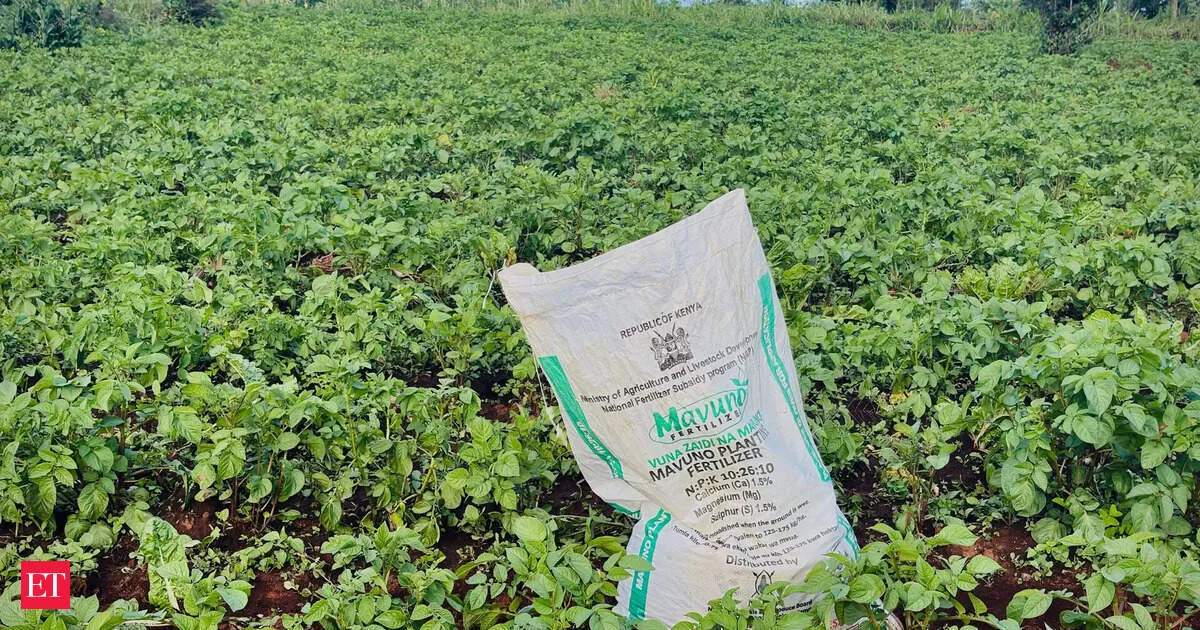
India has contracted diammonium phosphate fertilizer at prices close to 40% higher than pre war levels, blaming Middle East conflict driven supply disruptions and rising global rates. Indian Potash Ltd. agreed to buy about 1.35 million tons of DAP for delivery on both coasts at roughly $930 to $935 per ton, surpassing last week’s 1.2 million ton tender demand.
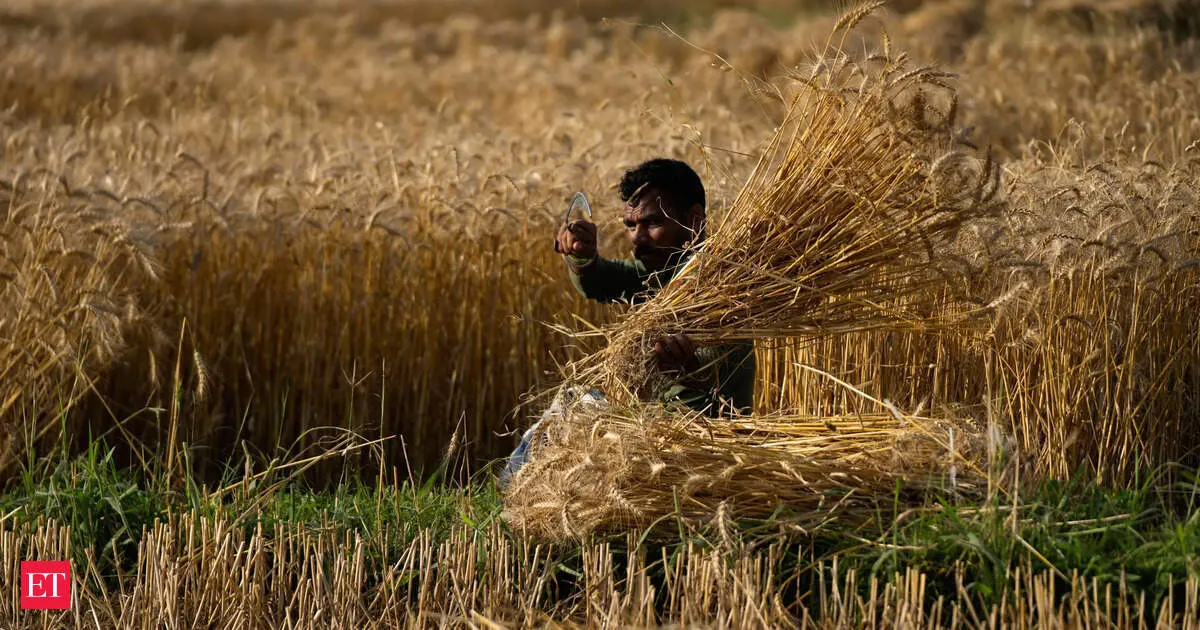
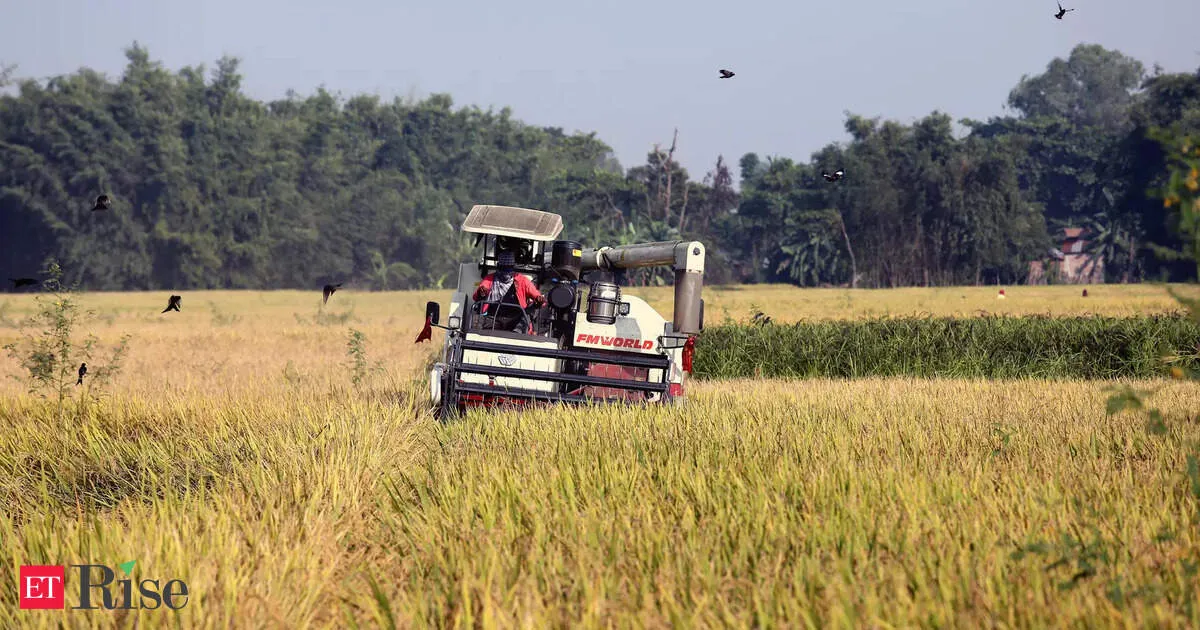
With kharif season nearing, farmers are increasingly turning to soybean and pulses like urad and masur, driven by fears of erratic monsoons and potential fertilizer shortages. After a recent surge, maize planting is expected to fall as growers prefer crops that need less fertilizer and carry lower risk in unpredictable weather.
Your news, in seconds
Get the Beige app — every story in 60 words, updated hourly. Free on iOS & Android.
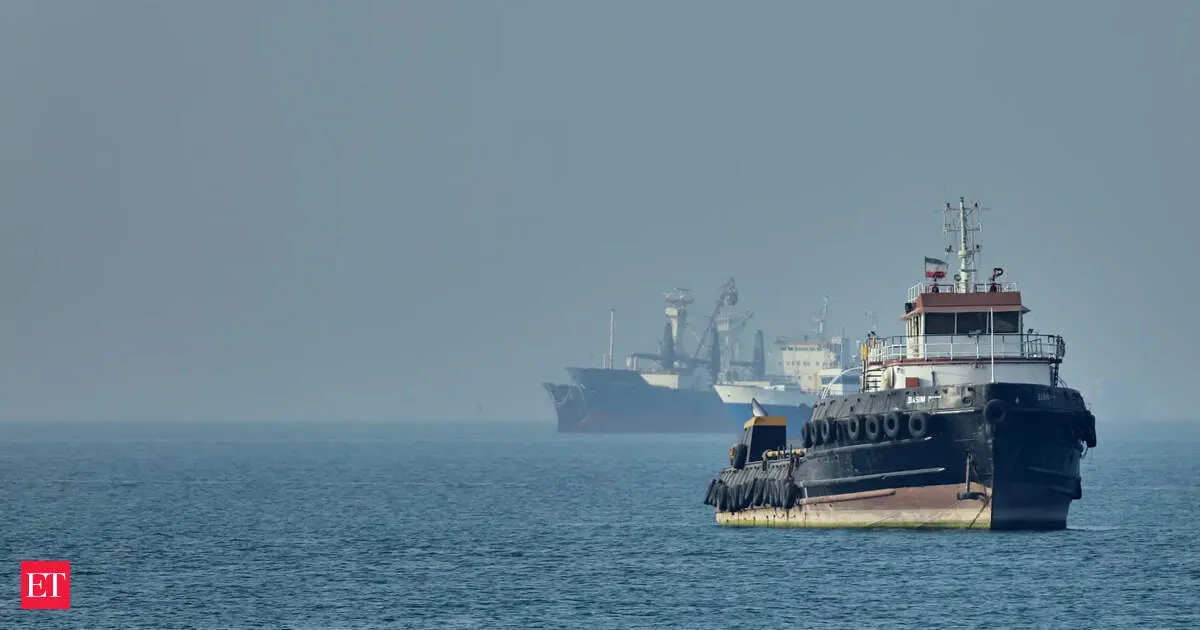
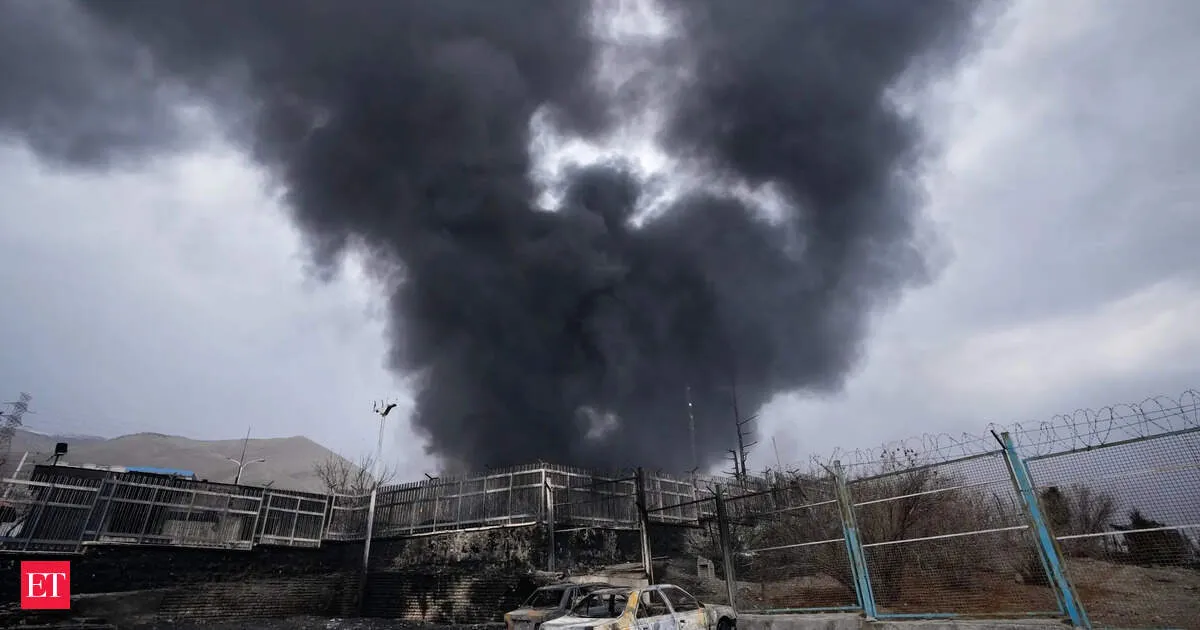
A UN official warned that a continued deadlock over opening the Strait of Hormuz could rapidly worsen global instability, with humanitarian consequences coming into focus. The strait is a vital chokepoint for energy and trade, and analysts note that a major share of the world’s fertilizer shipments normally passes through it—raising fears of price spikes, shortages, and cascading impacts on food security.
An India-bound urea shipment was cancelled after officials flagged potential links to Iran, a move that could worsen supply pressure for the world’s top fertilizer importer. The cargo aboard the bulk carrier Infinity was reportedly withdrawn by Aditya Birla Global Trading. With global urea prices rising, the scrapping adds fresh uncertainty for India’s fertilizer availability.
Urea output in the Gulf has dropped, while fertilizer ships face delays in finding safe routes, tightening supply chains. Officials and traders are trying to secure alternative shipping paths for essential goods. The combined impact could worsen food inflation if fertilizer shortages reduce crop inputs and slow seasonal planting.
The World Bank warns global energy costs are poised to peak at the highest level since the Ukraine invasion, driven by Middle East conflict. Fertilizer prices are also expected to rise sharply, threatening crop yields and farmer incomes. As inflation climbs, interest rates may increase, making borrowing more expensive for developing countries and the poorest households.
Never miss a story
Set alerts for the topics and sources you care about. Download Beige for free.
China is reportedly tightening customs checks on fertilizer exports, focusing on ammonium sulphate, to stop traders from bypassing new restrictions. Authorities are watching for misdeclarations where urea or potash are reported as permitted ammonium sulphate. The crackdown comes as a sharp domestic versus international price gap grows, driven partly by global disruptions including the Strait of Hormuz.
China says it will stabilize its fertilizer market as spring planting starts, after domestic prices rose but stayed well under international benchmarks. The agriculture ministry claims supplies will remain ample, a move aimed at protecting food security during the critical planting season. The commitment could influence global fertilizer expectations and pricing dynamics.
European Trade Commissioner Maros Sefcovic says he understands U.S. relief on Russian oil sanctions is temporary, after talks with Treasury Secretary Scott Bessent. The discussion also turned to knock-on shocks from closures near the Strait of Hormuz, and fertilizer supply chain disruptions hitting Europe and Africa. Bessent urged G20 countries to improve fertilizer access.
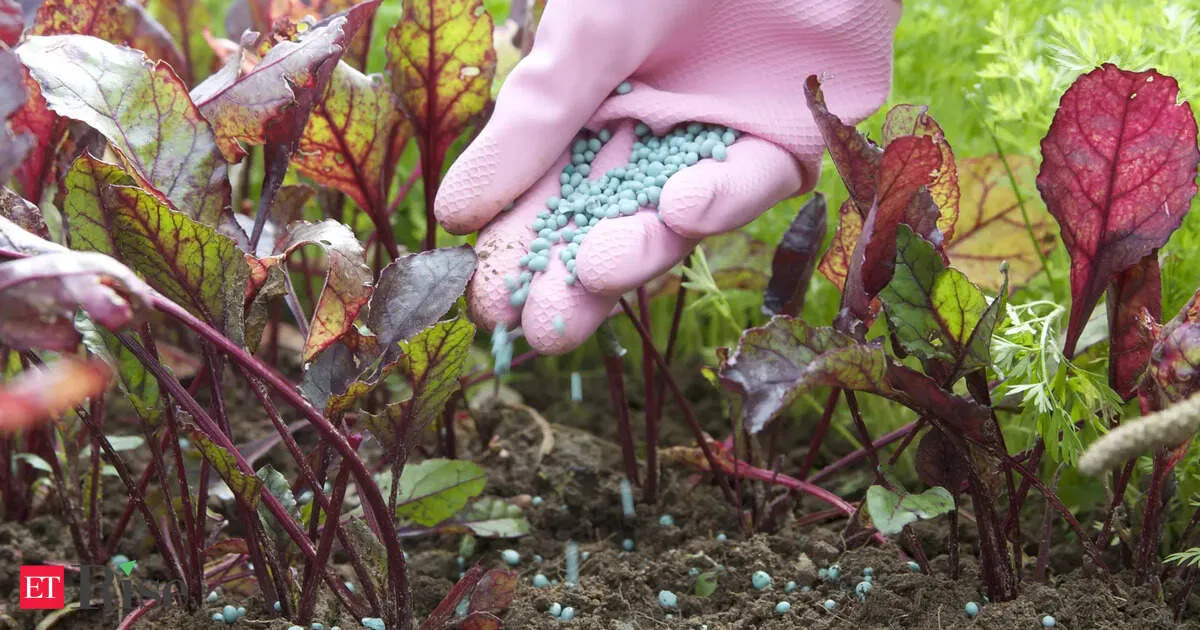
Fertilizer prices are surging, hitting key agricultural economies as urea and phosphate become harder and costlier to source. Major exporters are curbing sales to manage shortages and earnings, while importing countries hunt for alternative supplies, raising the risk of a wider food crisis if the imbalance persists.
Reading on mobile?
Open Beige in the app for a smoother experience — free on iOS and Android.
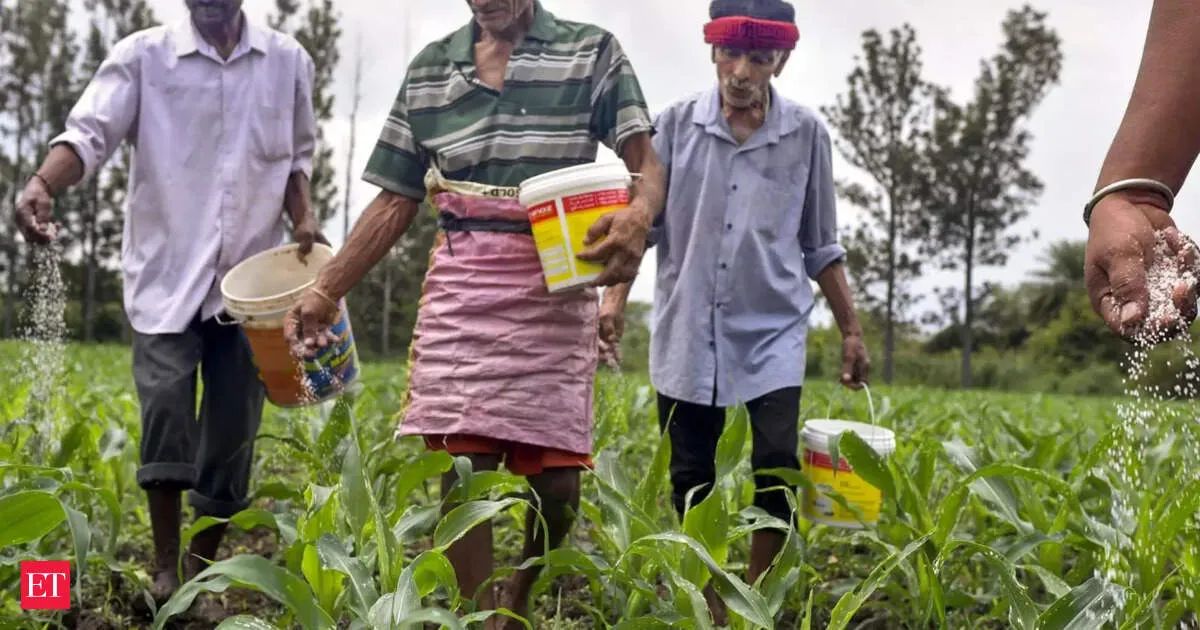
India is set to purchase 2.5 million tons of urea fertilizer at rates nearly 90% higher than before the Middle East conflict, with global supplies tightening under geopolitical pressure. Indian Potash Ltd. will source the shipment just ahead of monsoon crop sowing, in a move aimed at preventing fertilizer shortages during the critical planting season.
Swipe through stories, personalise your feed, and save articles for later — all on the app.