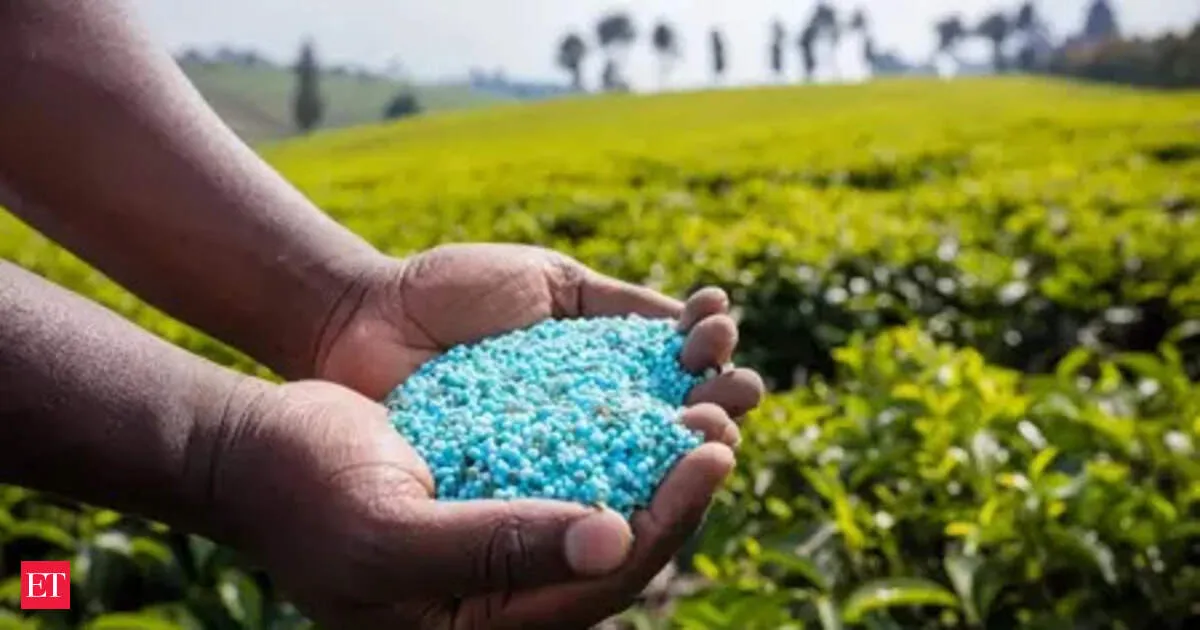
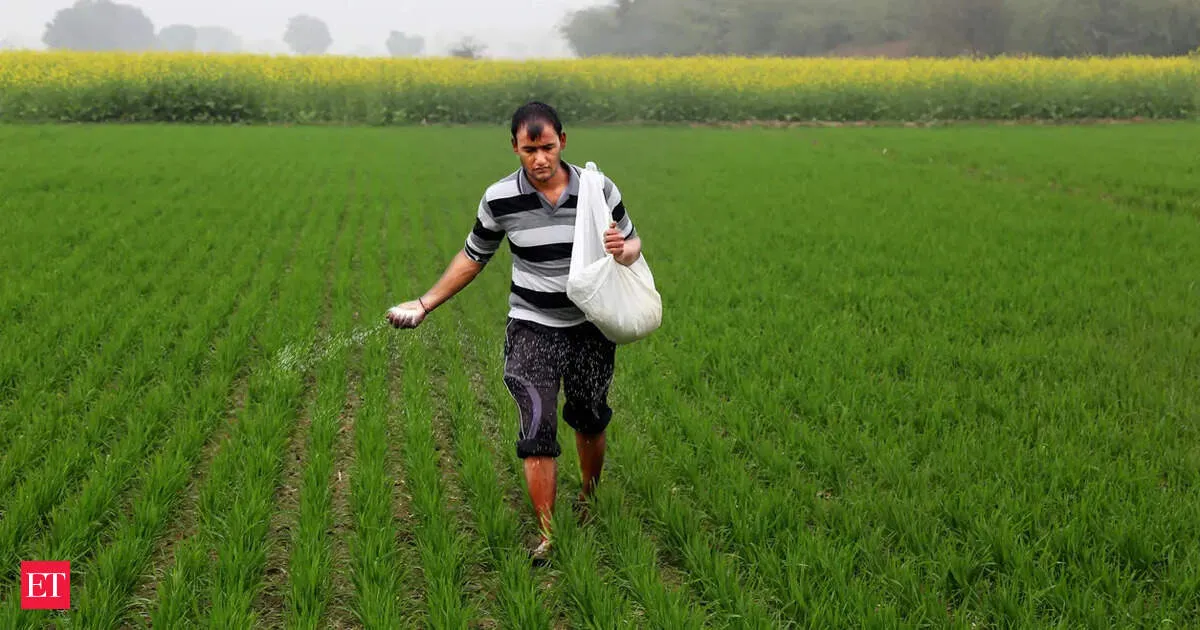
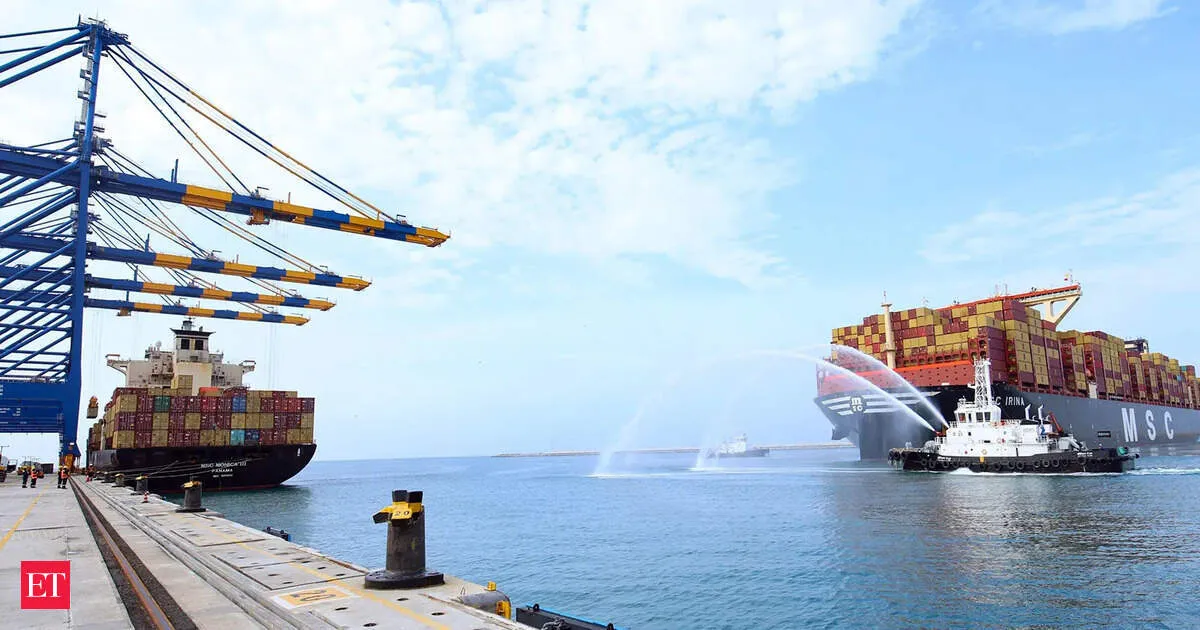
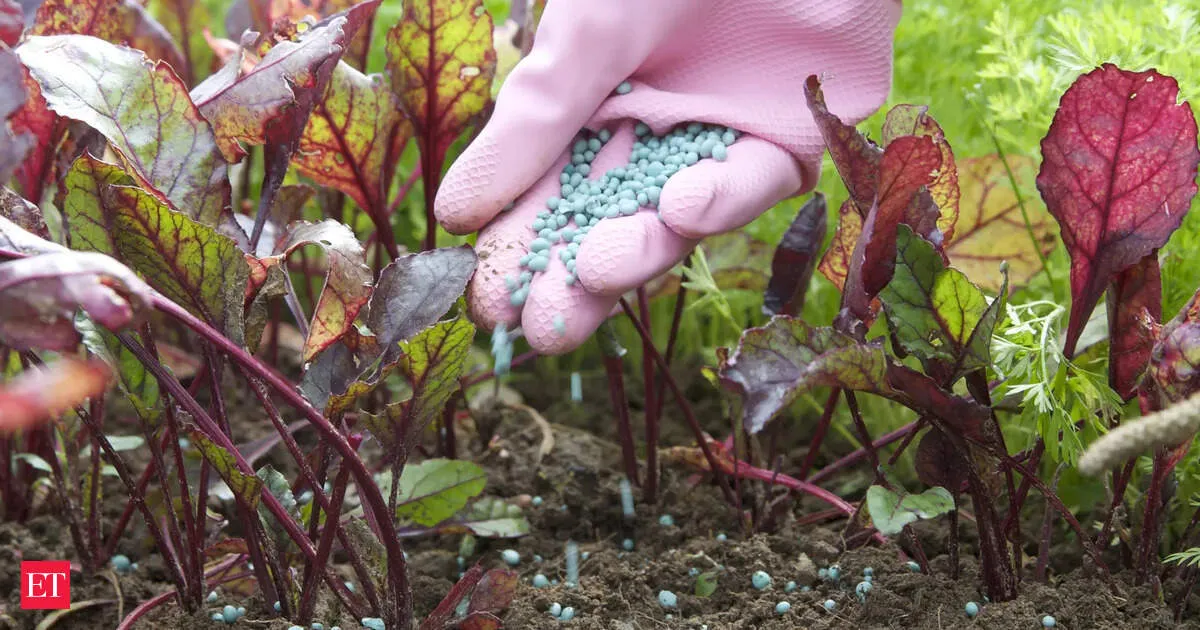
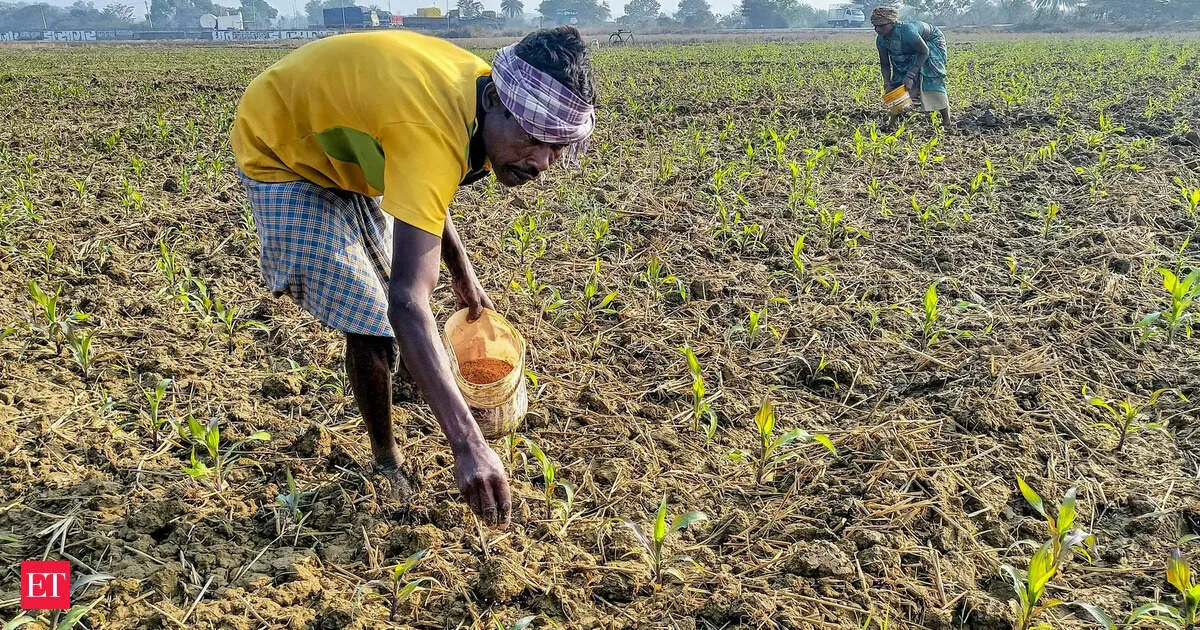
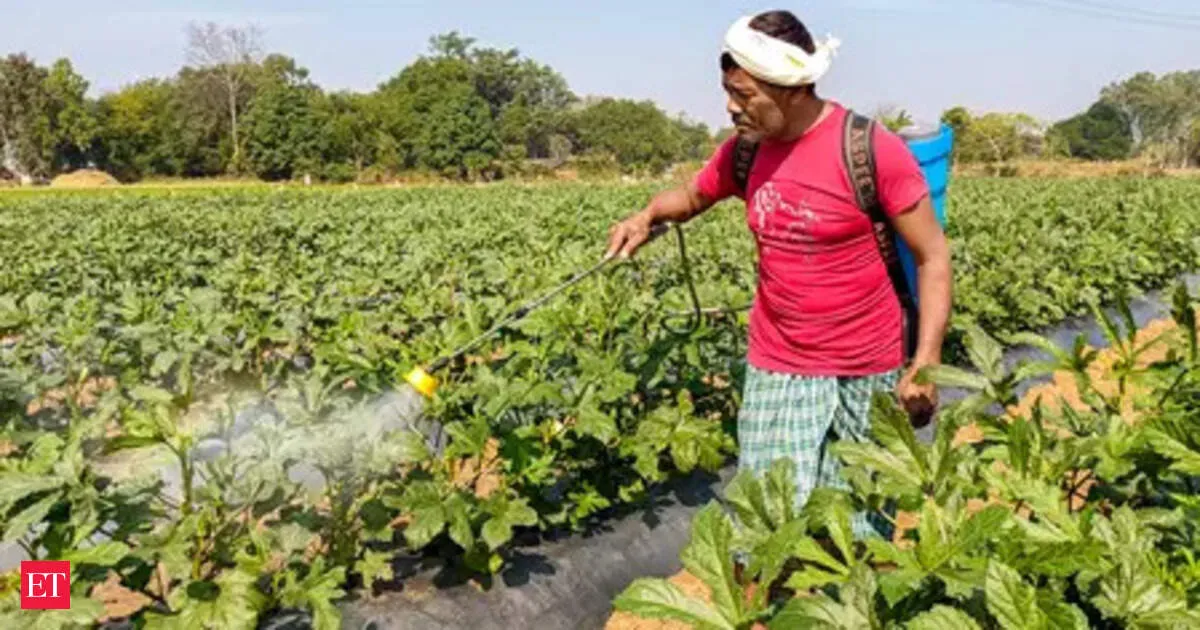
India may need to overshoot its fertiliser subsidy estimates by about Rs 70,000 crore, driven by heavy import dependence for DAP and limited domestic urea coverage. With DAP imports accounting for over 80% of requirements and urea production meeting only 30–35% of total demand, officials say the Centre is focused on ensuring sufficient stocks for farmers at affordable rates.
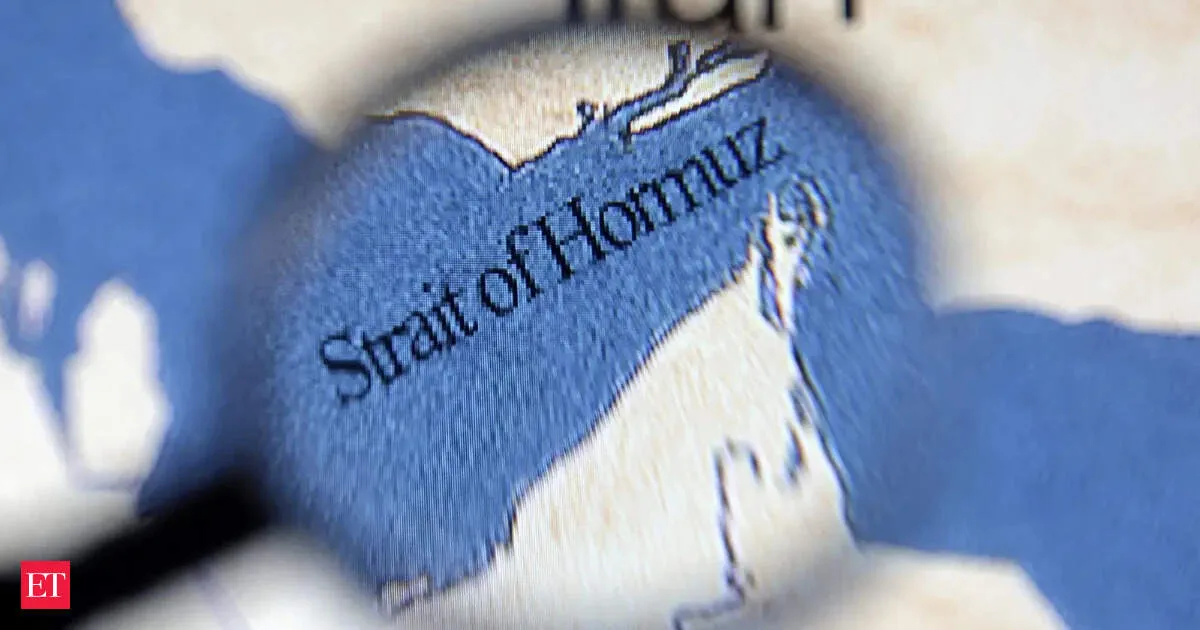
A UN task force warns that tens of millions could face hunger if fertilizer shipments are blocked through the Strait of Hormuz. The disruption comes as Iran retaliates amid a wider US Israel conflict, squeezing a trade route crucial to global food production. The UN says political will from key countries is needed to reopen passage and prevent a humanitarian crisis.
Your news, in seconds
Get the Beige app — every story in 60 words, updated hourly. Free on iOS & Android.
Madhya Pradesh Agriculture Secretary Nishant Warwade says the e Vikas fertiliser system has reached 1.3 million farmers so far. He claims it has reduced long queues at procurement points and nudged farmers toward need based fertiliser use rather than habitual over application. The move is positioned as a behavioural change tool alongside distribution improvements.
Nepal plans to procure 80,000 tonnes of fertiliser from India via a government-to-government deal to cushion disruptions in global supply and rising prices. The one-time shipment is meant to cover a projected gap for the upcoming paddy transplantation season, as higher global costs have squeezed Nepal’s ability to import fertiliser.
Morgan Stanley says India may benefit from the West Asia conflict with a potential $800 billion capex boost across energy, defence, fertilisers and data infrastructure. But the brokerage warns the upside comes with real headwinds: India’s heavy dependence on oil and fertiliser imports could keep costs and risks elevated even if investment momentum rises.
India’s fertilizer position looks resilient despite tensions in West Asia. Domestic urea output in March–April hit 37.49 lakh tonnes, almost in line with last year. Meanwhile, the government has secured 37 lakh tonnes of imported urea to protect supply ahead of the Kharif season, aiming to prevent shortages from disrupting farm inputs.
Never miss a story
Set alerts for the topics and sources you care about. Download Beige for free.
India has floated a global tender to import 50 million tonnes of NPK fertilisers and 35 million tonnes of ammonium sulphate to bolster nutrient reserves ahead of the June main sowing season. The move aims to protect supply and stabilise availability during peak planting, with imports covering a combined 85 million tonnes of fertiliser inputs.
Ahead of the Kharif season, the government says India’s fertiliser supply is robust, with data showing availability exceeding expected demand for key nutrients. It claims stocks are high and is tightening monitoring to prevent hoarding while ensuring timely distribution. With support for subsidised urea and both global sourcing and domestic production, officials say farmers won’t face shortages.
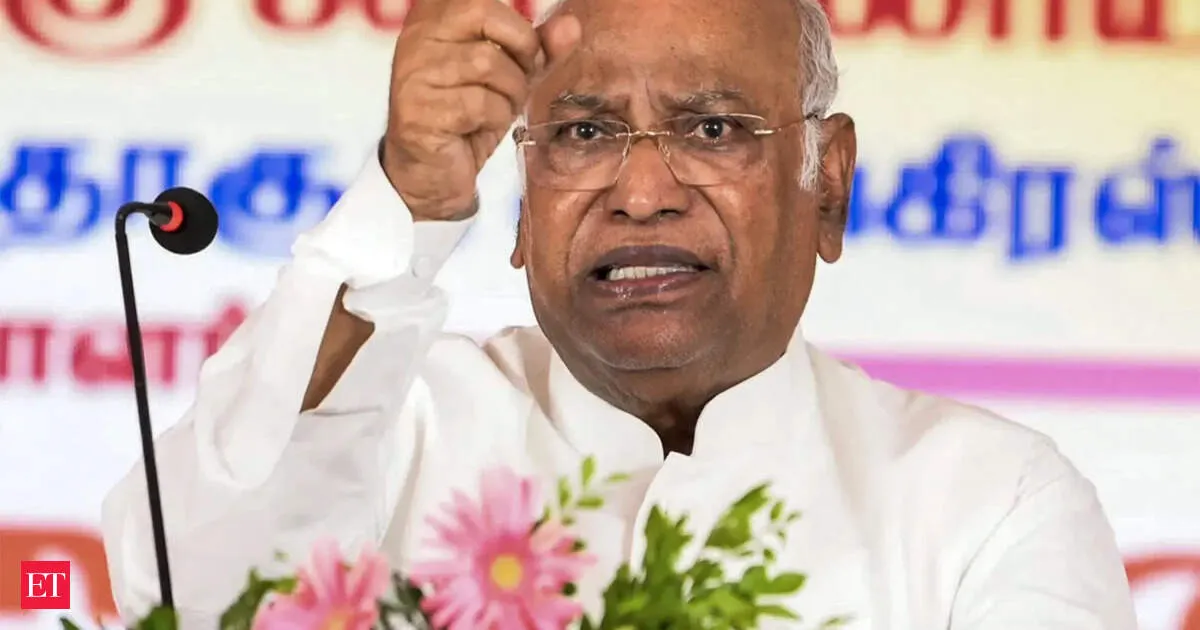
Congress leader Mallikarjun Kharge accused the Modi government of failing on fuel and fertiliser security, citing declining production and worsening import dependence. He also invoked remarks by Murli Manohar Joshi on the “Vishwaguru” rhetoric, arguing the government is deflecting criticism with talks around delimitation. The row highlights fears over India’s ability to secure essentials.
India’s drugmakers are warning that a government directive restricting surplus ammonia supply to fertiliser firms could trigger a raw material crunch for pharmaceuticals. Since ammonia is a key input for API production, limited alternative sourcing may disrupt manufacturing, raise the risk of medicine shortages, and hit export commitments.
Reading on mobile?
Open Beige in the app for a smoother experience — free on iOS and Android.
Swipe through stories, personalise your feed, and save articles for later — all on the app.