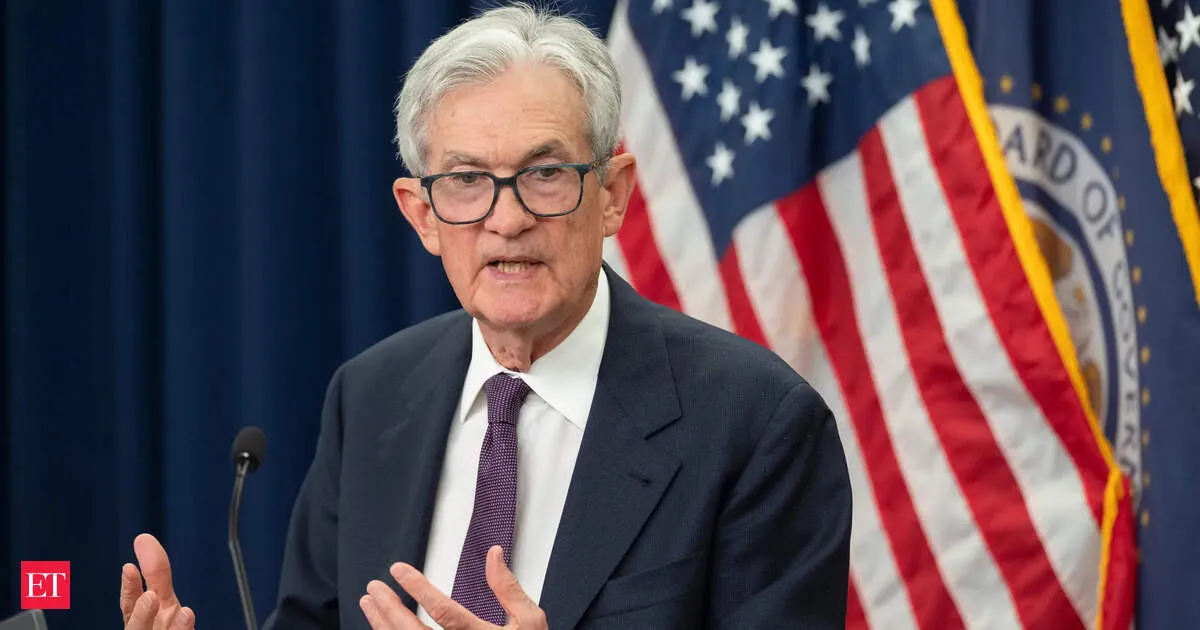
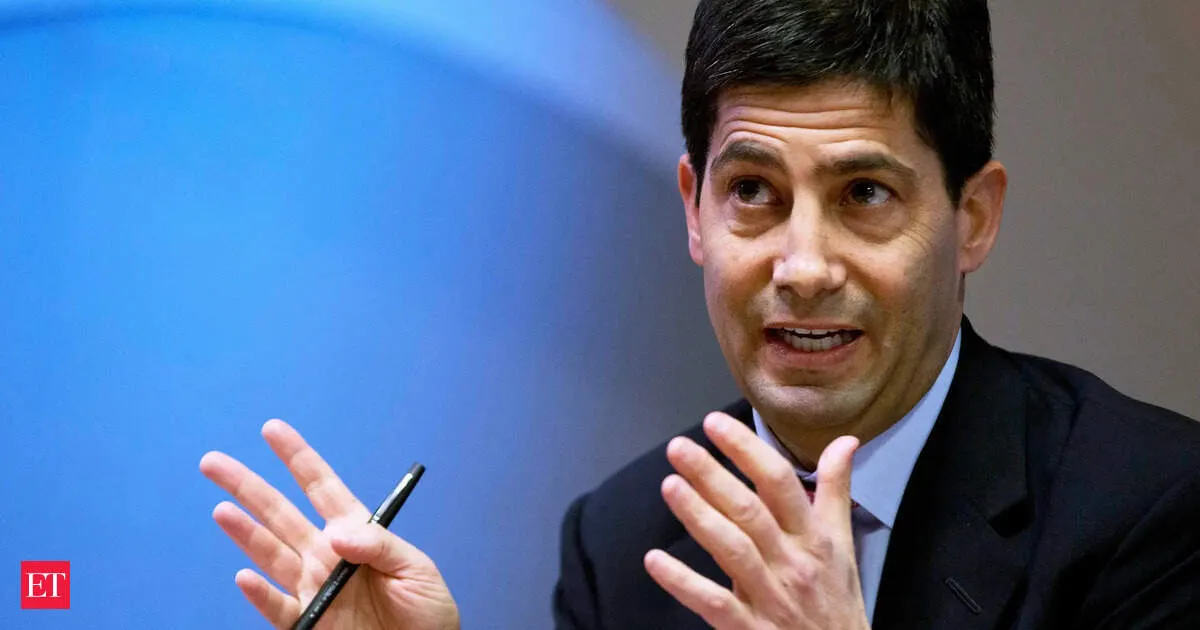
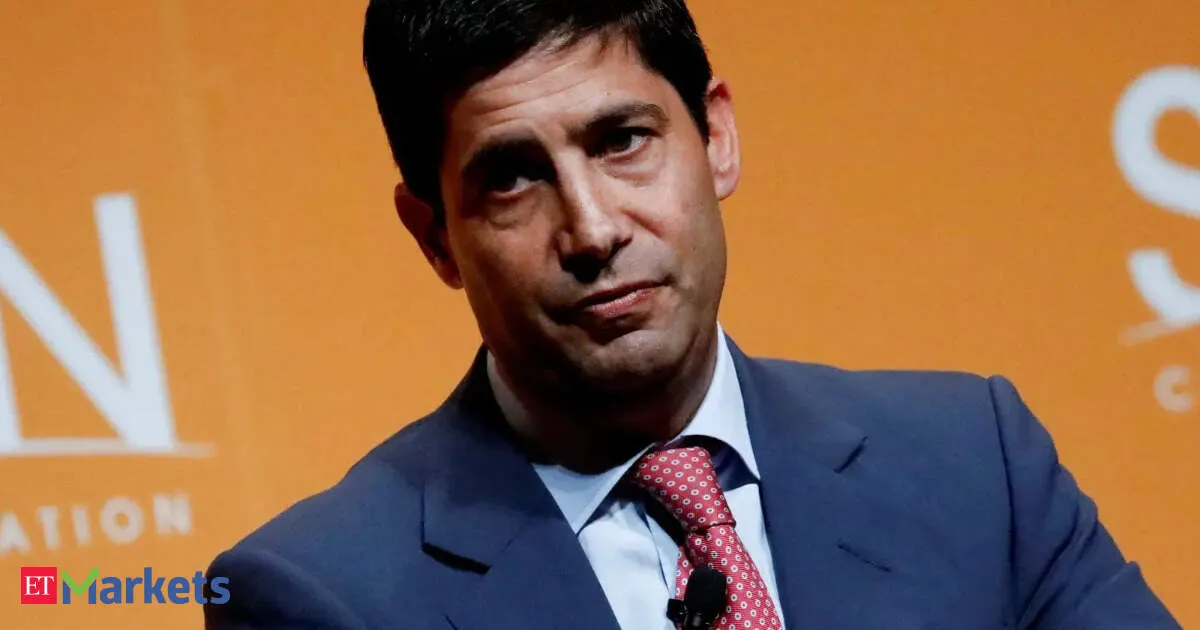
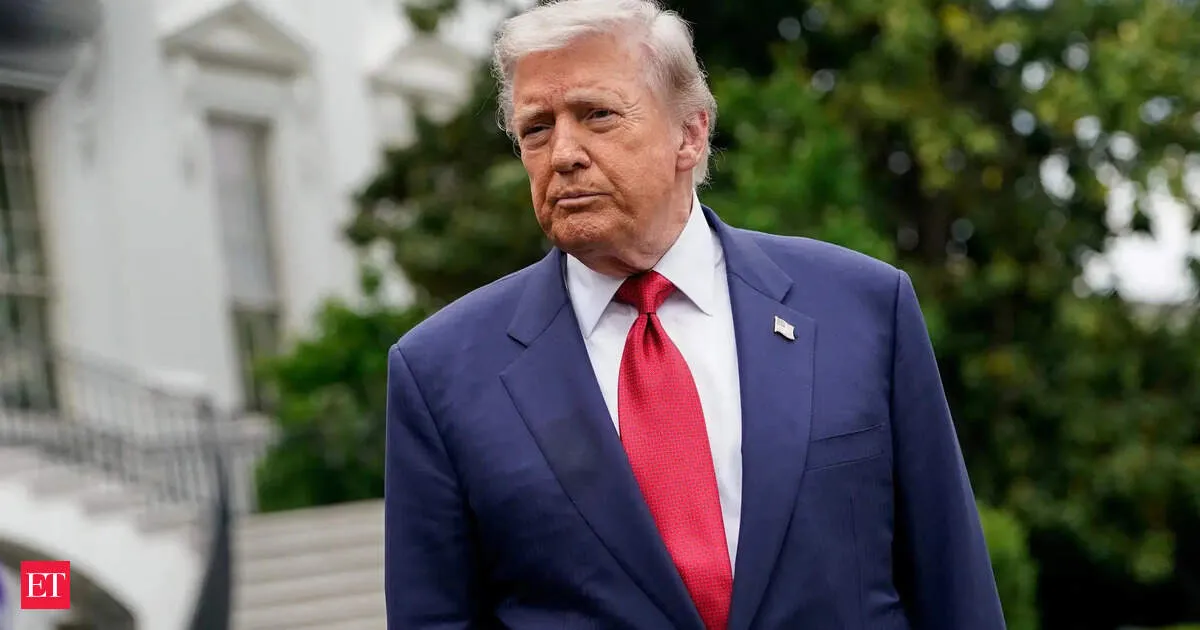
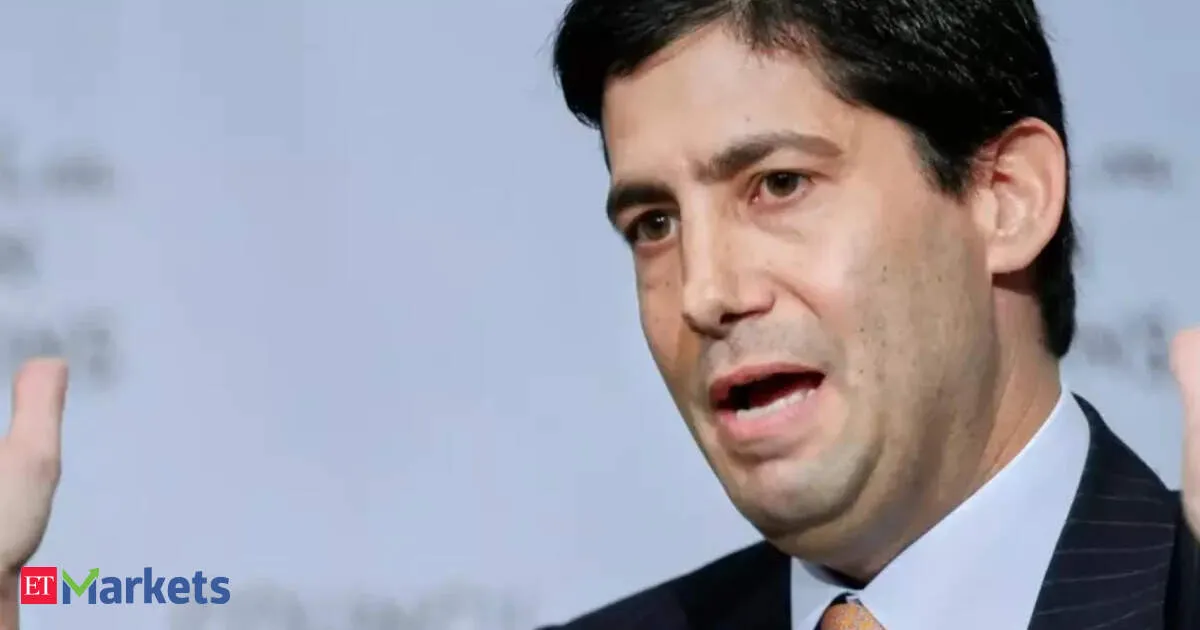
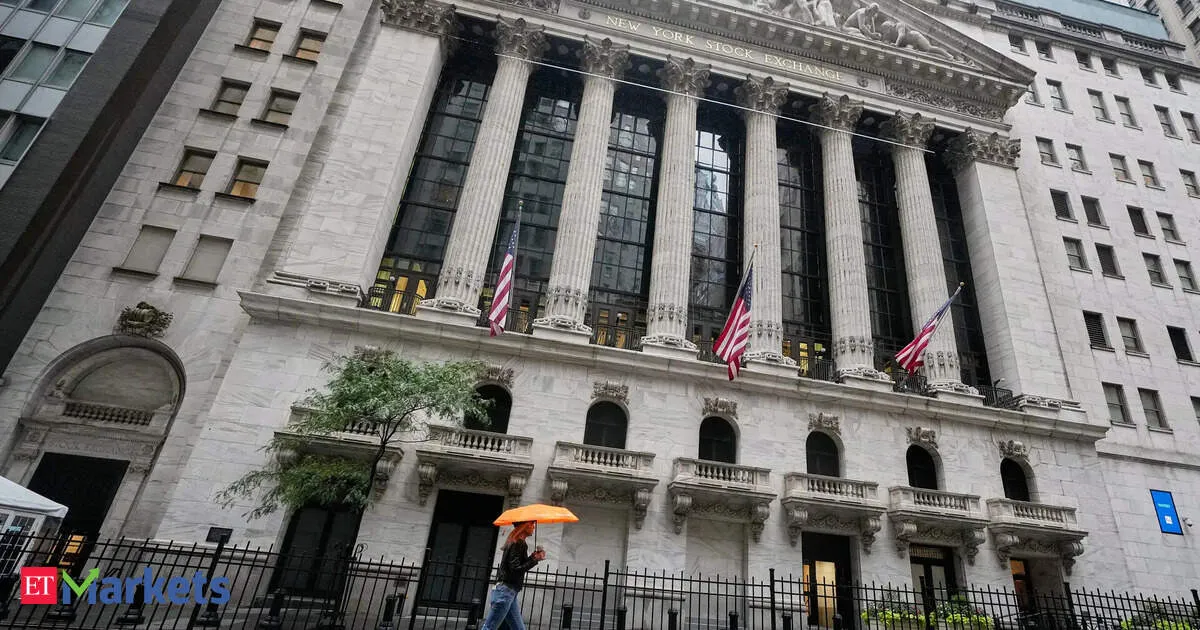
The US Federal Reserve board has appointed Jerome Powell as temporary chair until successor Kevin Warsh is sworn in, following Warsh’s Senate confirmation this week. Powell’s term ended Friday, and the Fed says the move follows past transition practice, though it has not set a swearing-in date. The decision drew dissent from Trump nominees Stephen Miran and Michelle Bowman, who argued the interim role must be time-limited. Warsh, a former inflation “hawk,” now aligns with lower-rate pressure.
UK government borrowing costs jumped sharply on Friday, with 30-year gilt yields rising almost 13 basis points to 5.779%, close to a near three-decade high. The move followed renewed global bond stress linked to inflation worries from the Iran war and firm rate-hike expectations in the US. But the shock was sharper in Britain after Andy Burnham secured a potential path to challenge Labour PM Keir Starmer, raising investor fears of higher public borrowing.
Your news, in seconds
Get the Beige app — every story in 60 words, updated hourly. Free on iOS & Android.
Investors are bracing for US Treasury yields to stay elevated, driven mainly by oil prices rising amid a prolonged Middle East conflict and persistent inflation above the Fed’s target for nearly five years. Long-dated yields, including the 10-year benchmark, have surged—up about 45 basis points since early March and hitting an 11-month high. Higher borrowing costs could weigh on growth and equities, while Warsh must manage inflationary pressures beyond the Fed’s direct control.
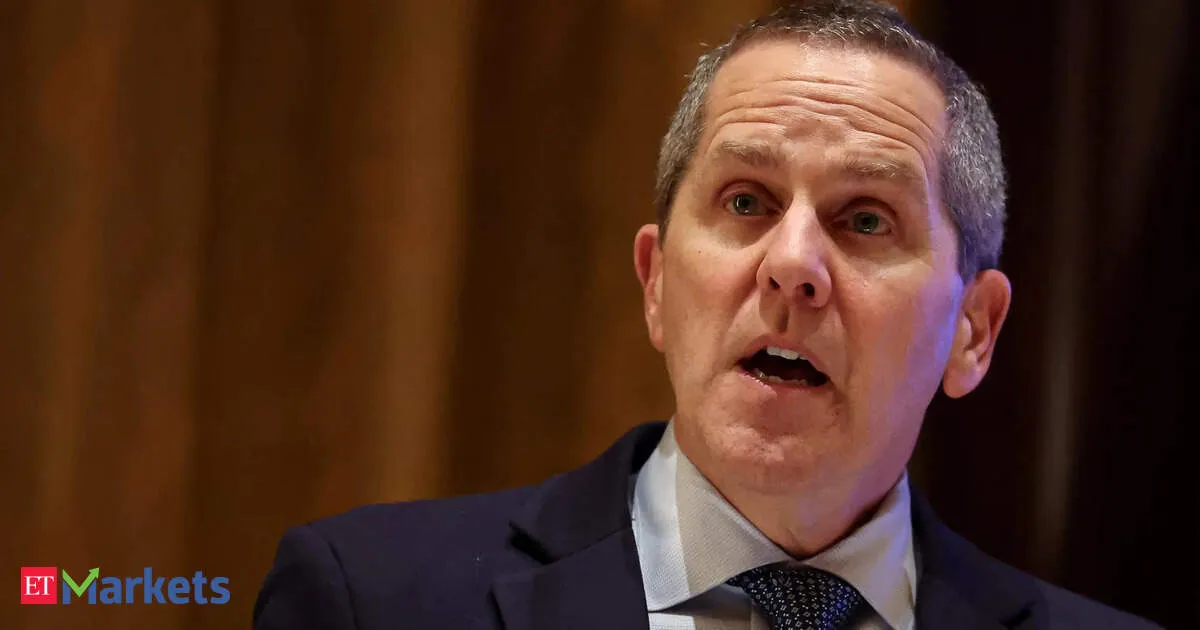
Federal Reserve Governor Michael Barr urged policymakers to avoid shrinking the Fed’s balance sheet by easing bank liquidity requirements. He warned such changes could weaken financial resilience, disrupt money market functioning, and raise the chance that banks would need emergency central bank support during stress. Barr pointed to the 2023 banking turmoil as evidence regulators should strengthen, not loosen, liquidity buffers. His remarks arrive as debate intensifies over a possible future Fed direction under Kevin Warsh, who favors a smaller balance sheet and argues it could create more space to cut rates.
Mortgage rates are climbing as U.S. Treasury yields rise, pulling refinancing costs higher across the housing market. The average 30-year fixed refinance rate jumped to 6.54%, while standard 30-year mortgage rates reached 6.34%. Sticky inflation and a cautious Federal Reserve outlook are keeping borrowing expensive, leaving homeowners who waited for lower rates facing a tougher reality in 2026.
Fifteen years after leaving the Federal Reserve over disagreements on aggressive bond buying, Kevin Warsh is reportedly set to return as Fed chair with a reform agenda. Warsh has long criticized the Fed’s large asset purchase programs that ballooned its balance sheet to roughly $6.7 trillion, and the leadership shift is sparking fresh debate on rates, transparency, and AI’s economic impact.
Never miss a story
Set alerts for the topics and sources you care about. Download Beige for free.
Kevin Warsh is set to become the next chair of the US Federal Reserve, but his direct sway over interest rates could be limited. Rate targets are decided by the 12-member Federal Open Market Committee, where Warsh would cast only one vote. In practice, the chair’s influence depends on consensus building and persuasion, which is why markets are watching every Fed statement for policy signals.
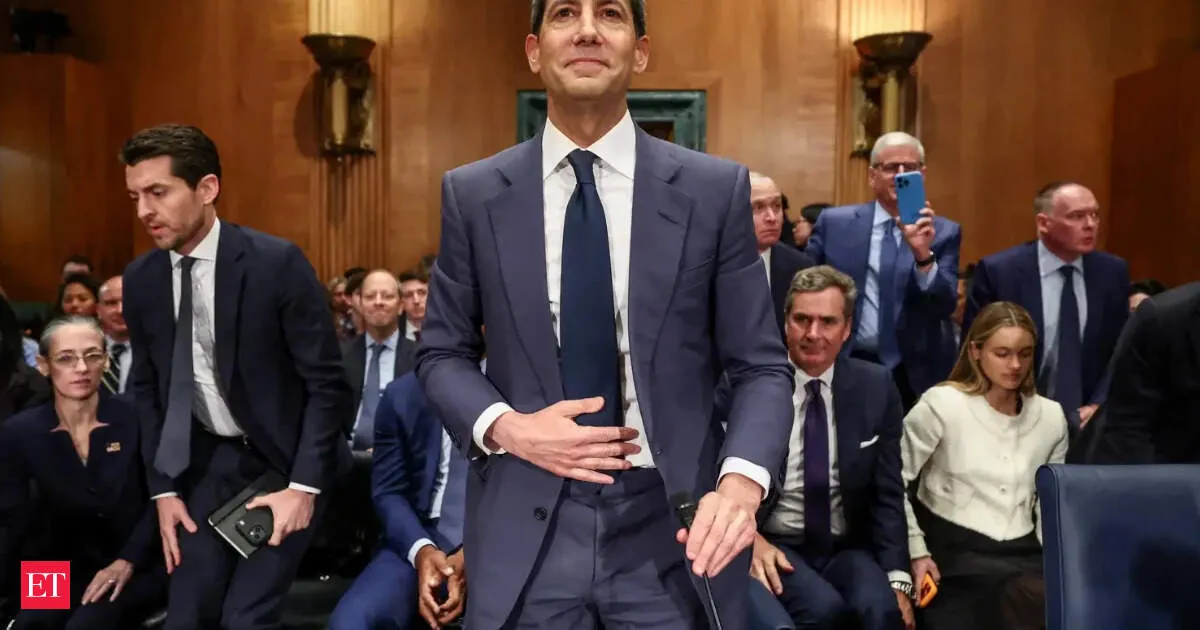
The US Senate has confirmed Kevin Warsh as the next head of the Federal Reserve, succeeding Jerome Powell. He steps into a high-pressure moment marked by elevated inflation, rising gas prices, and sharp internal Fed disagreements. With President Trump pushing for lower interest rates, Warsh has vowed independence—yet faces a tight balancing act to cool inflation without stalling growth.
Boston Fed President Susan Collins said the Fed may need additional rate hikes if inflation remains stubborn. She pointed to the Middle East crisis as a potential accelerant, arguing that disruptions could push prices higher and complicate the path back to targets. The comments underscore how geopolitical risks can feed directly into monetary policy decisions and inflation expectations.
Chicago Fed President Austan Goolsbee flagged rising risks from U.S. services inflation, saying fresh data shows price pressures shifting in an unfavourable direction. He noted inflation is still proving sticky even as the labour market holds steady, keeping policymakers cautious while the Federal Reserve weighs its next rate move amid mixed economic signals.
Reading on mobile?
Open Beige in the app for a smoother experience — free on iOS and Android.
Asian markets slid as US CPI showed inflation accelerating, sending Treasury yields higher. Oil prices jumped after the Iran conflict, adding fresh inflation pressure and lifting expectations that the Federal Reserve could still hike as late as 2027. Analysts warn the equity rebound may wobble, with chipmakers and rate sensitive stocks facing extra strain.
Wall Street edged lower as hotter than expected U.S. inflation and ongoing Middle East tensions weighed on investor sentiment. With CPI at a three-year high, traders are increasingly pricing in the Federal Reserve keeping rates steady for longer. While strong earnings offered some support, the inflation shock and geopolitical risk kept markets cautious.
Global bond markets are rattled as US Treasury yields surge to around 5% amid rising oil prices and persistent inflation concerns. Those pressures are shifting expectations for US interest rates, making investors reconsider the odds of Federal Reserve rate cuts. UK bond markets are also under strain, reflecting broader unease across major economies.
The US Senate has confirmed Kevin Warsh as a Federal Reserve governor, setting up a crucial period for the central bank amid political pressure. Warsh is now preparing to shape the Fed’s priorities and has signaled interest in reshaping how the Fed coordinates with the US Treasury. A Fed chair vote is expected on Wednesday.
Follow your favourite sources
Track sources, tags and categories — all in the Beige app.
US consumer prices climbed briskly again in April, marking the largest annual inflation increase in nearly three years. The data extends a second straight month of faster price growth, raising fresh questions about whether the US Federal Reserve can justify an interest rate cut soon. Markets now weigh the CPI shock against the Fed’s inflation and jobs targets.
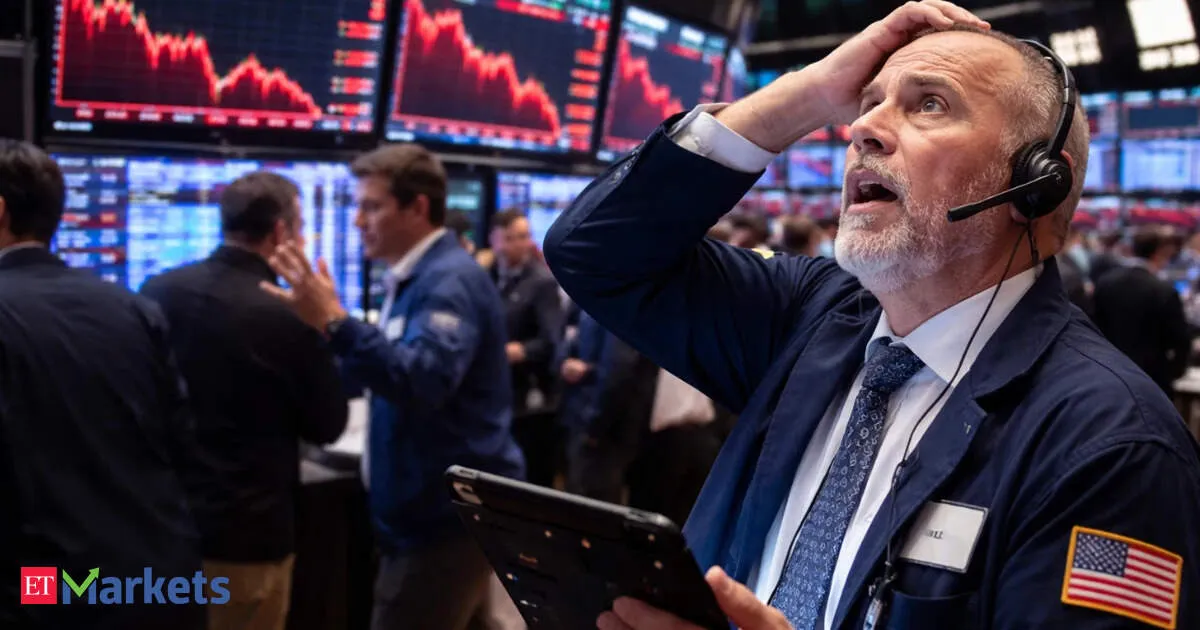
US stocks fell sharply after the CPI inflation report showed a 3.8% rise, the highest in three years. The Dow slid over 307 points, while the S&P 500 and Nasdaq posted losses. Treasury yields rose and the dollar strengthened, with tech stocks retreating as investors priced in the possibility of longer Federal Reserve rate cuts being delayed amid rising oil prices and Iran related tensions.
Gold prices rose as markets priced in potential outcomes from an awaited Trump Xi meeting and closely watched fragile ceasefire negotiations involving Iran. Traders are also looking ahead to U.S. CPI data, viewing it as a key signal for the Federal Reserve’s next interest rate moves. Risk sentiment and rate expectations are driving the commodity’s momentum.
April’s strong U.S. hiring data has cut the odds of Federal Reserve rate cuts this year, reinforcing officials’ concerns that inflation pressures remain sticky. With the job market staying resilient and energy prices moving higher, policymakers may be forced to hold rates longer—an outcome that could undermine the policy agenda of prospective Fed Chair Kevin Warsh.
Stay informed on the go
Bite-sized news from 100+ trusted sources, right in your pocket.
US employers kept surprising the market in April, adding 115,000 jobs even as uncertainty from the Iran war weighed on global sentiment. Alongside the steady hiring, average hourly earnings rose 0.2% from March and 3.6% year over year, aligning with the Federal Reserve’s push toward a 2% inflation target.
Wall Street is bracing for renewed volatility as US Treasury yields hover near 5 percent, with investors debating whether 30-year rates can stay above that level. Rising oil prices and a resilient US economy are stoking inflation concerns and potentially lifting borrowing costs globally. Traders are also recalculating expectations for the Federal Reserve’s next policy move.
Swipe through stories, personalise your feed, and save articles for later — all on the app.