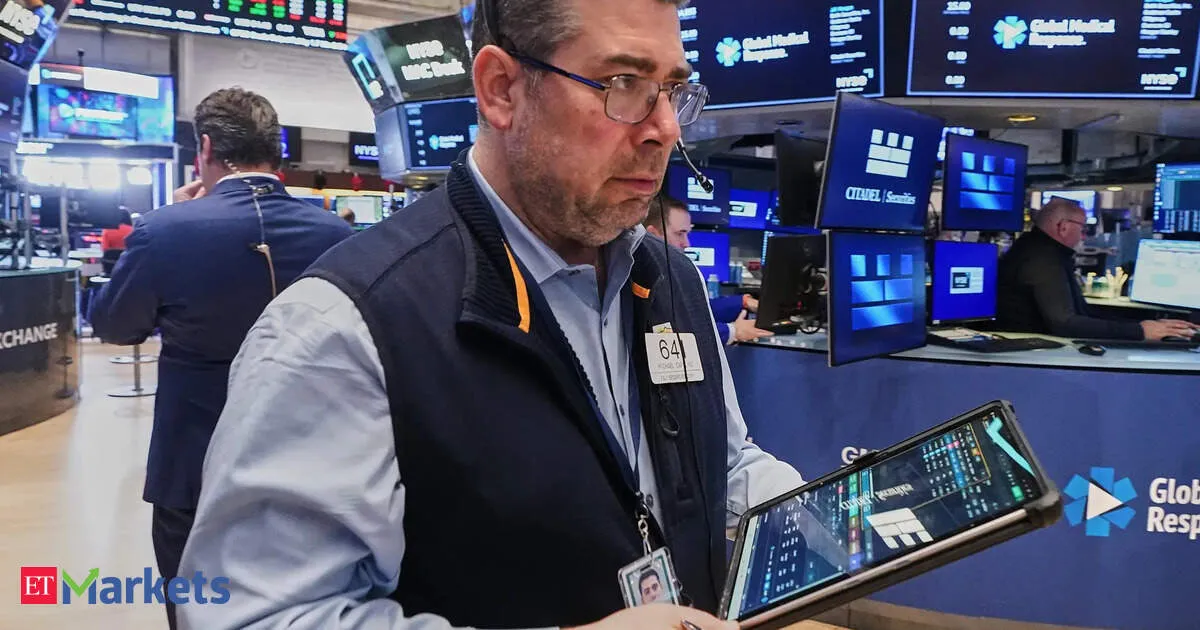
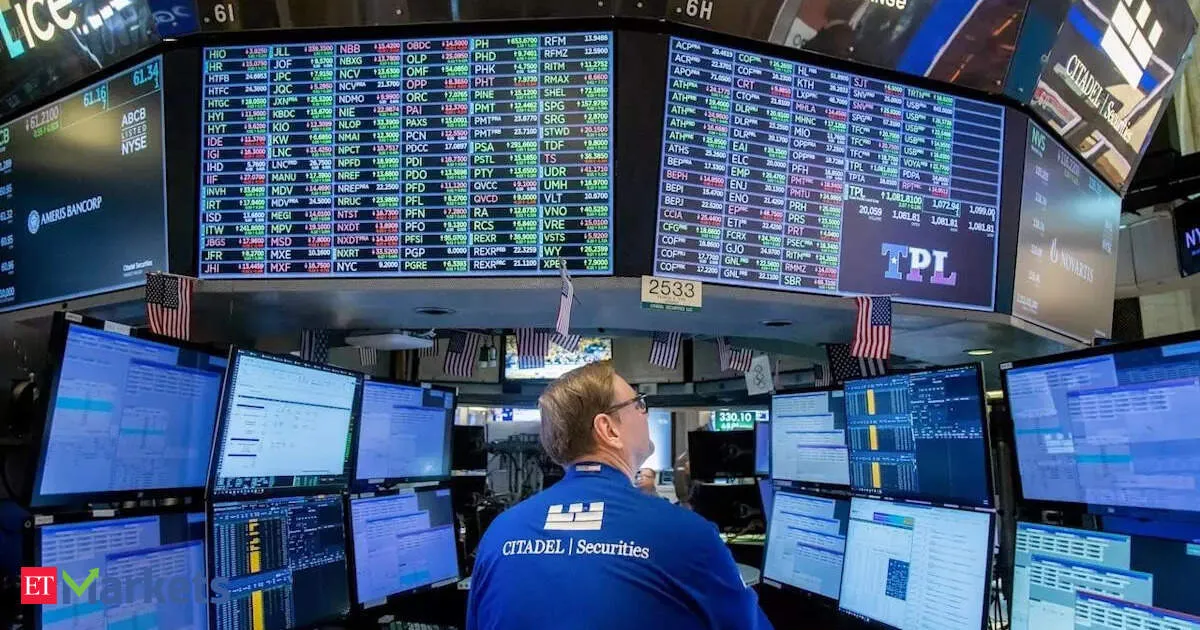
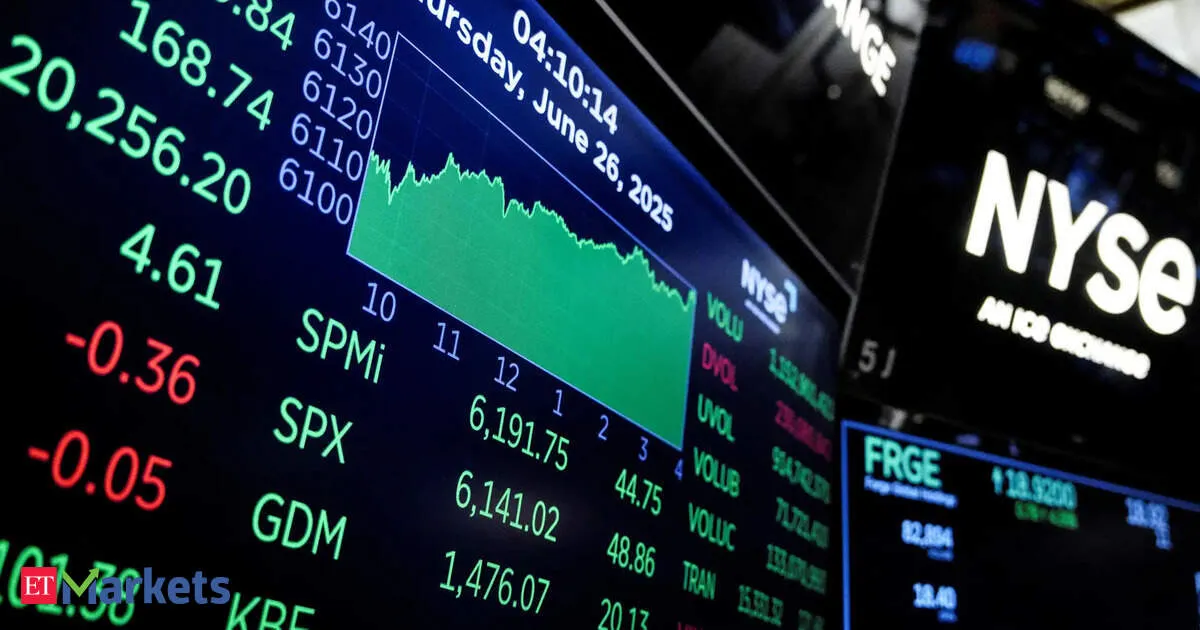
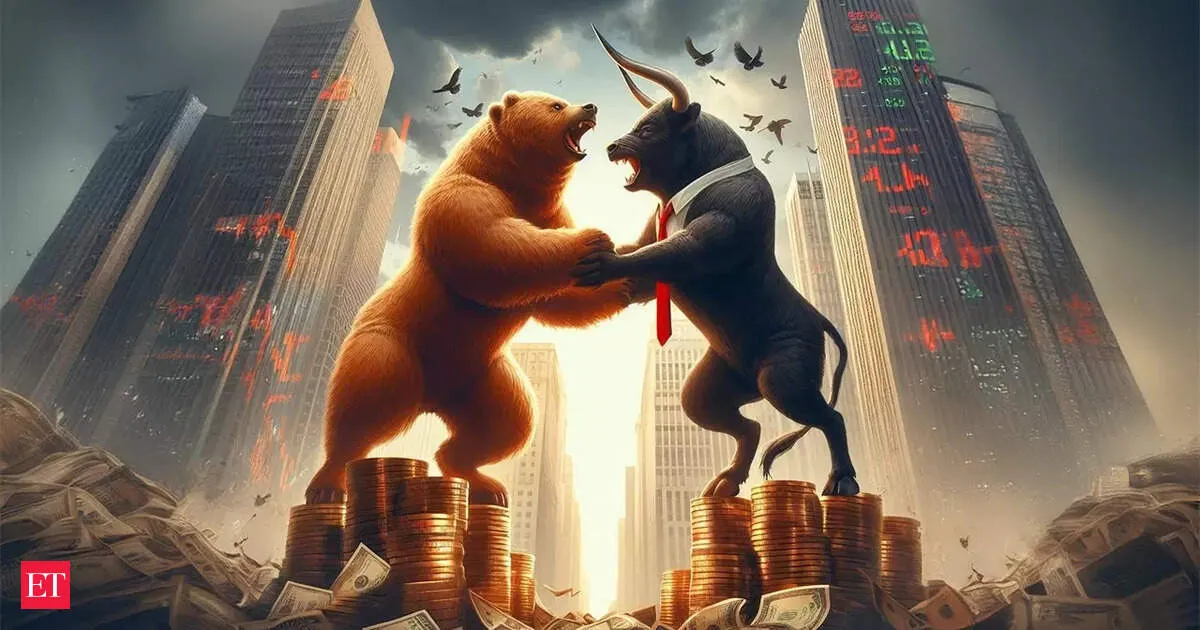
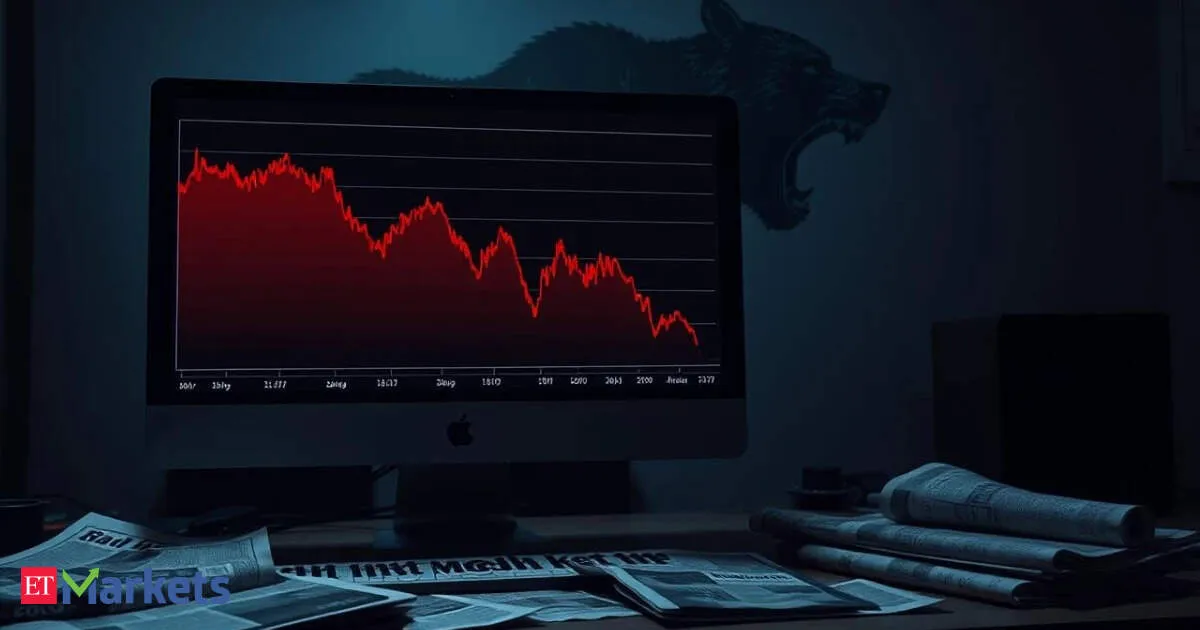
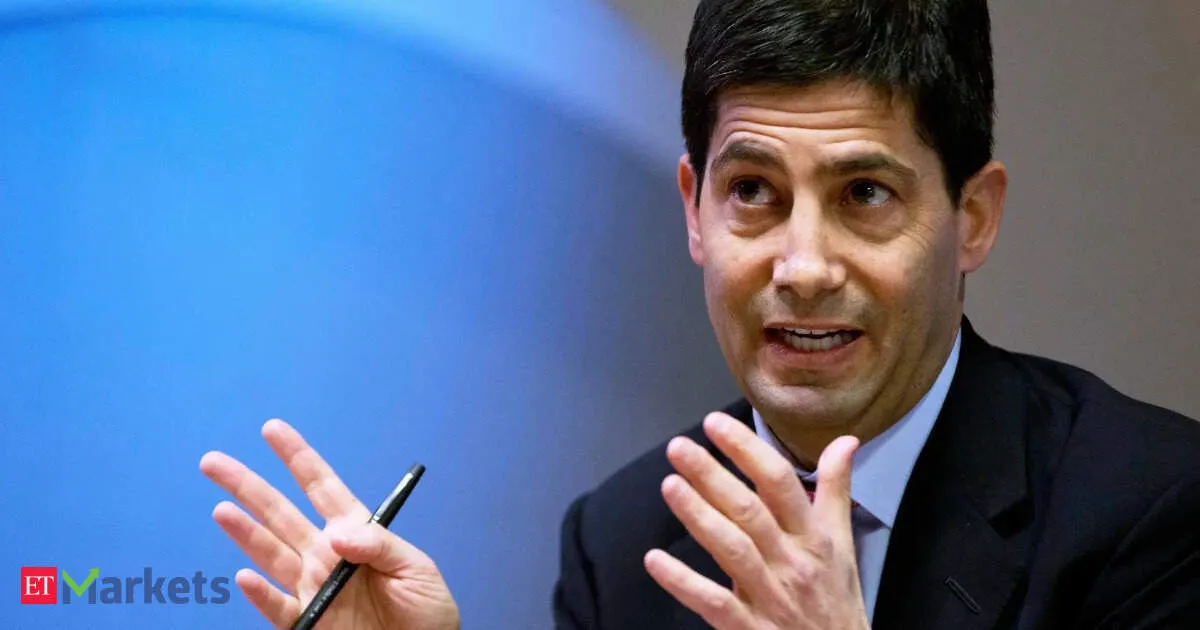
US stocks fell sharply on Friday, reversing AI-driven record momentum as crude prices surged and stoked global inflation worries. Benchmark Treasury yields jumped, making bonds more appealing than equities and weighing on risk appetite. The Trump-Xi summit produced little, while US-Iran tensions—after sharp comments—raised doubts about the Strait of Hormuz reopening. Despite the pullback, the S&P 500 notched its seventh straight weekly gain. Incoming Fed chair Kevin Warsh faces mounting pressure amid sticky inflation concerns.
US stocks pulled back from record highs as crude oil surged and Treasury yields climbed, reviving inflation worries. All three major indexes fell, with AI-driven tech stocks hit hardest as investors rotated toward bond yields and reassessed how aggressively the Federal Reserve might act. The move followed Middle East tensions after US-Iran-related uncertainty and raised concerns about global borrowing costs, with the 10-year yield reaching its highest level since May 2025.
Your news, in seconds
Get the Beige app — every story in 60 words, updated hourly. Free on iOS & Android.
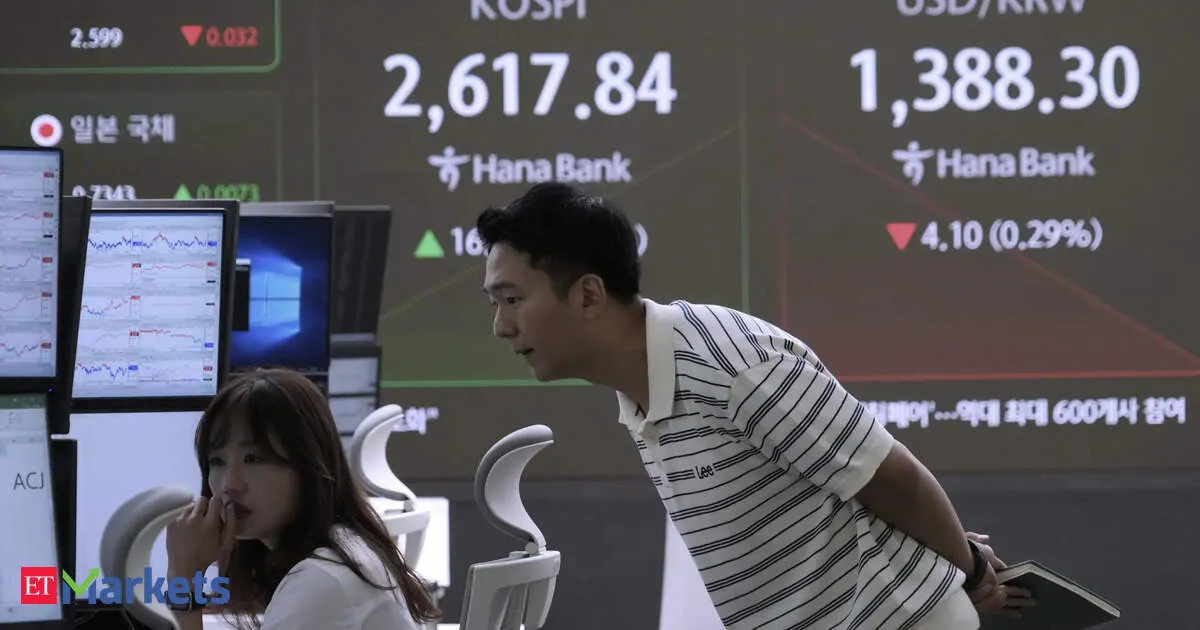
Asian markets tumbled as tech euphoria faded into inflation worries, sending U.S. Treasury yields to one-year highs and boosting expectations of a Fed rate hike. Brent crude climbed 5.7% this week to $107 amid stalled efforts to open the Strait of Hormuz, after attacks and a ship seizure raised supply concerns. The damage spread across Asia-Pacific benchmarks, while Japan’s wholesale inflation accelerated, leaving the Bank of Japan poised to raise rates.
Bitcoin hovered near $81,000 on Monday even after stronger-than-expected US nonfarm payrolls reduced hopes for near-term rate cuts. Sentiment stayed supported as Bitcoin ETFs logged about $630 million in net inflows last week, while investors looked ahead to the Senate’s upcoming CLARITY Act vote for regulatory clarity. Analysts said this week’s direction will hinge on CPI data, Fed signals, and broader geopolitics, with oil moving sharply after US-Iran tensions adding to volatility.
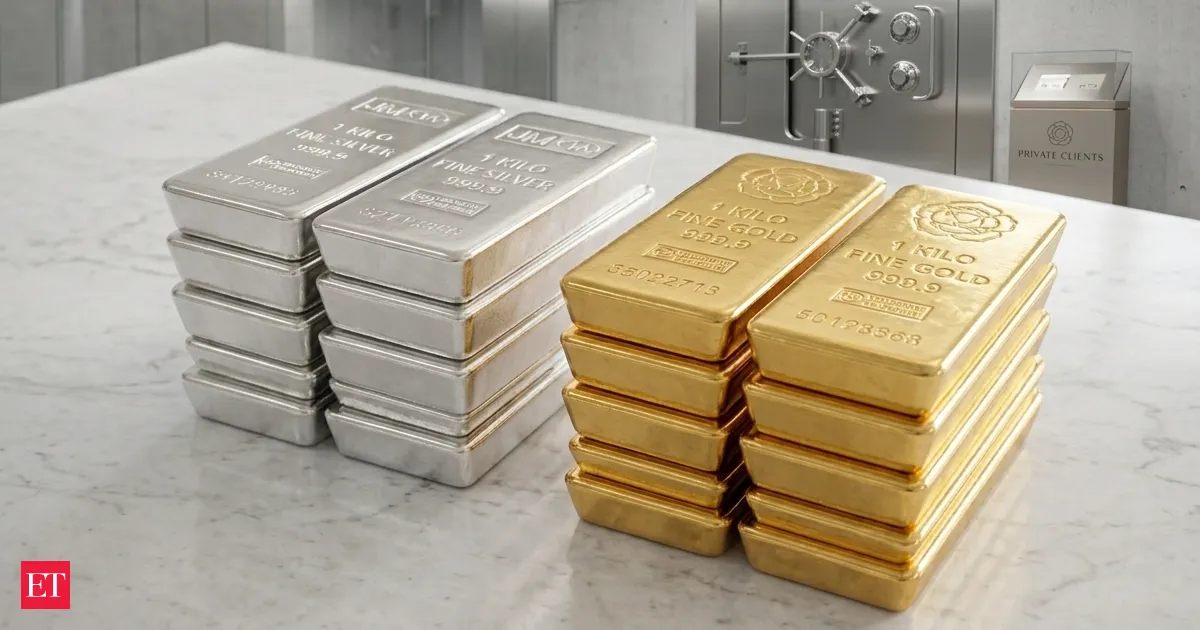
Gold and silver prices are falling today as traders react to U.S. inflation and shifting Federal Reserve expectations. Rising U.S. producer prices have renewed bets on higher interest rates, weighing on precious metals. Analysts warn prices could stay under pressure short term, but long-term demand may remain supported by global risks and continued investor interest.
The US dollar strengthened Thursday as higher Treasury yields and safe-haven buying pulled investors toward the currency. Trading looks heavily influenced by expectations of additional Federal Reserve rate hikes this year. Attention is also on Trump and Xi meeting in Beijing, while the offshore yuan stayed near a three-year high as US inflation data hinted at renewed price pressure.
Never miss a story
Set alerts for the topics and sources you care about. Download Beige for free.
Asian markets climbed in sync with Wall Street’s record highs, powered by a tech-led rally and upbeat corporate earnings. Investors are now tracking the US-China summit and rising geopolitical risks around Iran. At the same time, lingering inflation concerns are reshaping expectations for potential Federal Reserve rate hikes next year, keeping traders cautious.
US stocks climbed to record closing highs as AI-linked tech and chip shares drove gains in both the S&P 500 and Nasdaq. The rally faced pressure from hotter-than-expected inflation data, with a jump in producer prices reviving expectations of prolonged Federal Reserve tightening. Investors also weighed Trump-Xi talks and rising geopolitical risks, alongside a Morgan Stanley S&P target upgrade.
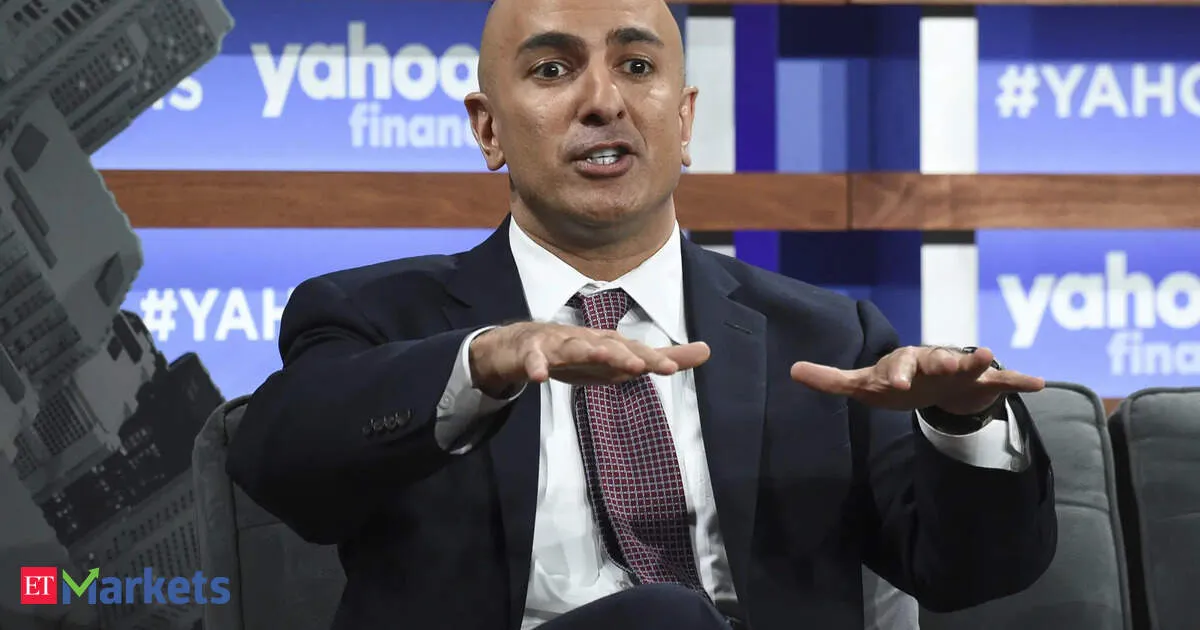
Minneapolis Fed President Neel Kashkari said the Fed is “dead serious” about bringing inflation down, while offering a cautiously positive view of the US labor market. He pointed to the Iran conflict as a major source of inflationary pressure, meaning additional interest rate increases could still be on the table.
Wall Street saw a rare split: the Dow Jones sank about 260 points while the S&P 500 and Nasdaq climbed. The surprise came from a hotter wholesale inflation reading, tightening the Fed’s room to maneuver. Meanwhile, chip stocks powered tech-led gains, even as US headlines shifted to President Trump’s summit trip to China with Xi Jinping.
Reading on mobile?
Open Beige in the app for a smoother experience — free on iOS and Android.
US stocks finished lower as hotter-than-expected inflation and escalating US-Iran tensions hit investor sentiment. The S&P 500 and Nasdaq slipped from record levels, led by weakness in tech, while the Dow was comparatively steady. Rising oil prices and expectations that inflation may stay higher further dented hopes for Federal Reserve rate cuts and boosted bets on additional rate hikes.
Major Wall Street brokerages are pushing back their timelines for U.S. Federal Reserve rate cuts, citing lingering inflation pressures from high energy prices and a resilient labor market. BofA now sees no cuts in 2026 and expects easing only in mid-2027. Goldman similarly moved its first cut forecast from September to December 2026, reflecting persistent risk to disinflation.
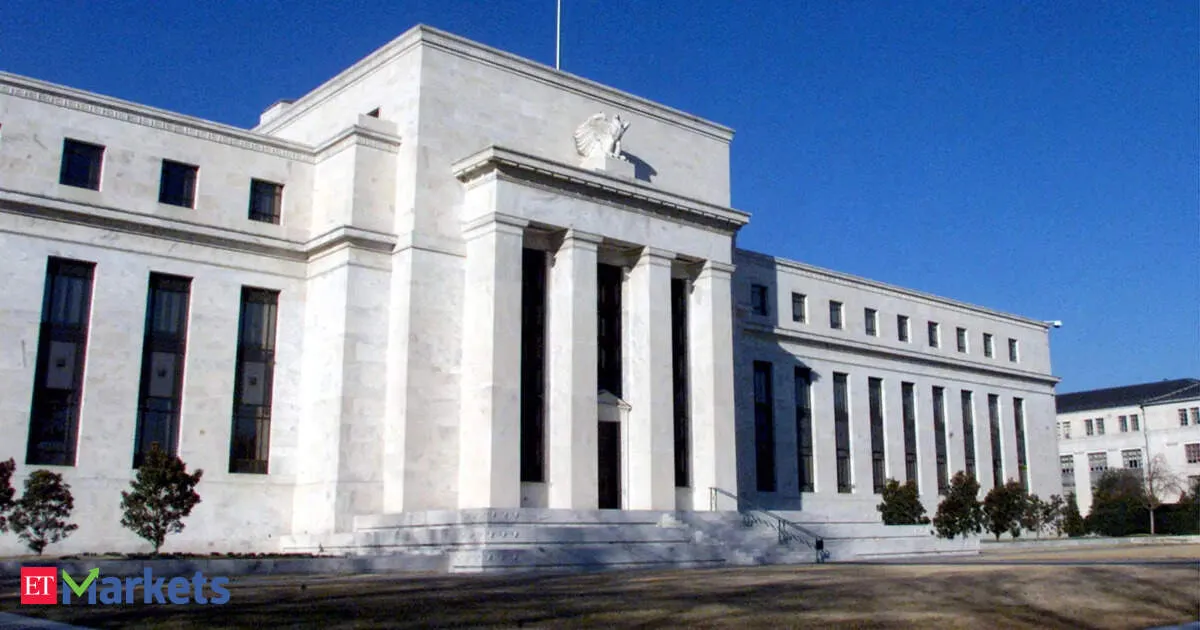
The Federal Reserve says a prolonged Iran conflict and the oil price shock it could trigger are the biggest risks to financial stability, ahead of other macroeconomic concerns. Policymakers warn that renewed geopolitical pressure may fan inflation and weigh on global growth, raising the odds of tighter monetary policy even as markets watch for direction.
Pimco’s CIO says escalating tensions around Iran could disrupt oil supplies and lift energy prices, forcing the Federal Reserve to delay rate cuts and possibly turn more hawkish. The risk is that higher inflation pressure from energy costs complicates the Fed’s fight against inflation, with experts warning similar pressures could spread globally.
Follow your favourite sources
Track sources, tags and categories — all in the Beige app.
Federal Reserve official Mary Daly said the central bank remains committed to its 2% inflation target and that higher energy prices have not yet affected medium- and long-term inflation expectations. She added that current policy remains slightly restrictive, while a potential resolution to the U.S.-Iran conflict could further reduce inflation pressures in the outlook for markets.
US Federal Reserve officials are growing concerned that the US backed war with Iran could trigger a prolonged inflation shock. They cite elevated oil prices and supply chain disruptions as persistent risks, raising fears that inflation may not cool quickly. Markets now watch for the possibility of additional interest rate hikes and a longer stretch of high prices as shocks compound.
Incoming Fed leader Kevin Warsh says curbing the release of Federal Reserve meeting transcripts could improve the quality of debate behind monetary policy. In an upcoming book, Warsh argues the transparency practice—used for decades—may actually weaken deliberations needed for better decisions, echoing his broader push to overhaul the Fed’s approach and structure.
Global bond traders are increasingly pricing in a potential Federal Reserve rate hike before any cuts, according to derivatives markets showing more than a 50% probability by April. The shift is linked to heightened policy uncertainty, greater hedging demand, and leadership transition risks, with Kevin Warsh expected to take charge amid pressure on the Fed to lower rates.
Stay informed on the go
Bite-sized news from 100+ trusted sources, right in your pocket.
Donald Trump sharply criticized Fed Chair Jerome Powell, calling him a “disaster” as US mortgage rates remain above 6.5% and fluctuate frequently. The pressure comes amid stubborn inflation, global conflict, and signs of economic slowdown, while market expectations can shift even when the Fed isn’t meeting. Home buyers are watching closely, often delaying decisions.
Bitcoin surged past $79,900, driven by about $630 million in ETF inflows and delivering its strongest monthly gain in a year with a 12% jump in April. Analysts expect momentum to carry it toward the mid-$80,000s, citing the Federal Reserve’s leadership transition as a key macro influence as the market shows increasing resilience and maturity.
Swipe through stories, personalise your feed, and save articles for later — all on the app.