Jaisalmer in Rajasthan is enduring a brutal Thar heatwave, with temperatures around 46°C and scorching “loo” winds driving people off the streets by afternoon. Streets go nearly empty, described as curfew-like silence, as residents scramble to find cold water. Camels, too, are forced to seek refuge near ponds to beat the relentless heat.
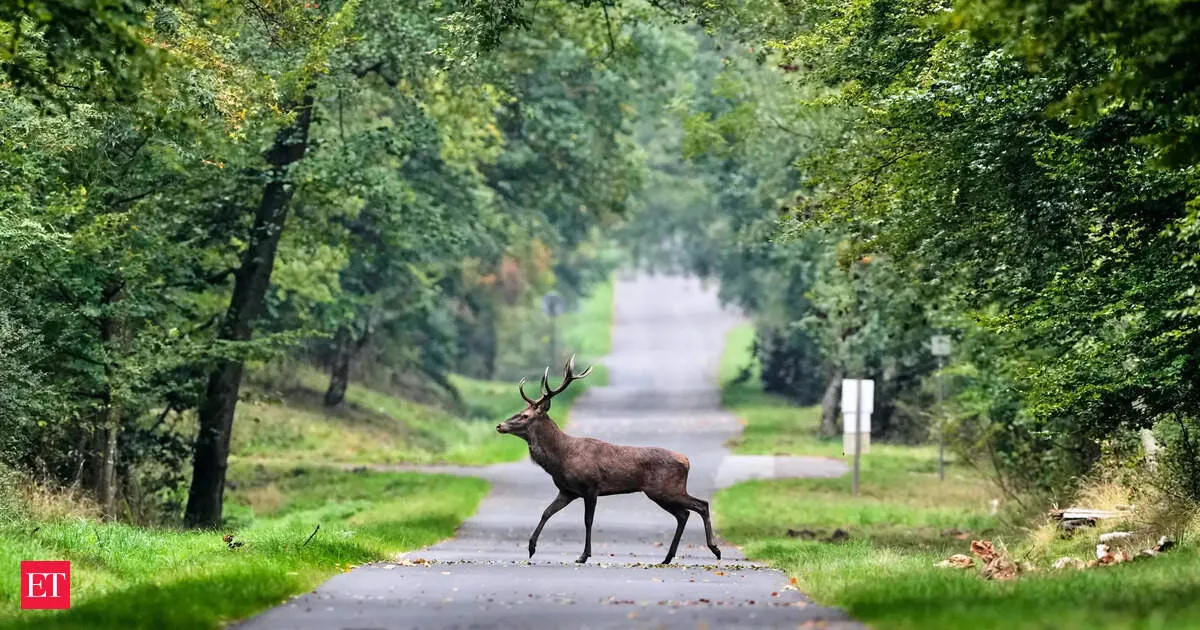
A major scientific study warns that climate change will intensify extreme weather, with heatwaves, floods, droughts and wildfires increasing in frequency and impact. By 2085, more than one-third of land animal habitats could be threatened. Researchers say multiple climate stressors overlapping could speed biodiversity loss and raise extinction risks across ecosystems worldwide.
Your news, in seconds
Get the Beige app — every story in 60 words, updated hourly. Free on iOS & Android.
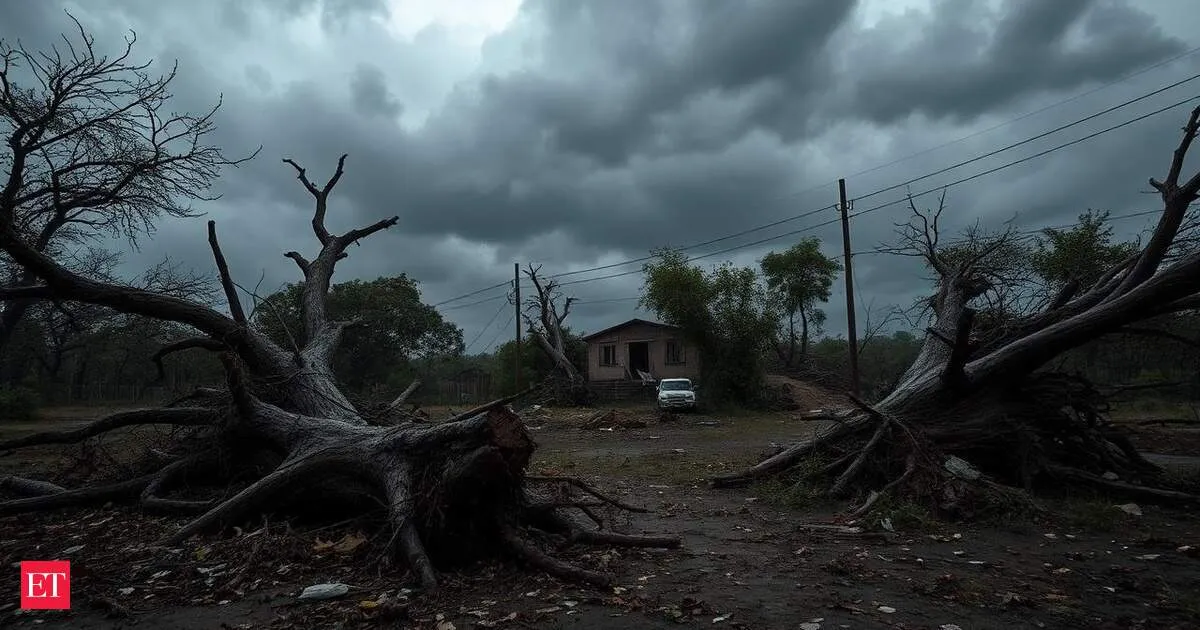
After a brutal heatwave that pushed temperatures above 45°C, powerful windstorms tore through central and northern Pakistan. At least 14 people were killed and more than 100 injured as high winds and dust reduced visibility, uprooted trees, and damaged infrastructure including collapsed buildings. Pakistan’s Meteorological Department warns more storms could strike, heightening fears of additional casualties.
Swipe through stories, personalise your feed, and save articles for later — all on the app.