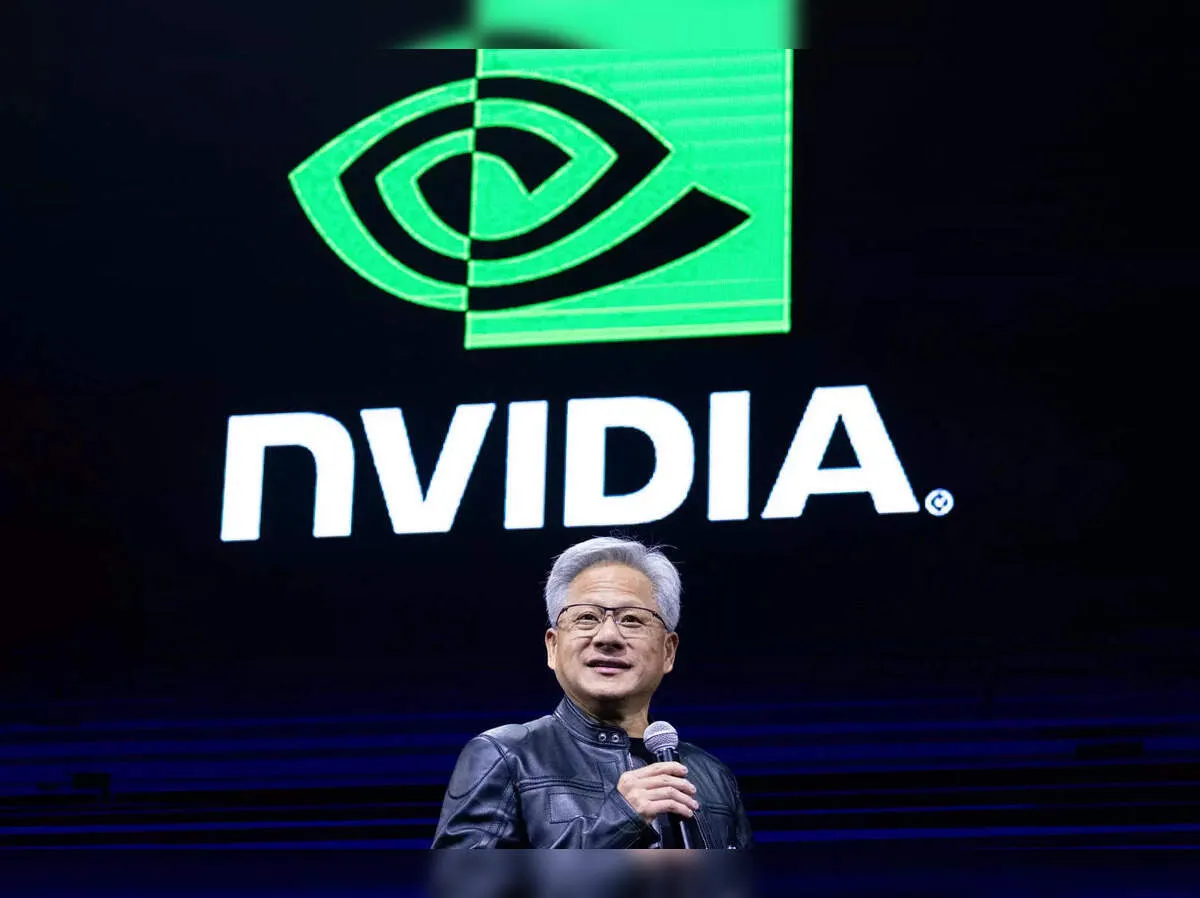
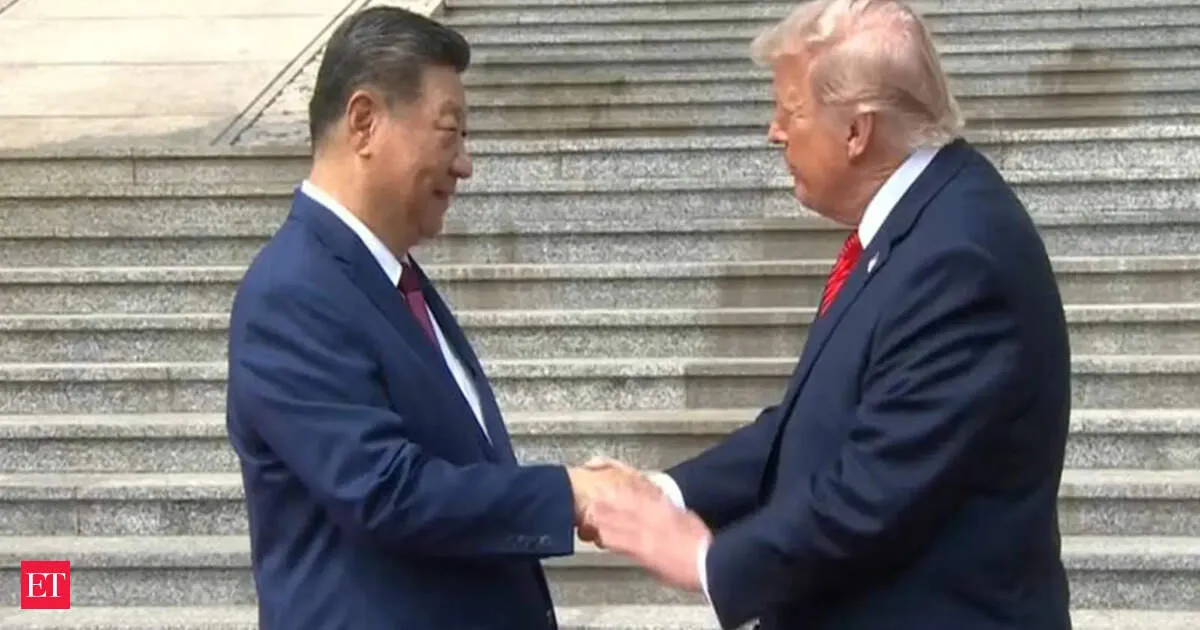
The US cleared roughly 10 Chinese companies to buy Nvidia’s H200 AI chips, but none have been delivered so far, according to sources familiar with the matter. Nvidia CEO Jensen Huang is now traveling to China with a trip arranged after President Donald Trump invited him en route to talks with Xi Jinping. Buyers reportedly pulled back after Beijing guidance, while US rules require security safeguards and bans on military use, leaving both sides caught in a tech rivalry.
A Rubix Data Sciences report says Trump and Xi’s US China summit will be dominated by trade and technology, with semiconductors, rare earth minerals, aerospace, and farm goods shaping the agenda. The US is expected to seek higher Chinese purchases of aircraft, soybeans, and beef, while China is likely to press for relief from US restrictions on advanced chip-making. Semiconductor exports fell from $12 billion in 2021 to $5 billion in 2023, then recovered to nearly $10 billion in 2025. Rare earth imports also fluctuated sharply, reflecting leverage and supply-chain risk. Overall trade has been shrinking.
Your news, in seconds
Get the Beige app — every story in 60 words, updated hourly. Free on iOS & Android.
Bangkok-based SiamAI has denied allegations that it exported AI servers to China, saying it fully complies with U.S. export and re-export control laws. The denial comes as U.S. prosecutors allege that billions of dollars in U.S. AI technology—at least $2.5 billion—was shipped to China, including over $500 million between April and mid-May 2025. SiamAI also addressed claims tied to advanced chips from Super Micro Computer and Nvidia, insisting it did not engage in the exports in question.
US prosecutors are investigating a Thai firm, OBON Corp, accused of smuggling billions of dollars worth of Super Micro Computer servers packed with advanced Nvidia chips. Reports say the shipments were routed through Southeast Asia and headed to China, with Alibaba Group Holding listed as an end customer. The case could raise alarms over high tech export controls and sanctions evasion.
The US Commerce Department has directed several chip equipment companies to pause some shipments to China’s Hua Hong, widely seen as a key player in advanced chip production. Firms like Lam Research, Applied Materials, and KLA are reportedly affected. The restrictions are designed to slow China’s progress on cutting-edge, AI-focused chip capabilities and preserve US technological leadership.
IMF, World Bank and IEA leaders are urging countries to let energy stocks flow freely to global markets and avoid export controls that can tighten shortages. They say countries facing severe supply impacts are being consulted on concerns, as policymakers seek to keep fuel and energy availability steady during periods of volatility and risk.
Never miss a story
Set alerts for the topics and sources you care about. Download Beige for free.
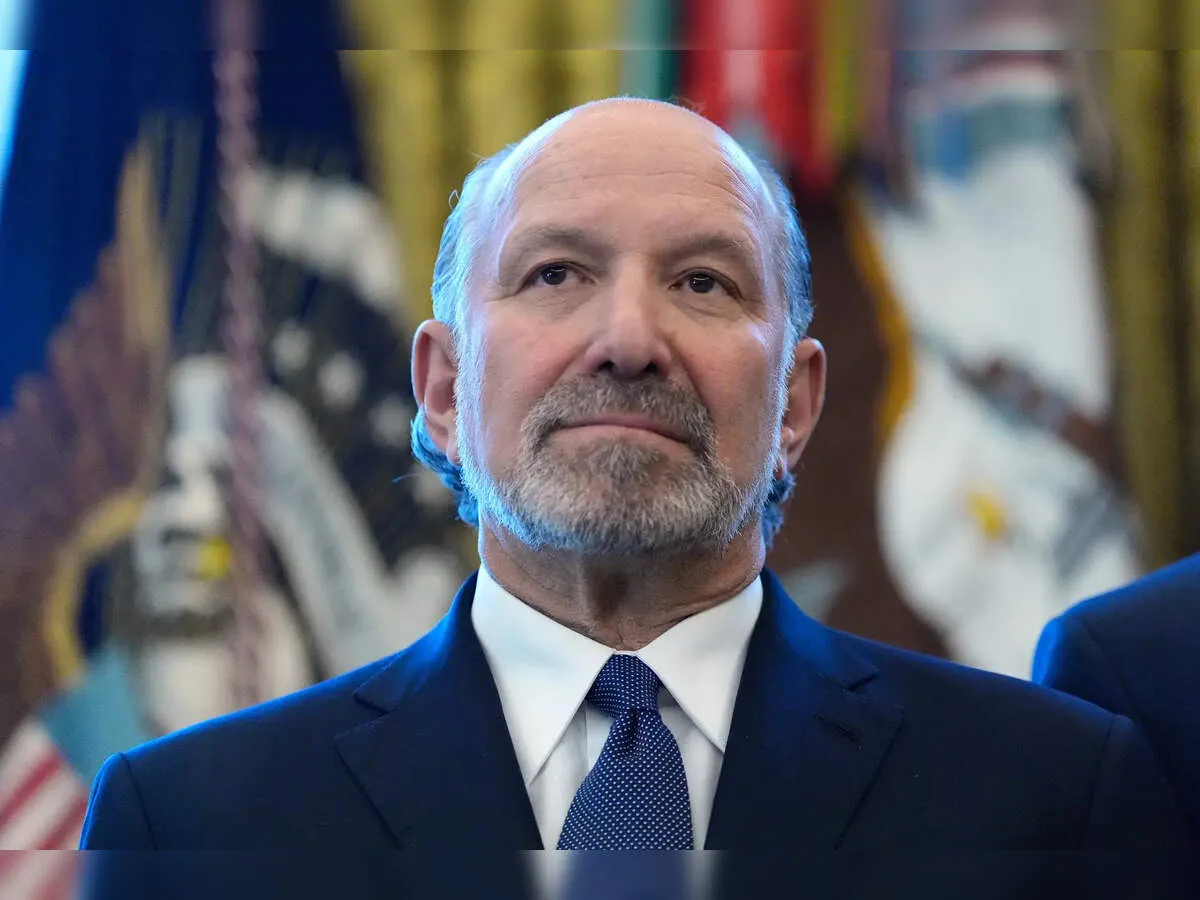
Nvidia’s H200 AI chips have not reached Chinese companies, according to US Commerce Secretary Howard Lutnick. He said China’s central government has not permitted the sales, aiming instead to steer investment toward domestic industry. Shipments also stalled amid disputes over sales terms. Meanwhile, the US is reportedly weighing new rules to restrict advanced tech shipments to Chinese firms.
Swipe through stories, personalise your feed, and save articles for later — all on the app.