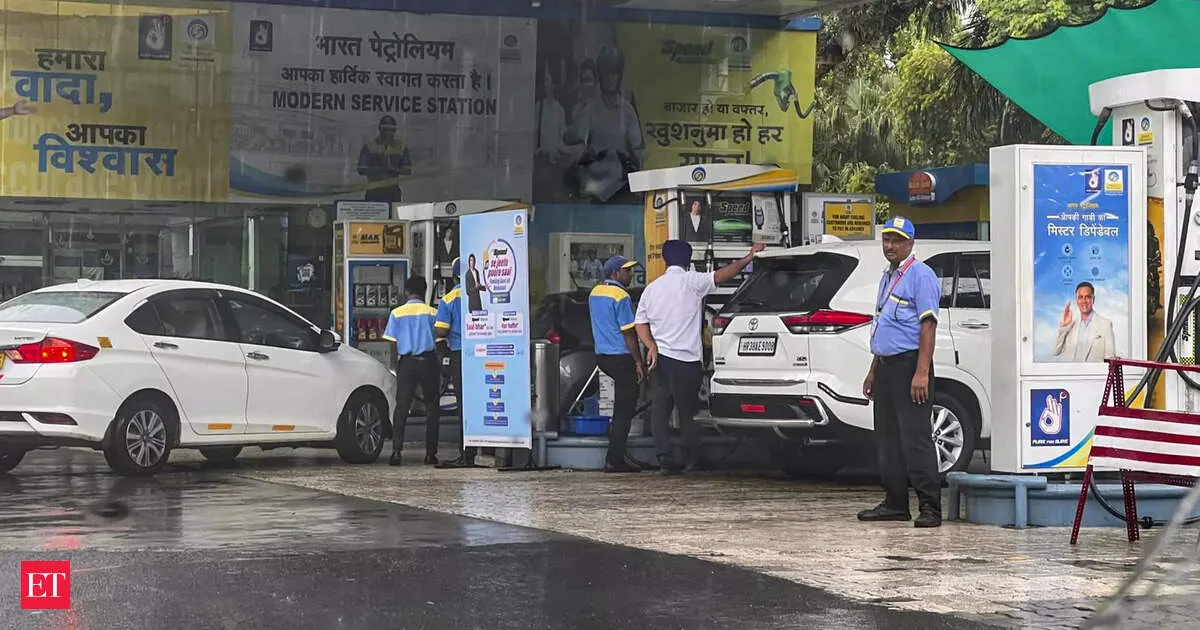
India has revised its energy export policy by imposing a special additional excise duty (SAED) of ₹3 per litre on petrol exports for the first time since the West Asia crisis began. From May 16, the government also cuts levies on diesel exports to ₹16.5 per litre (from ₹23) and on ATF to ₹16 per litre (from ₹33). At the same time, the road and infrastructure cess on petrol and diesel exports will be zero, while domestic fuel duty rates and consumer prices remain unchanged.
Commerce and Industry Minister Piyush Goyal said India’s small fuel-price increase reflects how the government absorbed global oil shocks. He pointed out petrol and diesel rose by only Rs 3 because excise duty revenue was reduced by Rs 10. Fertiliser prices, he added, were kept unchanged even as costs increased, with farmers receiving heavily subsidised fertiliser. Goyal also backed Prime Minister Modi’s voluntary austerity appeal and said India is working to cut import dependence, improve efficiencies, and advance an India-US trade approach.
Your news, in seconds
Get the Beige app — every story in 60 words, updated hourly. Free on iOS & Android.
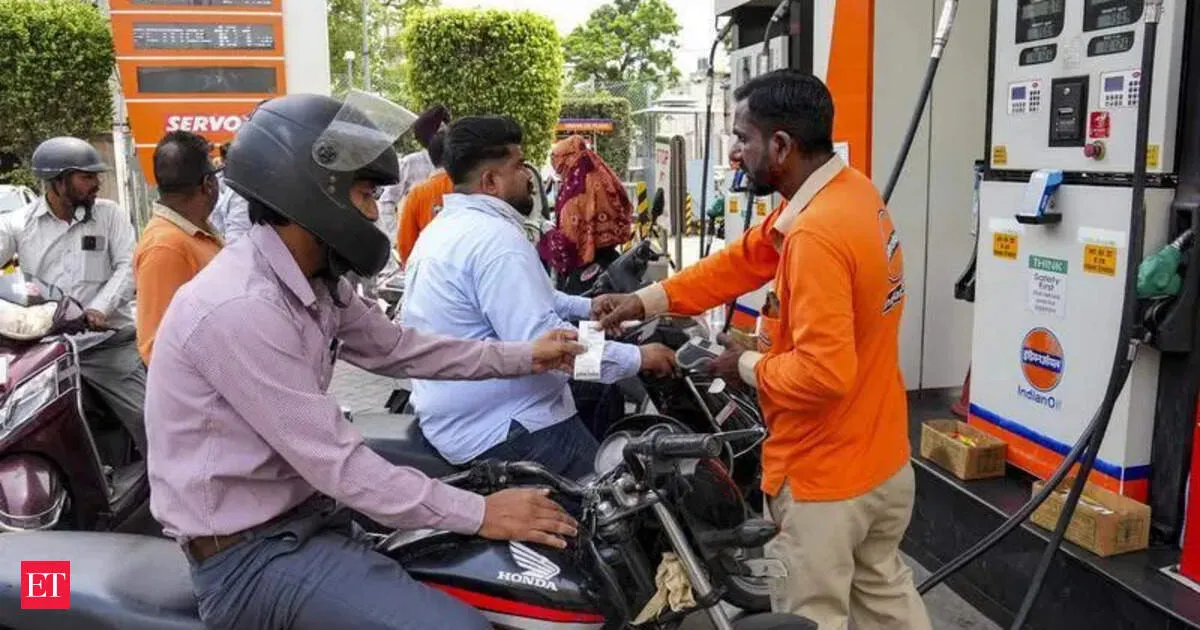
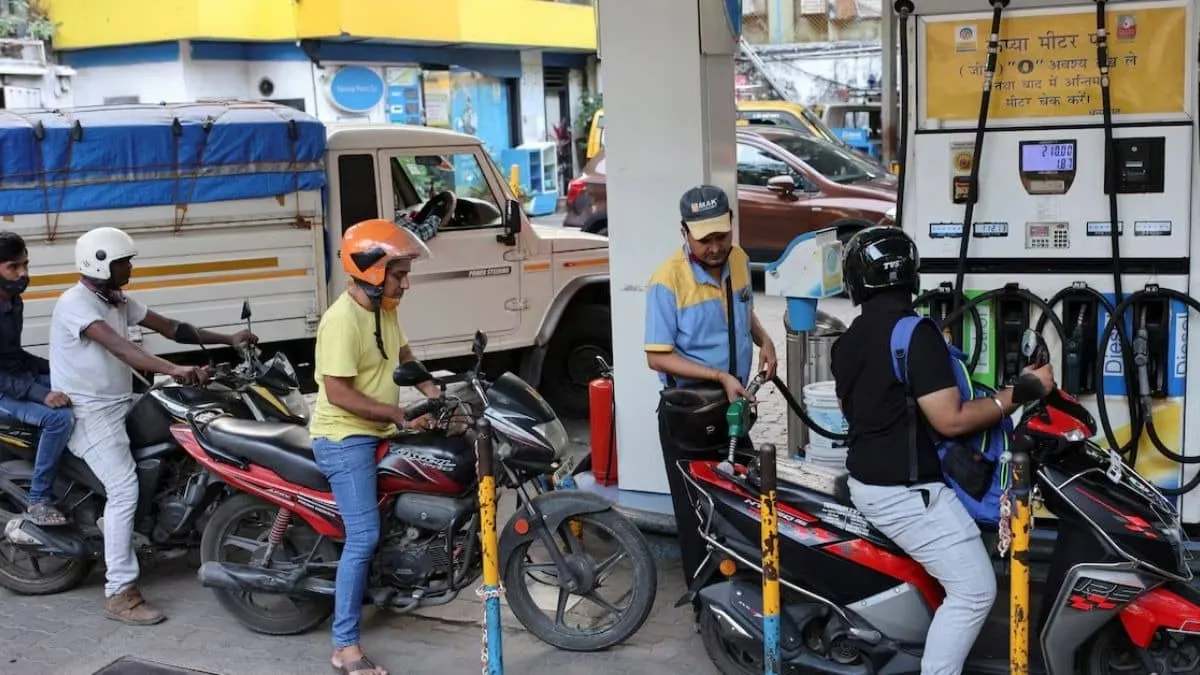
Petrol and diesel prices were increased by Rs 3 per litre in India after days of anticipation, driven by rising global crude oil costs linked to conflict in West Asia. In Delhi, petrol rose from Rs 94.77 to Rs 97.77, while diesel increased from Rs 87.67 to Rs 90.67. Metro prices also climbed, with Kolkata, Mumbai, and Chennai seeing petrol gains and diesel hikes. The update follows government claims of heavy under-recovery losses amid frozen domestic retail rates.
Karnataka, a top high-tax alcohol market, plans to scrap government price controls and move to strength-based excise taxation from April 2026. The shift would let liquor firms set prices and replace tax slabs with a strength-linked structure, potentially altering margins and consumer prices. The move comes as premium liquor demand continues to lift results for players like United Spirits.
Amid the West Asia crisis, India’s oil marketing companies have not fully passed oil price increases to consumers. To cushion them, the central government slashed excise rates, creating a sharp revenue hit. Reports say this decision is pressuring the government’s finances by roughly Rs 14,000 crore every month, even as OMCs remain focused on affordability.
India’s state-run oil companies reportedly incurred losses of about Rs 30,000 crore, even as fuel and LPG prices were held steady during a global energy disruption. The move helped ensure uninterrupted supplies for consumers. Government excise duty cuts further cushioned the financial blow, setting India apart from countries where retail fuel prices jumped sharply.
Never miss a story
Set alerts for the topics and sources you care about. Download Beige for free.
ITC and Godfrey Phillips India shares jumped as much as 7% after a report suggested cigarette prices could rise by up to 17% in May. The expected increase comes on the back of higher excise duties announced earlier this year. Investors cheered signs that companies may keep passing cost hikes to consumers, lifting sentiment despite broader price-pressure risks.
Alcohol producers in Bengaluru want Karnataka’s government to revisit proposed excise duty rules. They fear an AIB (alcohol-in-beverage) based structure could mirror a European model and worsen pricing outcomes. While the plan reduces pricing slabs, distillers worry duty hikes in lower slabs may raise costs for entry-level products, and are urging moderation.
The government’s decision to cut excise duty on petrol and diesel has sparked expectations that windfall taxes on fuel exports will plug the revenue gap. But the simple arithmetic doesn’t back that optimism. With crude-price volatility still in play, the balancing act may fall short if costs rise faster than export-related gains.
Swipe through stories, personalise your feed, and save articles for later — all on the app.