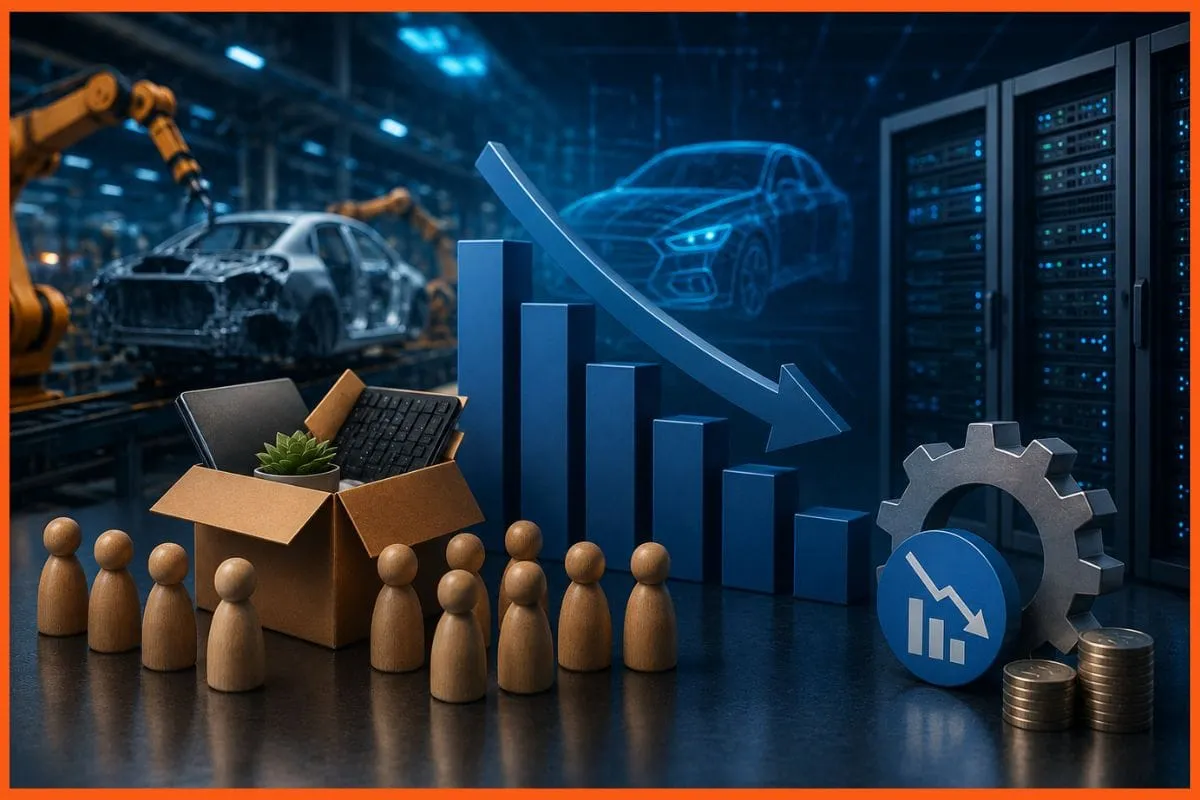
General Motors has begun laying off 500 to 600 IT employees worldwide, with the biggest impact in Warren Michigan and Austin Texas. The company says the moves support a broader restructuring of its technology department as it tightens costs while continuing major investments in EVs AI and software. GM did not disclose the final affected headcount but continues hiring for selected tech roles.
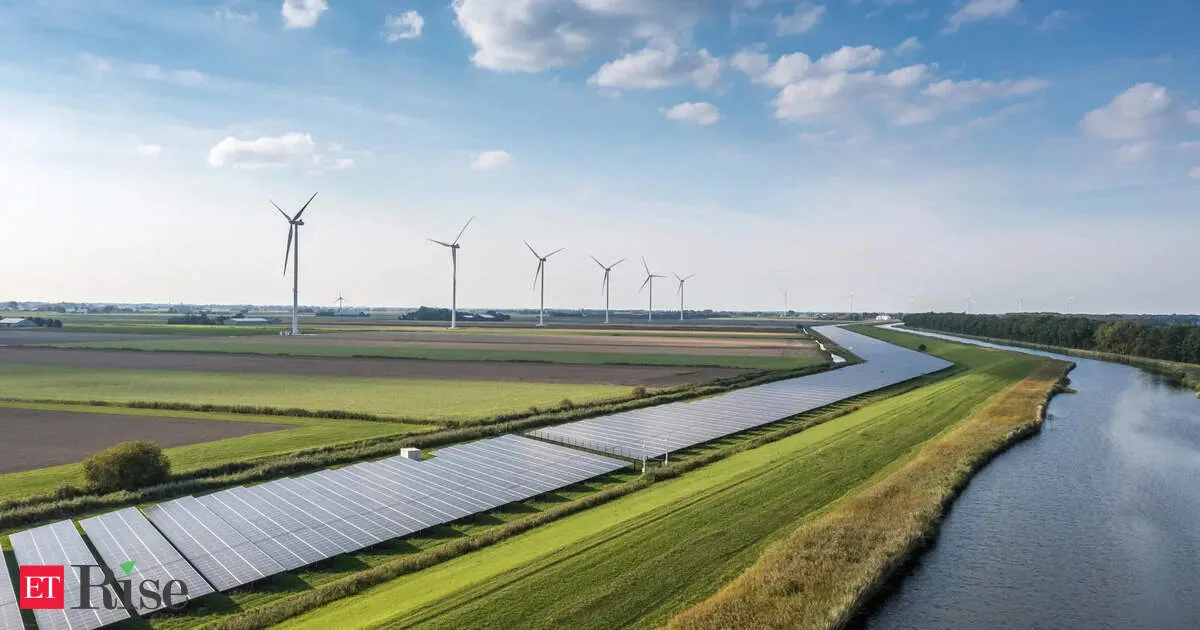
China’s green tech giants are capitalizing on a shifting energy landscape after the Iran war triggered fuel cost shocks. Firms such as Jinko Solar, Chery and BYD report rising demand for EVs, batteries, and solar panels as consumers and businesses in import-dependent markets seek cheaper, homegrown alternatives to expensive fuel.
Your news, in seconds
Get the Beige app — every story in 60 words, updated hourly. Free on iOS & Android.
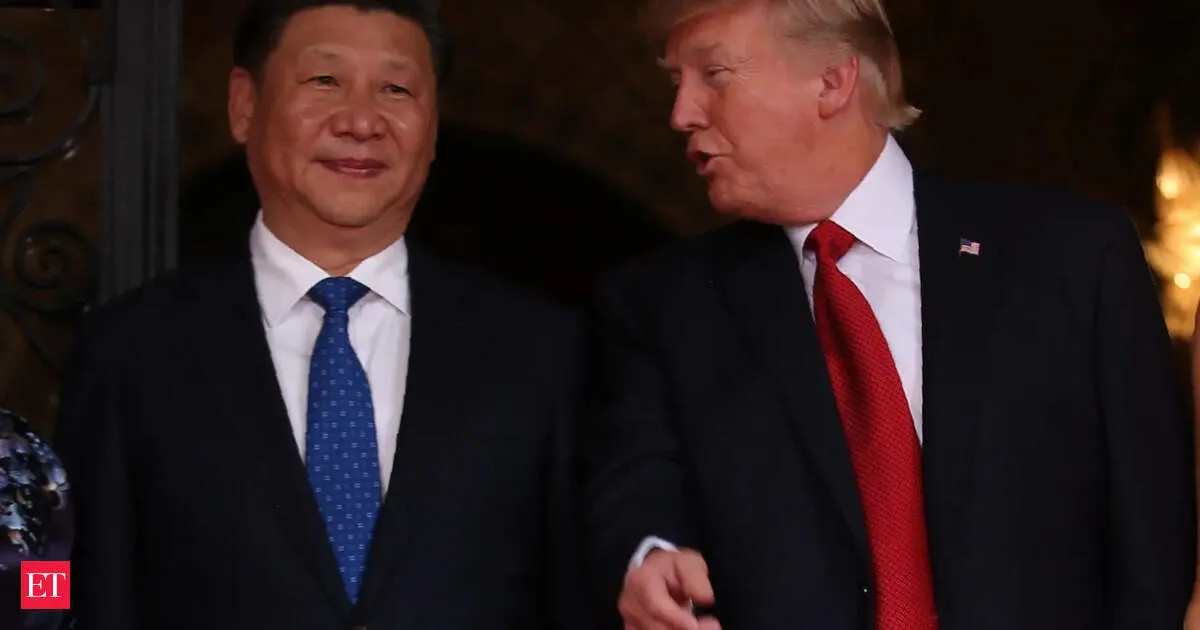
U.S. industry groups and bipartisan lawmakers are urging President Trump not to allow Chinese auto investments ahead of his summit with Xi. They cite fears of Chinese firms gaining market dominance and potential data-security risks. With Chinese EV makers expanding in Europe and Mexico through low prices, U.S. stakeholders warn U.S. production could take a major hit.
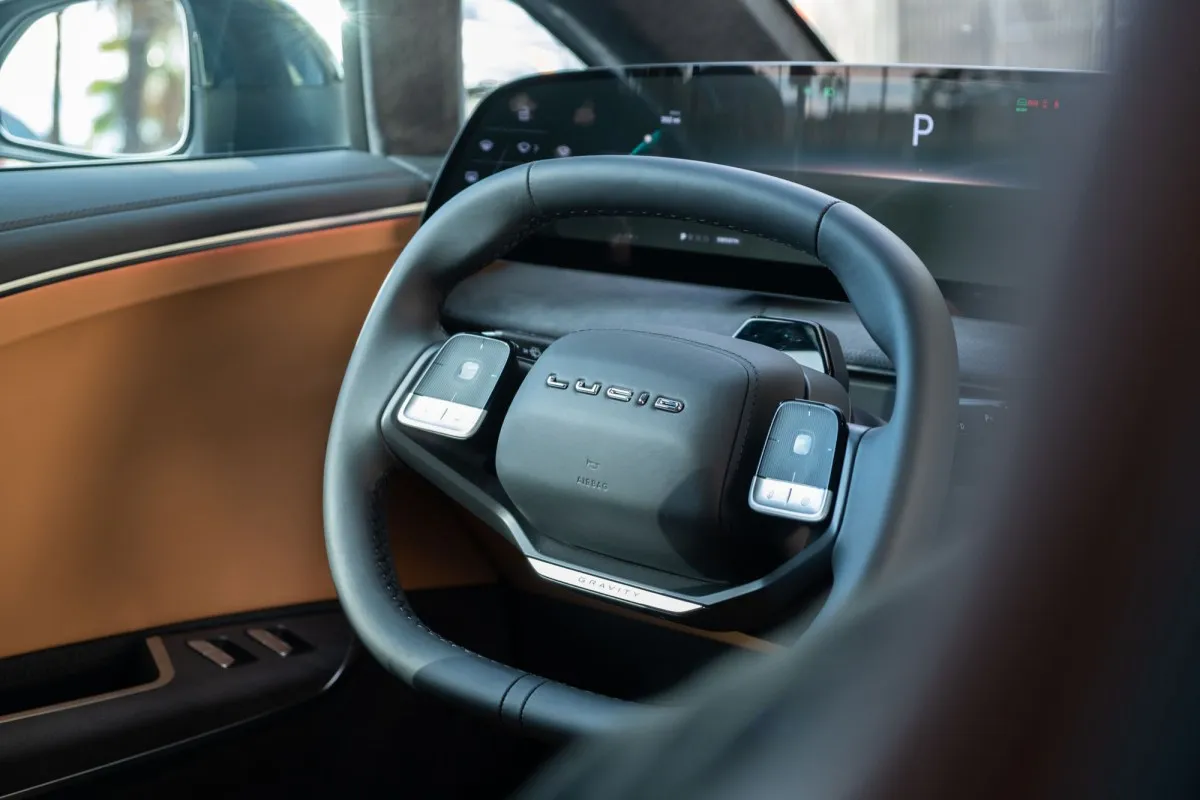
Lucid Motors has pulled its guidance for the year, citing a buildup of inventory and the impact of a companywide cost-cutting effort. The move signals uncertainty in how many EVs the automaker can realistically produce and sell in the near term, as it works to regain control of inventory levels and spending.
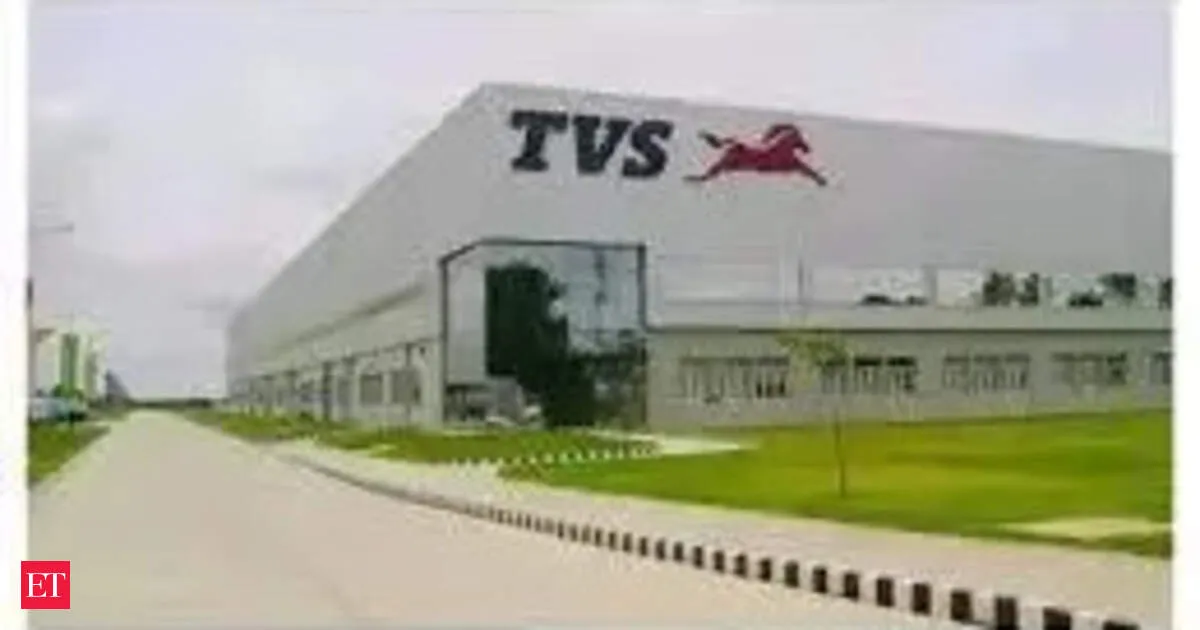
TVS Motor Company reported a 7% year-on-year rise in total sales for April 2026, reaching 4,73,970 units. Two-wheeler demand improved, led by a sharp increase in scooter sales. EV sales and three-wheeler sales also grew substantially, while international business added momentum—pointing to a strong month overall.
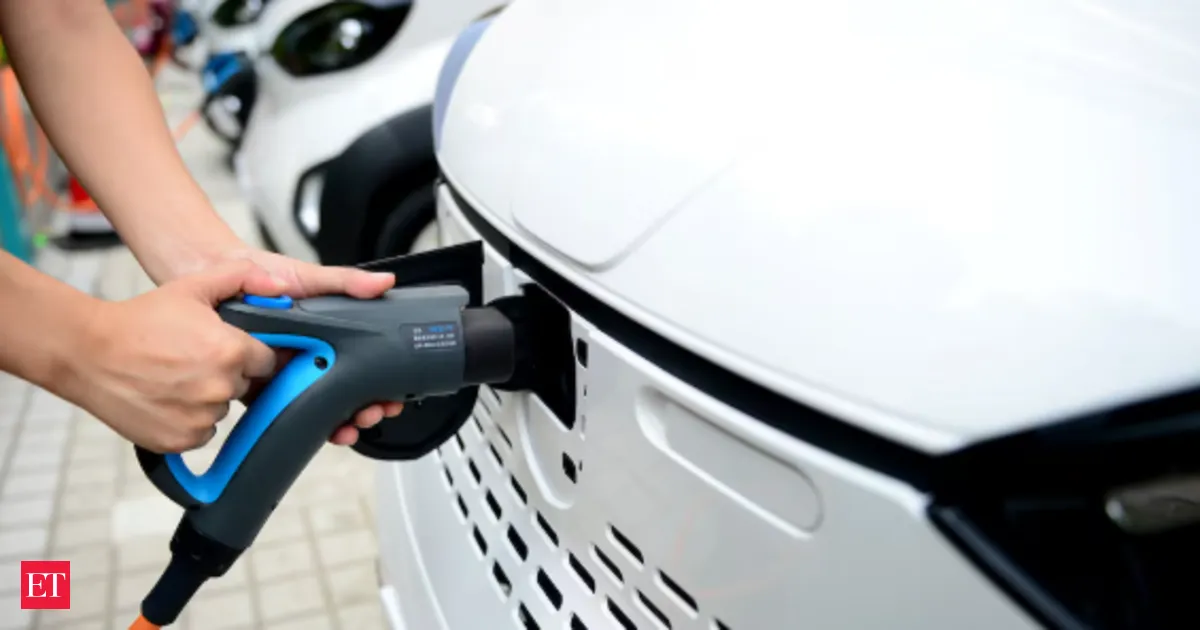
Nomura says India’s EV transition will hinge less on announcements and more on how fast it can build a China-style charging ecosystem. The report points to infrastructure readiness as the key trigger for mass adoption, arguing that scale, supportive policy, and rapid charging buildout are the fastest path to moving customers from trials to daily use.
Never miss a story
Set alerts for the topics and sources you care about. Download Beige for free.
Tensions involving the U.S. and Israel with Iran are accelerating Asia’s pivot from fossil fuels toward electrification, especially electric vehicles and battery storage. The reported risk to oil and LNG supplies is driving investment and adoption, with the biggest momentum expected in two- and three-wheeler EVs and battery systems across Southeast and South Asia.
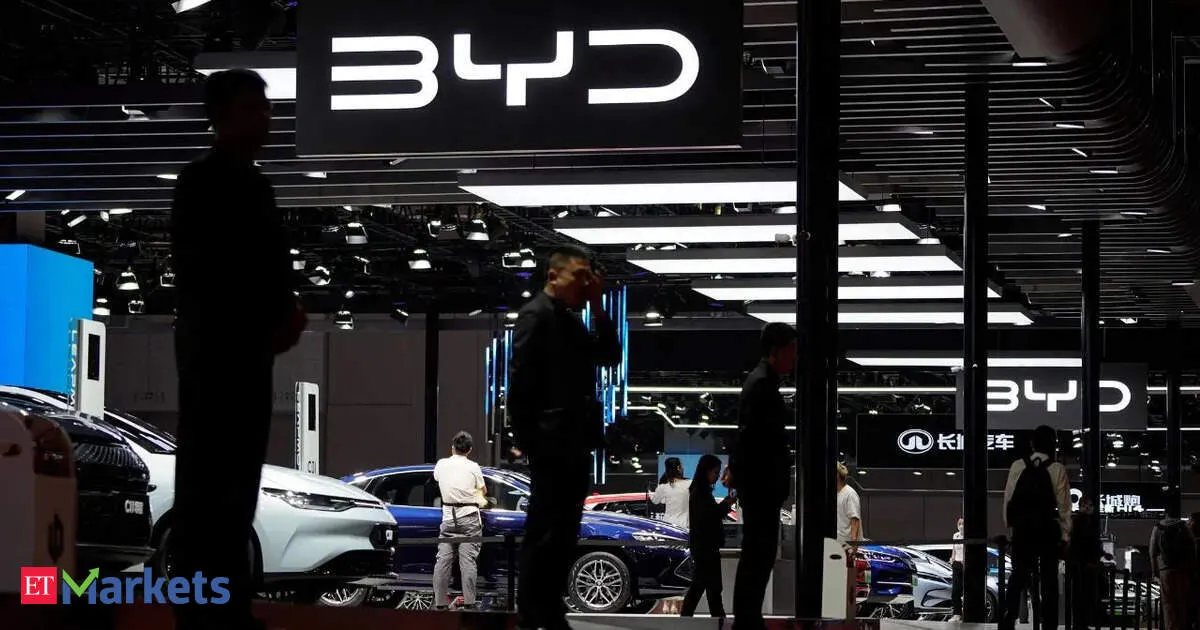
BYD’s Q1 profit dropped 55%, its steepest decline since 2020, according to a stock filing. Sluggish demand in China and growing competition in electric vehicles are blamed for weaker results. The news adds pressure on global markets watching EV leaders, as momentum in China appears to be cooling faster than expected.
Copper prices are hovering near record highs, powered by AI-driven data centre demand, accelerating electrification, tight mine supply and geopolitical disruptions. After a pullback from recent peaks, prices are consolidating at elevated levels. Market analysts say structural demand from EVs, renewables and infrastructure should keep the long-term outlook bullish even as short-term volatility continues.
Mercedes-Benz India’s chief says the automaker’s EV push is set to speed up, with a slate of new electric models planned for the next 18 to 20 months. The company aims to expand its EV presence across multiple segments, signaling a broader strategy to meet India’s growing demand for sustainable mobility.
Reading on mobile?
Open Beige in the app for a smoother experience — free on iOS and Android.
India has started its first pilot plant for Nd-Fe-B rare earth permanent magnets at ARCI, Hyderabad—aiming to reduce massive yearly imports that cost hundreds of crores. The sintered NdFeB capacity push follows an RFP for 6,000 MTPA. This matters for EVs, wind power, defence systems, and electronics, shifting India from consumer to potential supplier.
Tata Motors logged a 26.6% rise in October sales, reaching 61,295 units across domestic and international markets. The company credits the upbeat figures to unusual festive demand, record performance from its SUVs and EVs, and recent GST-related reforms. It also said more than one lakh vehicles were delivered between Navratri and Diwali.
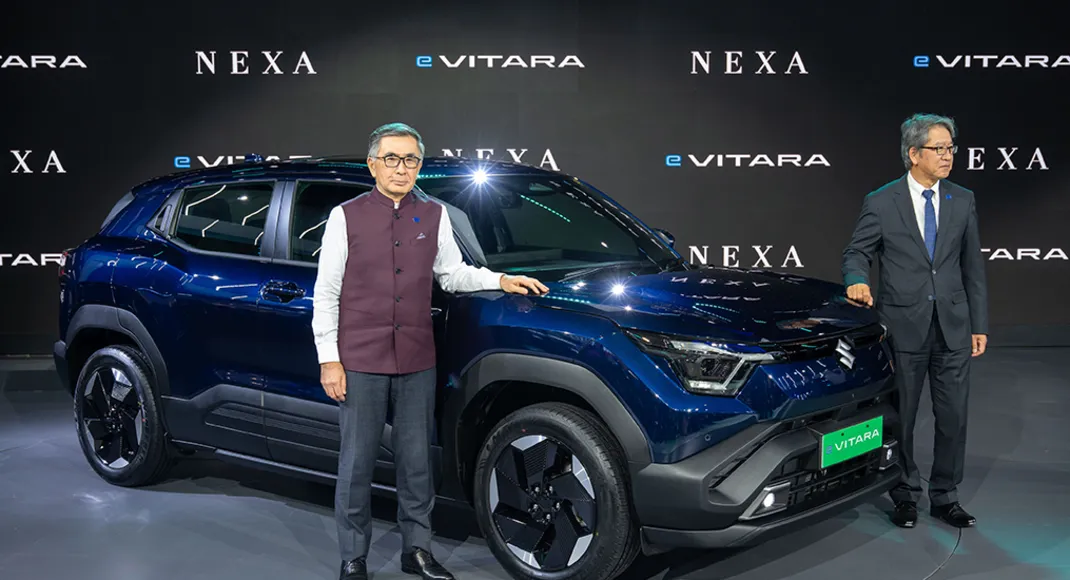
EV penetration in India is losing steam for cars, two-wheelers, and three-wheelers after GST rates for internal combustion engine vehicles were reduced under GST 2.0. As ICE models become more price-competitive, buyers are shifting away from EVs—despite new launches like Maruti’s eVitara. The result is slower EV adoption across multiple segments.
Mercedes-Benz India reported a 7% rise in Q1 2026 sales to 5,131 units, pointing to sustained strength in the luxury segment. The company expects another record year in 2026-27, led by high-end demand and growing interest in electric models. Mercedes-Benz also plans value-led expansion with launches including the CLA BEV and new AMGs.
Follow your favourite sources
Track sources, tags and categories — all in the Beige app.
India’s EV race is shifting from commuting to family comfort as more seven-seater electric models enter the market. Brands including VinFast, Mahindra and Mahindra, BYD, JSW MG, and Kia are targeting affluent city buyers who want spacious rides without sacrificing efficiency. The push signals a new battleground: value, comfort, and eco-friendly convenience for everyday journeys.
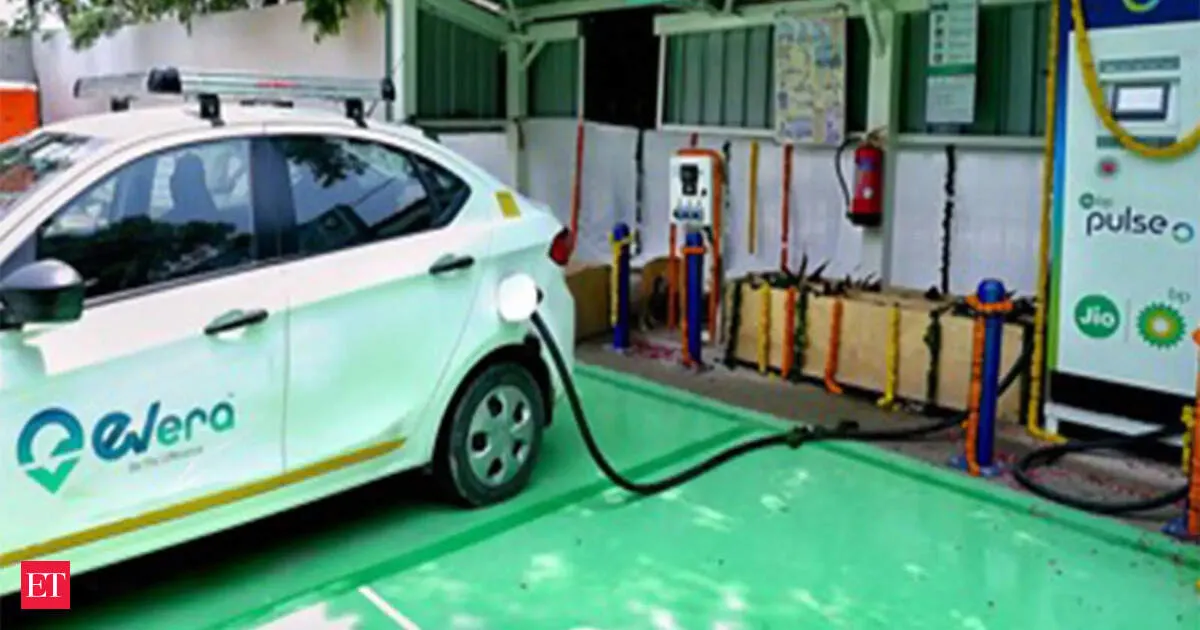
India’s electric vehicle interest is rising fast, but charging infrastructure is not keeping pace. As forecasts point to millions of EVs in daily use, the current network of charging stations appears insufficient for the scale of demand. The result: a growing risk that charging bottlenecks could slow adoption unless capacity expands quickly across cities and highways.
As markets chase AI giants, copper is quietly emerging as the critical infrastructure behind the digital and green transition. Data centers, electric vehicles, and renewables all need rising copper supply, while global production remains constrained. The result: copper may be a powerful, undervalued enabler of future growth—potentially where returns are hiding.
Swipe through stories, personalise your feed, and save articles for later — all on the app.