Cacti are usually seen as slow, desert-stoic plants, yet new research finds they diversify far faster than expected. Scientists analyzing flower data from more than 750 cactus species report that flower size, even across an enormous 185-fold range, hardly predicts when new species appear. Instead, the key is how quickly cactus flowers change shape over time. The study challenges older ideas about pollinators and specialized flowers and suggests deserts may evolve rapidly too.
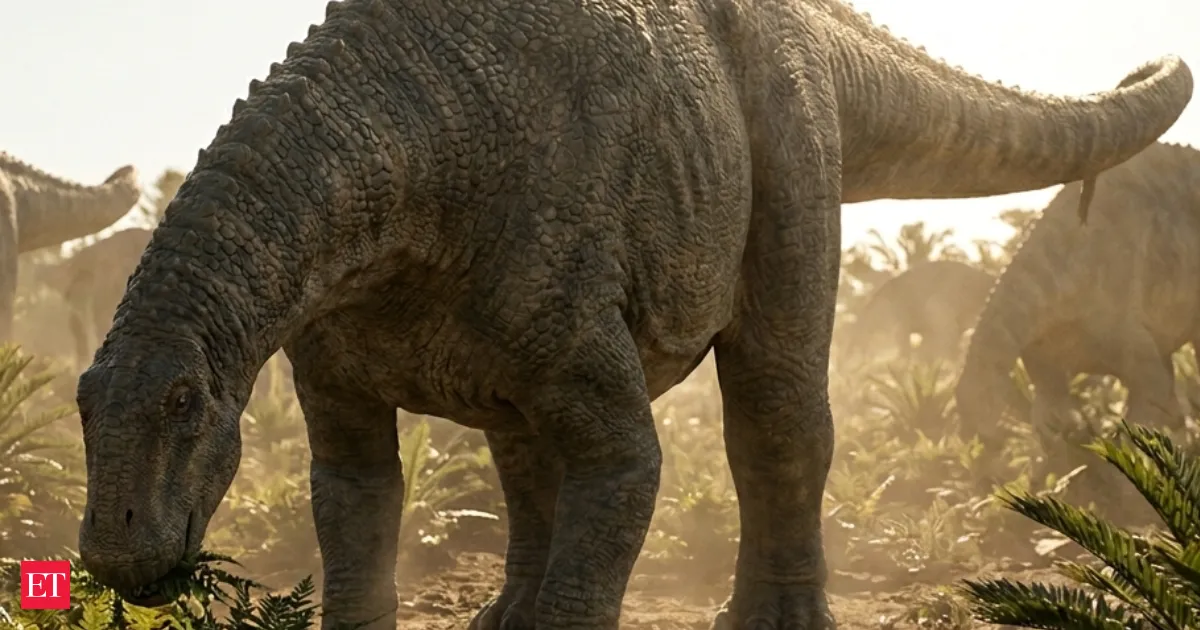
Paleontologists say Brachytrachelopan mesai was a sauropod with a neck about 40 percent shorter than its giant relatives, challenging the assumption that long necks were essential. Researchers believe it fed on low-lying plants, carving out a niche others avoided. The find underscores that evolution often takes opportunistic routes, not fixed playbooks.
Your news, in seconds
Get the Beige app — every story in 60 words, updated hourly. Free on iOS & Android.
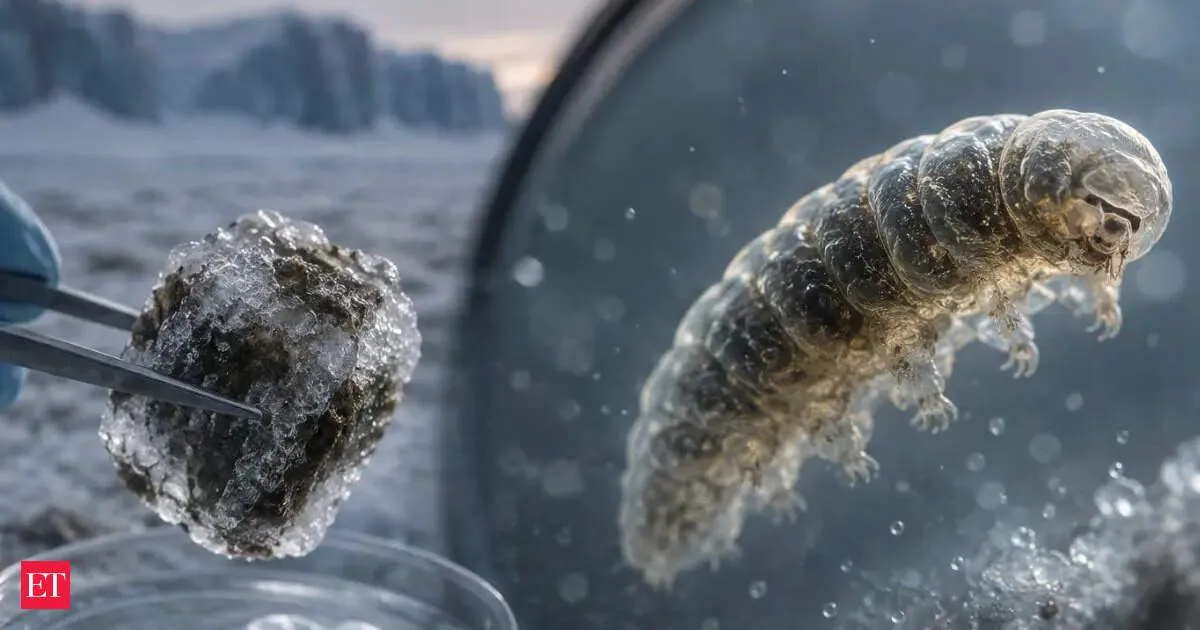
Scientists have revived a 24000 year old bdelloid rotifer from Siberian permafrost, a microscopic “zombie worm” that can withstand freezing, starvation, and even reproduce without a partner. The breakthrough underscores how resilient life can be in extreme conditions, while also raising new worries that thawing Arctic permafrost could awaken ancient microbes and mobilize stored carbon.
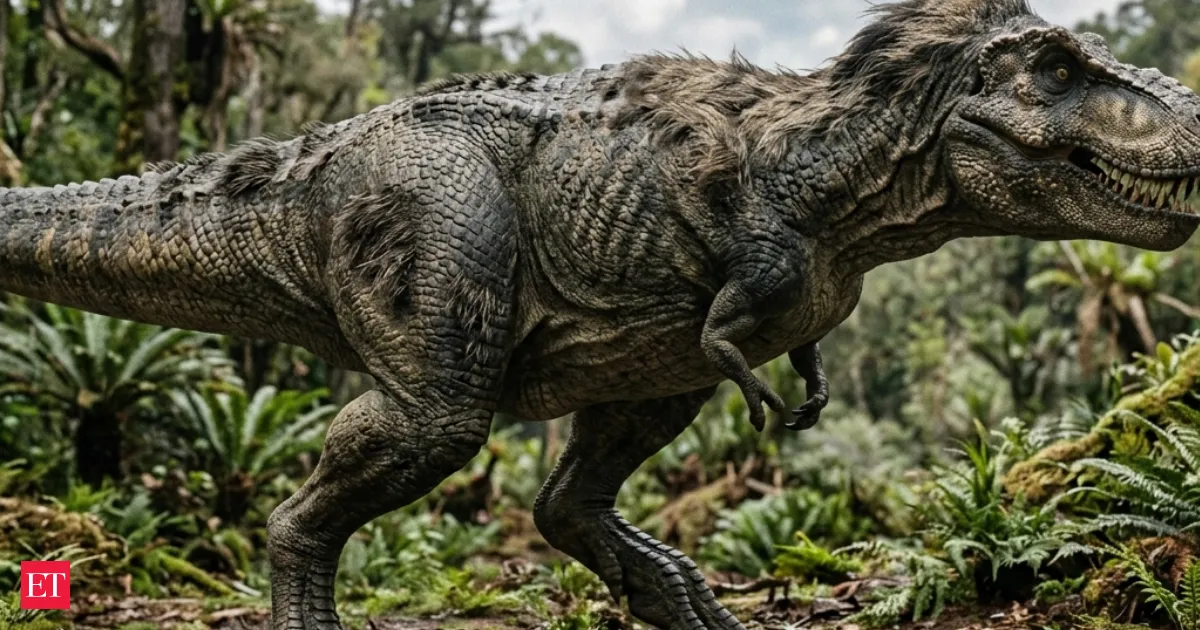
Fresh fossil evidence is reshaping how scientists picture the adult T rex. While some of its smaller relatives likely had filament-like coverings, new skin impressions from the neck, pelvis, and tail point to scales. Researchers argue the dinosaur’s massive body may have reduced the need for heavy insulation, like elephants, revealing a more complicated evolution than popular imagination.
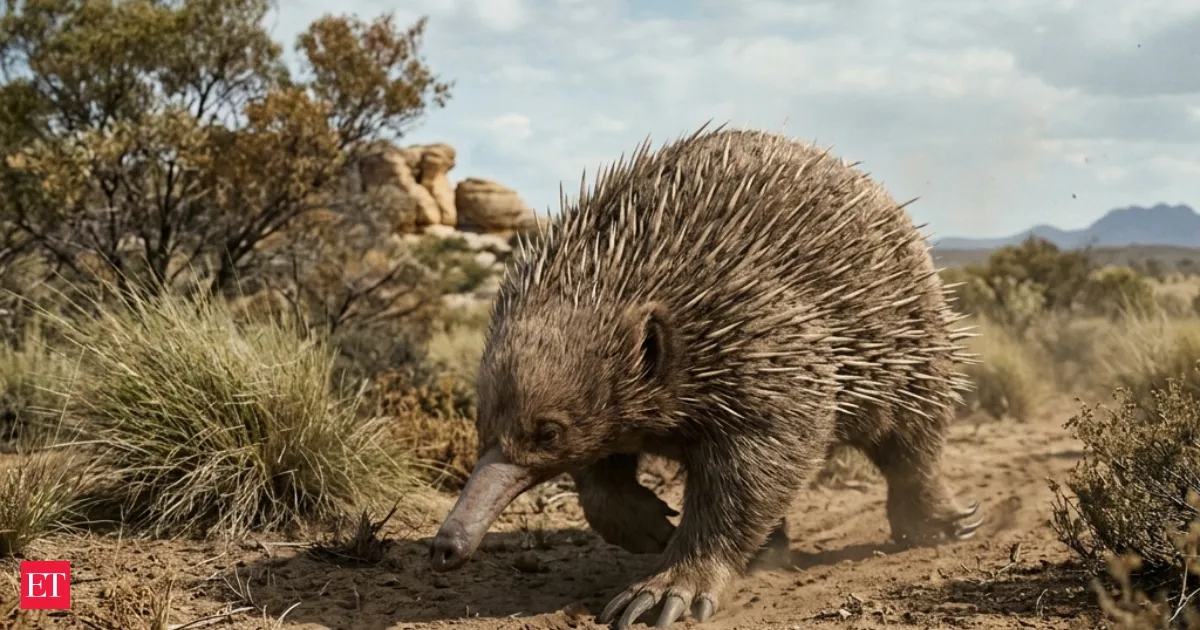
A fossil of an extinct giant echidna was quietly stored in a museum drawer for more than a century before researchers re-examined it and extracted new evolutionary clues. The study points to greater diversity among ancient monotremes and expands the known range of these animals across Australia, highlighting how priceless museum collections can still transform science.
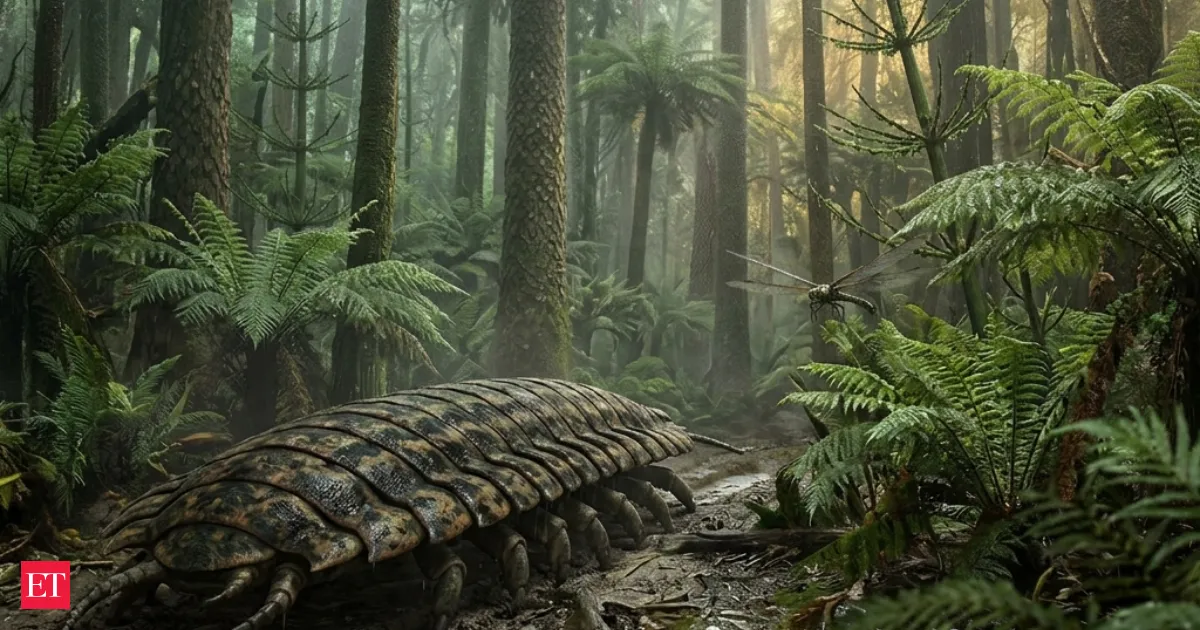
Researchers say the colossal arthropod Arthropleura—dating to the Carboniferous and early Permian—can now be definitively tied to millipedes thanks to newly discovered head anatomy. The giant likely grew to car-length scales, reshaping how scientists picture ancient land ecosystems and the early evolution of terrestrial life.
Never miss a story
Set alerts for the topics and sources you care about. Download Beige for free.
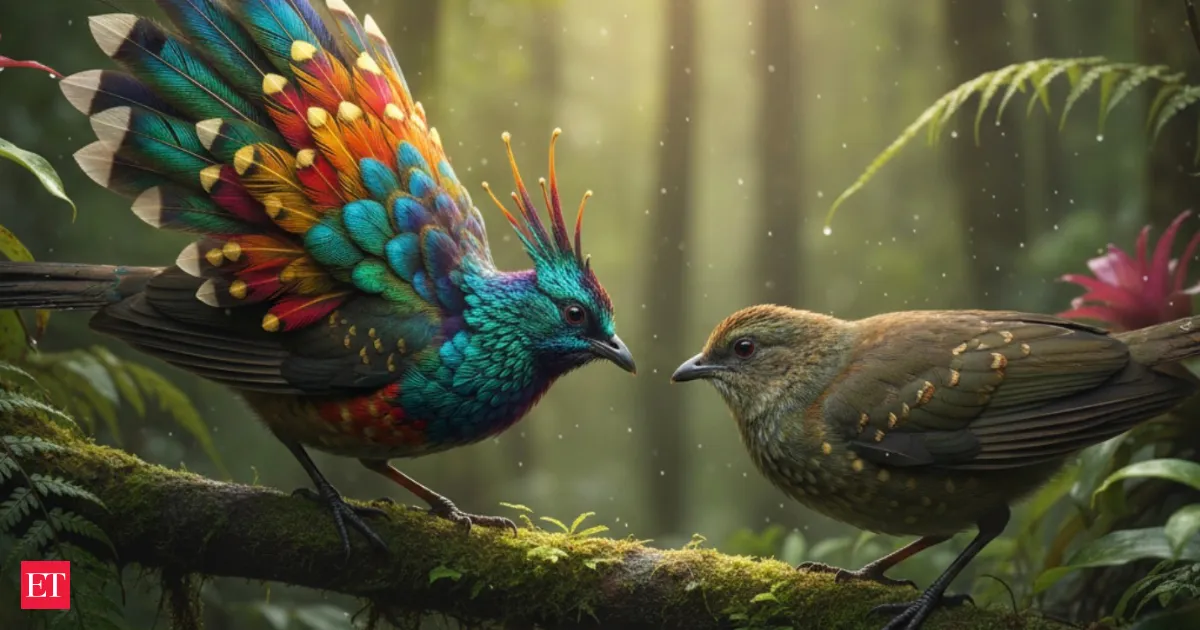
A new evolutionary framework suggests animal communication can change when females relax their mate preferences, allowing fresh signals to emerge and spread. Researchers describe two routes: receiver first, where females start with biases, and signal first, where males craft cues and females adapt. Sensory bias can steer both paths, with implications for speciation and conservation through behavioral flexibility.
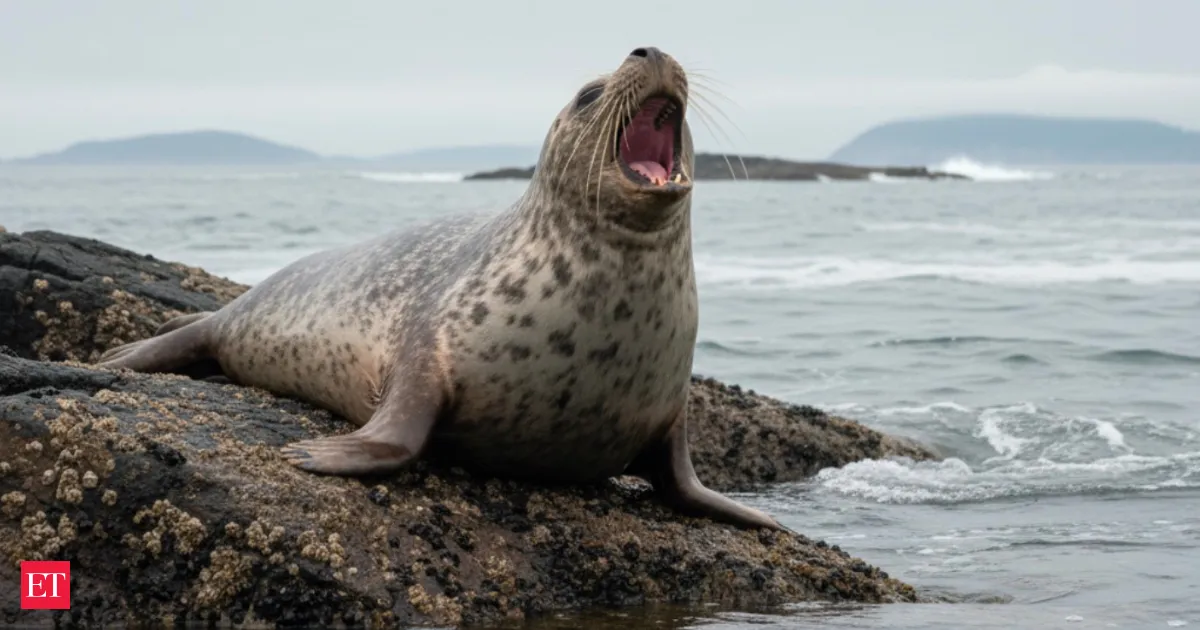
Seals and sea lions can voluntarily control their vocalizations, a rare ability in mammals. Scientists say their vocal motor cortex connects directly to the muscles that produce sound, unlike most species whose calls are largely automatic. Their specialized underwater breathing systems are also tied to vocal production, helping researchers piece together how human-like speech may have evolved.
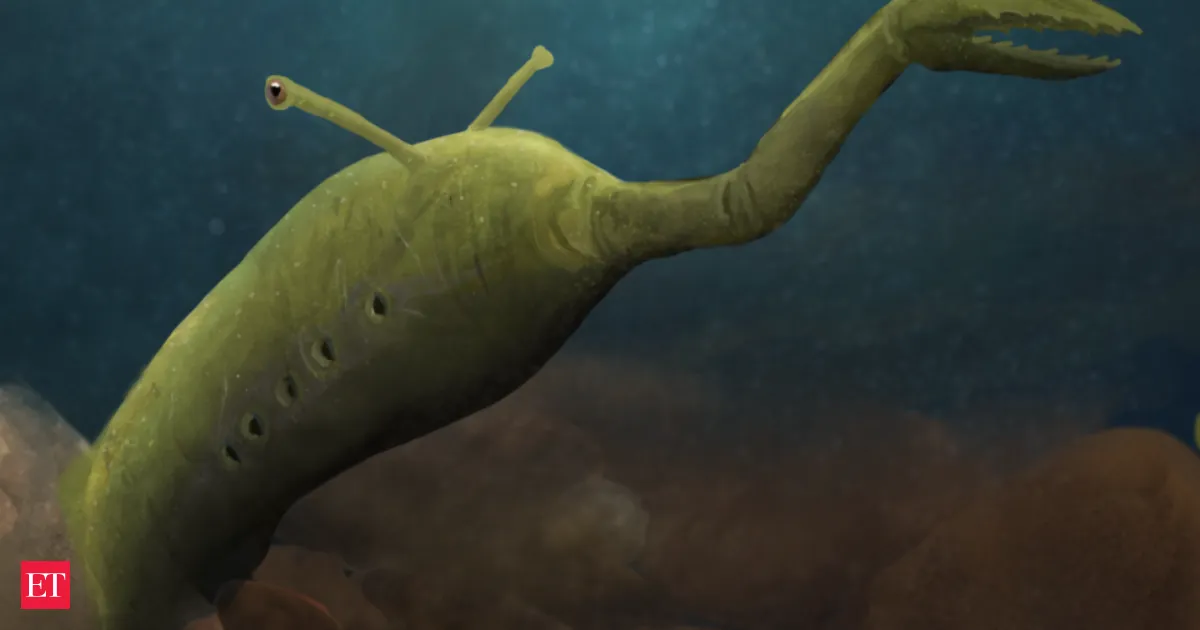
Discovered in Illinois in 1958, the Tully Monster has kept paleontologists guessing ever since. Its strange anatomy won’t fit neatly as a vertebrate or an invertebrate, and studies using different methods have produced conflicting evolutionary placements. With no single answer yet, the fossil remains a vivid example of how scientific conclusions can shift as evidence and techniques evolve.
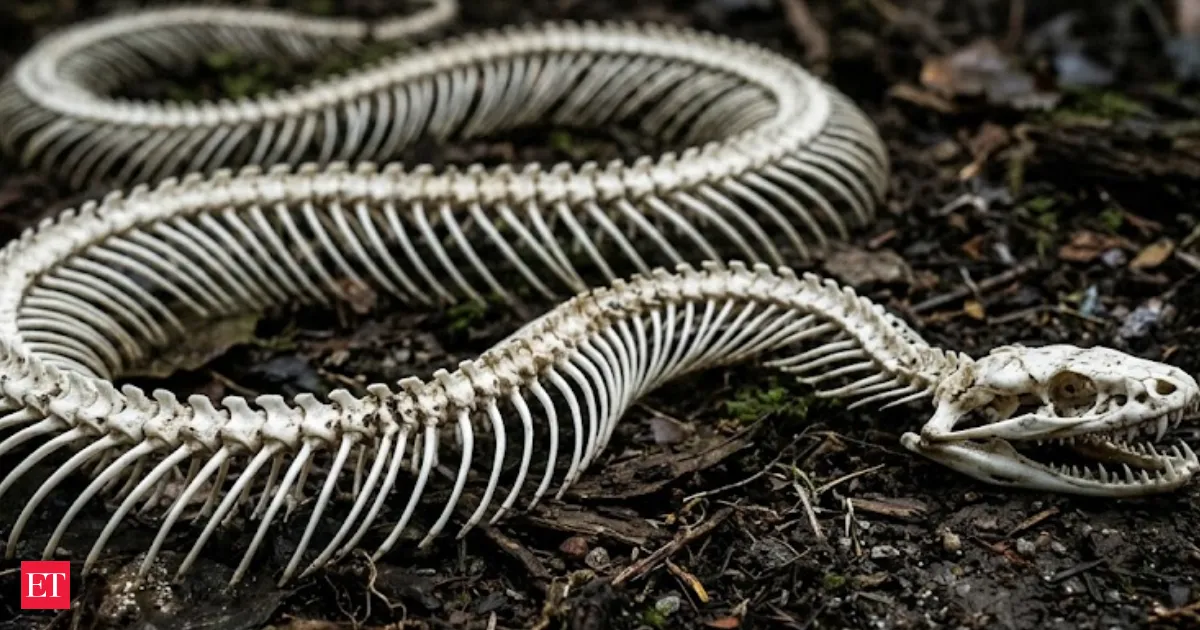
A newly studied fossil, Najash rionegrina, suggests snakes didn’t suddenly lose legs. Instead, evolution unfolded gradually: this ancient reptile still had hindlimbs and a distinctive skull, bridging lizards and modern snakes. The findings strengthen the case for slow, step-by-step body reshaping over millions of years, offering a clearer timeline for snake evolution.
Reading on mobile?
Open Beige in the app for a smoother experience — free on iOS and Android.
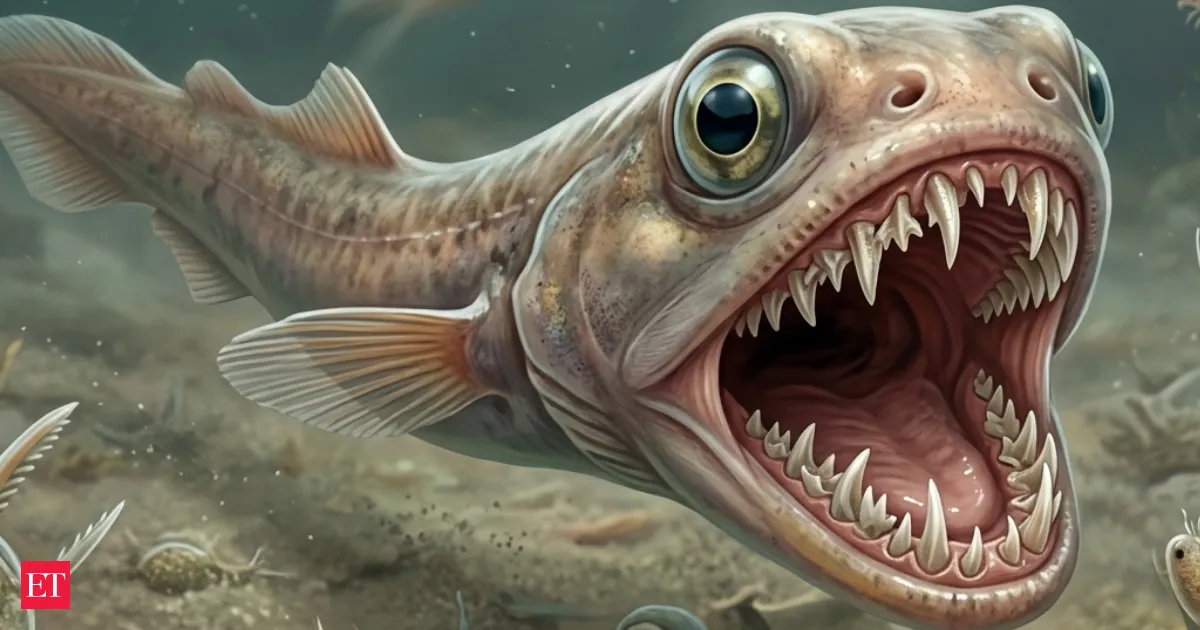
New research using microscopic analysis shows ancient eel like conodonts had highly effective cutting structures in their teeth. The mineralized material spread stress efficiently, helping the teeth resist fractures while remaining powerful feeders. The discovery forces a rethink of early vertebrate evolution, suggesting sophisticated feeding adaptations appeared far earlier than scientists assumed.
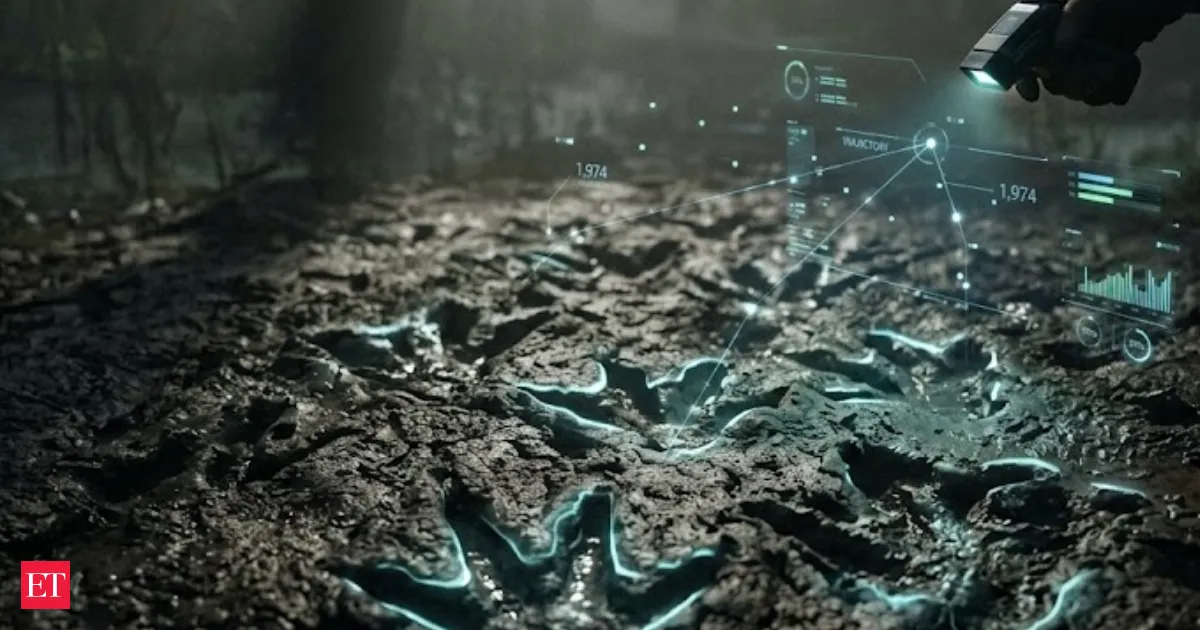
Using artificial intelligence to interpret fossilized footprints, researchers analyzed 1,974 previously unclassified trackways. The AI’s pattern recognition points to bird-like relatives appearing millions of years earlier than established evolutionary timelines suggest. If confirmed, the findings could reshape how scientists date early avian ancestors and motivate new fossil track studies to test the revised history.
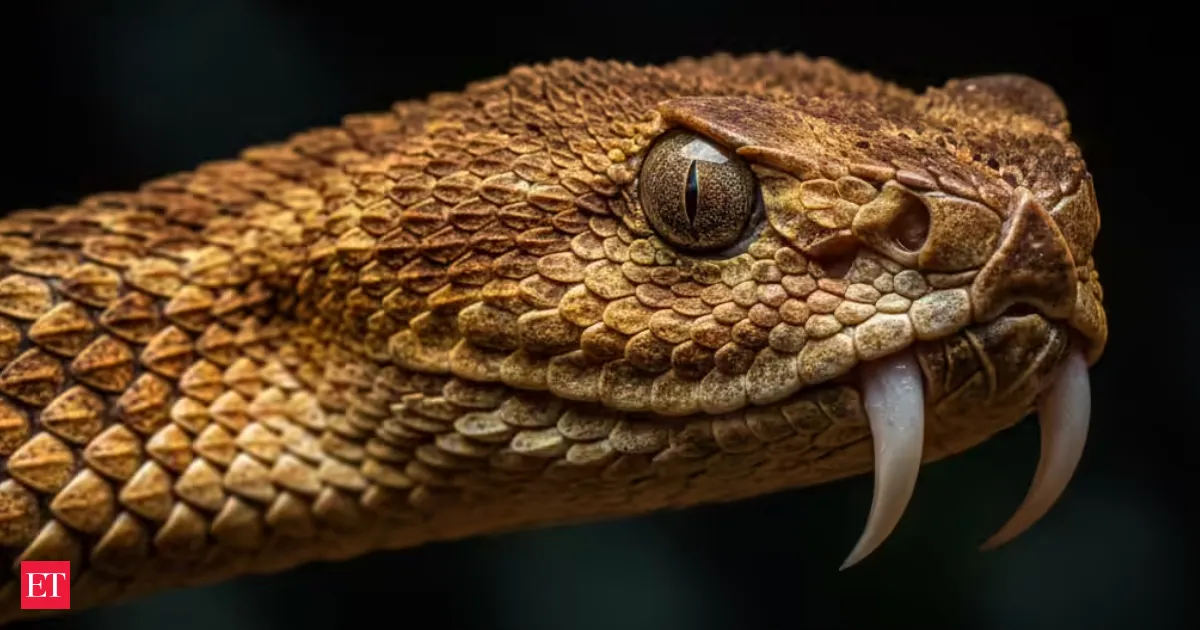
New research is challenging the idea that snake venom evolution always favors complexity. Scientists found that some snakes shift toward simpler venom blends tailored to specific prey, particularly on isolated islands. This “ecological efficiency” reduces wasted effort while preserving effectiveness, and genetic flexibility allows future changes. Coevolution with prey further steers which venom traits survive.
New research highlights behavioral flexibility as a key survival tool for animals facing sudden environmental shifts. Instead of waiting for genetic evolution, creatures quickly adjust feeding and movement habits. Yet the same flexibility may reduce selection pressure, potentially slowing longer-term physical change. Across lemurs, urban birds, and mice, these fast adaptations can also boost diversification and shape evolution over time.
Follow your favourite sources
Track sources, tags and categories — all in the Beige app.
A new Science study reports giant octopus-like creatures reaching about 19 metres long roaming ancient oceans roughly 100 million years ago. Fossilised beaks suggest they could crush bones and hunt at the top of the food chain, rivaling marine giants like mosasaurs. The findings point to intelligent invertebrates dominating ecosystems long before the Kraken entered modern legend.
New fossils from China’s Yunnan province suggest complex animal life started far earlier than scientists believed. The findings point to the late Ediacaran period, around 539 million years ago, shifting the timeline of when early complex animals first appeared. Researchers say the fossils provide an unprecedented glimpse into a critical turning point in Earth’s biological history.
Swipe through stories, personalise your feed, and save articles for later — all on the app.