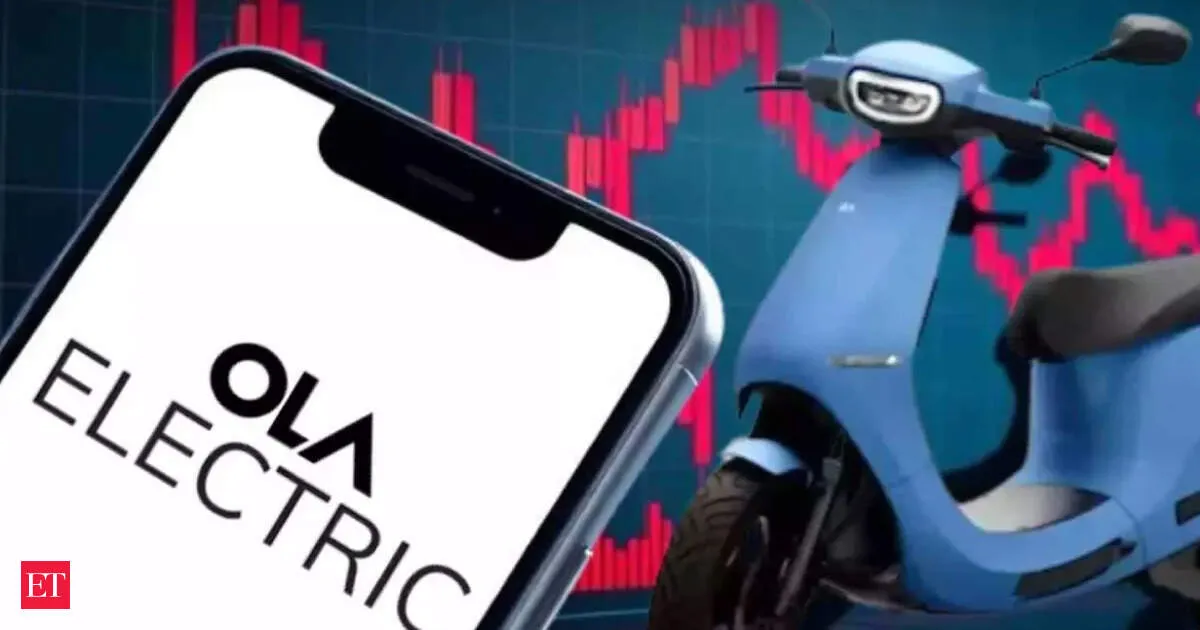
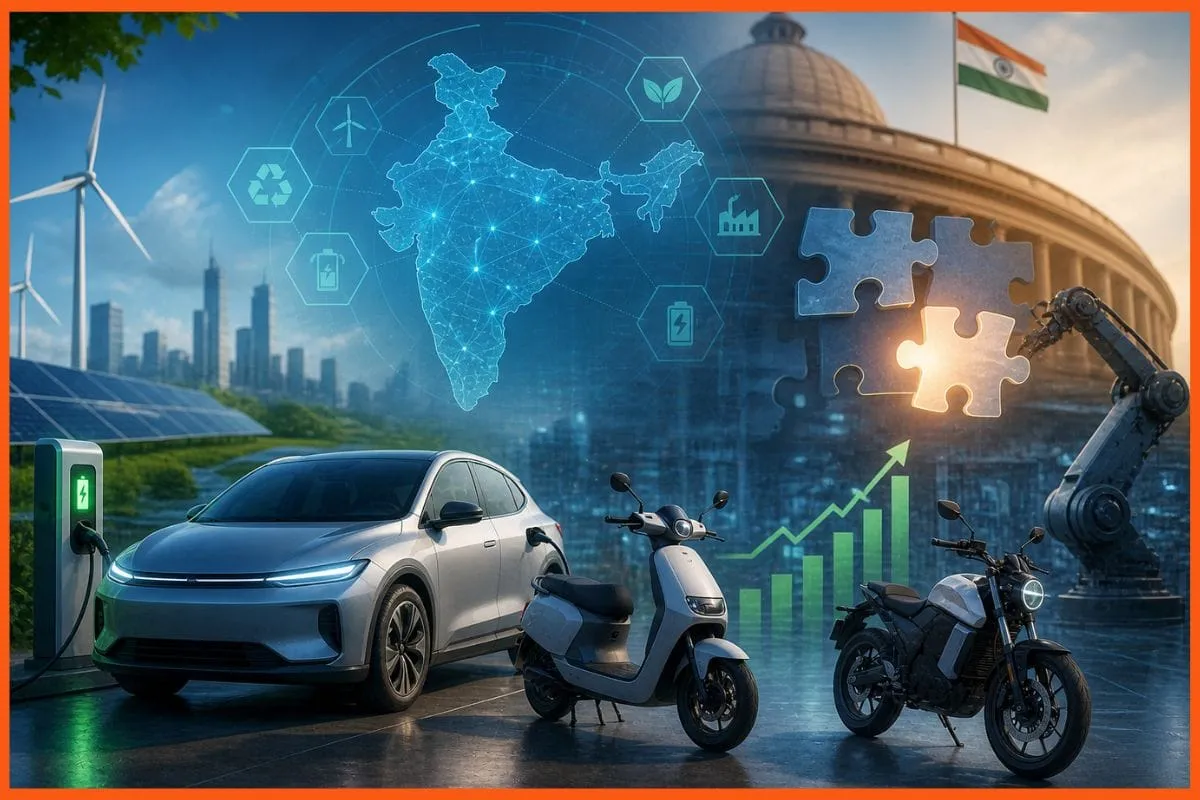
Ola Electric Mobility’s board has approved Rs 2,000 crore in investments into two wholly owned subsidiaries—Rs 1,500 crore for Ola Electric Technologies and Rs 500 crore for Ola Cell Technologies. The capital will be infused through compulsory convertible preference shares and is expected to be completed by May 14, 2027. Ola says the move will strengthen its EV ecosystem and battery manufacturing amid intensifying competition in India’s EV market and government pressure for localised cell production.
Honda says it has indefinitely suspended plans for a multi-billion-dollar EV plant in Canada, dealing another blow to a tariff-hit auto sector. With Canada deeply integrated into North America’s car supply chain, Trump-era tariffs are hitting the industry especially hard, raising pressure on automakers’ investment timelines and future production plans.
Your news, in seconds
Get the Beige app — every story in 60 words, updated hourly. Free on iOS & Android.
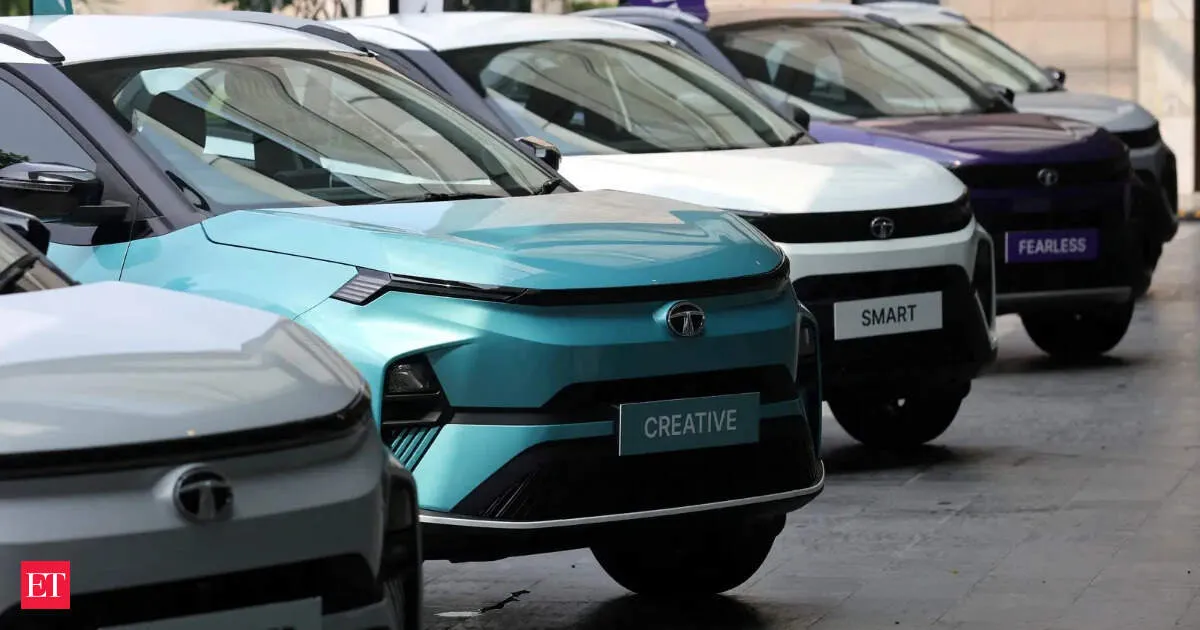
Tata Motors Passenger Vehicles expects industry-beating growth in FY27, betting on rising demand for SUVs, CNG and electric vehicles to push higher production. The outlook comes after a record FY26, when the company finished second in the passenger vehicle market. Management says it is tracking geopolitical shocks and commodity price moves that could affect performance.
Honda Motor reported its first annual loss in nearly 70 years, sliding to 414.3 billion yen. The company blamed U.S. tariffs and steep restructuring costs tied to its electric vehicle push, with EV-related losses topping $9 billion. Honda said more expenses may follow but expects to swing back to profitability within the current fiscal year.
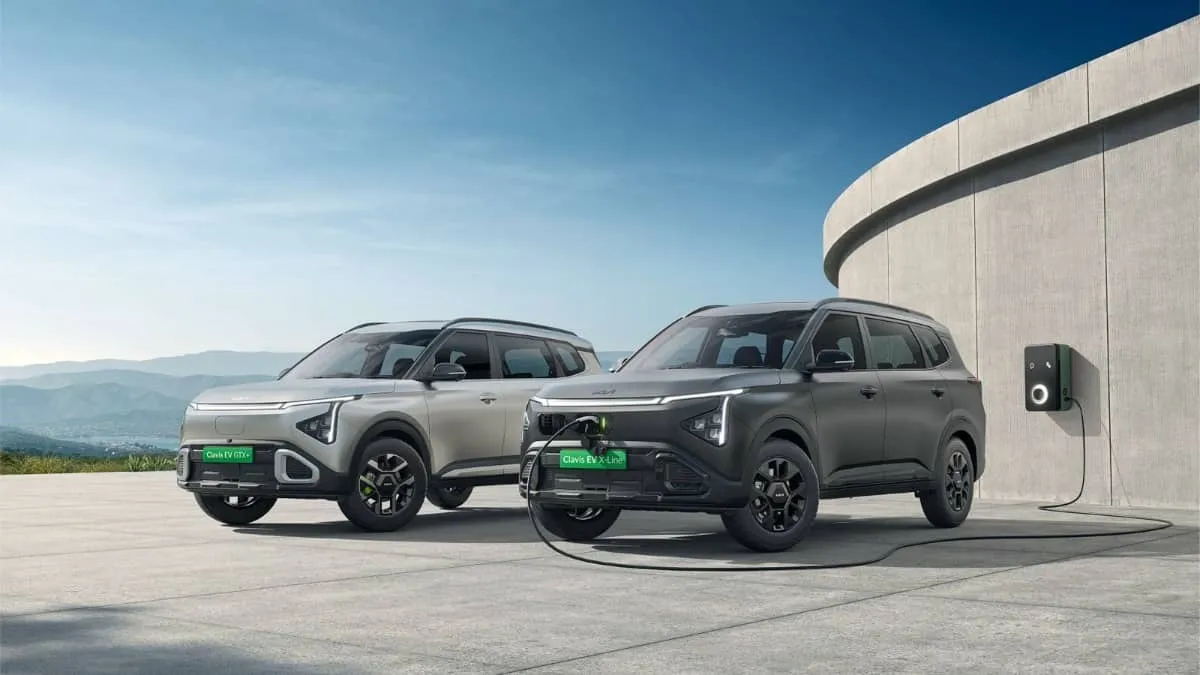
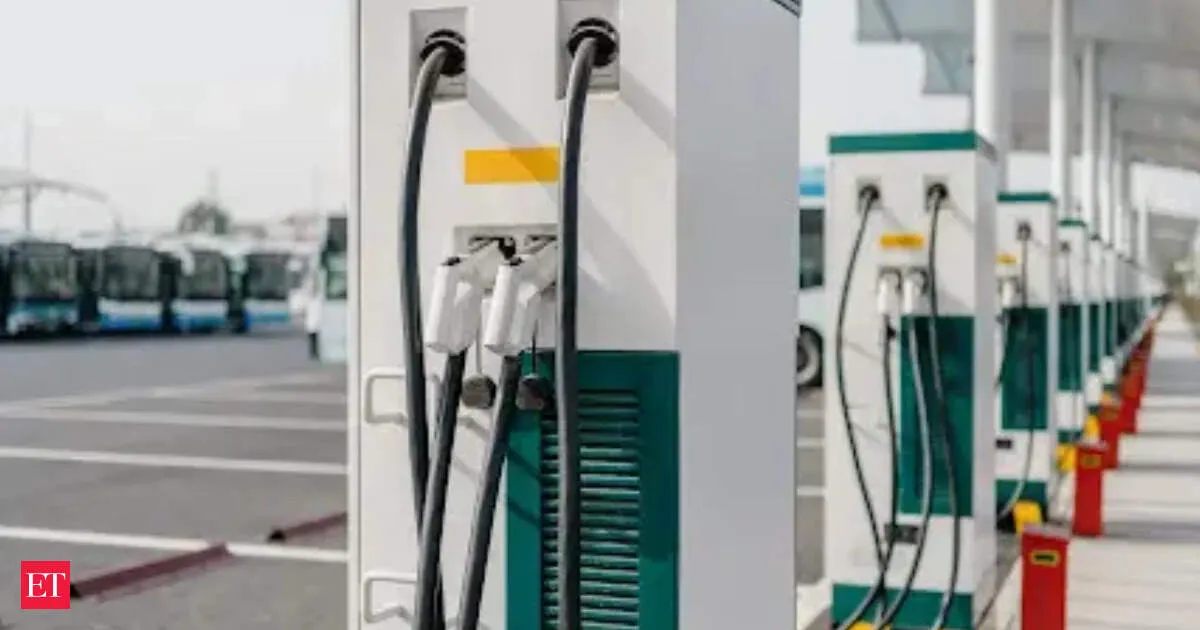
Kia India has launched a Battery as a Service (BaaS) programme for its Carens Clavis EV, aiming to cut the upfront cost of going electric. Instead of paying full battery cost upfront, customers can split vehicle and battery expenses through a new financing approach. Kia also claims access to 15,000 charging points via its K-Charge platform on the MyKia app.
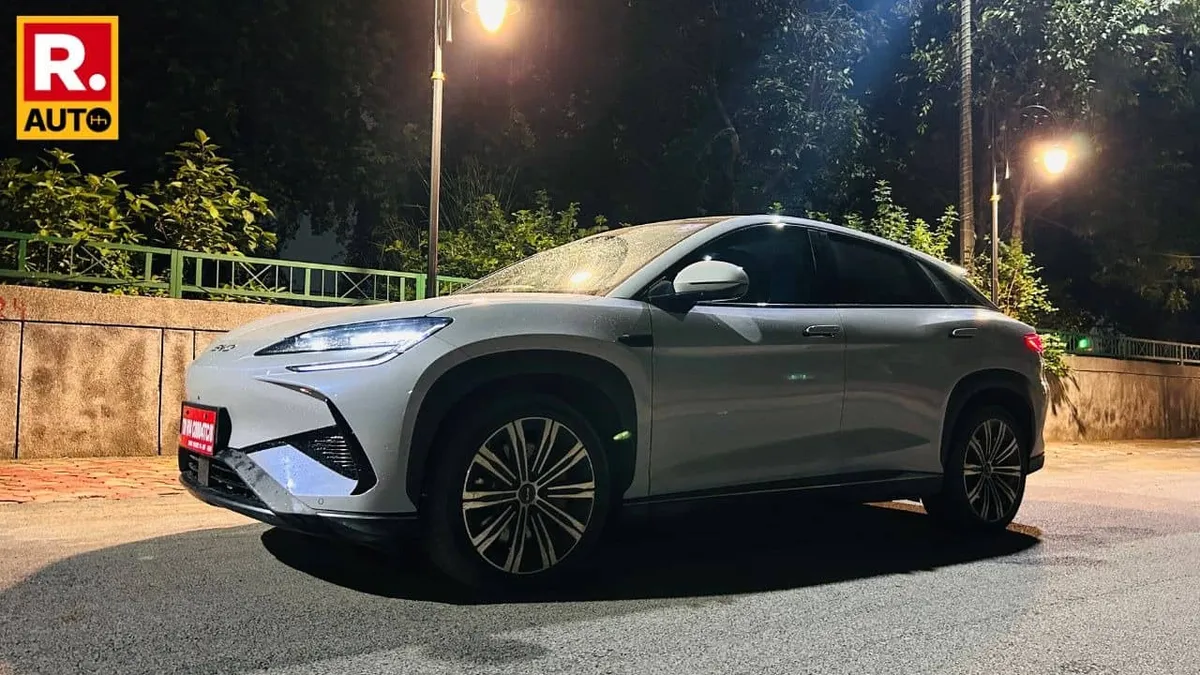
BYD India has announced revised pricing for its electric passenger vehicle lineup effective July 1, 2026. The company says the change will vary by model and variant, ranging from about 1% to 2%. The hike will apply across popular models including the Atto 3, Seal, and Sealion 7, making new purchases costlier soon.
Never miss a story
Set alerts for the topics and sources you care about. Download Beige for free.
Ola Electric’s S1 X+ 5.2kWh scooter has received government approval, spotlighting its indigenously developed 4680 Bharat Cell battery. Ola says this mass market model delivers the longest range within its segment and positions the company to scale advanced EV tech beyond big cities, helping drive adoption across more of India’s consumer markets.
KPIT Technologies founder and chairman S B Ravi Pandit died on May 8, 2026. He launched KPIT in 1990 and later steered it to become a global player in automotive software, electrification, and mobility solutions. Under his leadership, KPIT worked with major automakers to develop advanced technologies shaping the transition to EVs and connected vehicles.
Tata Group and JSW Group are set to invest nearly $1 billion in electric vehicle and battery technology, focusing on homegrown research capabilities. The push, led by Tata’s Agratas and JSW Motors, is designed to reduce reliance on Chinese EV and battery supply chains by building local know-how. Tata plans over $400 million for battery research, while JSW targets at least $500 million for a research hub.
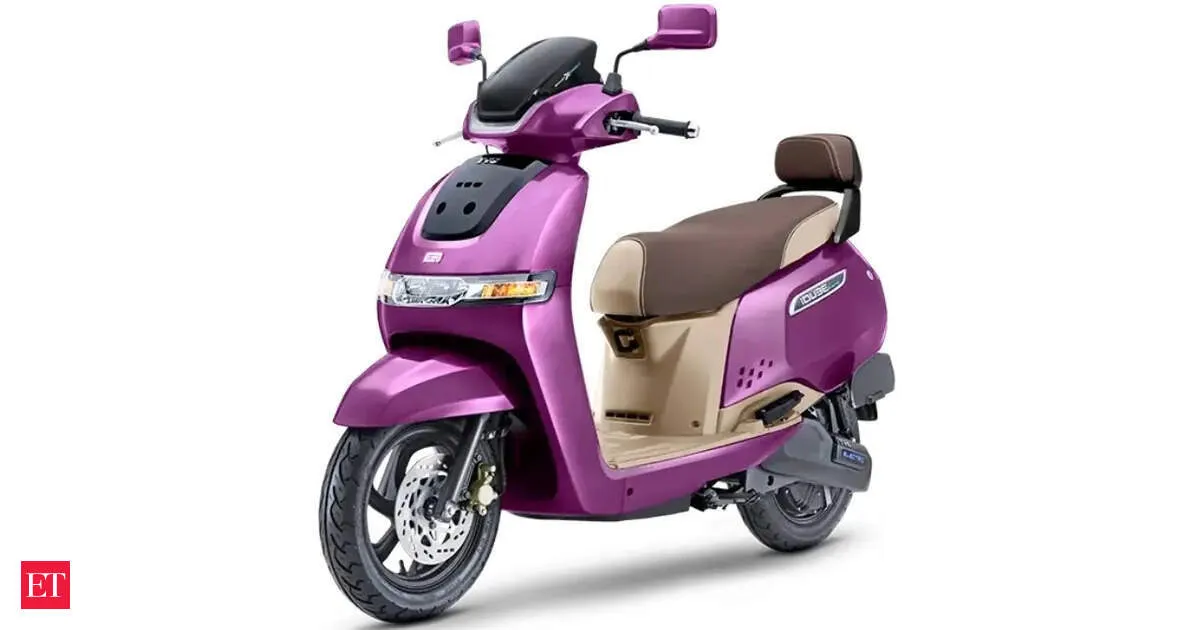
TVS Motor has unveiled an upgraded iQube S electric scooter with a larger 4.7 kWh battery, claiming a range of up to 175 km. The new variant is priced at Rs 1,37,142 and raises peak power to 5.9 hp. It also adds smartphone connectivity, advanced safety alerts, and comes with new color options.
Reading on mobile?
Open Beige in the app for a smoother experience — free on iOS and Android.
Mahindra & Mahindra delivered a 42% jump in fiscal fourth-quarter net profit, with revenue rising and strength across automotive, farm equipment, and services. While supply chain disruptions persisted, the company’s diversified model helped it outperform. The EV arm stands out, leading the eSUV market by revenue, even as auto margins remain flat.
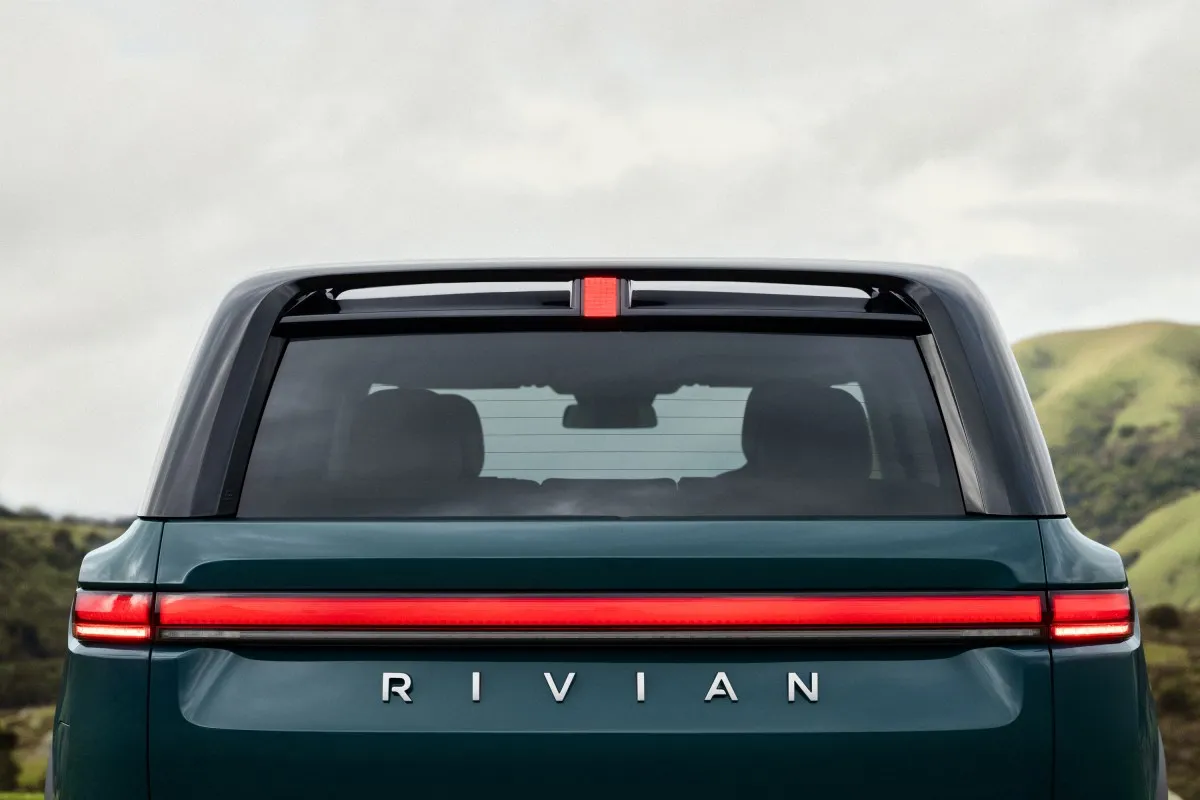
Volkswagen Group has overtaken Amazon to become Rivian’s top shareholder, with its influence set to keep growing. The shift is tied to a $5.8 billion joint venture, under which VW’s stake will continue expanding. The change signals a major reshuffle among Rivian’s key backers and could reshape expectations for the EV maker’s next phase.
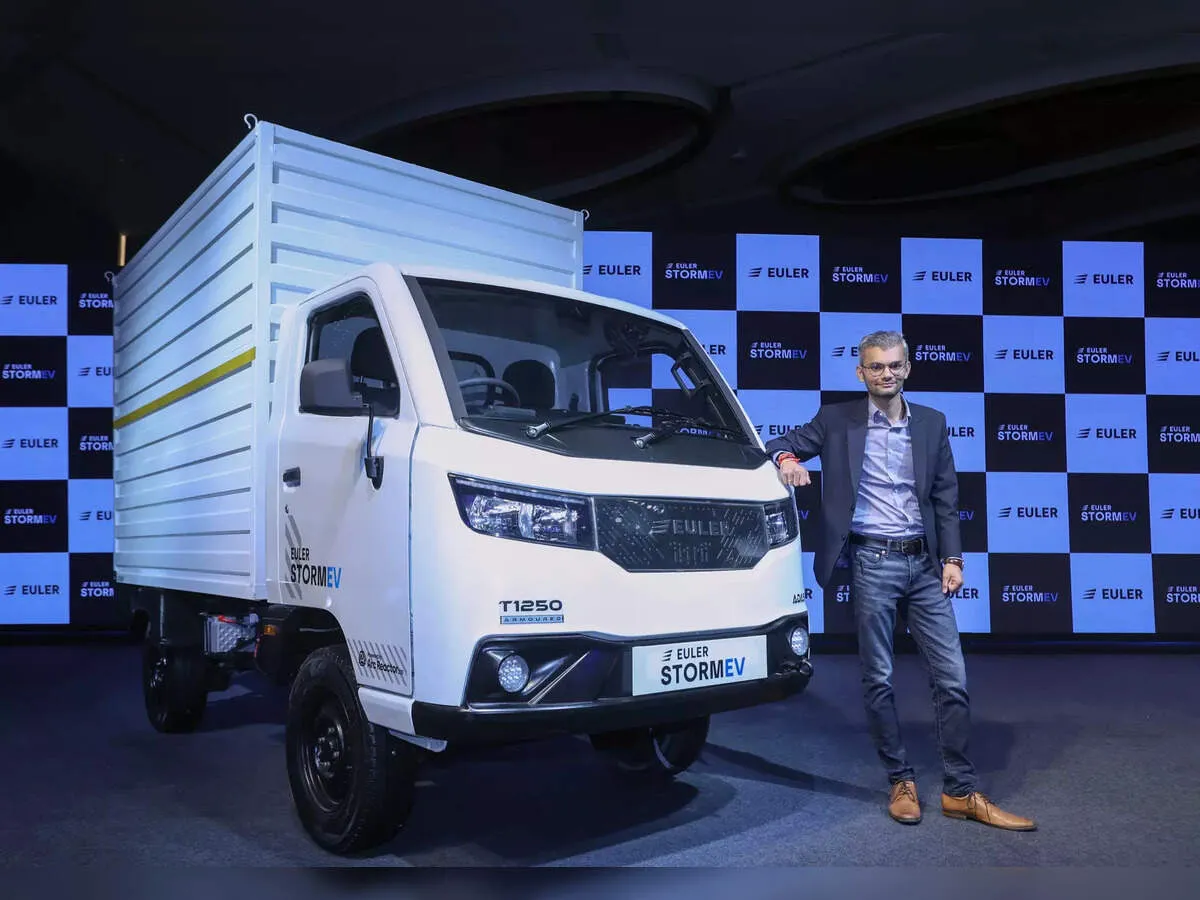
Euler Motors, a commercial EV maker, more than doubled its FY26 revenue to Rs 402 crore as EV adoption accelerates. However, widening cost pressures pushed losses up to Rs 308 crore. The company says its unit economics are now positive and expects to reach break-even in the next two to three years, despite the near-term strain.
Sona Comstar says it is looking for acquisitions to put its cash reserves to work, while an expanding order book—now increasingly EV-led—supports its growth outlook. The company is open to deals of ₹2,000 crore or beyond, focusing on technology and adjacent new product areas, preferring domestic targets but leaving international options on the table.
Follow your favourite sources
Track sources, tags and categories — all in the Beige app.
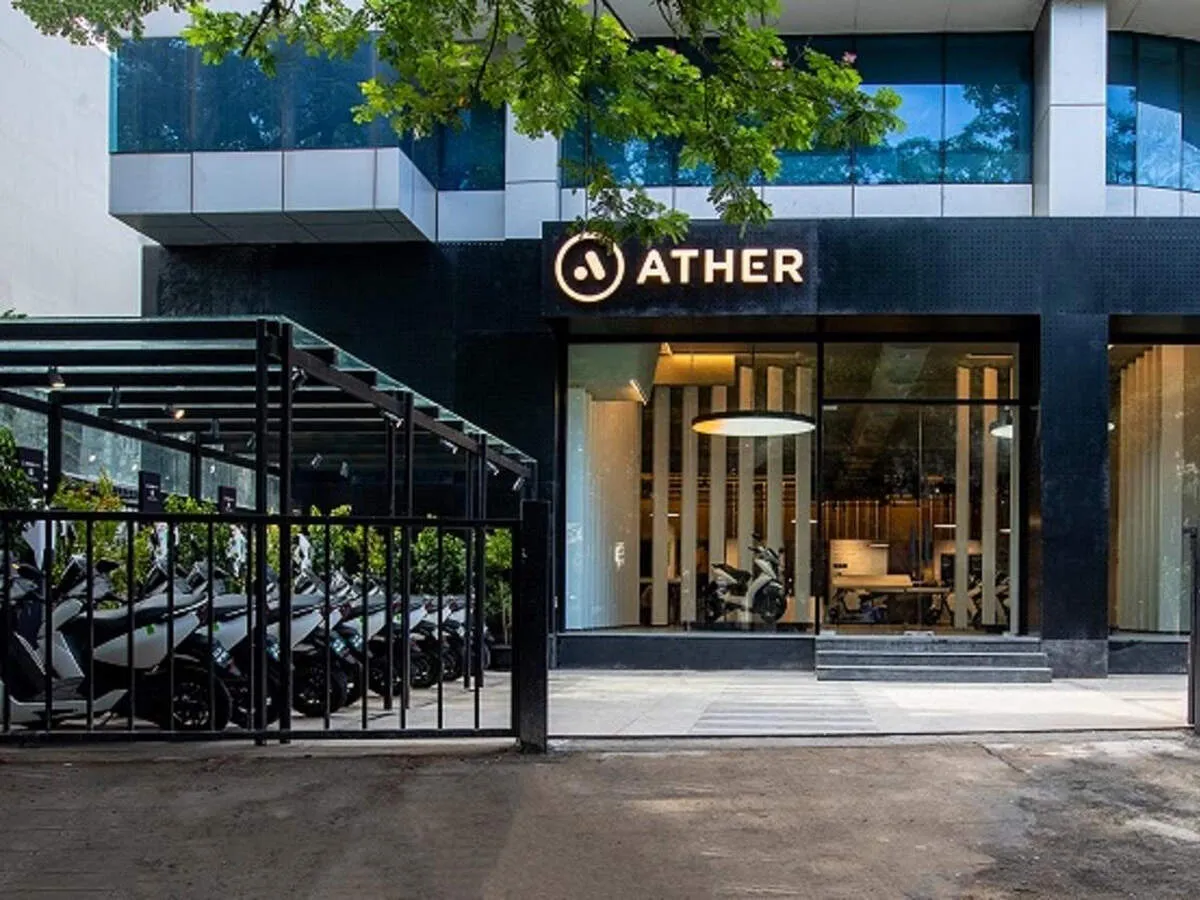
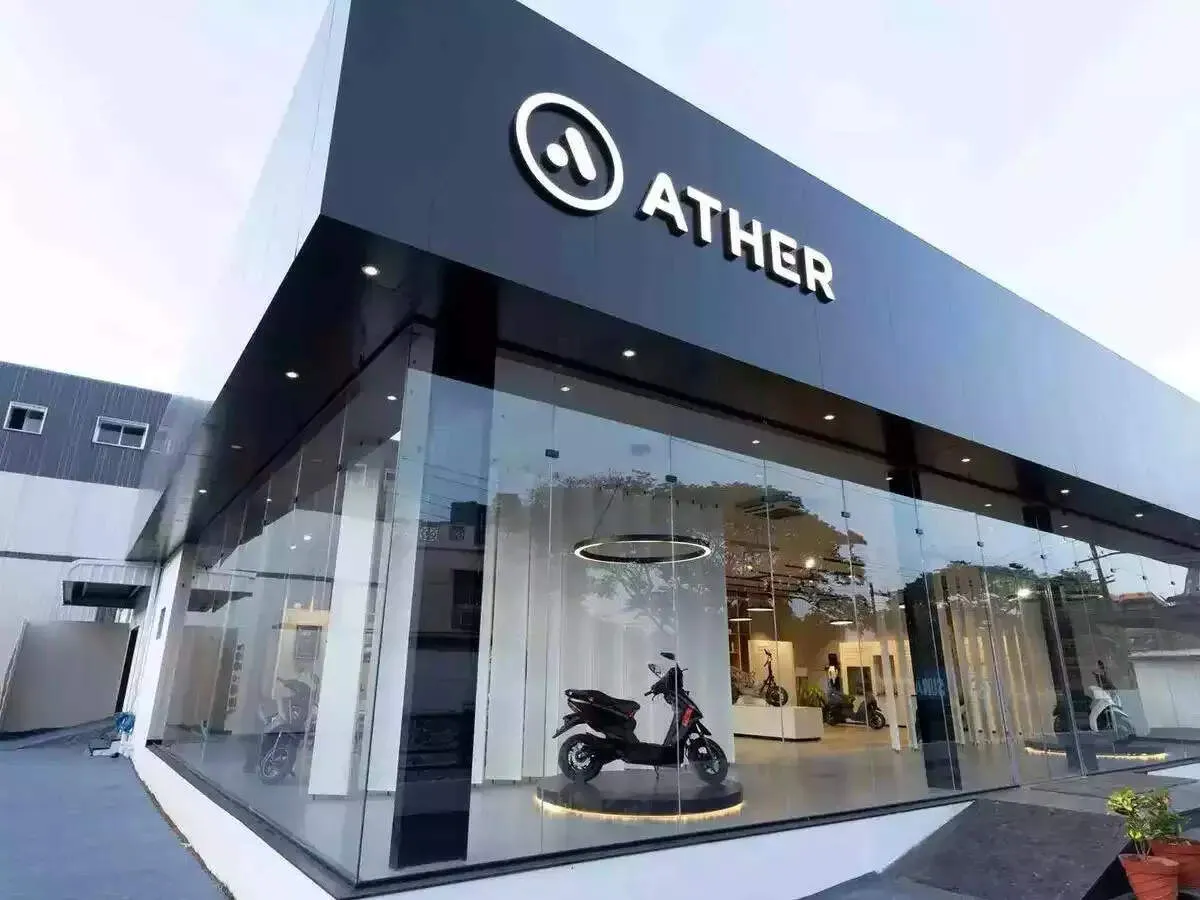
Ather Energy logged its strongest FY26 performance, selling 2.63 lakh electric two-wheelers—up 69%—and lifting revenue 63% to Rs 3,671 crore. The company also exceeded Rs 1,000 crore in quarterly revenue, with growth largely fueled by its family scooter Rizta and an expanding sales and service network, while net losses narrowed as it scales up manufacturing and new platforms.
Ather Energy reported a strong Q4 performance, with revenue from operations rising 74% year-on-year to Rs 1,175 crore from Rs 676 crore a year earlier. The company’s loss narrowed to Rs 100 crore, signalling improved profitability even as growth accelerates. The figures come from its regulatory filing.
The Confederation of Indian Industry has urged the PMO to overhaul India’s EV auto PLI scheme after EV startups complained that current eligibility and selection rules create a cost disadvantage. CII, via six startup CEOs, wants a new application window and relaxed criteria, shifting focus toward R&D intensity, IP generation, and domestic value-add. A parliamentary panel report also cites low fund disbursal and high investment hurdles.
India’s electric car market is shifting upward. Carmakers are pushing more expensive models, and sales in the ₹20–30 lakh bracket are rising sharply. Meanwhile, cheaper EVs under ₹10 lakh are losing ground. Luxury EV demand remains strong, signaling growth at the top even as it may slow down broad, mass adoption.
Stay informed on the go
Bite-sized news from 100+ trusted sources, right in your pocket.
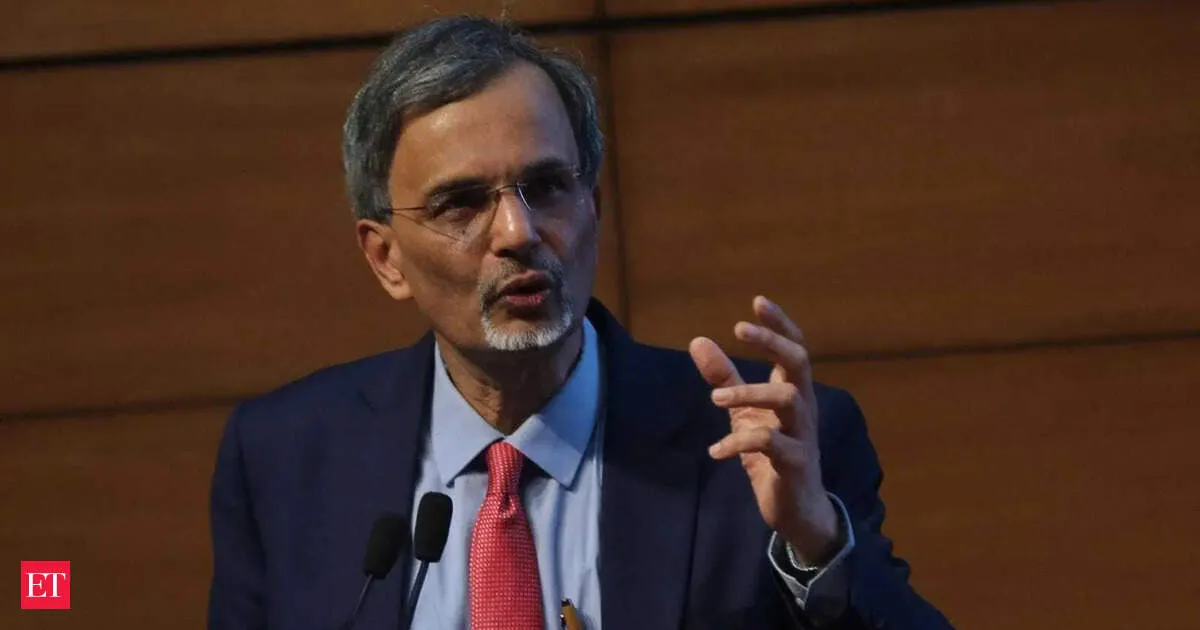
Chief Economic Adviser V Anantha Nageswaran says India’s biggest companies boosted profits after Covid, yet investment spending lagged. He warns firms kept cash rather than putting it into real assets, leaving the public sector to carry growth. With EV momentum rising, he calls for faster private capex to expand domestic opportunities and help narrow trade deficits.
Rising environmental awareness is driving Indian consumers toward electric vehicles, but the real accelerant is state policy. Incentives and supportive measures are lowering the barrier to EV ownership, reshaping purchasing patterns across key markets. Maharashtra, Uttar Pradesh, and Karnataka are seeing sharp sales jumps, and the broader EV sector is positioned for steady expansion ahead.
Swipe through stories, personalise your feed, and save articles for later — all on the app.