New York Sugar Week ended amid near five-year lows, but traders are watching two volatile levers: Brazilian fuel economics and El Niño’s potential hit to India’s cane. With Brazil’s large crops already pressuring raw sugar, mills may shift cane toward gasoline-related ethanol, depending on the “sugar mix.” Estimates range as low as 45% versus last year’s 50.4%. Petrobras has held gasoline prices steady despite broader gains, affecting ethanol demand. Separately, El Niño-driven dryness could influence India output, at a time when exports are already curtailed and restrictions are debated for 2026-27.
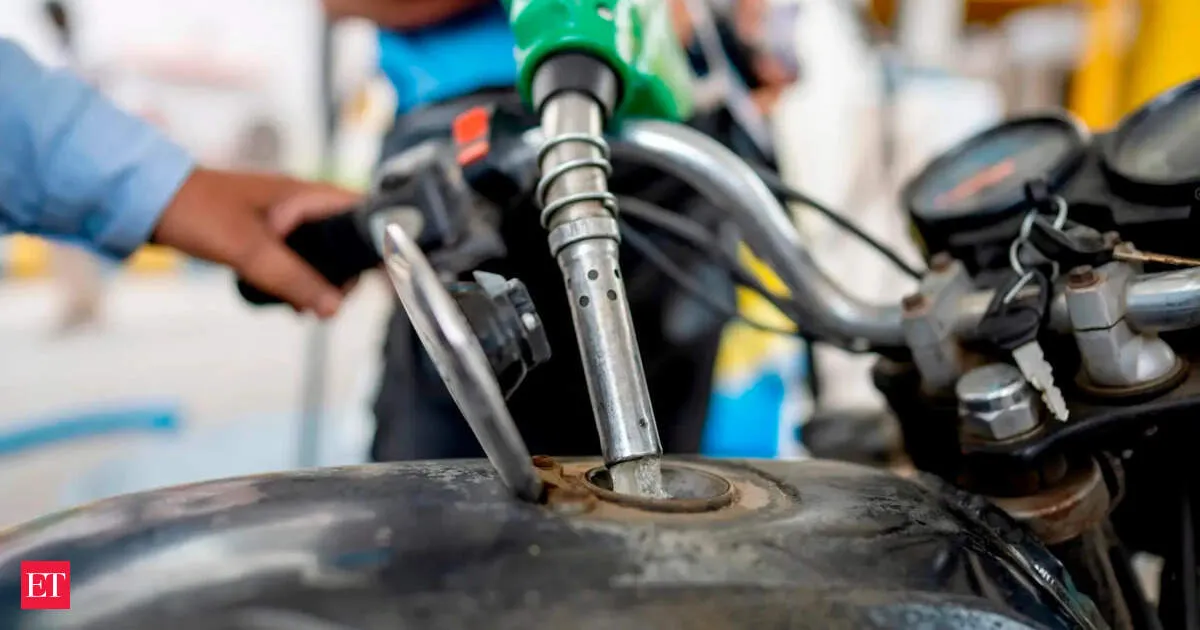
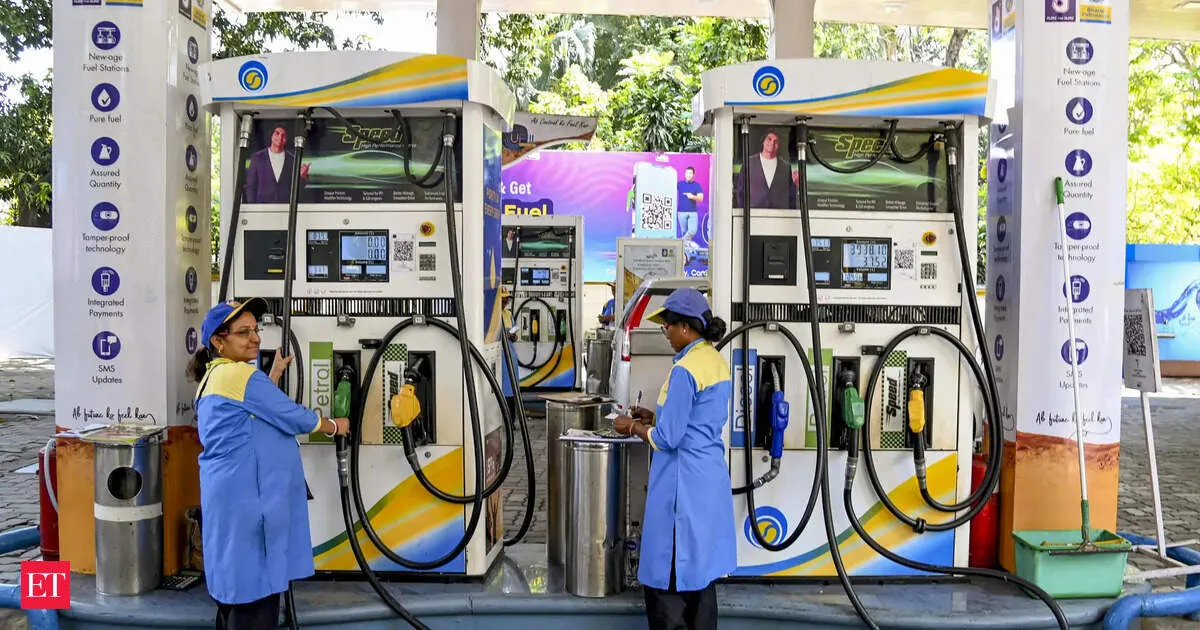
As the Iran war disrupts shipping through the Strait of Hormuz, India and parts of Southeast Asia are accelerating biofuel adoption to curb expensive imported oil and LPG. In New Delhi, consumers report LPG delays and black market prices soaring threefold. In Chennai, drivers complain that ethanol-blended gasoline is worsening car mileage as ethanol becomes the default blend at pumps. India is weighing higher ethanol blends up to 85% or even 100%, while experts warn supply-chain delays and food-versus-fuel environmental impacts.
Your news, in seconds
Get the Beige app — every story in 60 words, updated hourly. Free on iOS & Android.
Indian sugar producer shares fell up to 7% on Thursday after the government prohibited sweetener exports, adding immediate pressure to an already strained market. Analysts linked the move to surging domestic sugar prices alongside weaker sugarcane expectations in Maharashtra and Karnataka, with El Nino seen as a risk for further shrinkage. While the ban is expected to weigh on near-term earnings, investors point to capacity expansions aimed at the government’s 20% ethanol blending targets as a medium-term support.
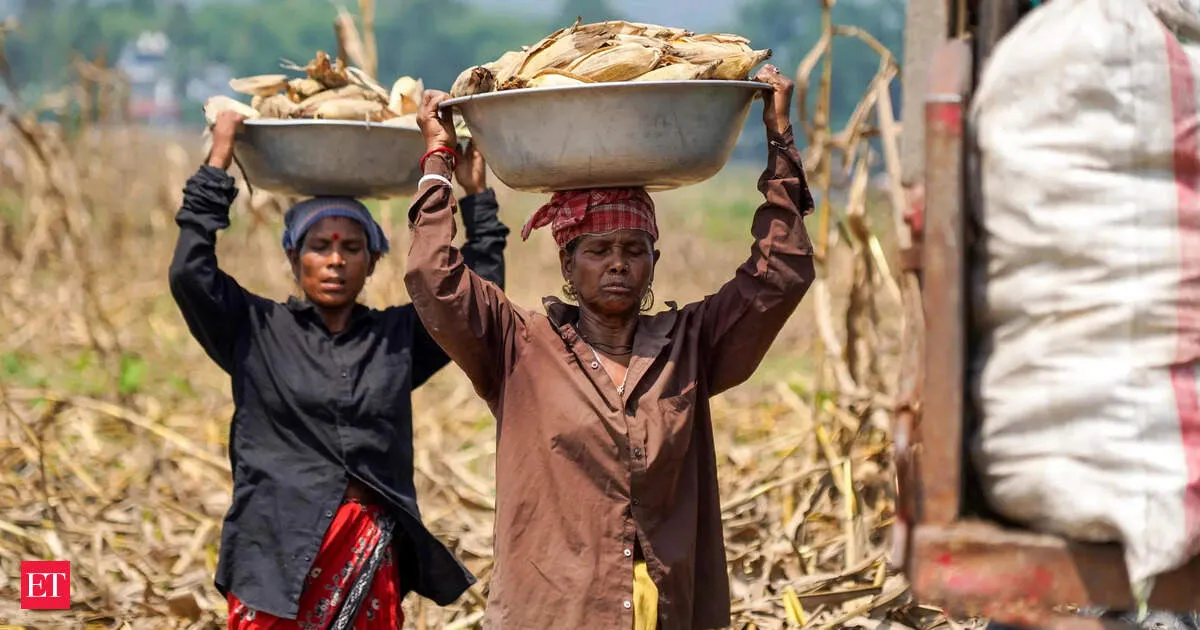
India’s cumulative ethanol supplies have crossed about 515 crore litres in the first half of ESY 2025-26, according to the latest data. Maize has emerged as the biggest feedstock, signaling a shift in how biofuel volumes are being supported as the program scales up and demand grows.
Facing heightened concerns over oil imports amid the US Israel conflict, India is weighing a stronger push toward higher ethanol blends to reduce foreign dependency. But the move isn’t cost free: scaling ethanol can raise ecological questions and stress food-linked resources. Policymakers must balance energy security with sustainability and affordability before expanding blends further.
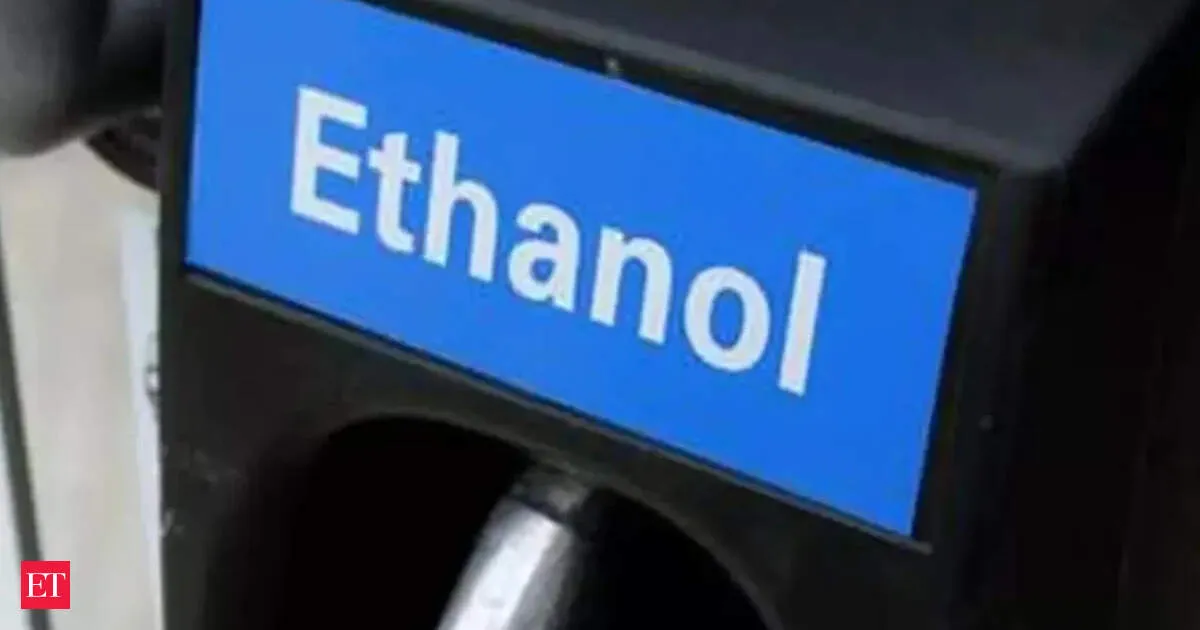
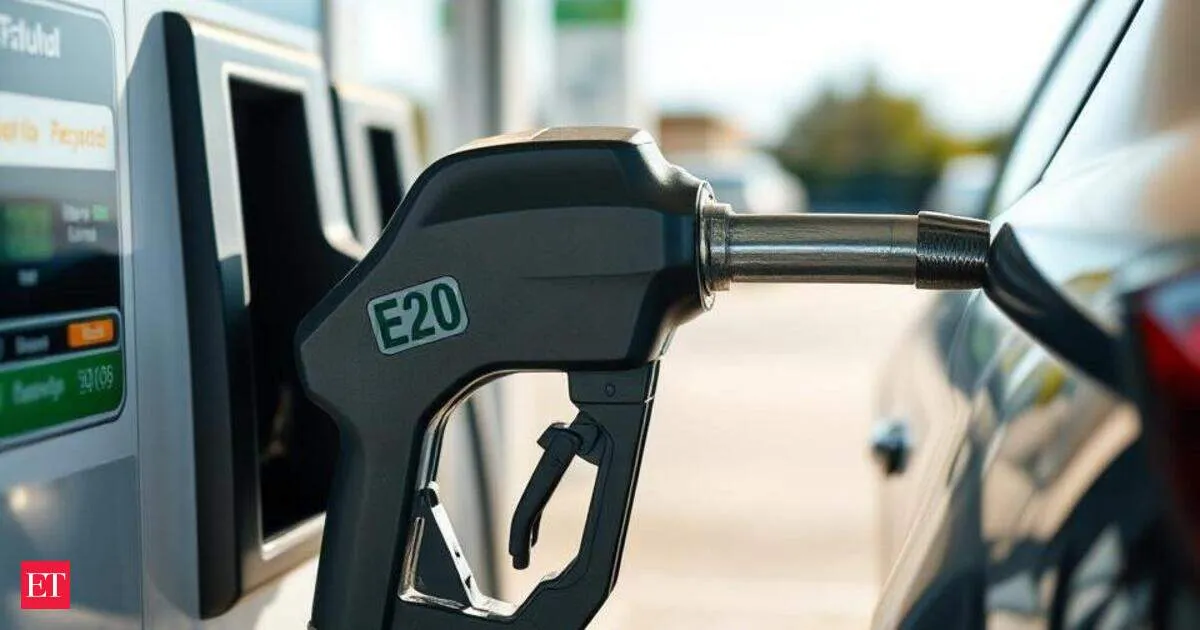
India’s Ministry of Road Transport and Highways has issued draft rules to add E85 and E100 ethanol blends into the Central Motor Vehicles Rules. The plan follows the nationwide push to E20 and is designed to cut heavy oil imports by increasing ethanol’s share. If adopted, it would mark a major step toward flex-fuel compatibility and a reshaped fuel ecosystem.
Never miss a story
Set alerts for the topics and sources you care about. Download Beige for free.
India is in discussions with Nepal and other SAARC nations to explore ethanol exports, aiming to boost the rural economy and support farmers. The move also ties into higher ethanol blending targets that could translate into large foreign exchange savings. Meanwhile, the government is working with auto makers to introduce flex-fuel vehicles, with adoption hinging on consumer awareness and competitive pricing.
India’s road transport ministry is proposing an update to vehicle emission rules, under Rule 115 of the Central Motor Vehicles Rules, 1989. Higher ethanol blends such as E85 and E100, along with B100 biodiesel, would be included in emission testing and certification. The change seeks to formally recognise these advanced fuels in the country’s compliance framework.
India is rapidly reducing reliance on petrol and diesel, pointing to a post-fossil-fuel transport future. Economic pressures, climate goals, and energy security concerns are driving adoption of ethanol, hydrogen, and electricity. New policy moves, including formal recognition of higher-ethanol fuels, could change what consumers see at pumps and how the auto industry prepares for the shift.
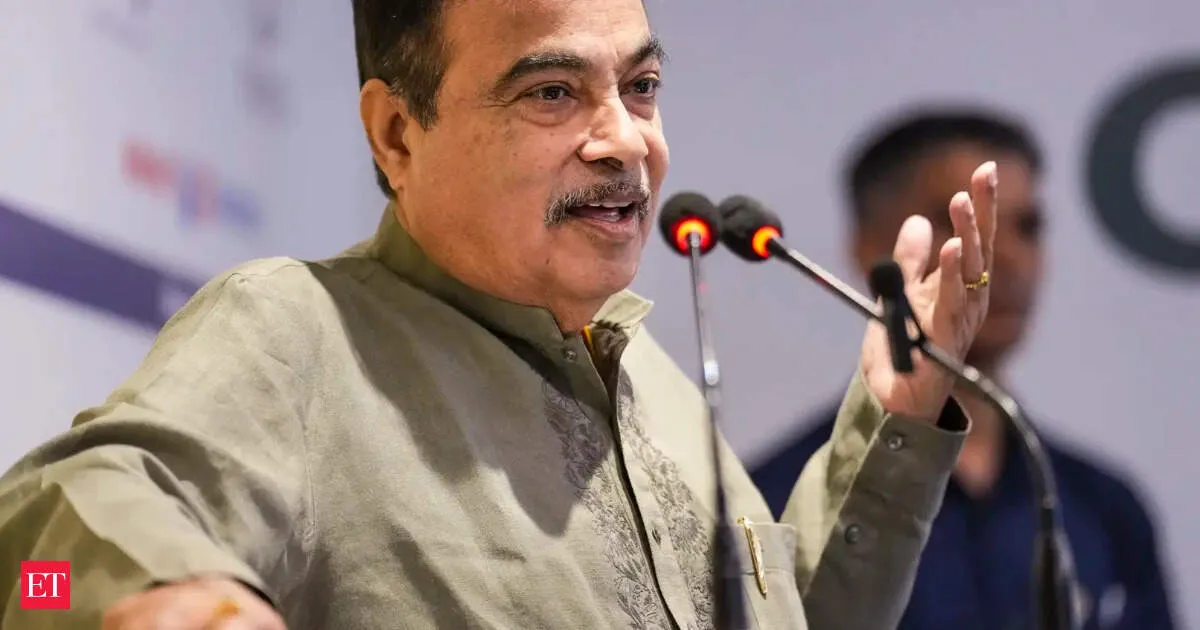
Union Minister Nitin Gadkari says petrol and diesel vehicles have “no future” as India accelerates its shift away from these fuels. He urged manufacturers to move toward cleaner options, flagging hydrogen and ethanol as the way forward. India is already producing ethanol from multiple sources, while pilot projects for hydrogen trucks and buses are in progress.
Reading on mobile?
Open Beige in the app for a smoother experience — free on iOS and Android.
India has proposed amendments to motor vehicle rules to formally allow higher ethanol blends like E85 and E100. The proposal comes after the country met its E20 target and is designed to accelerate the shift away from petroleum imports. If adopted, the changes could reshape fuel standards and how vehicles are cleared for alternative ethanol-heavy supply.
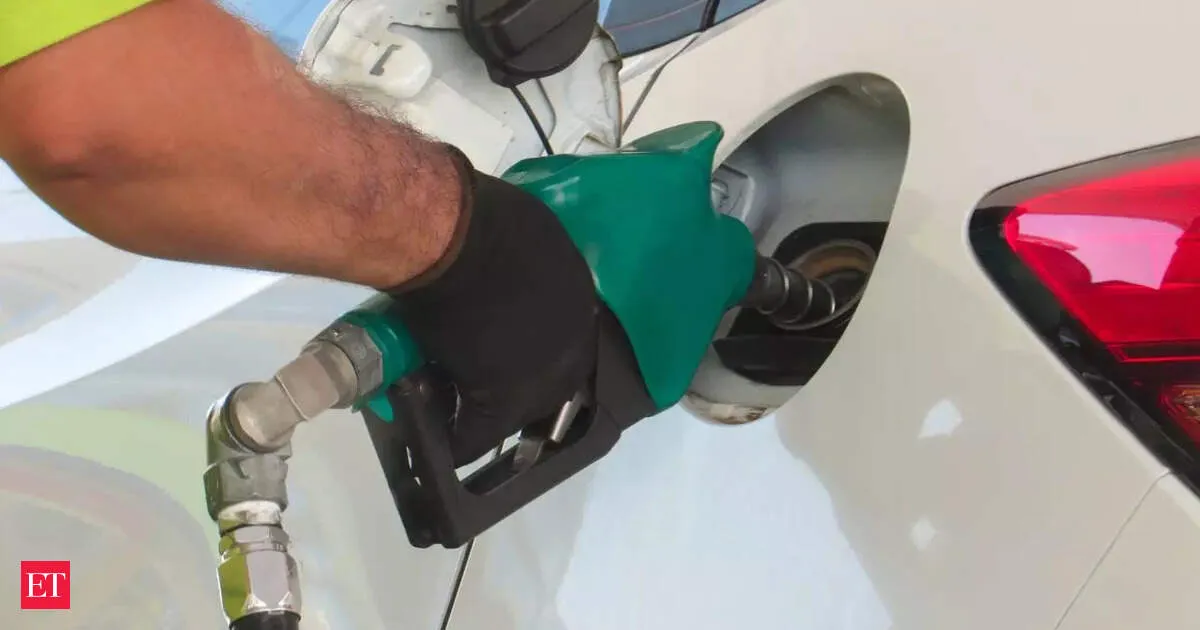
India’s ethanol blending push is moving beyond E20, but automakers warn older vehicles may lose mileage as ethanol content rises. Cars built for E10 fuel could see a 1–2% mileage drop under E20, affecting millions manufactured from 2012 to March 2023. Automakers want tax incentives to cushion costs as the government signals further intensification.
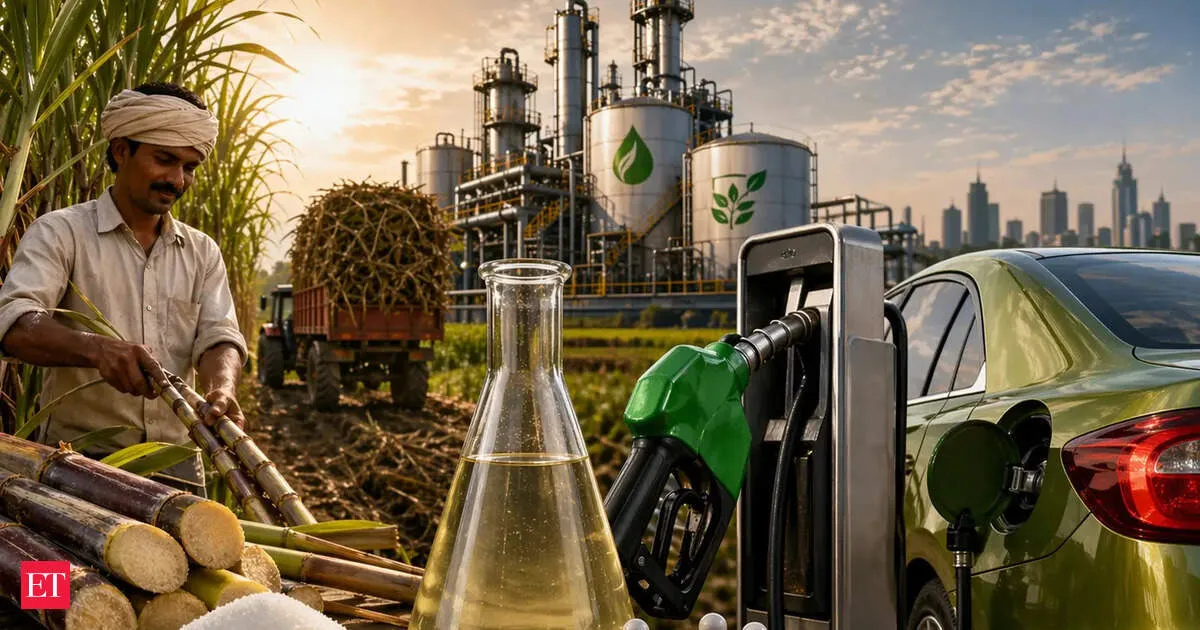
India is rapidly scaling ethanol, a sugar-based fuel, to reduce dependence on imported crude and raise incomes for farmers. Policy shifts are enabling higher ethanol blends for vehicles and even aviation, with plans moving toward E20 and exploring E100. The effort brings agriculture, energy, and transport sectors together for a coordinated energy transition.
India is set to fast-track flex-fuel vehicles that can run on higher ethanol blends, aiming to curb dependence on imported oil. The push comes as crude markets stay jittery due to geopolitical shocks, including conflicts affecting Middle East energy supplies. If adoption accelerates, ethanol could become a buffer against oil price spikes and import volatility.
Follow your favourite sources
Track sources, tags and categories — all in the Beige app.
TVS Motor’s CMD Sudarshan Venu says the company is readying ethanol powered models, with rollouts planned in phases. He points to India’s E20 blending milestone as proof of benefits like foreign exchange savings and rural support, but warns that E25 and later require ecosystem alignment. Ethanol, he argues, can complement EVs in a multi-technology transition.
The Centre has proposed a new Sugarcane (Control) Order 2026, replacing the 1966 framework, and is seeking public comments by May 20. While it retains core obligations like FRR and payment deadlines, the draft adds ethanol-focused conversion formulae, digital compliance requirements, and a formal approval process for new factories.
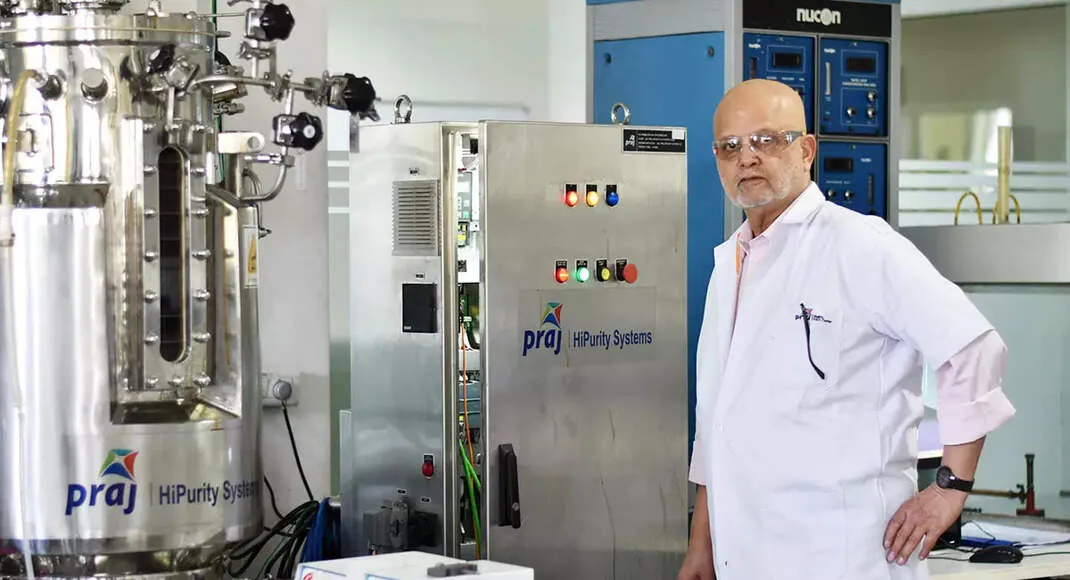
The “ethanol man of India” argues the country’s energy future won’t be driven by EVs, but by flex-fuel vehicles. Praj Industries, long seen as the go-to ethanol player, spent nearly three decades fighting to gain ground. Its turnaround is being pitched as a roadmap for other companies trying to scale in India’s flex-fuel ecosystem.
A new Kerala study is investigating whether ethanol-blended fuels are attracting an invasive beetle that could bore into vehicle fuel pipes, potentially triggering fire incidents. The insect is nicknamed “boozy” for its suspected link to ethanol. Ethanol producers in India have dismissed any claims of global scientific evidence, even as the research continues amid a broader climate context.
Stay informed on the go
Bite-sized news from 100+ trusted sources, right in your pocket.
India has approved ethanol and synthetic hydrocarbons to be blended into aviation fuel to lower emissions and reduce dependence on imported oil. The government did not set near-term blending targets, but it plans to add 1 percent sustainable aviation fuel to international flights by 2027. The step mirrors global aviation efforts toward carbon-neutral growth.
Swipe through stories, personalise your feed, and save articles for later — all on the app.