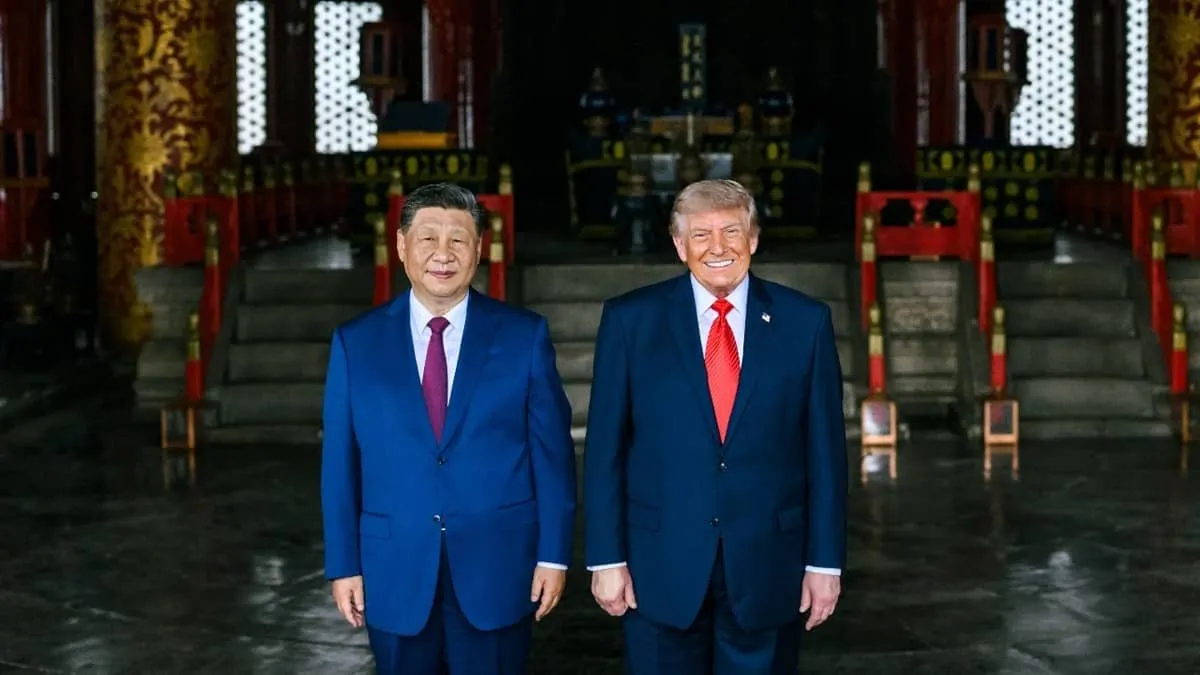
After two days of high-level talks in Beijing, U.S. officials returning on Air Force One were ordered to surrender items brought from China, including staff burner phones, credential badges, and lapel pins. White House staffers and reporters reportedly had to throw the seized objects in a bin at the bottom of the plane’s stairs before boarding. The move suggests strict counterintelligence measures, with analysts pointing to the risk of bugged gifts and the targeting potential of newly issued burner devices.
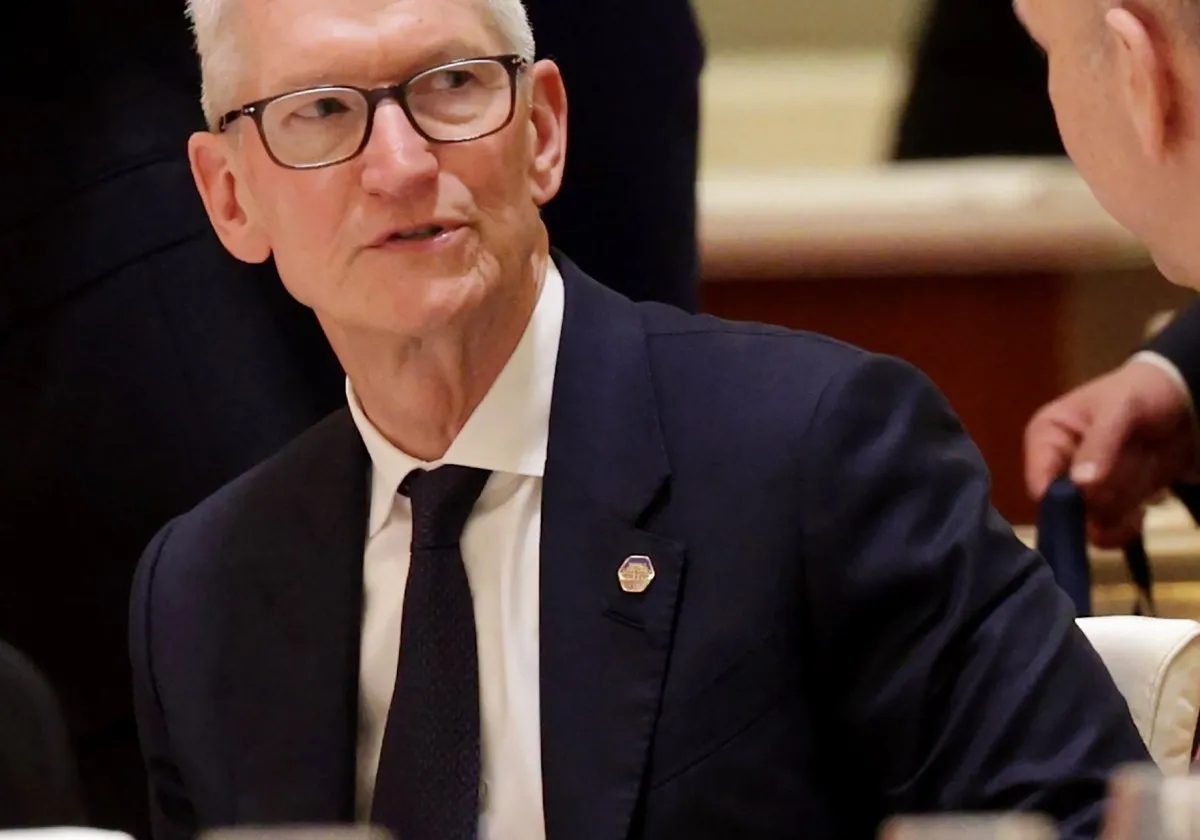
Multiple media reports say Trump’s Beijing press team brought nothing from China aboard Air Force One, discarding Chinese-provided press badges, burner phones, and delegation pin badges before boarding. Experts link the move to concerns about China’s cyber-espionage capabilities and the risk of hidden “bugs” that could compromise sensitive information. The disposal contrasts with the trip’s celebratory optics, including Xi meetings, trade talks on Boeing and soybeans, and a last-minute AI discussion with Nvidia CEO Jensen Huang.
Your news, in seconds
Get the Beige app — every story in 60 words, updated hourly. Free on iOS & Android.
Likely Russian government hackers attempted to compromise a security researcher known for investigating spyware attacks, including efforts to hijack Signal accounts. Instead of being taken by surprise, the researcher reversed the intrusion and uncovered new details about the hackers’ espionage campaign. The case highlights how sophisticated targeting can extend beyond victims to the investigators studying them.
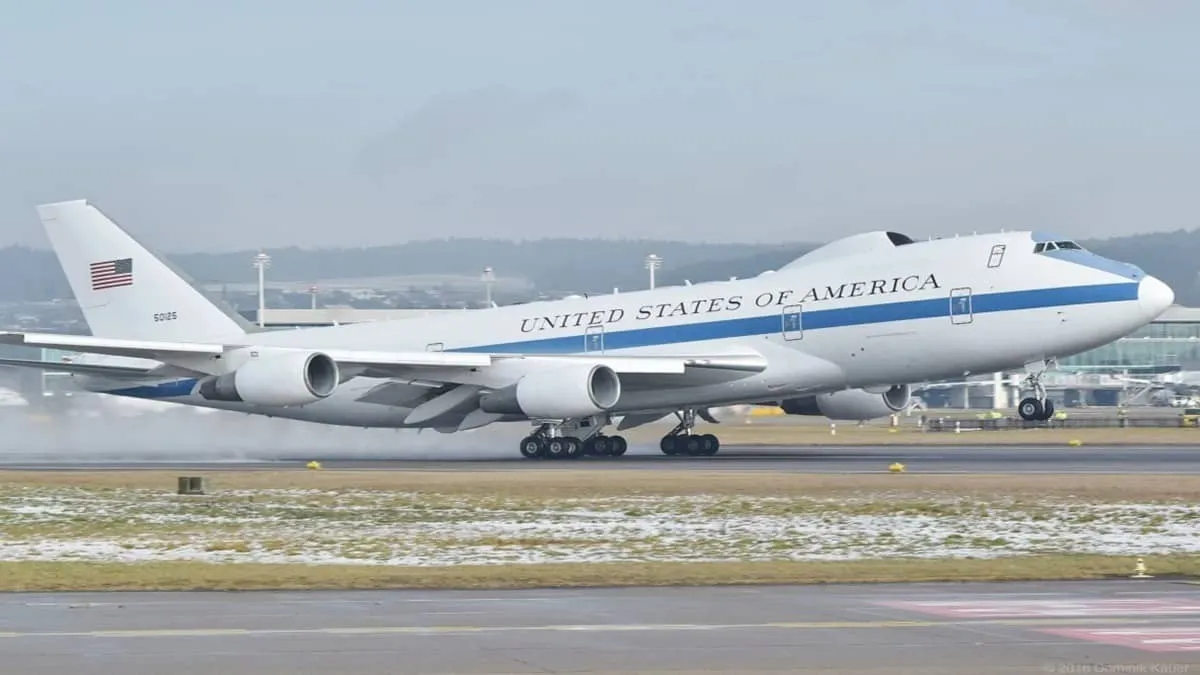
A 21-year-old Chinese aeronautical engineering student, Tianrui Liang, was arrested at JFK after federal agents alleged he photographed sensitive US military aircraft, including E-4B and RC-135 planes, from outside Offutt Air Force Base in Nebraska. Prosecutors have not yet filed espionage charges, but authorities claimed he posed a flight risk, prompting detention.
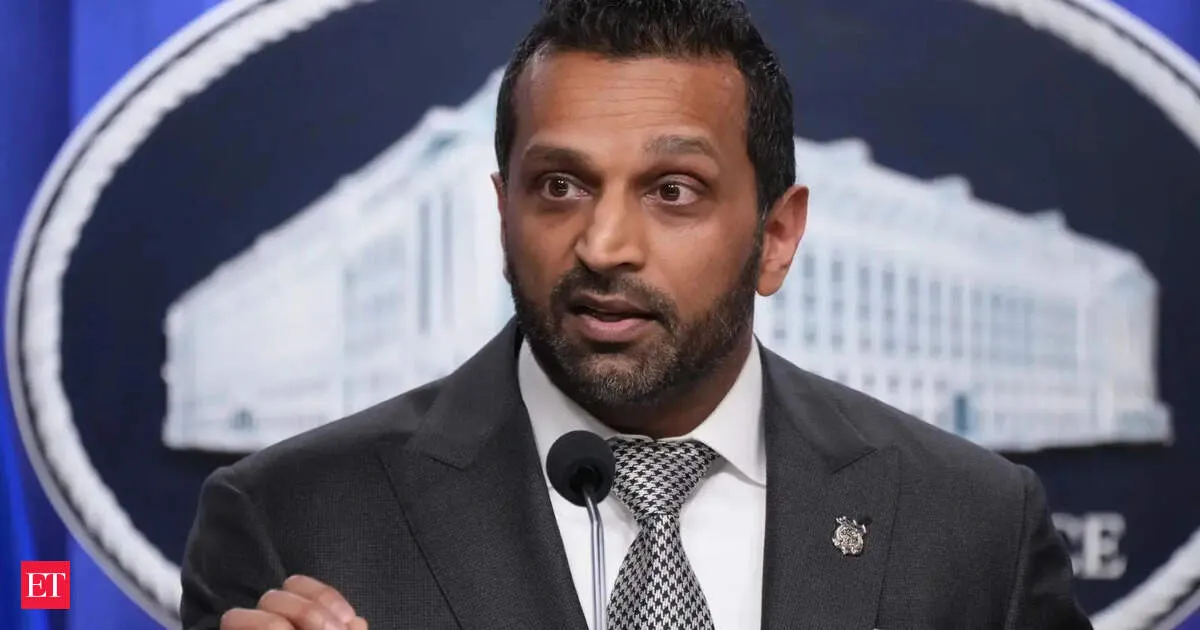
The FBI has extradited alleged Chinese hacker Xu Zewei from Italy to the United States, describing it as a rare, high-stakes operation. FBI Director Kash Patel says his own trip to Italy was crucial and that prosecutors will seek action over alleged cyberattacks targeting US COVID-19 research. Patel also claims Xu has direct ties to China’s Ministry of State Security.
Xu Zewei has been extradited to the United States, where he faces accusations tied to a Chinese government-linked hacking group. Prosecutors allege the group breached thousands of U.S. organizations and stole COVID-19-related research, elevating scrutiny over cyber espionage and cross-border digital crime enforcement. The case underscores how pandemic-related intellectual property remains a high-stakes target.
Never miss a story
Set alerts for the topics and sources you care about. Download Beige for free.
Swipe through stories, personalise your feed, and save articles for later — all on the app.