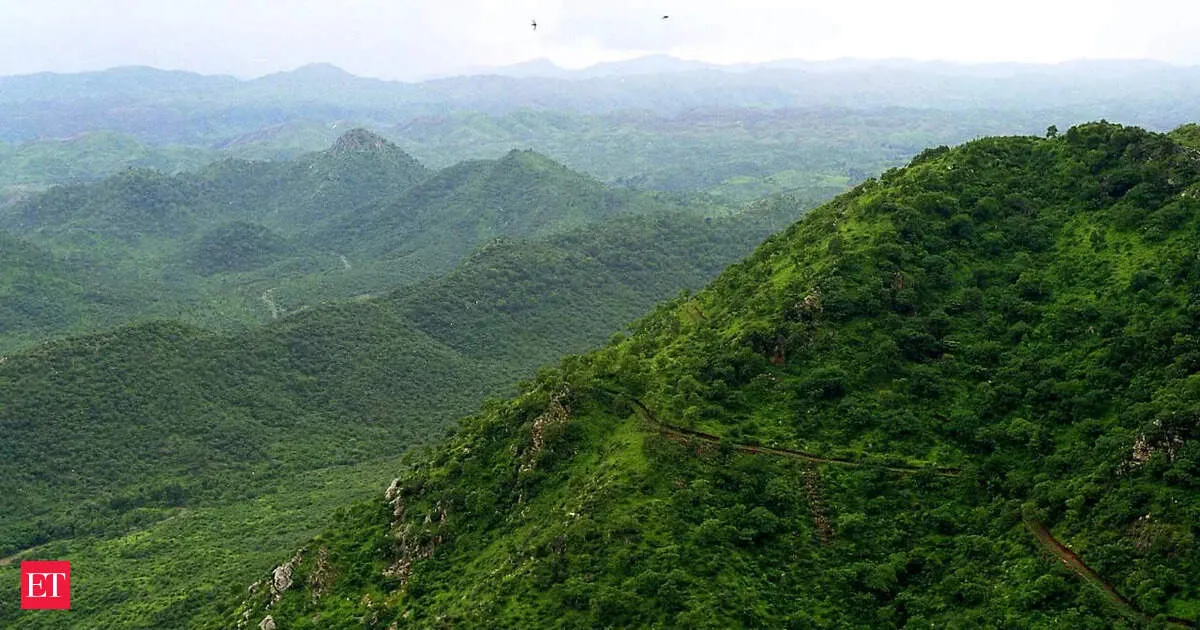
The Supreme Court has halted further orders affecting mining leases in the Aravalli hills, saying it has received “quite disturbing” feedback about mining activity and specific ecological issues. In a suo motu case on defining the Aravalli hills and ranges, the bench led by CJI Surya Kant and Justice Joymalya Bagchi said it will not hear the matter piecemeal or permit activity unless fully satisfied. Earlier, it banned fresh leases pending expert reports and scrutinised ambiguities in the new definition.
The Railway Board has pulled up Indian Railways zones for lagging behind on environmental initiatives, urging faster execution and timely completion. The push is tied to the 2030 goal of becoming a net zero carbon emitter. Despite a significant fund allocation last year, overall progress has been slow, prompting the Board to demand speed and accountability.
Your news, in seconds
Get the Beige app — every story in 60 words, updated hourly. Free on iOS & Android.
A viral video of Kempty Falls near Mussoorie has sparked outrage, showing the popular Uttarakhand spot surrounded by dense construction, shops and dhabas. Users blame unchecked commercialisation, overcrowding and inadequate infrastructure, reigniting debate over overtourism and environmental damage in India’s hill stations. The clip has pushed calls for stricter controls to protect fragile landscapes.
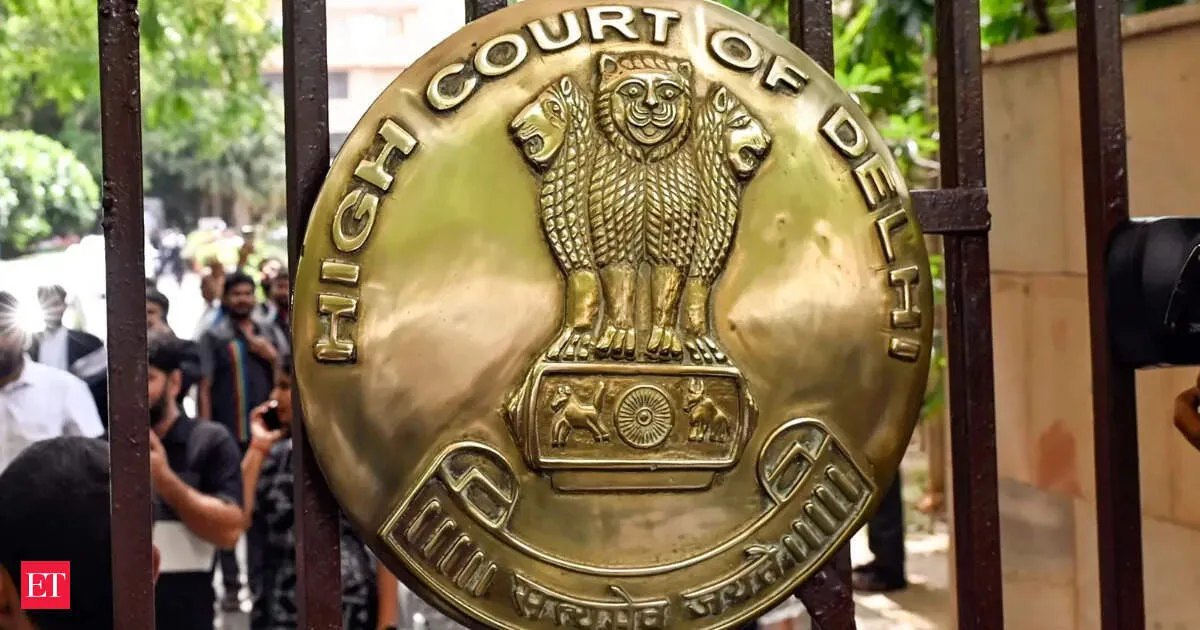
The Delhi High Court has directed the Delhi Development Authority to halt all activities on the Yamuna flood plains at Sur Ghat, including parking and commercial use. Citing the area’s ecological sensitivity and its Zone-O classification, the court restricted religious and commercial activities and asked for alternative parking arrangements outside the flood plains for devotees.
Record wildfires are spreading across Africa and Asia, with scientists warning that conditions could worsen as summer peaks and El Nino strengthens. The combination of climate change and El Nino may trigger unprecedented weather extremes. In Africa alone, land burned is already up 23% compared with the previous record, raising alarms over heat, drought, and fire risk.
A joint delegation from the World Bank and the Asian Development Bank visited Amaravati to review progress on major infrastructure and development works. Beyond tracking delivery timelines, the teams checked compliance with environmental regulations and looked at how labor rights are being upheld on the ground, signaling a more stringent approach to project execution.
Never miss a story
Set alerts for the topics and sources you care about. Download Beige for free.
The Nascent Information Technology Employees Senate (NITES) has urged India’s Labour Ministry to issue an advisory making work from home mandatory for the IT sector. The union points to Prime Minister Modi’s call for fuel conservation and argues that IT firms maintained strong productivity remotely during the pandemic. NITES says WFH would reduce fuel consumption and environmental impact.
Senior Congress leader Jairam Ramesh has written to Union Environment Minister Bhupinder Yadav, intensifying his attack on the Great Nicobar Island Development Project. Ramesh claims environmental clearances relied on “grossly inadequate” studies and says crucial reports were withheld from public scrutiny, questioning the credibility of the EIA process amid the project’s momentum.
Residents near Santiago, Chile, opposed Amazon’s planned data center over fears it could damage a cherished hill and involve new power line construction. Despite the community challenge, authorities have approved the project, while Amazon says the facility will be resource-efficient. The decision underscores Chile’s growing pull for data center investment as demand accelerates.
Goa has notified over 82 lakh square metres as a no-development zone to curb unchecked construction on fragile hill slopes, according to officials from the Town and Country Planning department. The Centre has also cleared plans to designate 6,729 hectares along the Mandovi-Zuari stretch as eco-sensitive. Paddy fields are reportedly next in line for NDZ protection.
Reading on mobile?
Open Beige in the app for a smoother experience — free on iOS and Android.
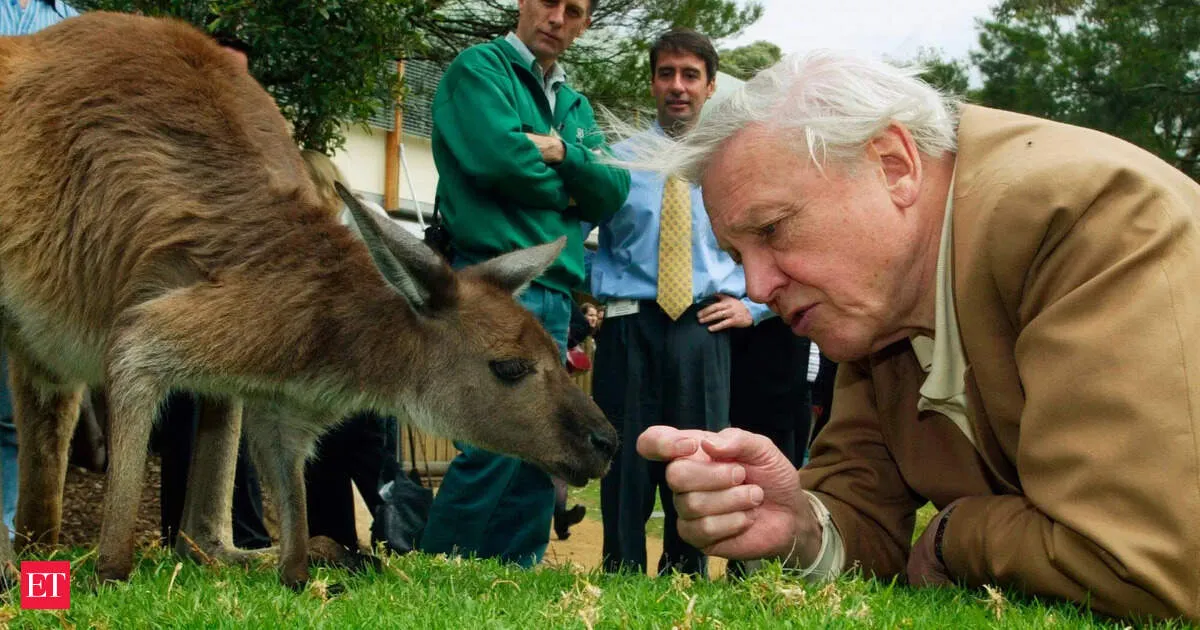
Sir David Attenborough marked his 100th birthday with a legacy that rewired how the world sees nature. From early classics like Zoo Quest to blockbuster landmarks like Planet Earth, his documentaries reached millions and helped fuel environmental awareness. Even at a century old, he continues to urge people to protect wildlife and cherish the natural world.
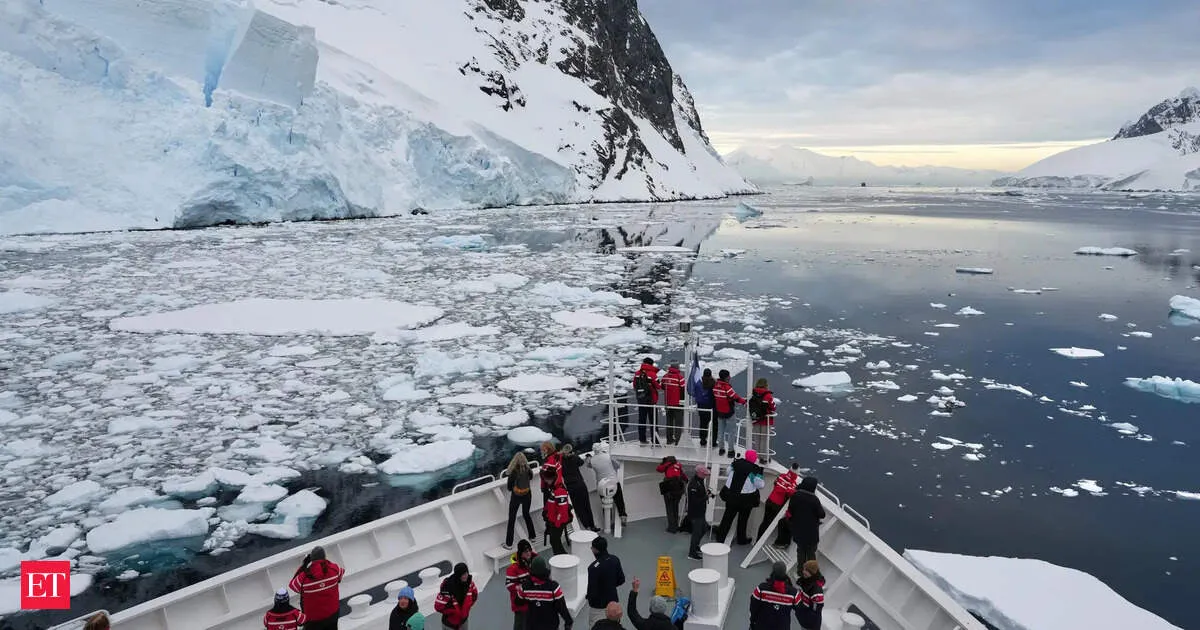
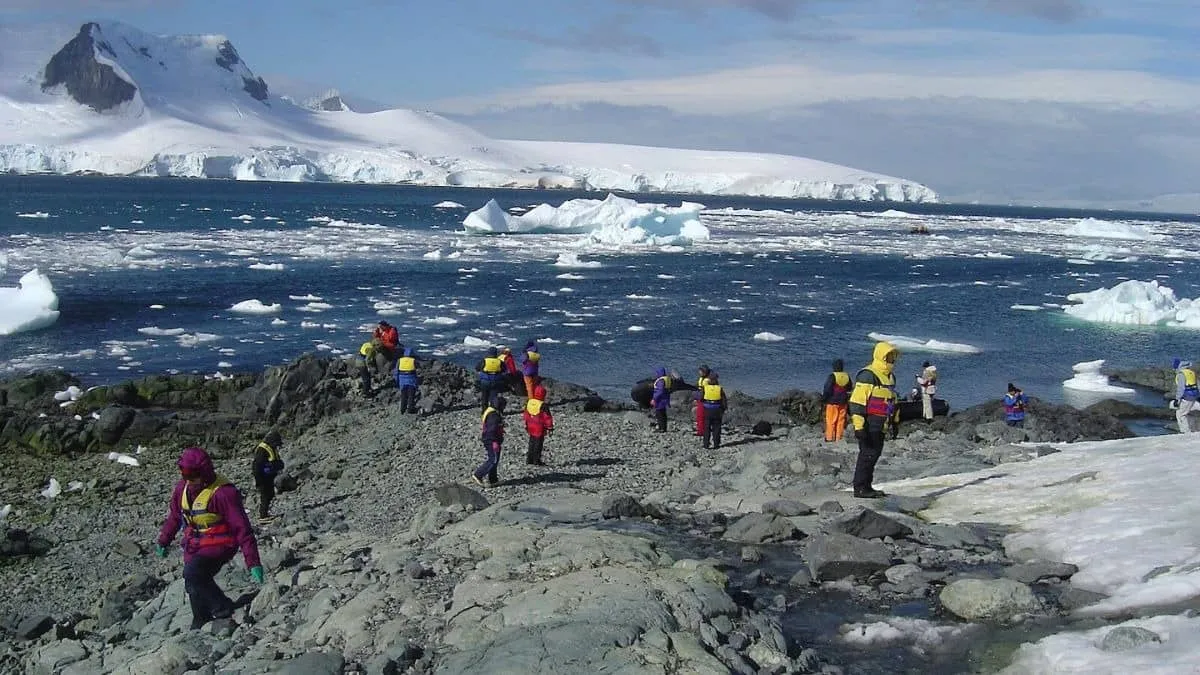
Antarctica’s tourism is surging, pulling in more than 80,000 visitors, but experts warn the boom could bring contamination and disease risks. A recent hantavirus outbreak underscores the threat, while scientists predict visits could triple. Strict curbs are in place to protect the fragile ecosystem from invasive species and illness, even as the continent’s allure continues to draw crowds.
Delhi is set to expand its air quality monitoring network with 13 new stations this year. The Delhi Pollution Control Committee will develop 10, targeting October for operations, while the Indian Institute of Tropical Meteorology will manage three more. The move is designed to improve pollution data collection across the city for better tracking and response.
India is moving away from high climate impact refrigerants as HFOs begin replacing older HFCs in the US and Europe. Under the Montreal Protocol, India is expected to shift toward lower global warming gases, and Bharat Ram says the country won’t need to rely on foreign suppliers for the next generation refrigerant gas.
Follow your favourite sources
Track sources, tags and categories — all in the Beige app.
Antarctica’s tourism surge, fueled by both curiosity and fears that climate change may permanently alter the continent, is driving fresh concerns. Experts warn that more visitors can increase contamination, illness, and environmental strain. In response, tour operators and regulators are tightening conduct and hygiene rules to reduce the chances of spreading contaminants among tourists and the fragile ecosystem.
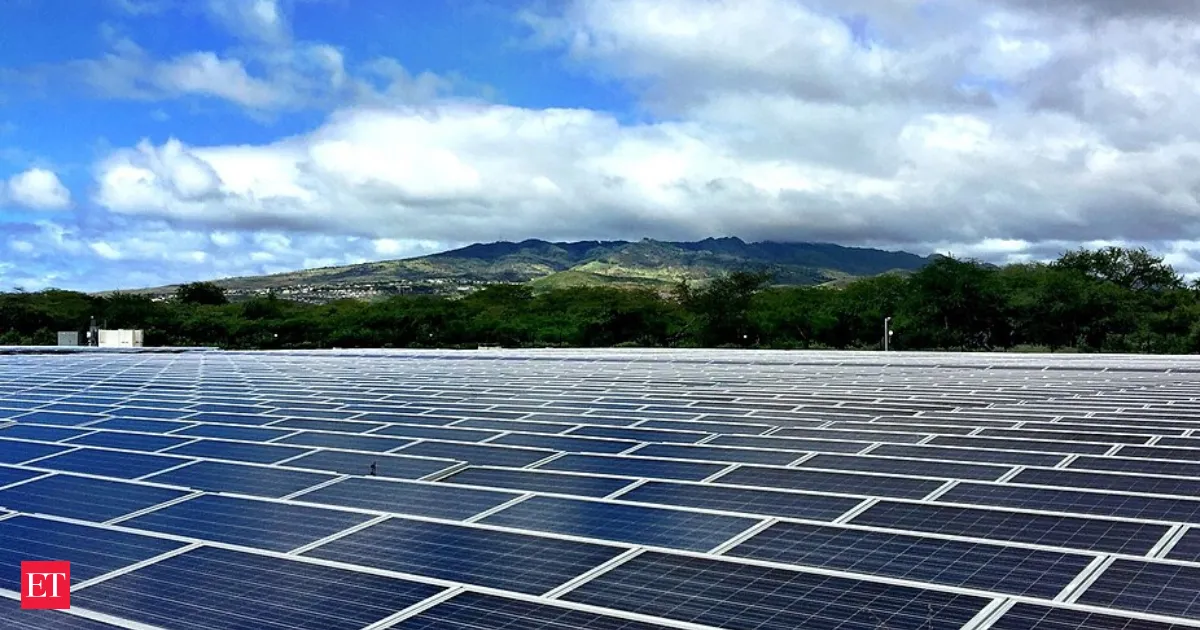
Scientists say solar farms may be harming migrating birds and bats by using reflective surfaces that mimic lakes. This creates a phenomenon called polarized light pollution, which can disorient wildlife, draw them toward risky areas, and increase collisions. The research urges smarter solar designs and better site planning so clean energy expansion doesn’t come at the cost of biodiversity.
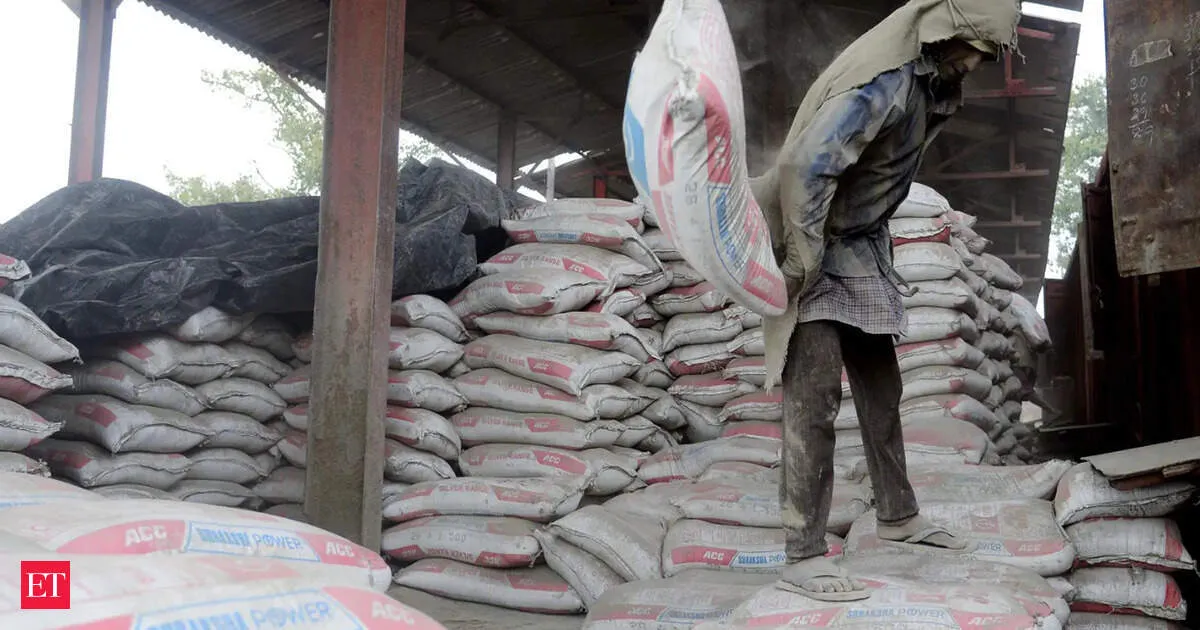
A high court-appointed panel has flagged two cement companies in Meghalaya for allegedly transporting over 2.93 lakh metric tonnes of coal without mandatory approvals. The committee says the coal movement lacked essential documents and weekly returns, suggesting a serious breach of state norms. It recommends tougher enforcement and improved tracking to prevent illegal coal movement across Meghalaya.
India’s auto industry is bracing for a bruising FY26, with forecasts projecting a Rs 25,000 crore profit hit. The pressure comes from stricter end-of-life vehicle environmental rules, reportedly applied retroactively to earlier vehicle sales. Automakers and suppliers now expect higher compliance costs and margin erosion, reshaping fiscal planning across the sector.
Stay informed on the go
Bite-sized news from 100+ trusted sources, right in your pocket.
Retired military officials have defended the Great Nicobar Project, dismissing Rahul Gandhi’s allegations of land grabbing and corruption. They argue the plan is vital for India’s maritime security and economic growth, promising stronger surveillance and less dependence on foreign ports. The officials also claim environmental and tribal concerns are being handled through sustainability measures and government policy.
Goa’s Forest Department has mapped 6.72 crore square metres along the Mandovi and Zuari rivers as ecologically sensitive. It has now sent the demarcation maps to the Town and Country Planning (TCP) Department, urging regulatory measures to curb unregulated development and protect the river ecosystems. The move targets stretches deemed environmentally critical.
Swipe through stories, personalise your feed, and save articles for later — all on the app.