Ford surged as much as 15% after Morgan Stanley flagged upside for its energy storage business. The bank expects Ford could secure supply deals with large commercial buyers and hyperscalers, with its CATL partnership seen as a decisive edge. Analysts say the energy segment’s value is rising, changing how investors view Ford’s growth prospects.
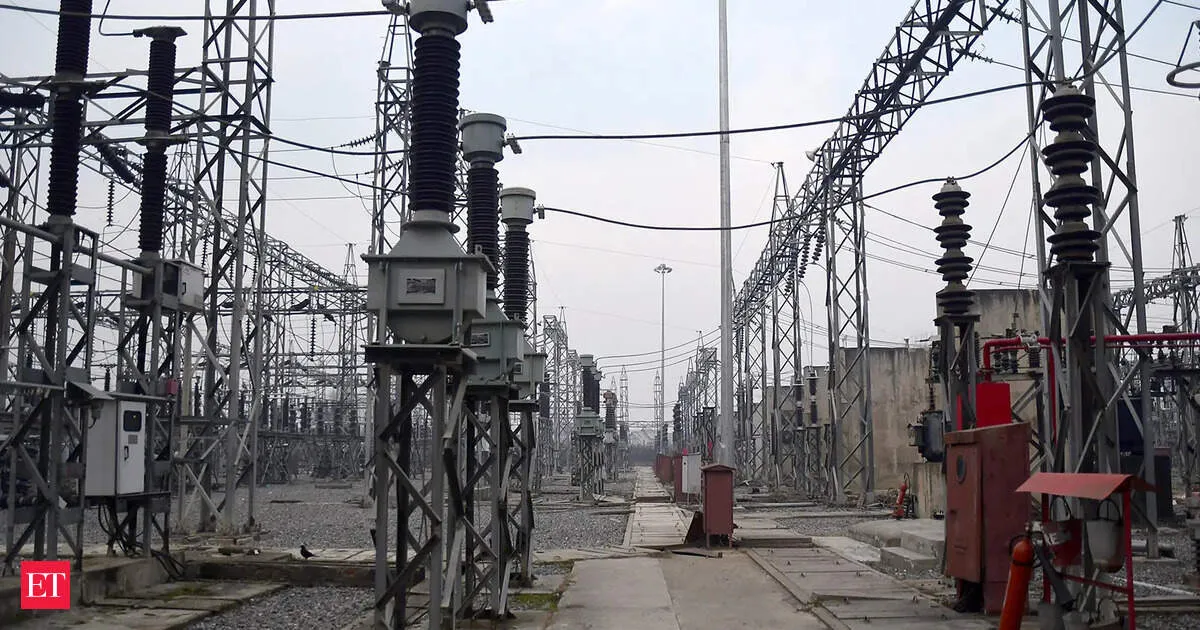
India’s power debate is shifting from “enough electricity” to “reliable electricity” during non-solar hours. Citi warns that fast renewable growth strains evening and night demand, exposing gaps in transmission and storage. Battery storage and flexible thermal generation could become essential, while delays in adding capacity may trigger new shortages. Coal remains key for stability.
Your news, in seconds
Get the Beige app — every story in 60 words, updated hourly. Free on iOS & Android.
India’s worsening heatwaves are driving power demand to record highs, putting pressure on the grid during peak hours. Renewable energy is increasingly covering parts of that spike, but limited storage capacity and weak grid flexibility threaten reliability. The result: meeting demand during extreme heat depends not just on more renewables, but faster, scalable storage and smarter grids.
Adani Green Energy Limited has set up fresh companies to drive clean power generation. The step-down subsidiaries were incorporated through its wholly owned unit, Adani Renewable Energy Sixty Four Limited, and are designed to focus on renewable generation. The move reinforces Adani Green’s role in developing and operating solar, wind, and energy storage solutions.
Global Energy Alliance has appointed Tanya Singhal to lead its India operations, with a mandate to scale the alliance’s work across the country’s energy systems. Her focus includes advancing clean power through battery storage, grid digitalization, and distributed energy—key pillars aimed at improving reliability and accelerating the transition to cleaner electricity.
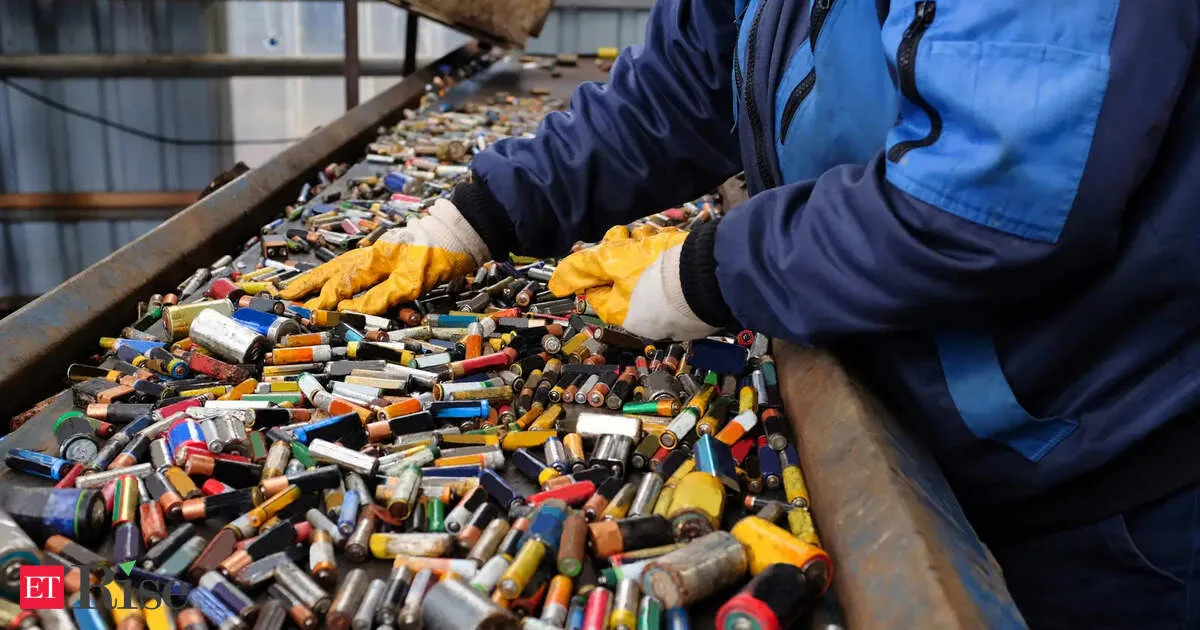
Moment Energy has raised $40 million to meet what CEO Edward Chiang calls “infinite demand for power,” using a novel approach to EV battery reuse. By repurposing EV batteries for energy storage and deployment, the startup aims to deliver more flexible power capacity while accelerating battery circularity. The funding underscores growing investor appetite for battery-driven grid solutions.
Never miss a story
Set alerts for the topics and sources you care about. Download Beige for free.
Smart grid startup Kimbal Technologies has raised $22 million in a Series B led by GEF Capital Partners, with support from existing investor Niveshaay. The funding will expand product development across power quality, energy management, and battery storage, strengthen its AMI business and manufacturing, and fund international growth. Total funding now stands at $27 million, with over 1 crore endpoints deployed.
India’s power system is at a turning point as summer demand is growing faster than generation can flex, especially during evening peaks. Renewables handle daytime loads, but the grid struggles to balance later when power needs spike. Analysts warn that if storage capacity does not expand quickly, shortages could emerge while missed profits linger for developers who move first.
Meta says it is investing in new energy solutions for its AI data centers, partnering with Noon Energy to bring space solar power to Earth for round-the-clock electricity. The company is also securing ultra-long-duration energy storage to keep power reliable even when renewable generation dips, aiming to support rapidly expanding AI workloads with cleaner energy.
Adani Green Energy Limited plans to invest around ₹42,000 crore in FY27, targeting nearly 5 GW of new clean energy capacity. The company reported the highest annual greenfield renewable additions globally outside China in FY26 and now has an operational portfolio of 19.3 GW. It is also stepping up investments in energy storage solutions to strengthen future output and reliability.
Reading on mobile?
Open Beige in the app for a smoother experience — free on iOS and Android.
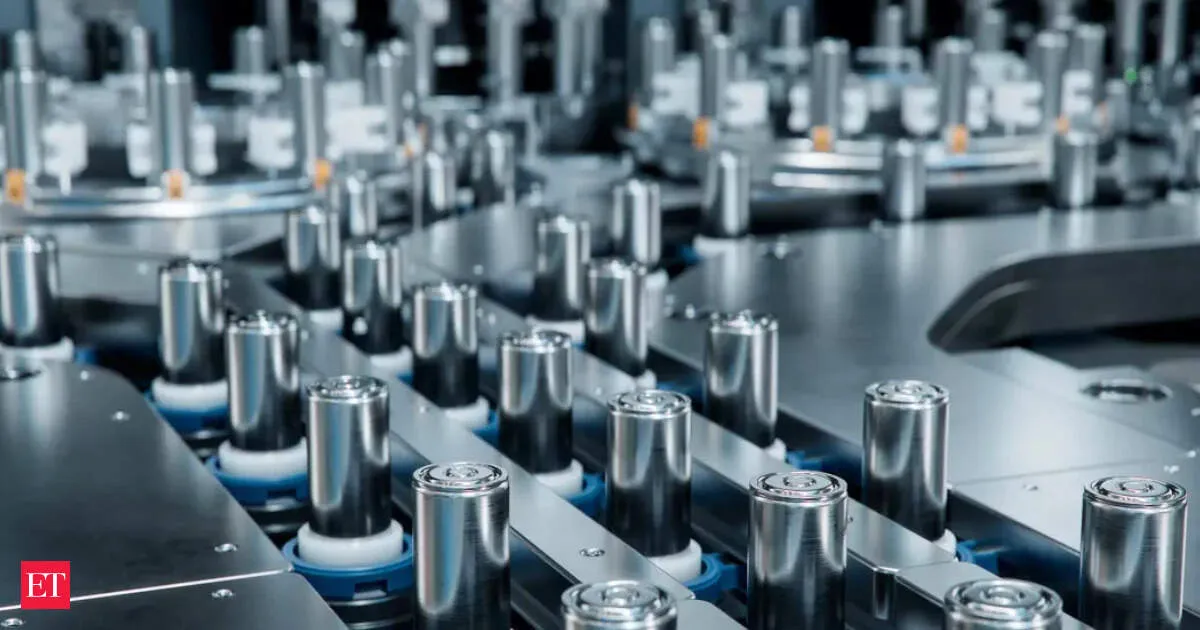
Amara Raja is planning to start bulk production of lithium ion EV cells around 2027, as India builds a domestic battery manufacturing ecosystem. With heavy investment from players like Amara Raja and Tata Group’s Agratas, the industry is set to expand for both electric vehicles and energy storage—though EV makers may face a near-term price premium for locally produced cells.
India’s power transmission sector is forecast to turn around by FY27 after five years of weak performance. New regulations and alternative investment models are expected to boost capital flow and improve how assets are used. The biggest growth potential is tied to renewable integration and energy storage, but funding may depend heavily on monetising existing assets.
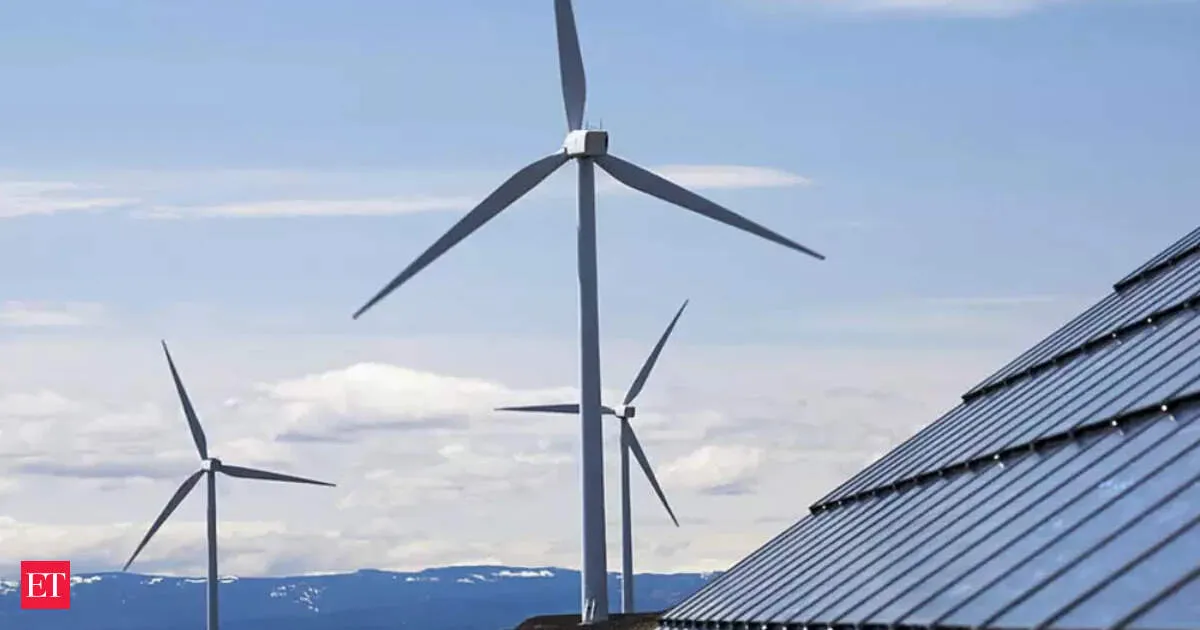
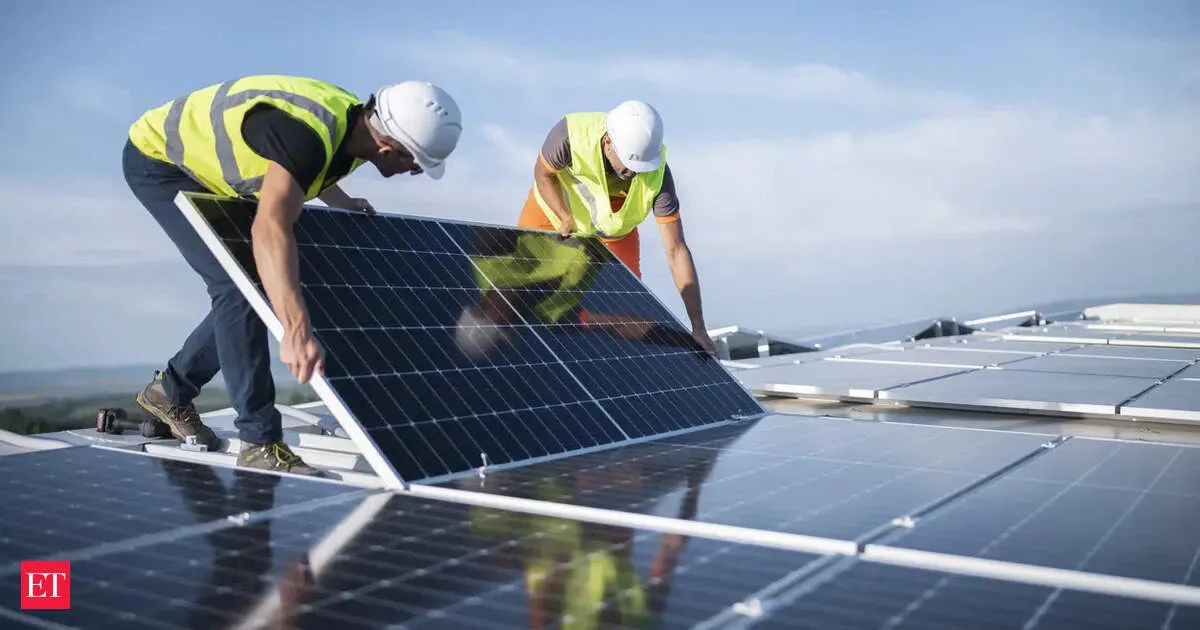
India is on track to become the world’s second-largest solar market by 2026, with solar capacity projected to hit about 150 GW. Government policies and rising power demand are fueling rapid expansion, particularly through distributed rooftop and commercial installations. Energy storage is expected to grow alongside solar, helping India accelerate renewable deployment and scale faster than many peers.
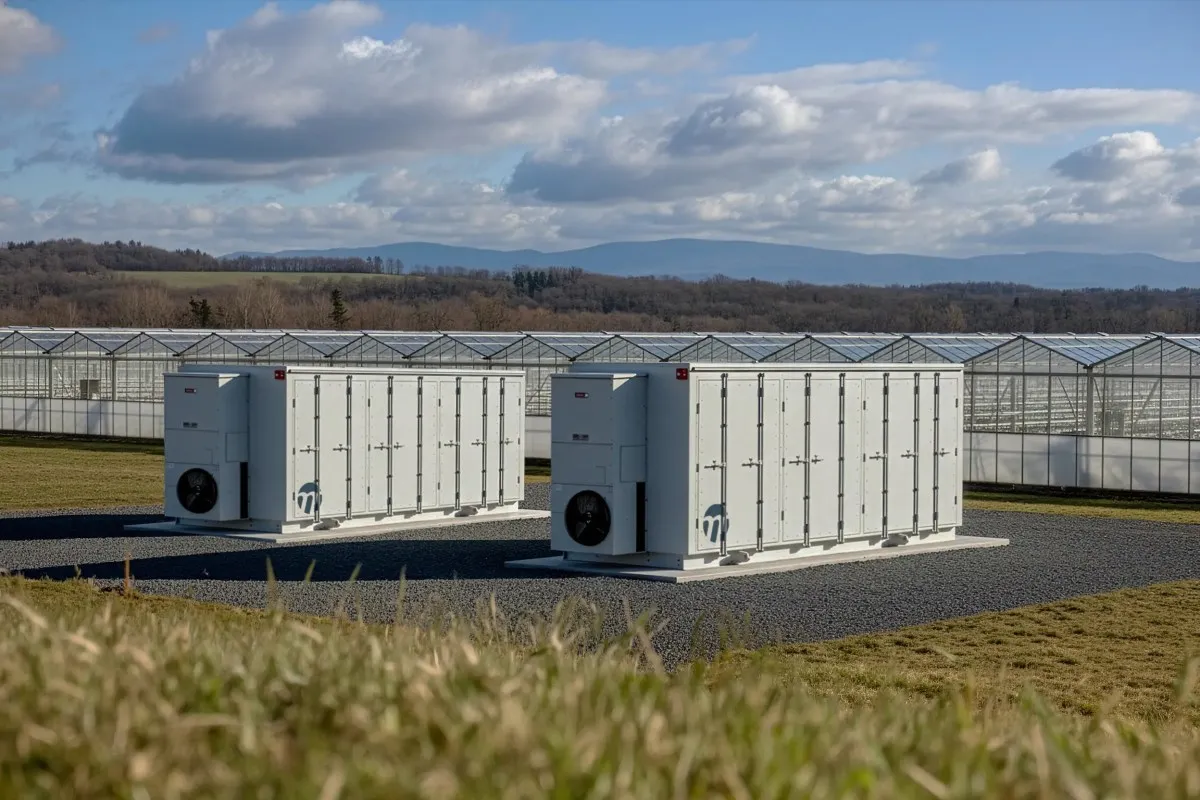
A surge in inexpensive batteries, driven largely by China’s manufacturing dominance, is accelerating a shift in how power grids handle fluctuations and outages. Utilities are increasingly using batteries to boost resilience and smooth renewable energy. With costs falling, batteries are also emerging as a more affordable alternative to fossil-fuel flexibility, setting up a global power-system overhaul.
Follow your favourite sources
Track sources, tags and categories — all in the Beige app.
Swipe through stories, personalise your feed, and save articles for later — all on the app.