European stocks are losing momentum as investors pivot from cheap regional equities to the AI trade and worry about a global energy shock. The Stoxx Europe 600 has fallen behind the US and Asia because Europe’s economy is exposed to inflation and supply-chain disruptions from the Middle East conflict, and because its benchmarks contain too little AI-heavy exposure. Even with earnings growth expected, forecasts may be cut as energy hits and higher European borrowing costs threaten growth.
Markets are bracing for a prolonged energy shock as high crude oil prices and geopolitical risks drag on global activity and hit India’s economy. Madhavi Arora says policymakers will need to focus on external balance and currency management, while gradual fuel price increases may follow. The fiscal cost is already stretching the government’s book, leaving investors watching for next steps.
Your news, in seconds
Get the Beige app — every story in 60 words, updated hourly. Free on iOS & Android.
India’s state-run oil companies reportedly incurred losses of about Rs 30,000 crore, even as fuel and LPG prices were held steady during a global energy disruption. The move helped ensure uninterrupted supplies for consumers. Government excise duty cuts further cushioned the financial blow, setting India apart from countries where retail fuel prices jumped sharply.
Global markets are surging on AI-led optimism, with the S&P 500 reaching record highs supported by strong earnings and a steady economic backdrop. But analysts warn that physical oil is flashing a warning sign: potential disruption that hasn’t fully made its way into asset prices, leaving investors exposed if energy conditions tighten suddenly.
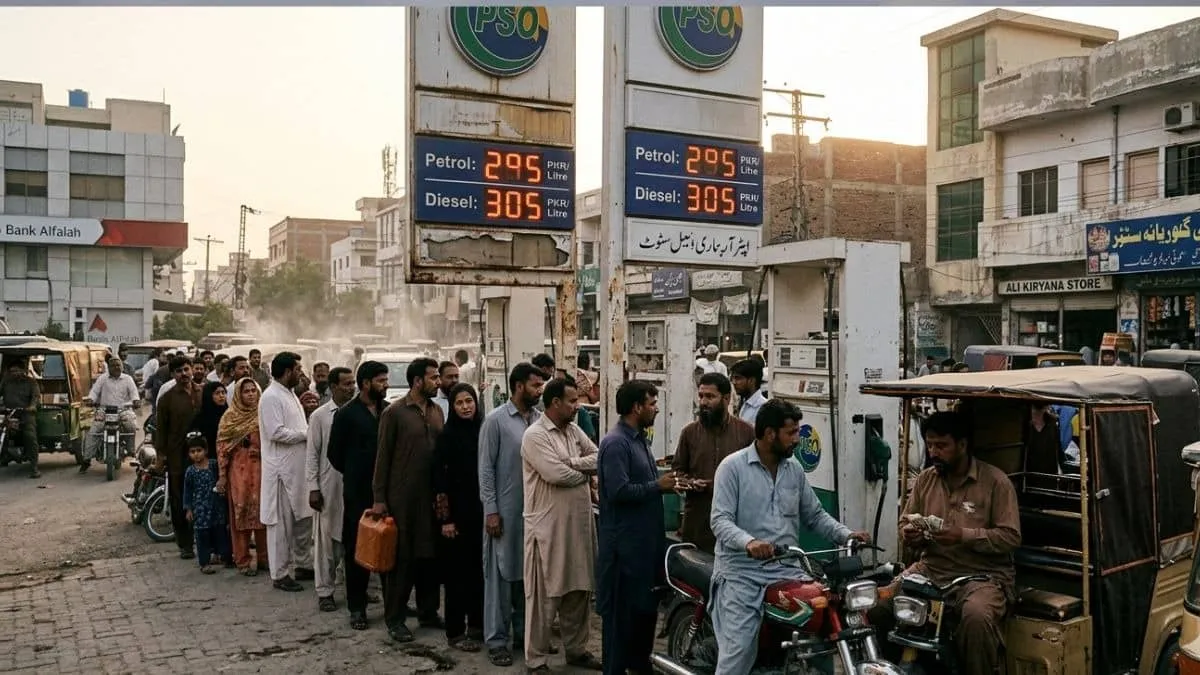
Pakistan’s oil import bill has surged to $800 million from $300 million amid rising crude prices and ongoing global supply chain disruption. The energy shock threatens costs and stability as import spending spikes faster than relief measures can offset. With volatility in global markets continuing, Pakistan faces mounting pressure on its energy budget and broader economic balance.
A West Asia conflict is roiling energy markets, triggering an economic shock that threatens inflation and growth across Asia. India, reliant on energy imports, faces heightened pressure even as governments roll out measures to cushion households and firms. Central banks are urged to stay alert, while structural reforms are highlighted as the path to long-term resilience and steadier, balanced growth.
Never miss a story
Set alerts for the topics and sources you care about. Download Beige for free.
UK consumer inflation climbed to 3.3% in March, up from 3.0% in February, with officials pointing to the Middle East conflict’s first direct price impact. The sharpest pressure came from an 8.7% jump in motor fuel costs, while services inflation also rose to 4.5%, extending concern beyond energy into everyday expenses.
Swipe through stories, personalise your feed, and save articles for later — all on the app.