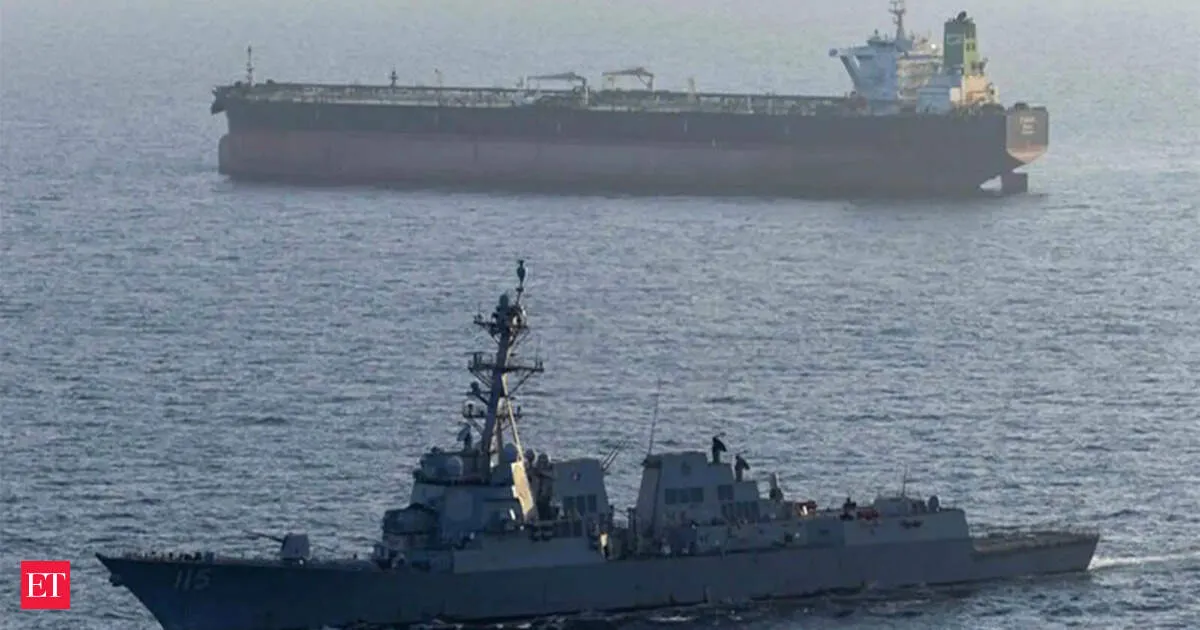
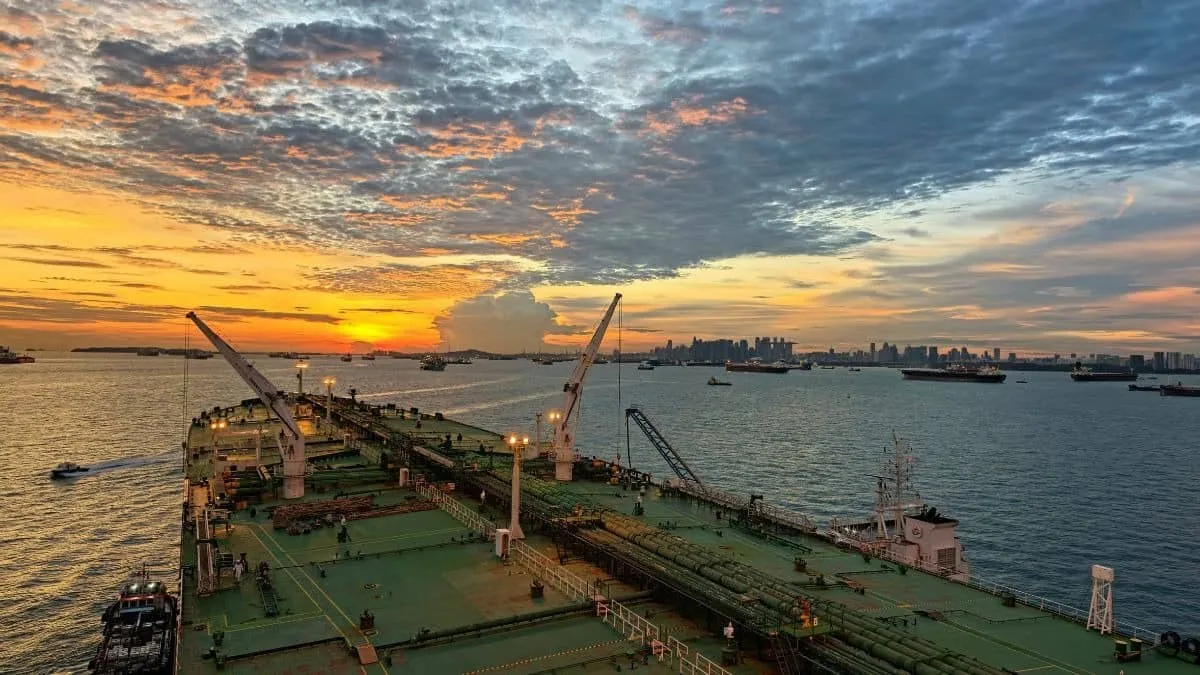
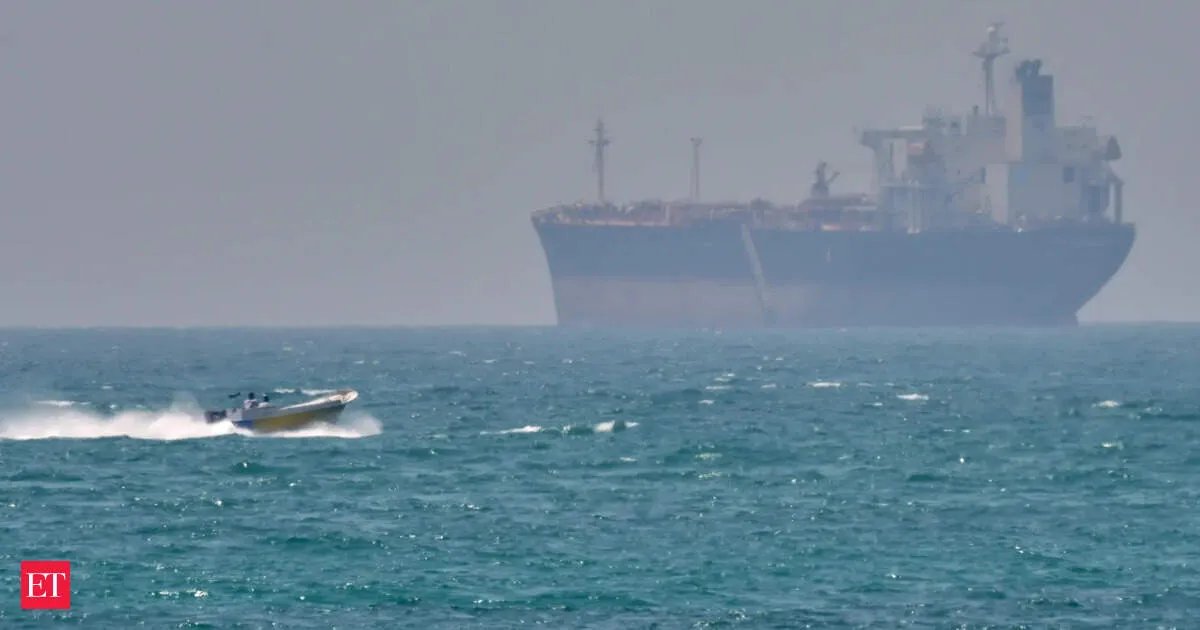
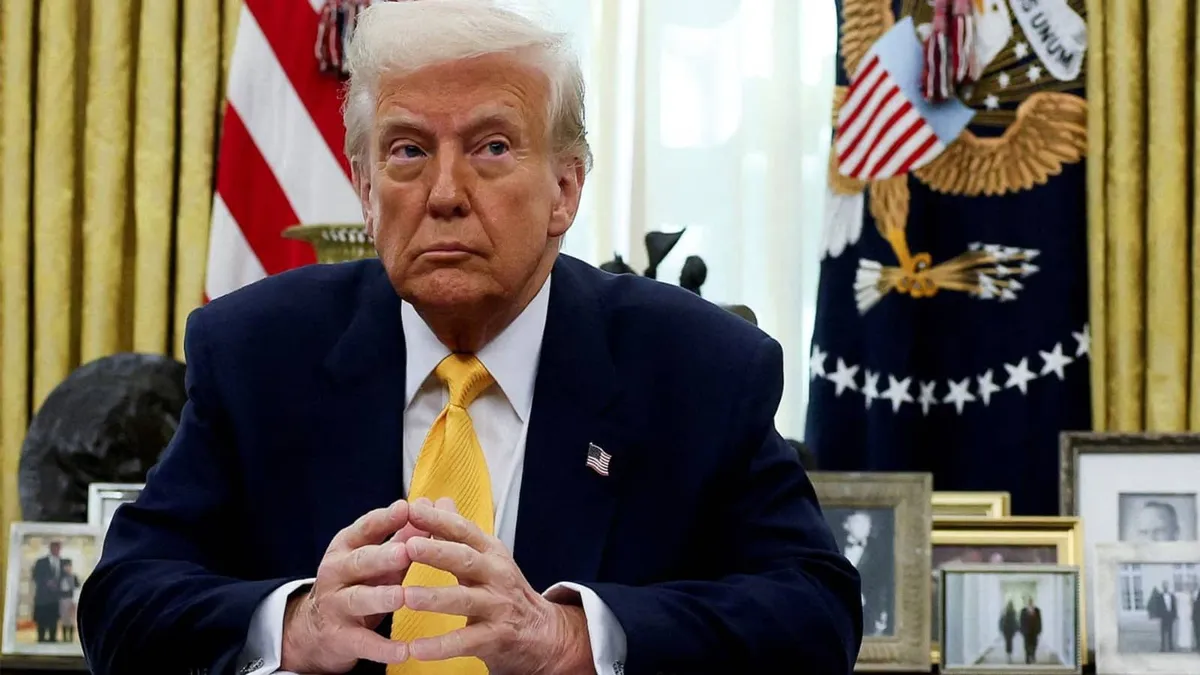
Oil prices jumped more than $3 a barrel as U.S. and Iran failed to align on Washington’s peace proposal, leaving the Strait of Hormuz largely constrained and global supplies tight. Brent rose to about $104, while West Texas Intermediate climbed to roughly $99. President Donald Trump dismissed Iran’s reply as “unacceptable,” dashing expectations of an imminent ceasefire that could reopen oil transit. Market focus now shifts to Trump’s Beijing visit and whether China can pressure Tehran to reduce disruption.
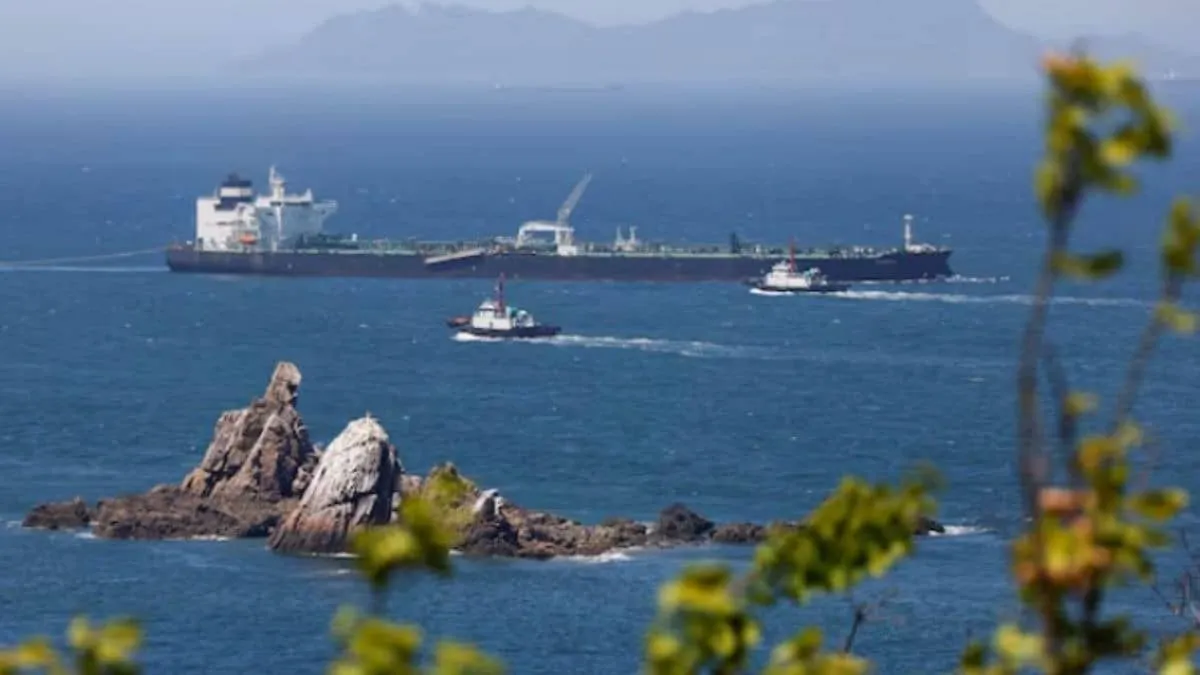
President Donald Trump says the US does not need China’s help to end the Iran war, arguing America will prevail. Meanwhile, Iran is tightening its control of the Strait of Hormuz as US and Iranian demands remain widely mismatched. With a Chinese supertanker attempting passage, the standoff is already rattling global energy markets.
Your news, in seconds
Get the Beige app — every story in 60 words, updated hourly. Free on iOS & Android.
A fragile ceasefire in the Gulf is under pressure as renewed US-Iran tensions threaten to flare again around the Strait of Hormuz. Any clash could swing the situation between an outright wartime scenario and a prolonged “cold war” standoff—while the biggest immediate risk is disruption to global markets and energy flows.
The International Energy Agency says the global oil market is likely to tighten this year as the Iran war disrupts Middle East production. The IEA estimates major supply losses and forecasts a deficit of about 1.78 million barrels per day by 2026, while demand is expected to soften due to higher prices and an economic slowdown tied to the conflict.
JP Morgan revised its oil outlook around the Strait of Hormuz. Even with a base case that assumes a June 1 reopening after a credible announcement confirmed by both sides, the bank expects Brent to remain anchored in the low 100s. The key driver is the projected pace of oil inventory depletion, which should eventually force reopening regardless of timing.
Saudi Aramco CEO Amin Nasser warns the Strait of Hormuz crisis could delay the oil market’s recovery until 2027. Persistent disruptions are straining supply chains and keeping prices jumpy, and even a partial reopening would not instantly rebalance global inventories and contracts. Nasser calls the shock the largest of its kind and expects prolonged volatility.
Never miss a story
Set alerts for the topics and sources you care about. Download Beige for free.
Morgan Stanley says global oil markets are in a race against time as the Strait of Hormuz stays shut amid the Iran war. A longer disruption could sharply tighten supplies and lift crude prices. Analysts warn that existing market buffers may weaken further if the closure extends into late June or July, increasing risks for global energy prices.
Oil prices surged by more than $3 a barrel after US and Iran failed to agree on a US-drafted peace proposal, ending hopes of ending their ongoing conflict. With the Strait of Hormuz largely closed, global supply risk stayed high. Brent futures rose about 3%, reflecting renewed fears of tighter energy availability ahead.
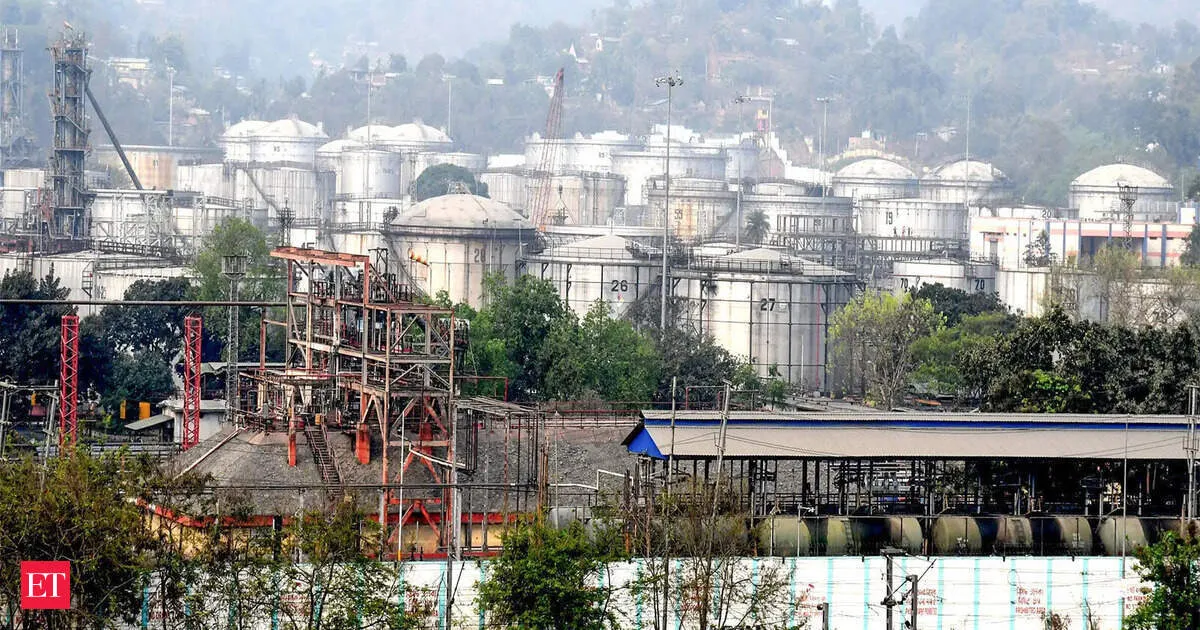
India is sustaining strong refinery operations even as Strait of Hormuz tensions disrupt global energy markets. S&P Global Energy says the key has been aggressive crude diversification, shifting purchases across multiple sources and raising significant Russian oil imports. This strategy is helping protect domestic fuel supplies, keeping refineries running at steady, resilient levels despite mounting pressure in the energy system.
US natural gas futures are slipping as demand forecasts soften and LNG export flows ease. Waha Hub prices remain negative, pressured by pipeline limits in the Permian Basin. Producers have cut output amid low spot prices, while storage is still above normal but narrowing. The next moves hinge on weather expectations and ongoing LNG maintenance.
Reading on mobile?
Open Beige in the app for a smoother experience — free on iOS and Android.
Global oil markets saw a brief cooling move as Brent crude slipped to around $113.93 per barrel, retreating from multi-month highs. WTI also eased to about $104.87, down nearly 1.5%. The pullback is linked to easing supply fears after “Project Freedom” escort developments, prompting brokerages to reassess near-term price pressure and potential India impact.
Oil prices eased more than 1% after a prior surge of up to 6%, as traders reacted to signs the US Navy may be loosening Iran’s grip on the Strait of Hormuz. The shift follows a US operation launched to counter Iranian pressure, raising hopes of improved Middle East supply and reducing near-term supply risk.
Oil prices surged around 5% after Iran’s Fars news agency reported an incident involving a U.S. warship in the Strait of Hormuz. Traders feared the vital route for global crude flows could face a longer disruption, pushing expectations for supply risk higher. The move underscores how quickly geopolitical headlines can jolt energy markets.
Tightened US naval curbs in the Strait of Hormuz have sharply reduced Iran’s oil exports, leaving the country with shrinking routes and surging inventories. Iran is responding by cutting production in a controlled manner and leaning on floating storage to keep barrels moving, drawing on years of experience managing sanctions and supply disruptions.
Follow your favourite sources
Track sources, tags and categories — all in the Beige app.
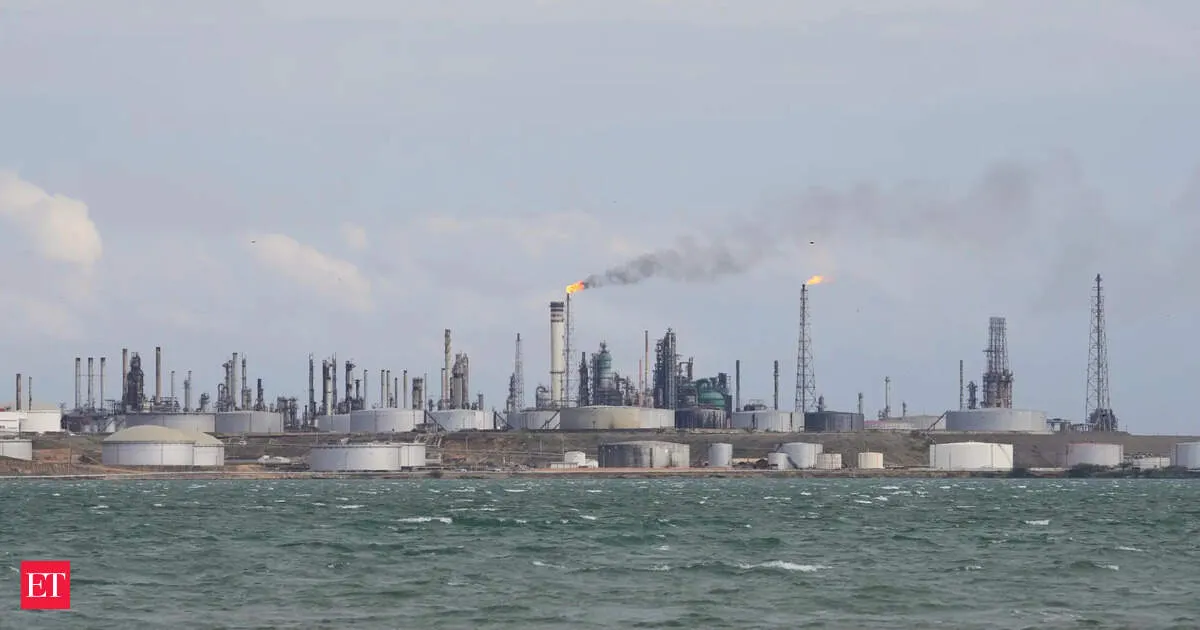
Venezuela’s oil exports jumped 14% in April to 1.23 million barrels per day, the highest level in more than seven years. The rise was driven by stronger sales to the US, India, and Europe after a US–Venezuela supply arrangement and eased sanctions. Output improved and inventories were cleared, lifting shipments across multiple markets.
The UAE has exited OPEC, disrupting a long-standing production alignment that typically steadies global oil markets. While the immediate effect may be muted, the UAE’s increased production capacity could ease prices over time. The move may also trigger reconsideration by other producer states about their OPEC membership, with implications for buyers including India.
The UAE says it will exit OPEC and OPEC+ effective May 1, sending another jolt through an already tight global energy market. The decision comes as tensions around the Iran conflict and the Strait of Hormuz raise fears of severe supply disruptions. With OPEC and OPEC+ shaping nearly half of global output, the move threatens fresh volatility for crude prices.
US President Donald Trump on April 30 welcomed the UAE’s decision to leave the OPEC and OPEC+ alliance, saying the shift could help lower global oil and gas prices. Trump praised UAE leadership and framed the move as a smart strategy, while linking the development directly to potential price relief for markets worldwide.
Stay informed on the go
Bite-sized news from 100+ trusted sources, right in your pocket.
US oil-linked ETFs are climbing to levels not seen since 2015 as global tensions push energy prices higher. But the twist is shipping costs: an ETF tied to oil transport is also accelerating, signaling investors are rethinking risk and returns around how fuel moves, not only what it costs at the pump or well.
Oil prices rose almost 3% as US-Iran peace talks stalled and limited shipments through the Strait of Hormuz tightened global supply. Traders turned cautious, pricing in the risk that disruptions could persist even without a major escalation. With tanker flows constrained, crude markets found support from supply concerns and uncertainty over negotiations.
Swipe through stories, personalise your feed, and save articles for later — all on the app.