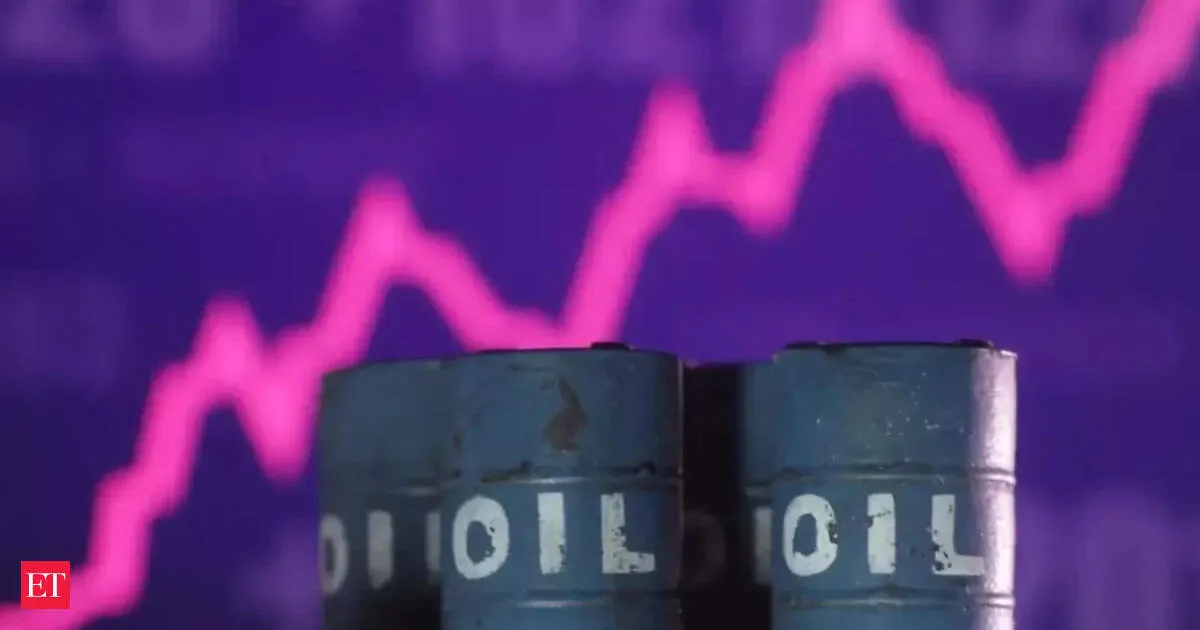
As West Asia tensions drag on, Union Minister Ashwini Vaishnaw said a full truce is still far away and could spill into India’s economy. Echoing PM Narendra Modi, he urged citizens to reduce fuel consumption and adopt cost-cutting steps like more work from home. With India heavily dependent on energy imports, officials stress the need to stay prepared despite relative policy stability so far.
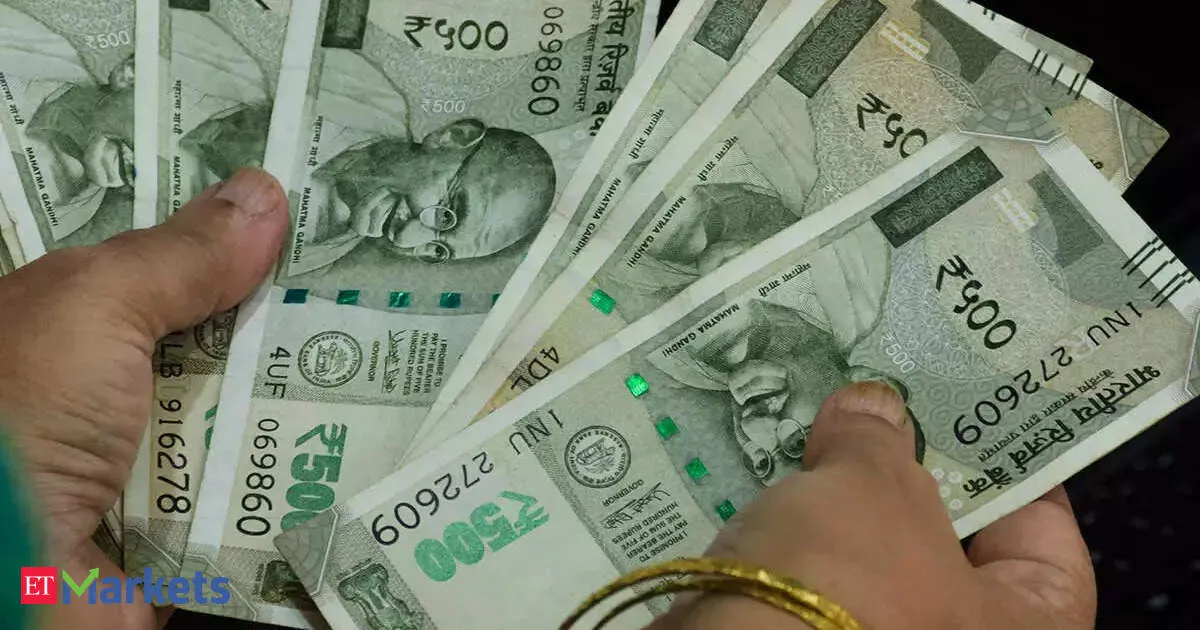
India’s rupee has slipped to a record low as surging energy import costs strain the balance of payments. That pressure is sharpening calls for Reserve Bank of India action just as it may prefer to pause. With capital outflows accelerating amid an energy-driven crisis, markets are watching whether the RBI will be forced to raise rates to defend the currency.
Your news, in seconds
Get the Beige app — every story in 60 words, updated hourly. Free on iOS & Android.
West Asia disruptions reduced India’s crude imports, dragging average intake to 4.4 million barrels per day in April 1–26, about 15% below February. But steadier Saudi supplies and increased shipments from the UAE helped cushion the drop. Imports also restarted from Iran and Venezuela, while purchases from Russia continued.
Nilesh Shah of Kotak Mutual Fund, and a member of the PM’s economic advisory council, says India must reduce vulnerability to energy shocks by accelerating electrification and rapidly scaling up nuclear power. His argument centers on cutting dependence on energy imports and strengthening long-term energy security as global disruptions threaten supply and prices.
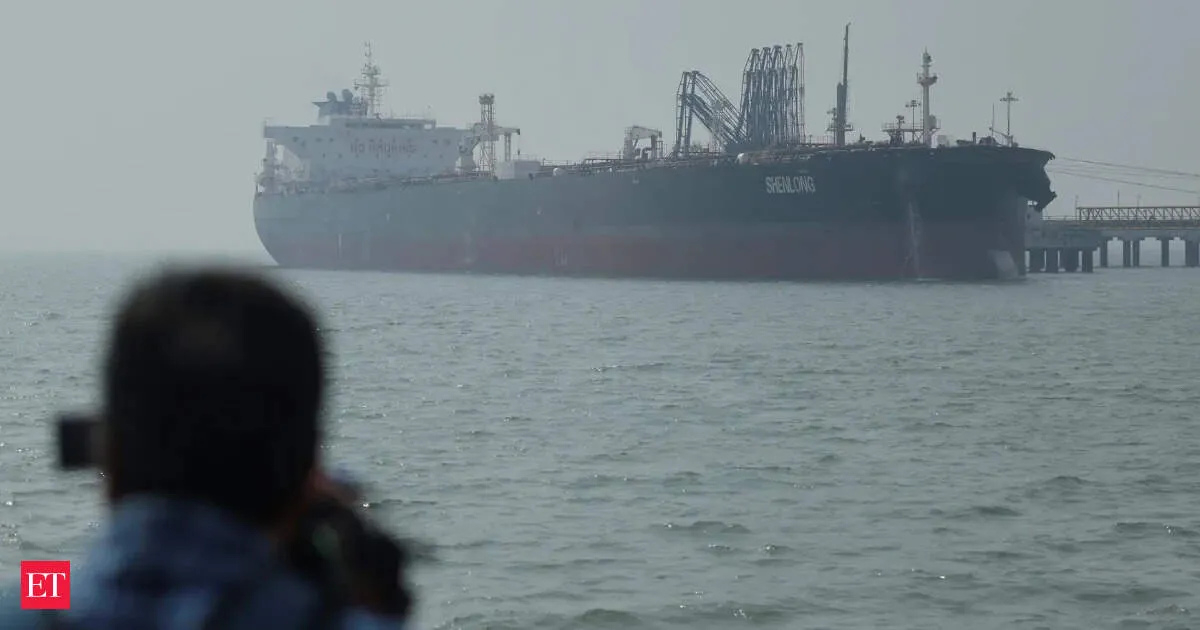
India’s crude oil imports fell sharply in March as conflict in the Middle East disrupted tanker routes and effectively halted transit through the Strait of Hormuz. With supplies delayed, India leaned more heavily on Russian crude, reshuffling its supplier rankings. Russia stayed the top source while Saudi Arabia climbed into second place as other flows weakened.
Swipe through stories, personalise your feed, and save articles for later — all on the app.