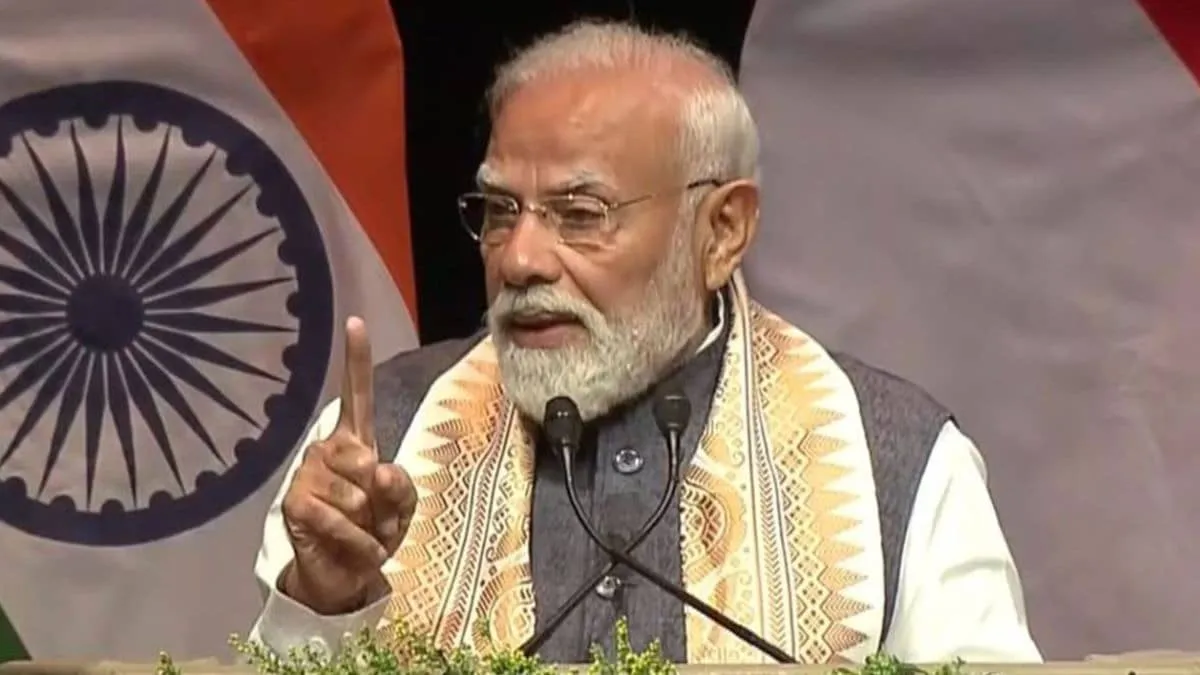
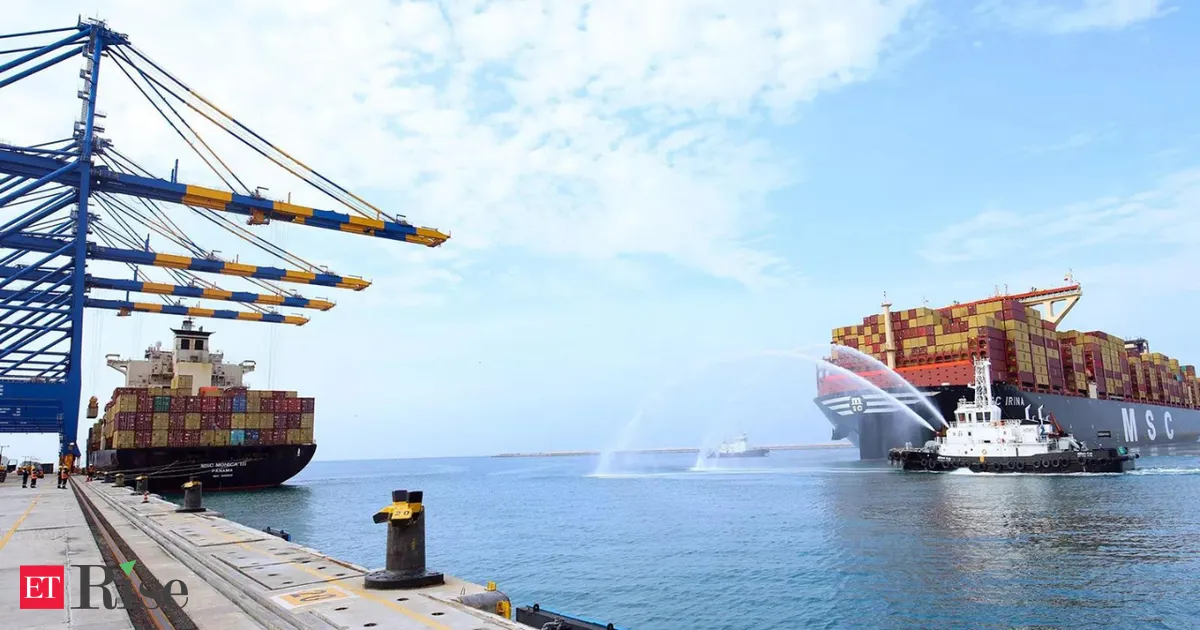
Speaking in The Hague during his five-nation tour, Prime Minister Narendra Modi said India and the Netherlands are building a “trusted, transparent and future-ready” supply chain to withstand repeated global shocks. He framed the current era as a “decade of disasters,” pointing to the COVID-19 pandemic, escalating wars and an emerging energy crisis. Modi warned that if countries fail to respond quickly, decades of development gains could be wiped out, driving large populations into poverty.
Union Minister Ashwini Vaishnaw on Monday supported Prime Minister Narendra Modi’s appeal to curb fuel consumption and avoid unnecessary imports like diesel and petrol, arguing India should conserve foreign exchange amid global uncertainty and the ongoing energy crisis. He also echoed Modi’s message about postponing gold purchases for a year, framing it as a practical step to reduce avoidable spending.
Your news, in seconds
Get the Beige app — every story in 60 words, updated hourly. Free on iOS & Android.
Market veterans including David Roche warn investors may be underpricing the long-term fallout of the Middle East energy crisis. While AI spending and US resilience support bullish views, declining oil reserves and tighter supplies raise the odds of shortages, higher logistics costs, and insurance blowouts. Those pressures could translate into a sharp global GDP contraction.
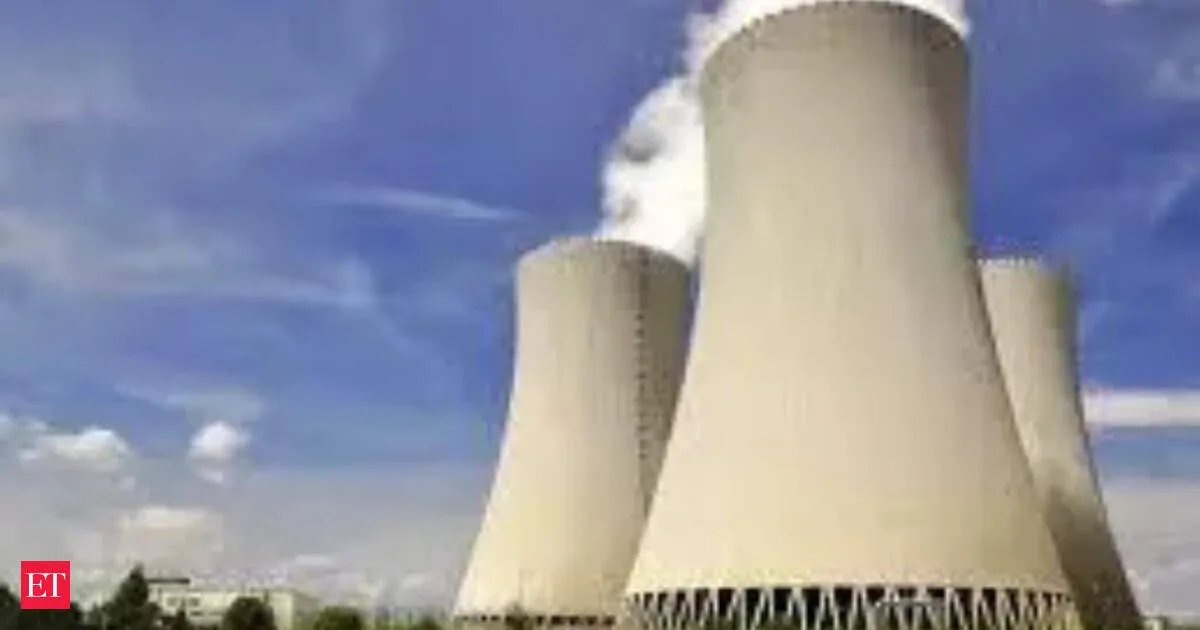
Spain’s Almaraz nuclear plant, the country’s largest, was slated to shut by 2028. Now, fresh energy shortages have thrown the timeline into doubt, igniting heated debate over whether the plant should keep running longer. Local communities that have prepared for closure are watching policy makers weigh climate goals against immediate electricity needs.
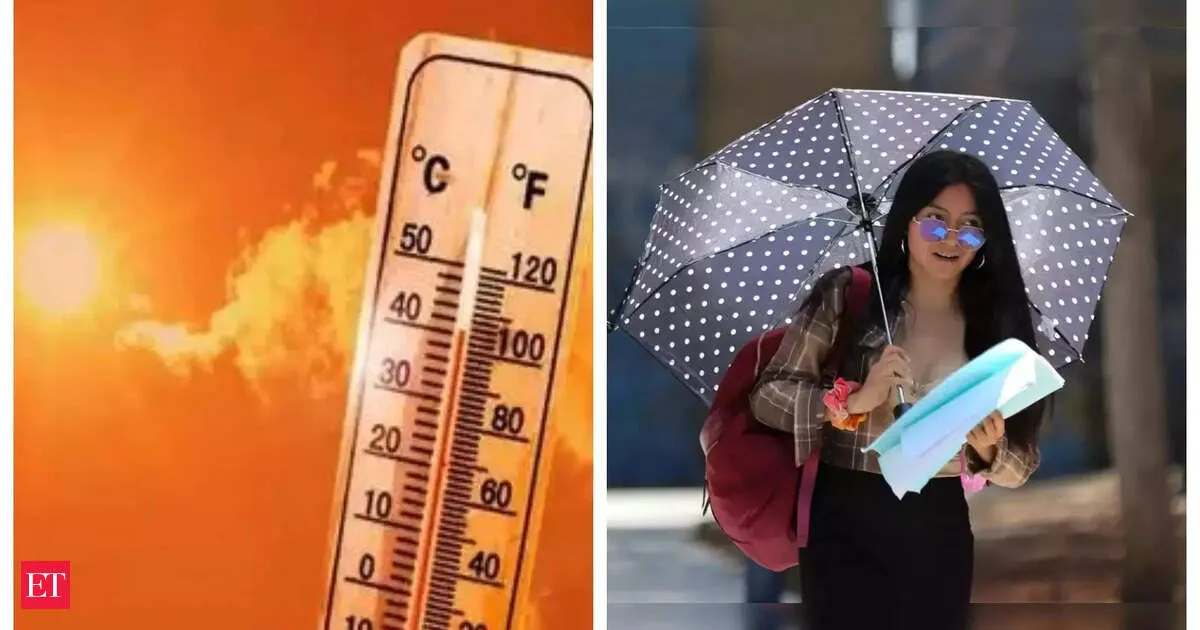
India faces an intense summer as persistent heat waves push power grids to the brink. With demand rising and energy shortages widening, warmer temperatures are degrading night-time electricity availability—triggering blackouts and disruptions. Authorities also warn that El Nino could intensify stress during the monsoon, raising outage risks even beyond summer.
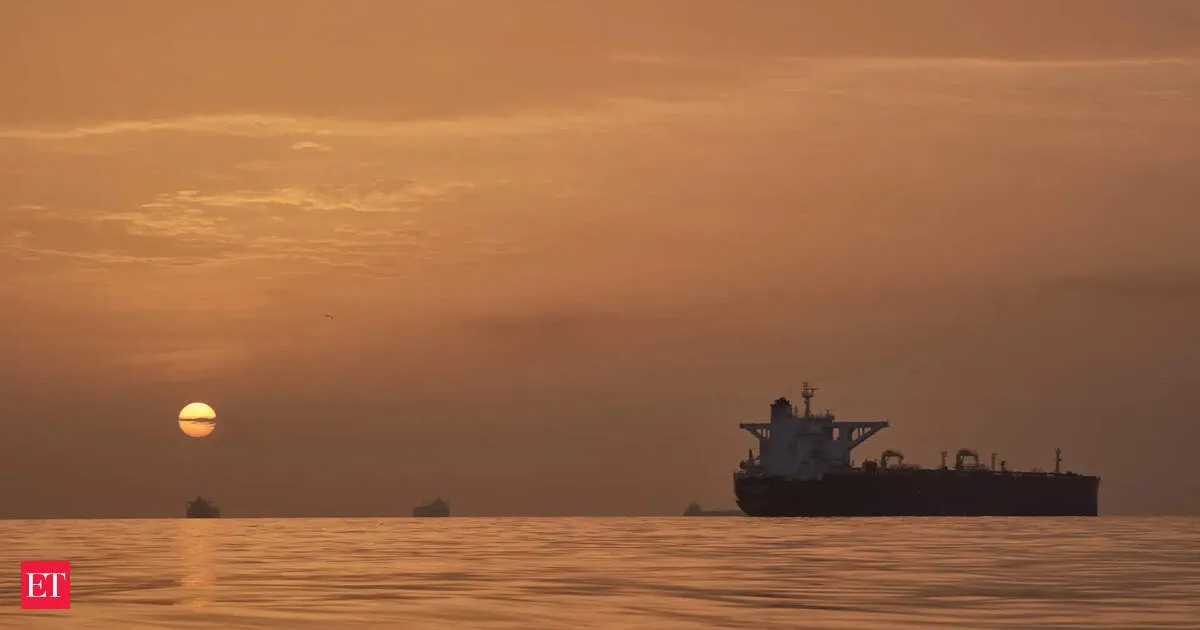
An India-linked supertanker, Sarv Shakti, is attempting a rare transit through the Strait of Hormuz while carrying vital LPG supplies. If it succeeds, it would be the first observed India-linked tanker passage since a US blockade started. The move underscores India’s push to ease a severe energy crunch and address worsening LPG shortages.
Never miss a story
Set alerts for the topics and sources you care about. Download Beige for free.
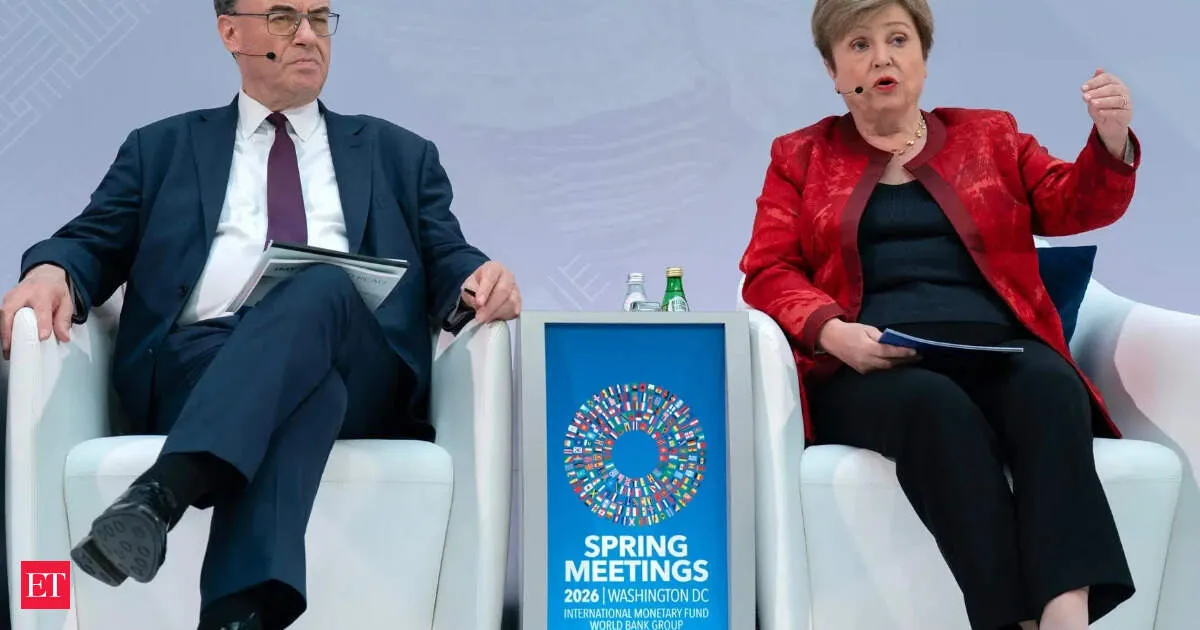
The IMF has warned Asian countries to keep their economic policies balanced amid escalating Middle East energy disruptions linked to the Iran conflict. It urged governments to build buffers for future shocks and favor targeted financial support rather than broad fuel subsidies. The IMF also cut its global growth outlook, warning that a prolonged crisis could trigger an additional slowdown.
IMF Asia Pacific director Krishna Srinivasan urged Asian governments to keep fiscal discipline and avoid broad fuel subsidies, even as the Iran war tightens global energy supplies. With shortages linked to a logistics logjam at the Strait of Hormuz and rising oil pressures, he cautioned countries to preserve budget room for future shocks rather than rushing into costly coverage.
Asia is facing energy shock dynamics reminiscent of the 1970s oil crises, as soaring fossil fuel costs squeeze households and industries. The fallout is accelerating a shift to cleaner options, with electric vehicles and solar adoption rising across the region. If the pressure continues, the scale of change could rival Europe’s earlier pivot toward renewables.
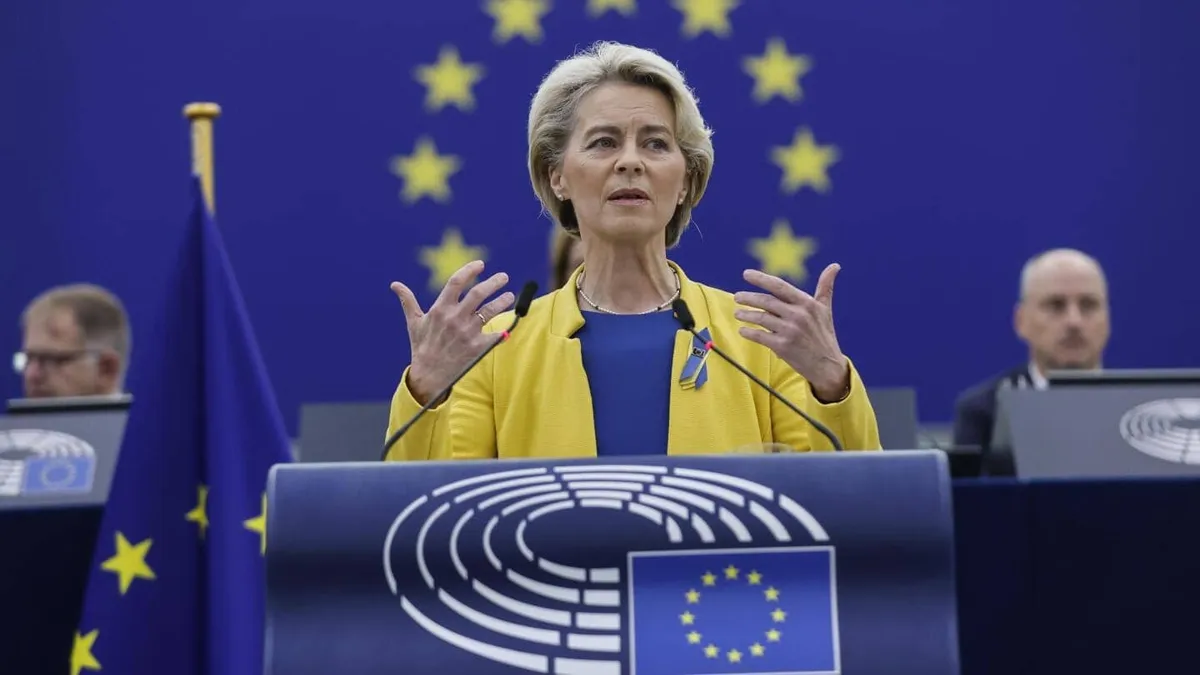
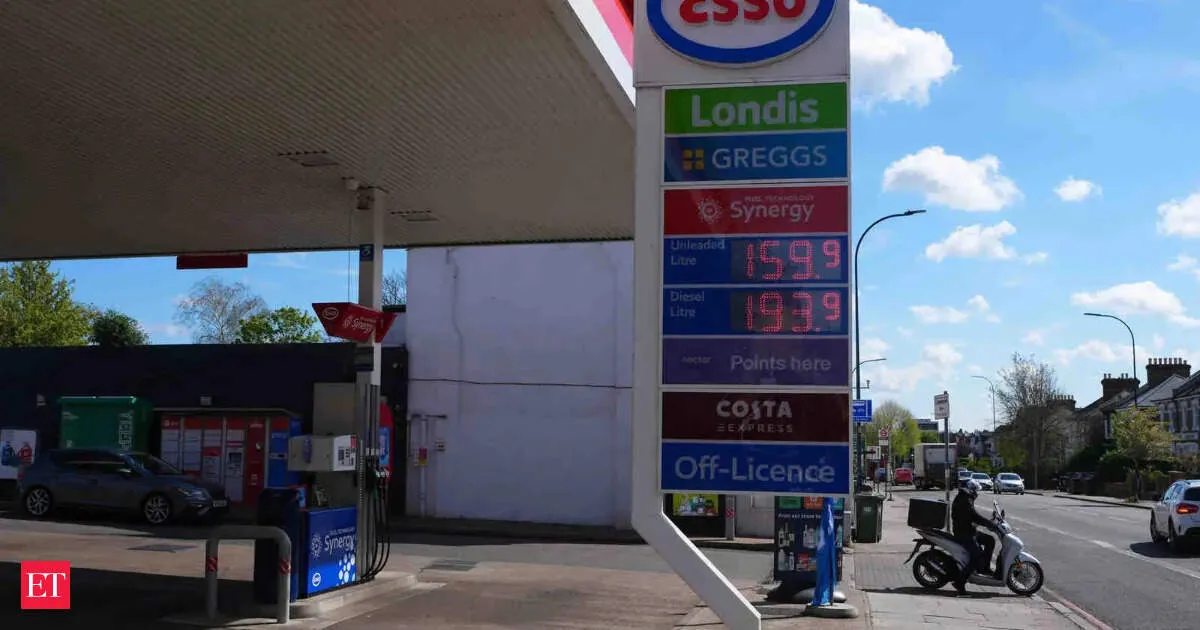
European Commission President Ursula von der Leyen says EU energy support must be targeted to vulnerable households and industries. Otherwise, the bloc risks wasting billions as the Iran war and tensions near the Strait of Hormuz push oil and gas prices higher. The warning comes as EU states prepare and adjust their energy aid amid market volatility.
Reading on mobile?
Open Beige in the app for a smoother experience — free on iOS and Android.
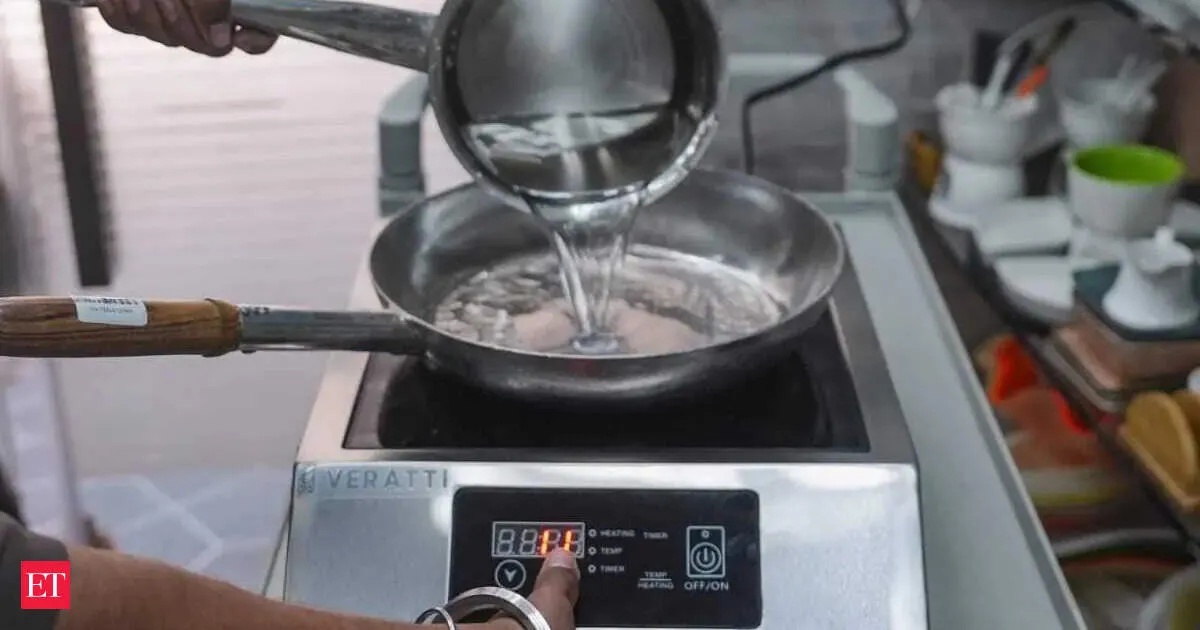
India is weighing incentives for induction cooktops as it looks to speed up the switch from LPG to electric cooking powered by solar. The government is considering support under the PM Suryaghar Muft Bijli Yojana, alongside possible tax cuts and lower import duties to reduce prices and spur domestic production. The push comes as energy pressures intensify amid wider regional turmoil.
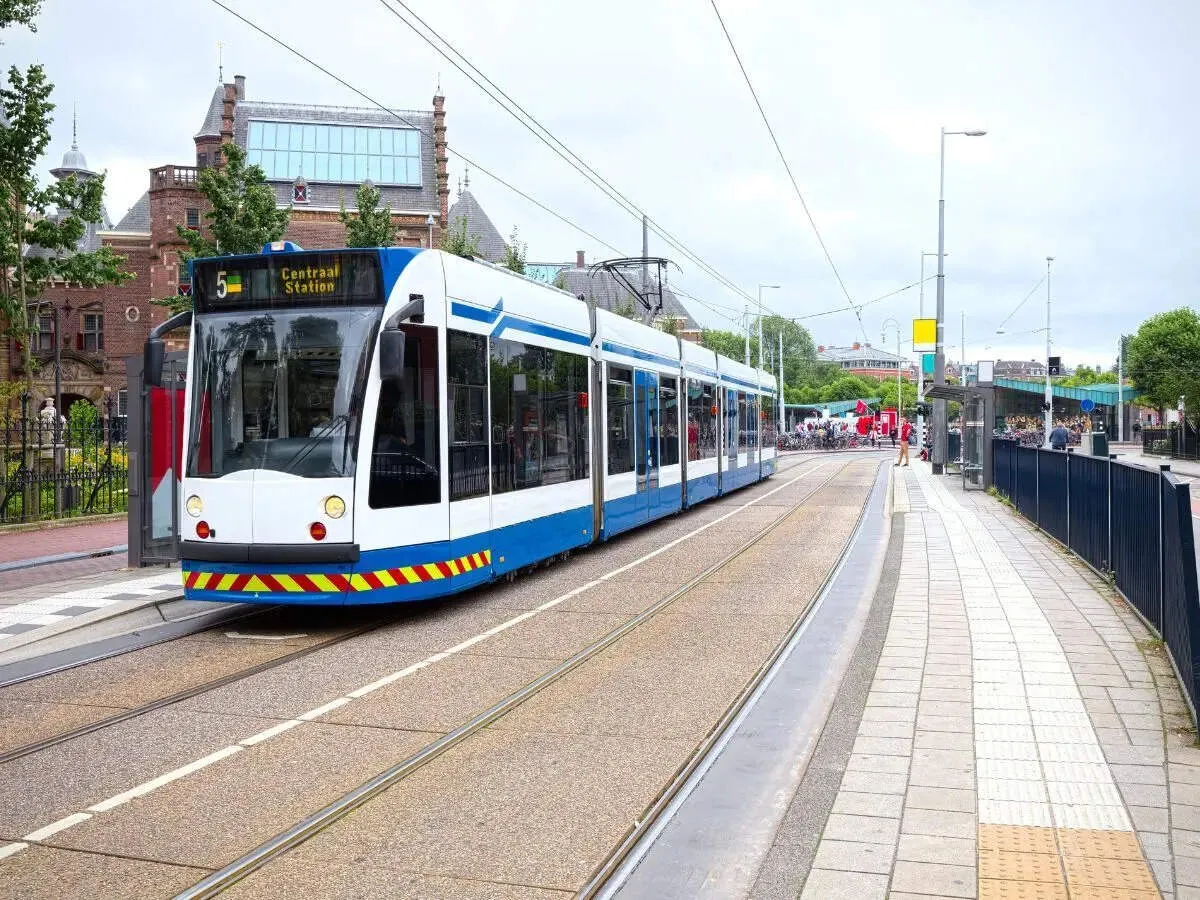
The Dutch government is considering a €49 summer ticket offering unlimited off-peak travel on public transport, backed by the PRO party. The idea is to reduce reliance on cars amid rising fuel costs and an ongoing energy crisis. If approved, the pass could make leisure trips about 60% cheaper and is being lined up for parliamentary backing.
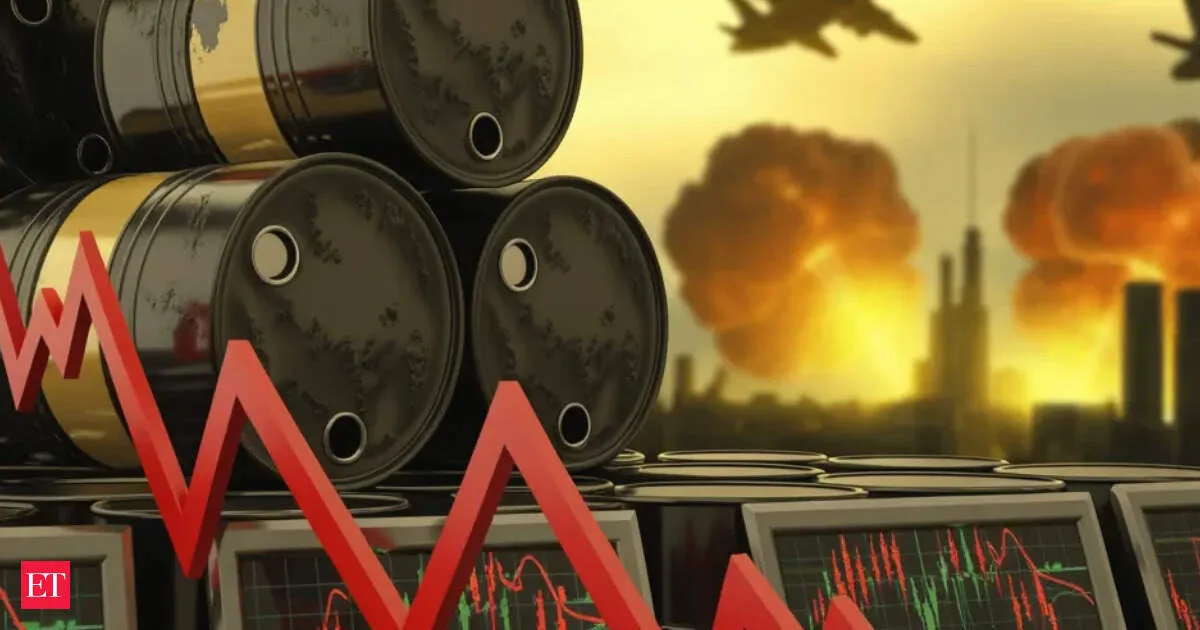
The US-Israeli war with Iran and the closure of the Strait of Hormuz are triggering a massive oil and gas supply disruption, hitting crude, natural gas, and refined fuels at once. The reported daily output lost is being described as unprecedented, surpassing earlier major shocks and raising concerns about rapid price and availability swings worldwide.
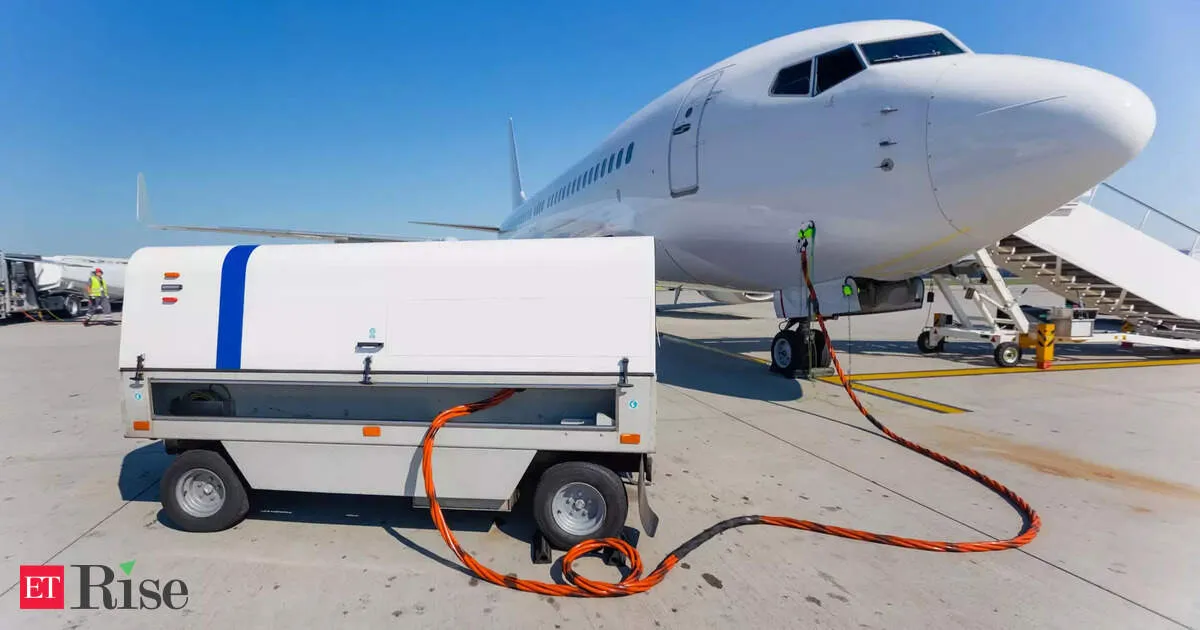
Asian countries dependent on imported oil are scrambling as major suppliers impose export restrictions, triggering jet fuel rationing and urgent appeals for international assistance. The immediate impact on air travel underscores a broader vulnerability: when energy flows tighten, trade and daily economic activity can quickly ripple across borders, exposing how fragile current supply chains remain.
Follow your favourite sources
Track sources, tags and categories — all in the Beige app.
The IEA chief says the global energy crisis is rooted in a deep disruption that won’t clear immediately, even if war ends soon. Restoring energy security will take considerable time, with lingering effects on supply chains, markets, and confidence worldwide—turning a potential ceasefire into only a partial relief.
S&P warns global growth could slow to 3.2% in 2026 as West Asia conflicts spark what it calls the largest energy shock on record. The crisis is disrupting shipping lanes and energy distribution, rippling into international trade and raising costs across supply chains.
Swipe through stories, personalise your feed, and save articles for later — all on the app.