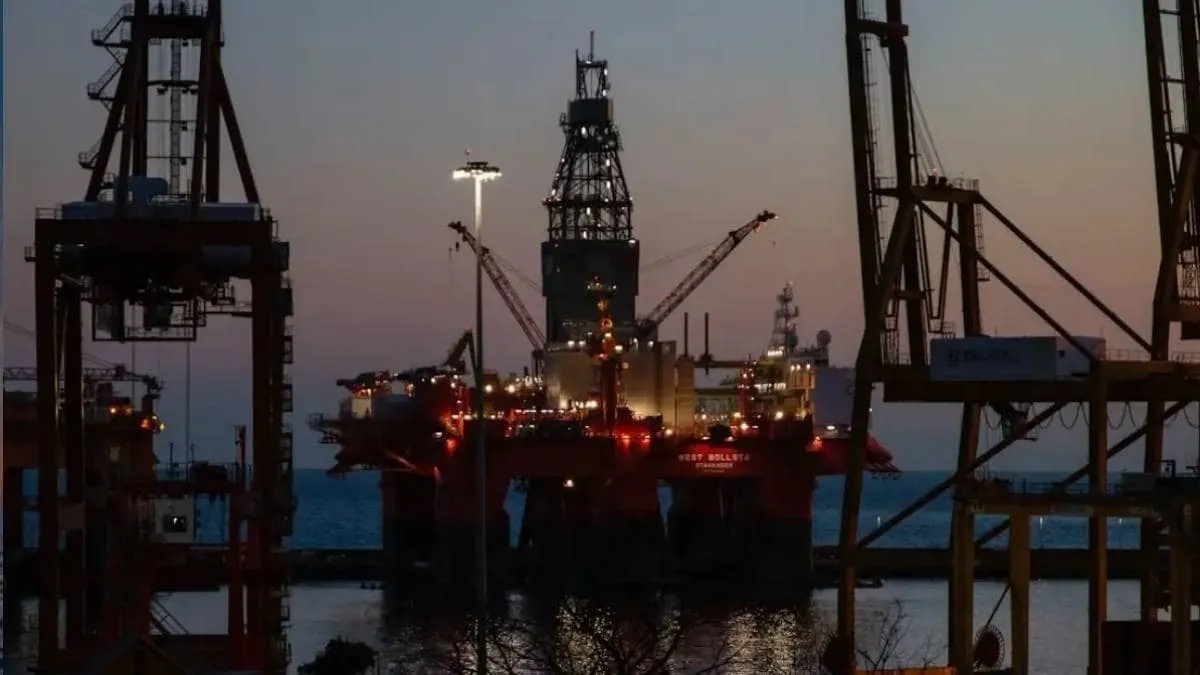
India’s government is preparing consultations on managing fallout from the West Asia war, with PM Narendra Modi urging citizens to save fuel. Officials are considering measures to conserve energy and protect foreign exchange, while industry leaders are likely to be brought into discussions to keep supplies steady and limit economic pressure.
Prime Minister Narendra Modi’s call to conserve energy, paired with support for working from home, puts companies in a tough spot. Some employers want employees back in offices, but the political and energy framing may unintentionally strengthen the case for remote work—showing how much commutes truly cost in time, comfort, and productivity.
Your news, in seconds
Get the Beige app — every story in 60 words, updated hourly. Free on iOS & Android.
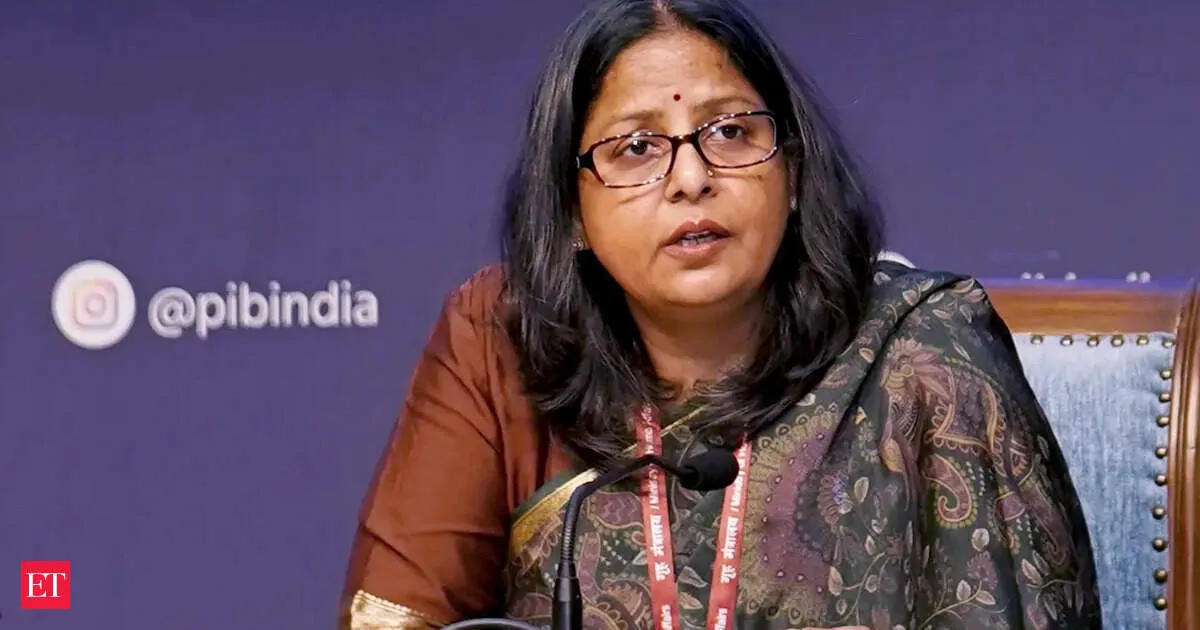
India’s Petroleum Ministry says fuel and LPG supplies are stable despite global disruptions, citing secure crude oil inventories and refineries operating at peak capacity. It reports no nationwide fuel shortages. Still, the government is urging households to cut energy use by using public transport, carpooling, and shifting toward electric vehicles to reduce costs and import dependence.
The Union government moved to reassure Indians after Prime Minister Narendra Modi urged citizens to conserve fuel and adjust behaviour like using metro or carpooling during the West Asia crisis. Petroleum ministry officials said multiple measures have been taken to keep petrol and diesel supplies steady for common consumers, with minimal inconvenience, despite the heightened geopolitical situation.
Indian markets slid sharply on Monday as the Sensex tumbled about 1,000 points and the Nifty fell below 23,900, wiping out significant value. The selloff was linked to Prime Minister Narendra Modi’s call for energy conservation and growing uncertainty around the chances of an Iran–US peace deal. Investors reacted fast to both domestic and geopolitical cues.
Swipe through stories, personalise your feed, and save articles for later — all on the app.