Although states may not yet have notified all rules under India’s new Labour Code framework, several provisions are already enforceable from November 21, 2025. Employers can’t wait for state notifications to implement key employee entitlements such as revised “wages” that reshape statutory payment calculations, and faster full-and-final settlements plus annual leave encashment timelines. This means payroll and HR systems may need urgent updates nationwide, affecting gratuity, leave encashment, overtime and notice pay computations.
Louisiana CEO Graham Walker surprised 540 Fibrebond employees by distributing nearly $240 million shortly after selling the family business for $1.7 billion to Eaton. Walker earmarked 15% of the proceeds for workers despite no ownership stake, translating into an average of about $443,000 each over five years. Payments began in June under a retention agreement, though employees over 65 could retire immediately. Workers used the windfall for mortgages, home upgrades, travel, and early retirement.
Your news, in seconds
Get the Beige app — every story in 60 words, updated hourly. Free on iOS & Android.
Indian companies are redesigning employee benefits to support workers through major life events, including flexible work, expanded bereavement leave, and retirement guidance. Employers such as Optum India and Deutsche Bank are leaning on empathy-driven policies to help especially younger staff balance family responsibilities, with the goal of improving retention while sustaining productivity.
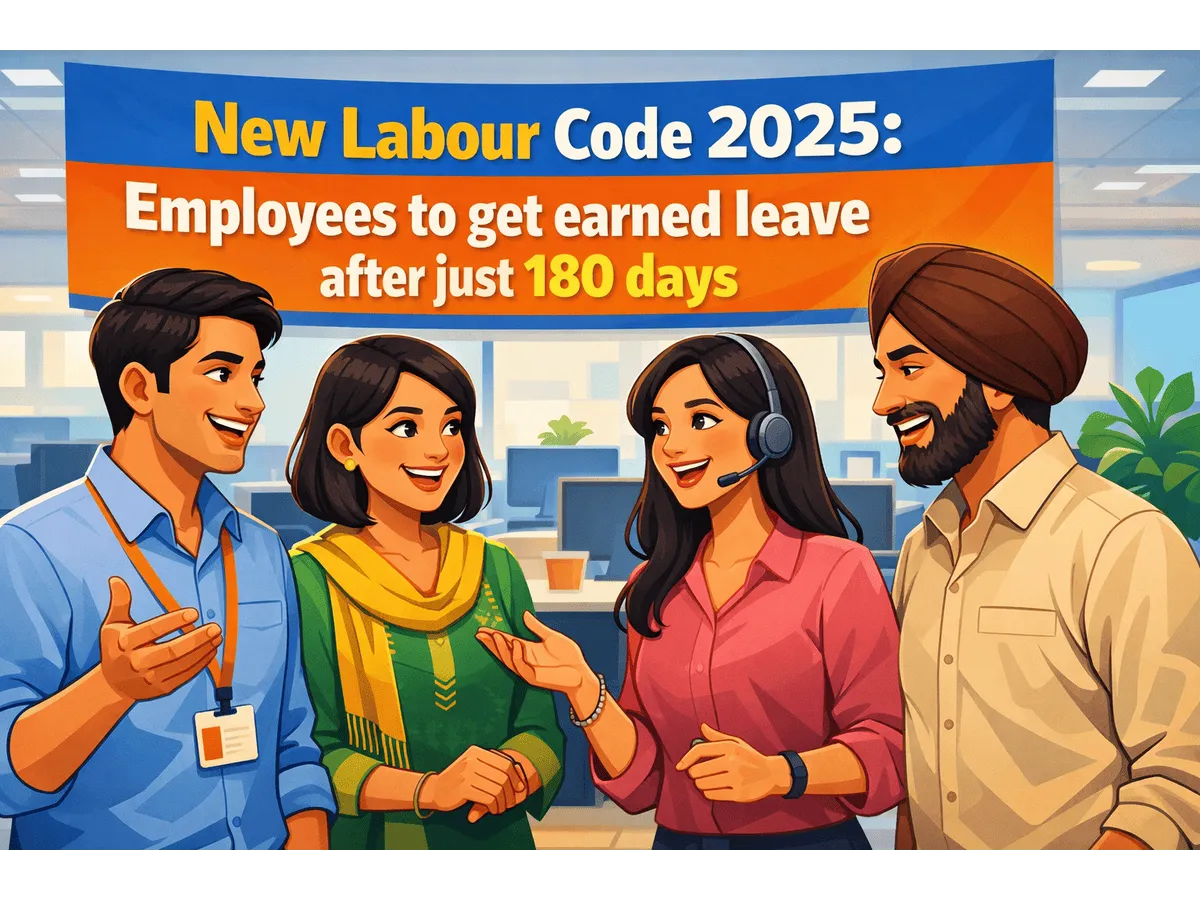
Under the Labour Code 2025, employees can claim earned leave after 180 days of work—much sooner than earlier practice. The law also adds annual encashment for unused leave, turning downtime into a monetary payout. However, the enhanced benefits exclude managerial or supervisory employees earning above Rs 18,000 per month.
Swipe through stories, personalise your feed, and save articles for later — all on the app.