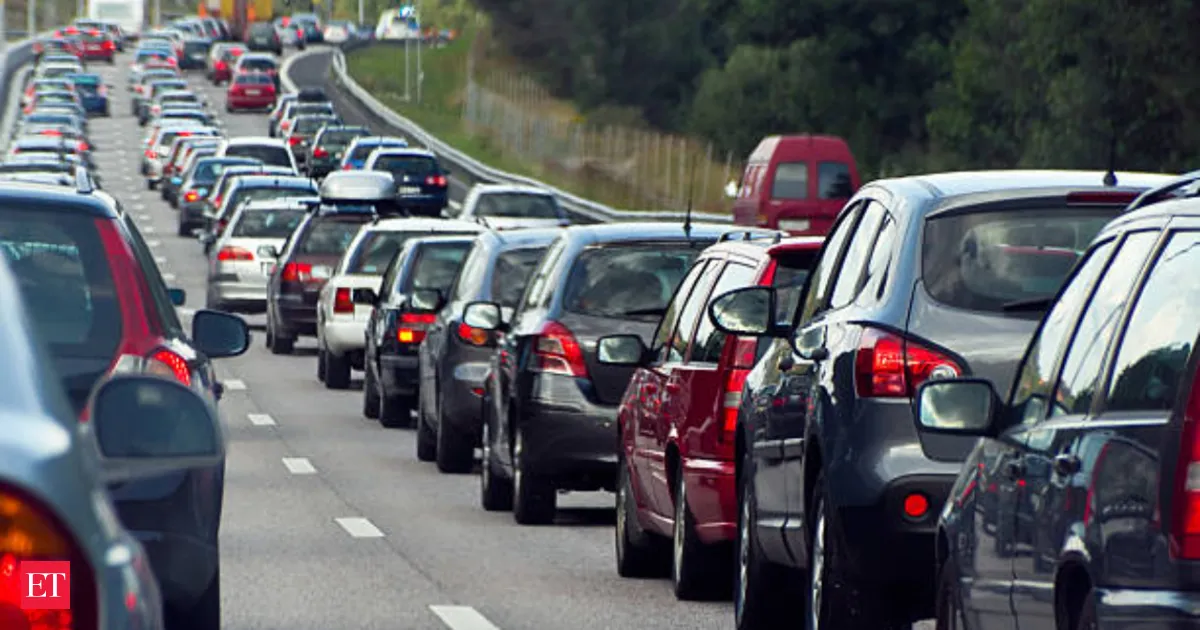
Road Transport and Highways Minister Nitin Gadkari said India’s Multi-Lane Free Flow (MLFF) tolling system will bring barrier-less toll collection that cuts operating costs to 3-4% from 12-15%. Speaking at the Mundka–Bakkarwala launch in Delhi, he cited expected annual fuel savings of about Rs 295 crore, lower travel time, improved logistics efficiency, and reduced carbon emissions by 81,000 tonnes.
Diesel engines still power many Indian SUVs thanks to torque and efficiency, but upcoming BS7 emission standards are expected to raise costs sharply. That may push buyers to reconsider diesel and explore alternatives like CNG, hybrids, or electric vehicles. Automakers are already expanding powertrain portfolios to match shifting regulations and customer preferences.
Your news, in seconds
Get the Beige app — every story in 60 words, updated hourly. Free on iOS & Android.
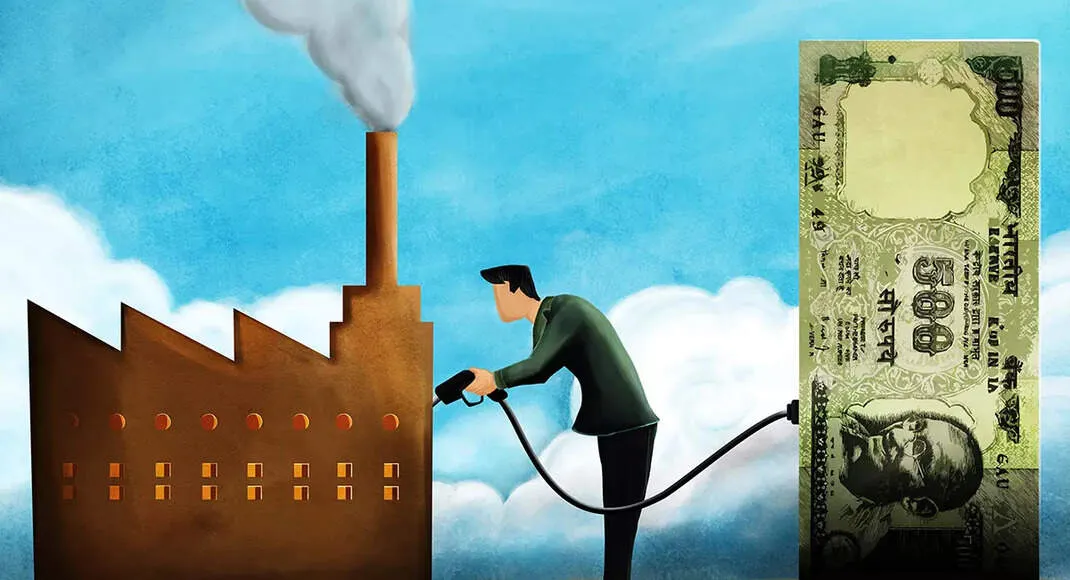
Facing heightened concerns over oil imports amid the US Israel conflict, India is weighing a stronger push toward higher ethanol blends to reduce foreign dependency. But the move isn’t cost free: scaling ethanol can raise ecological questions and stress food-linked resources. Policymakers must balance energy security with sustainability and affordability before expanding blends further.
Indian public-sector banks are highly exposed to climate risk because their lending is concentrated in energy, metals, and mining. While a few banks have started taking small steps, many still under-assess how climate change affects their portfolios and fail to manage the environmental impact of their operations—leaving deposits indirectly linked to rising emissions.
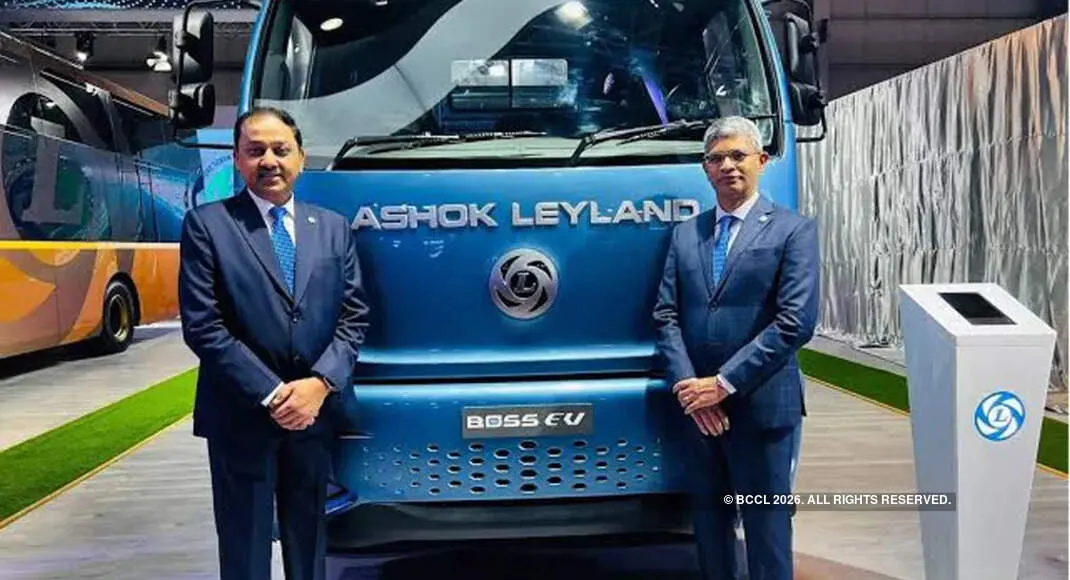
Tata and Ashok Leyland are urging a shift to zero-emission trucks, but the transition faces a hard economic reality in India. Trucks contribute over one-third of transport emissions, yet small fleet owners dominate the market and are unlikely to pay high upfront prices for electric or hydrogen vehicles. Weak policy, limited incentives, and financing gaps further slow adoption.
The UN says global emissions have hit a record high and current national pledges won’t prevent severe climate damage. Under present commitments, warming is projected to stay around 2.5C this century, far above the 1.5C target. Big polluters are being urged to make faster, deeper cuts to reverse the trajectory and “bend the curve.”
Never miss a story
Set alerts for the topics and sources you care about. Download Beige for free.
A Climate Analytics report warns that expanding carbon capture and storage across Asian countries could add about 25 billion tonnes of extra greenhouse-gas emissions by 2050. The analysis argues CCS could lock economies into fossil fuel dependence, while cheaper and lower-risk renewable options are available—raising new concerns about meeting the Paris Agreement’s 1.5°C warming limit.
The IEA reports that global emissions growth slowed in 2025, driven largely by rapid solar expansion in developing countries. While advanced economies saw emissions rise, the new solar capacity helped offset that increase. India recorded an emissions fall for the first time in typical economic conditions, China also cooled due to solar additions, but the United States bucked the trend with rising emissions.
As telecom networks evolve, the energy needed to run them—and the emissions linked to that power—can shift dramatically. While much of the telecom industry’s carbon footprint still comes from connected sectors, telcos cannot sit back. They’ll need to redesign operations and push for efficiency to limit how deep those mobile emissions go as demand grows.
The UN says countries’ current carbon-cutting pledges would only deliver about a 10% emissions reduction by 2035—well below what climate goals require. The report also notes it couldn’t build a full global picture because many nations failed to submit plans on time. China’s first absolute target to cut emissions by 7–10% is included in the estimate.
Reading on mobile?
Open Beige in the app for a smoother experience — free on iOS and Android.
Carbon dioxide removal (CDR) is increasingly under scrutiny because it is costly and treated like “invisible waste management” rather than an essential product. The result: few actors are willing to pay for a public good today, threatening long-term sustainability of carbon-removal efforts and potentially slowing climate progress.
India has approved ethanol and synthetic hydrocarbons to be blended into aviation fuel to lower emissions and reduce dependence on imported oil. The government did not set near-term blending targets, but it plans to add 1 percent sustainable aviation fuel to international flights by 2027. The step mirrors global aviation efforts toward carbon-neutral growth.
Swipe through stories, personalise your feed, and save articles for later — all on the app.