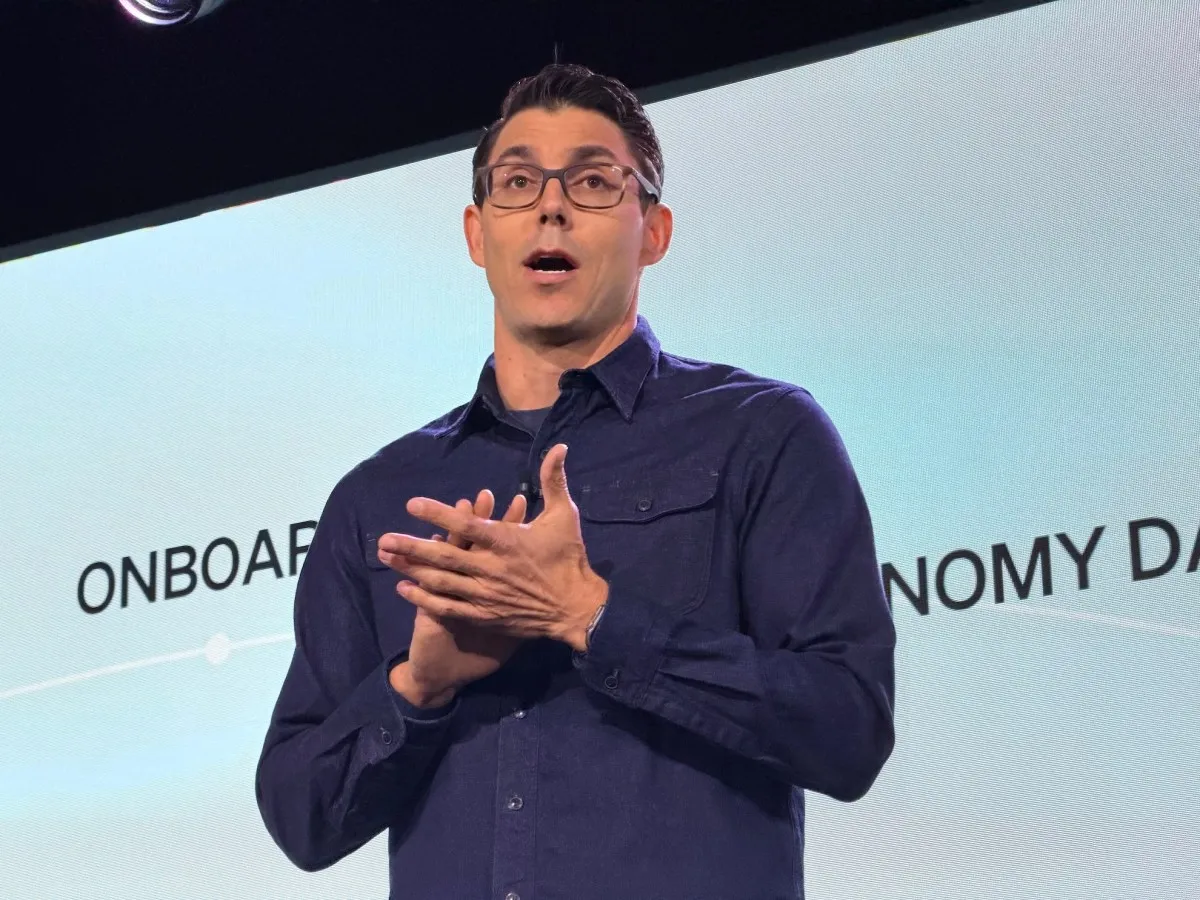
Serial founder RJ Scaringe has pulled in more than $12.3 billion across three startups in under a decade, with investors still lining up for his newest bet. His latest venture, Mind Robotics, just raised $400 million, following earlier momentum from his electric micromobility startup Also, which took in $105 million in 2025 and surpassed $300 million total. Partners say the edge is Scaringe’s rare talent for engineering plus product design, paired with crisp, credible storytelling that sells the idea, not the ego.
Dehradun and Mussoorie are seeing a heavy weekend rush even as Uttarakhand promotes “No Vehicle Day” and Modi urges fuel conservation. Data from the Asharodi check post shows 14,218 vehicles entered Dehradun by midnight last Friday, already topping 12,019 by 8 PM the same day. Officials can be seen observing the initiative, but highway traffic suggests otherwise. The state links the move to fuel-supply pressure from global crises, and pairs it with public transport push and plans for stronger EV policy.
Your news, in seconds
Get the Beige app — every story in 60 words, updated hourly. Free on iOS & Android.
The Hinduja family has reclaimed the top spot on the 2026 Sunday Times Rich List, led by brothers Sanjay and Dheeraj Hinduja with an estimated £38 billion for a fifth straight year. Their rise continues despite global headwinds and follows the death of their father, Gopichand Hinduja, in November. The Sunday Times credits performance across the group, while noting Ashok Leyland’s near 40% share surge and IndusInd’s 14% gains. Foreign residents reshuffled the rankings amid UK tax changes.
The Union government has extended timelines for a global tender under a Rs 7,280-crore scheme aimed at boosting domestic manufacturing of sintered rare earth permanent magnets. Bid submission now ends on June 29, up from May 28, while technical bids will be opened on June 30, 2026 instead of May 29. The response to bidder queries will be issued on June 9. Approved by the Cabinet in November 2025, the programme targets 6,000 MTPA of integrated magnet capacity, cutting import dependence across EVs, wind, electronics, and defence.
London-based Lightrock has launched Accelerate7, a $500 million private equity fund aimed at scaling companies tackling energy access and clean cooking across South Asia, Southeast Asia and Sub-Saharan Africa. The fund will invest $10 million to $50 million in growth-stage businesses focused on electricity access, electric mobility, energy storage and clean cooking. Accelerate7 is backed by investors and energy firms including Shell, TotalEnergies and Equinor, and has already backed SolarSquare, Sun King, Euler Motors and ATEC Global.
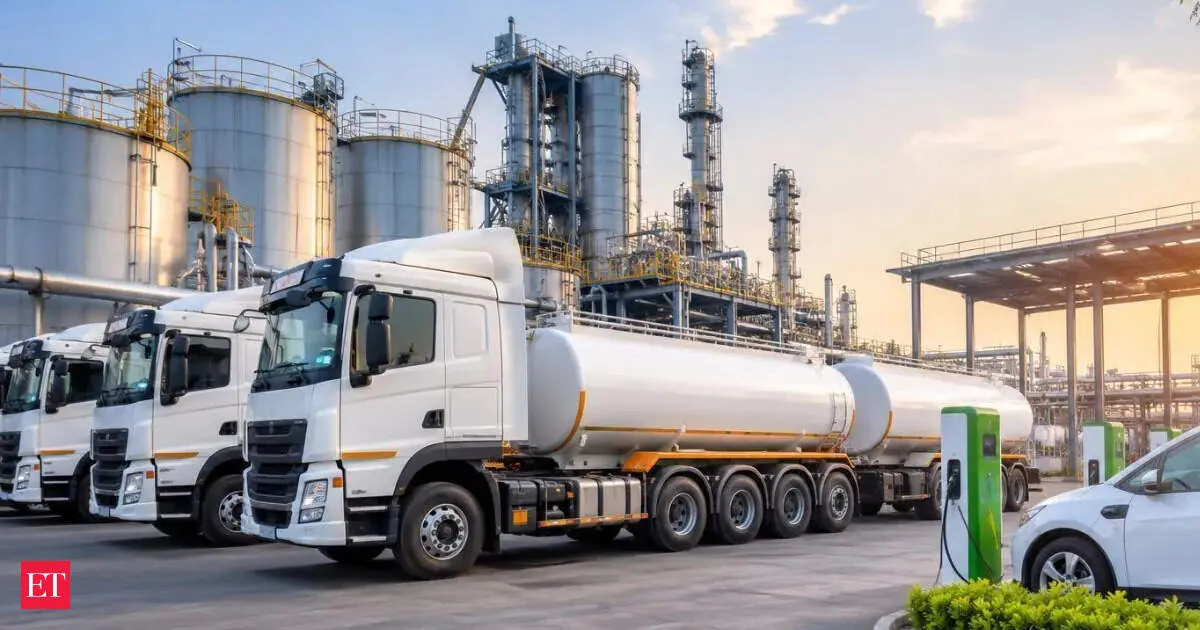
Chemical logistics firm A-1 Ltd plans to expand its fleet by adding 10 multi-axle tankers as it targets a “multi-vertical green enterprise” by 2028. The Gujarat-based company reported consolidated revenue of Rs 342.91 crore in FY26, up 3.44% from FY25, and a 32.5% jump in revenue in the March quarter. Profit stood at Rs 4.36 crore. Growth was supported by supply pacts including a 10,000 MT nitric acid agreement and a Rs 127.50 crore industrial urea order, alongside moves into electric mobility.
Never miss a story
Set alerts for the topics and sources you care about. Download Beige for free.
India’s biggest companies are fast-tracking green logistics after the Prime Minister urged reduced fossil fuel use. PepsiCo is expanding its EV Green Corridor beyond the Kosi-Pataudi route, targeting close to 30% of plant-to-warehouse shuttles to run on electricity by year-end. Maruti Suzuki plans to send up to 35% of factory-to-dealership vehicle dispatches via rail by FY2030-31, investing over ₹1,370 crore in rail infrastructure. Hindustan Unilever has shifted over 97% of operational energy to renewables, while Dabur increases EV fleets and triples rail utilization.
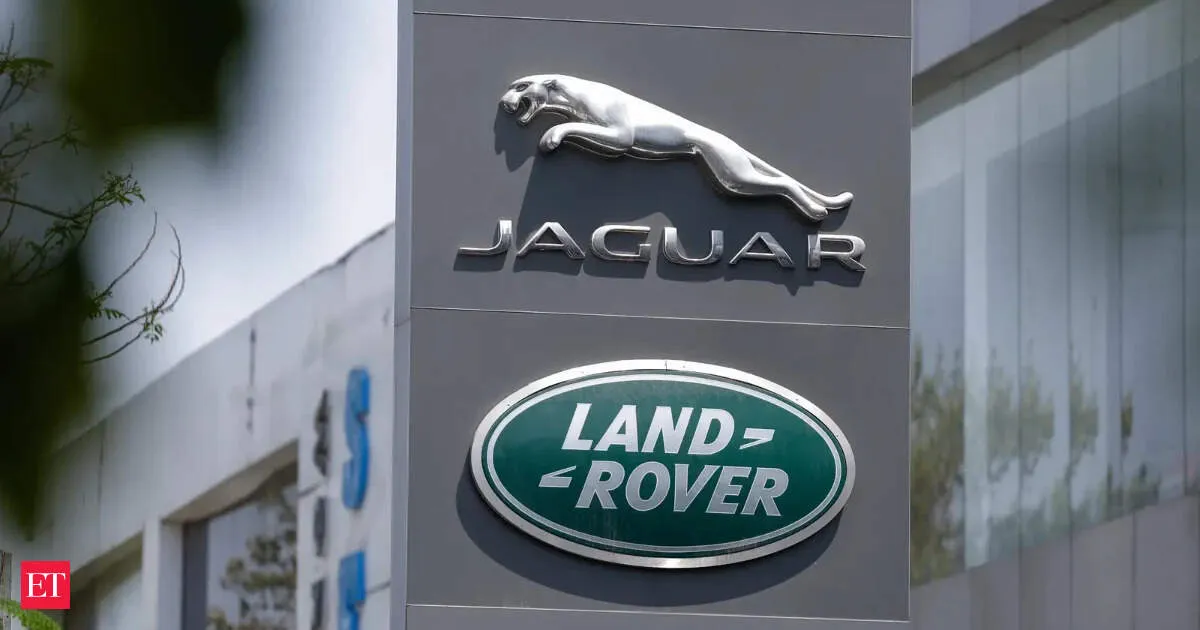
Jaguar Land Rover’s nearly wiped-out profit paints a harsh picture for the British luxury automaker. For the 12 months through March, pretax profit fell to just £14 million from £2.5 billion a year earlier, hit by new US tariffs, weaker luxury demand in China, and a cyberattack that halted production for weeks starting last September. While it returned to profit in the latest quarter, JLR is now rebooting with a fully electric lineup, including a new electric Jaguar and Range Rover deliveries later this year.
China is forecasting a further drop in gasoline demand as oil prices climb amid the war involving Iran, with GL Consulting projecting consumption to fall 5.5% this year. The estimate is revised lower from 5.2% and would mark the second-largest contraction on record, only behind 2022’s collapse during strict COVID lockdowns. Other analysts echo the trend, with the International Energy Agency expecting gasoline demand to slow “to a crawl” and drop by roughly 60,000 barrels per day in the current quarter.
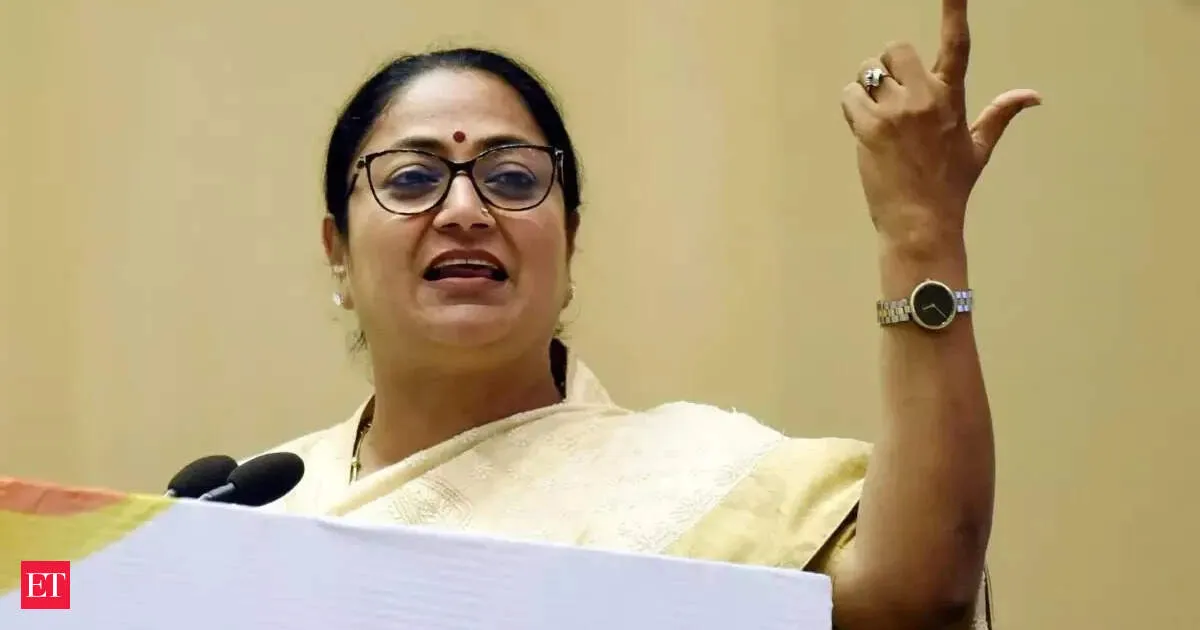
Delhi Chief Minister Rekha Gupta has cut her official convoy size by about 60%, using only four vehicles and including two electric cars, while operating with reduced security amid West Asia tensions. Lieutenant Governor Taranjit Singh Sandhu also used EVs and urged metro, carpooling, and public transport for energy security and greener air. Gupta announced Metro commute for ministers every Monday, two-day weekly WFH for government offices, a voluntary no-vehicle day, reduced petrol-diesel quotas, and cancelled foreign visits for a year.
Reading on mobile?
Open Beige in the app for a smoother experience — free on iOS and Android.
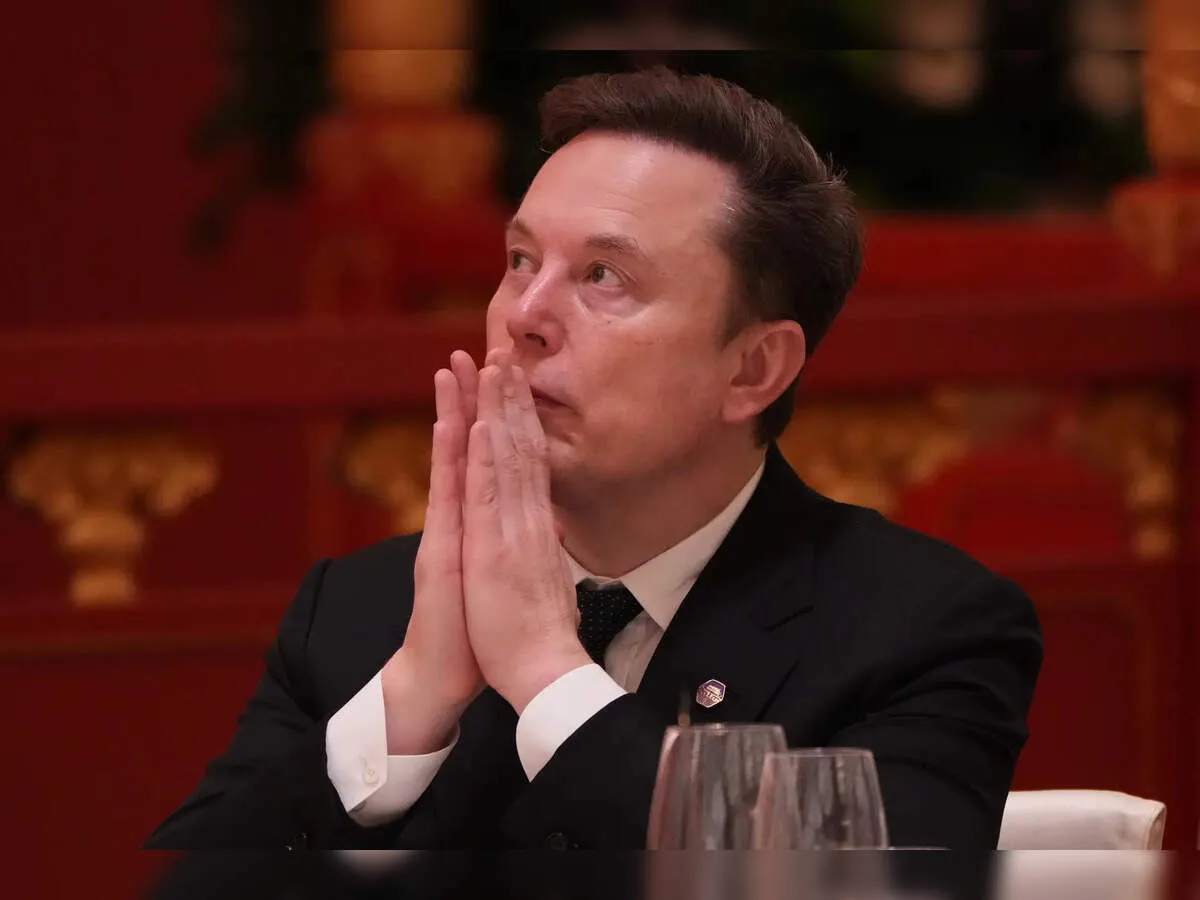
Elon Musk arrives in China for a summit tied to US President Donald Trump and meets Xi Jinping amid a complicated mix of praise and backlash. Tesla’s tech leadership still inspires competitors as sales near 626,000 units, with China contributing about a fifth of revenue. Yet Musk also faces regulator and public criticism over customer complaints, while SpaceX’s Starlink alarms Beijing’s military planners. Musk must navigate intensifying domestic EV competition and China’s shifting security priorities.
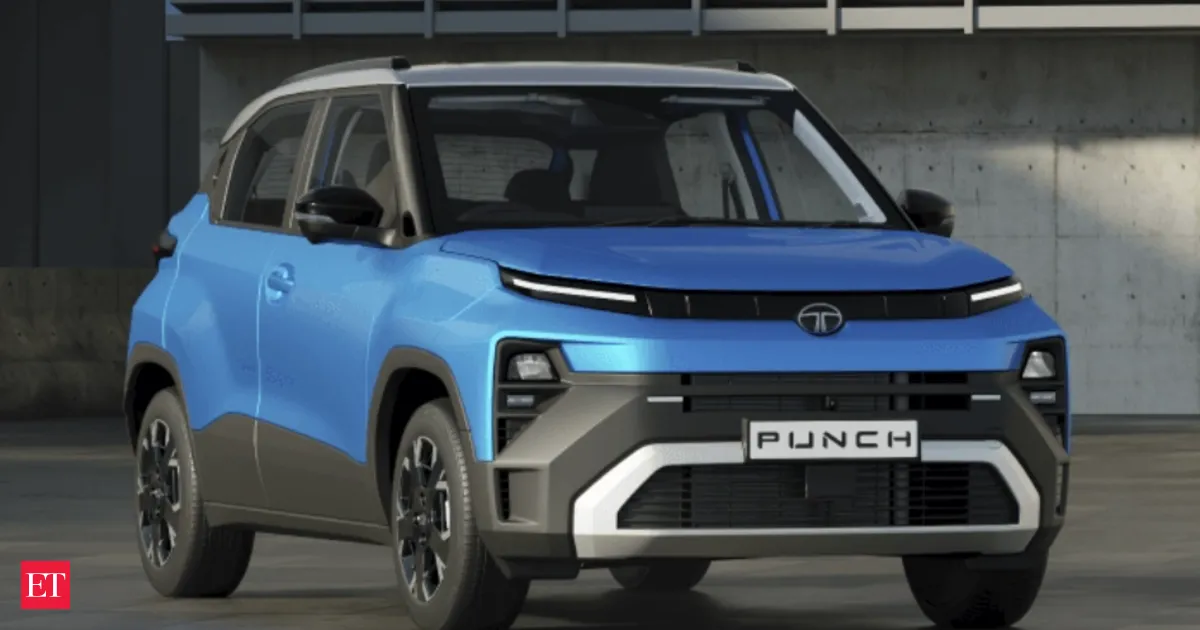
Tata Motors Passenger Vehicles expects India’s passenger vehicle market to grow around 10% in FY27, citing steady demand even as West Asia conflict and the risk of higher petrol and diesel loom. TMPV CEO Shailesh Chandra said any fuel-driven price shock could hit entry-level sales, but may also shift buyers toward CNG and electric vehicles rather than derail momentum. He pointed to strong April-May demand, improved inquiry-to-purchase conversion in May, and said product plans remain unchanged despite rising commodity costs.
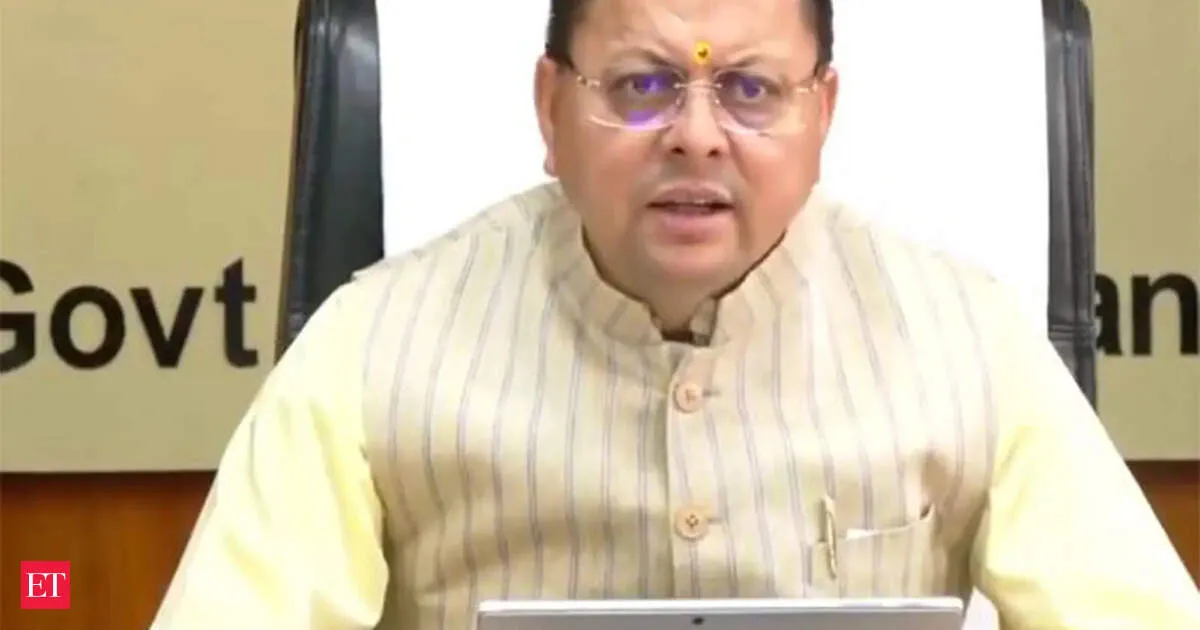
Uttarakhand’s cabinet, chaired by Chief Minister Pushkar Singh Dhami, has approved work-from-home arrangements and a weekly no-vehicle day to reduce fuel consumption. The government will also cut the chief minister’s and all ministers’ vehicle fleets by half. A new electric vehicle policy will be introduced to push sustainable transport across the state.
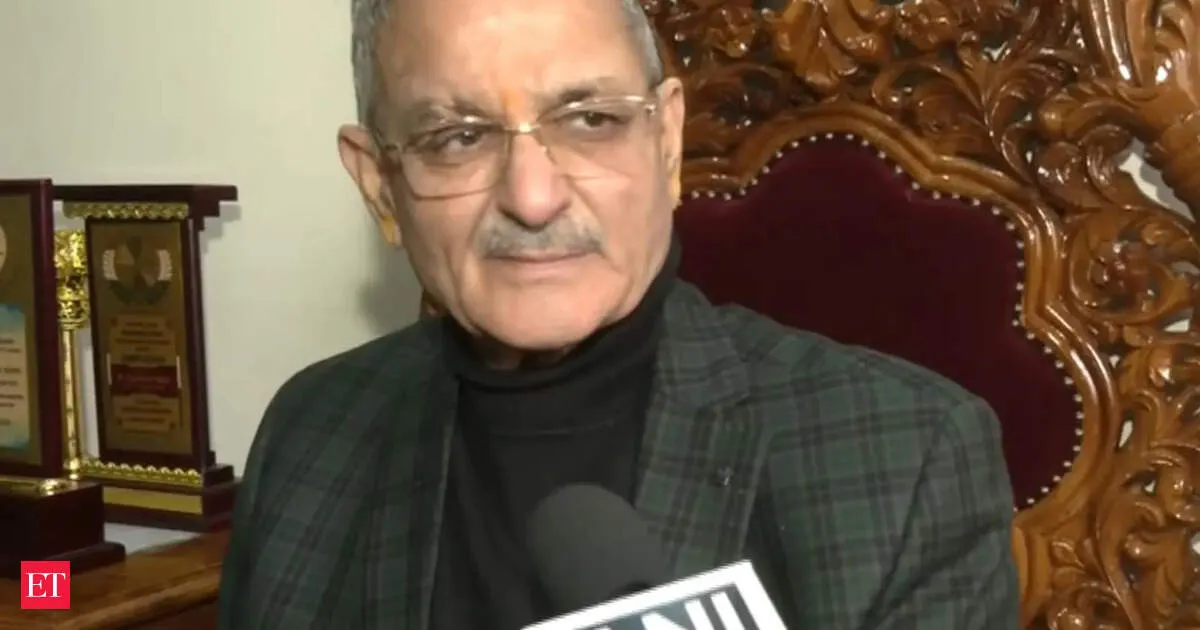
Himachal Governor Kavinder Gupta has declared Lok Bhawan a Fuel Conservation Zone. Official vehicles that run on imported fuel will not operate on Sundays, and the Governor will skip using his official vehicle one day each week in favour of electric transport or carpooling. Non-essential meetings will be moved online to cut fuel consumption further.
Follow your favourite sources
Track sources, tags and categories — all in the Beige app.
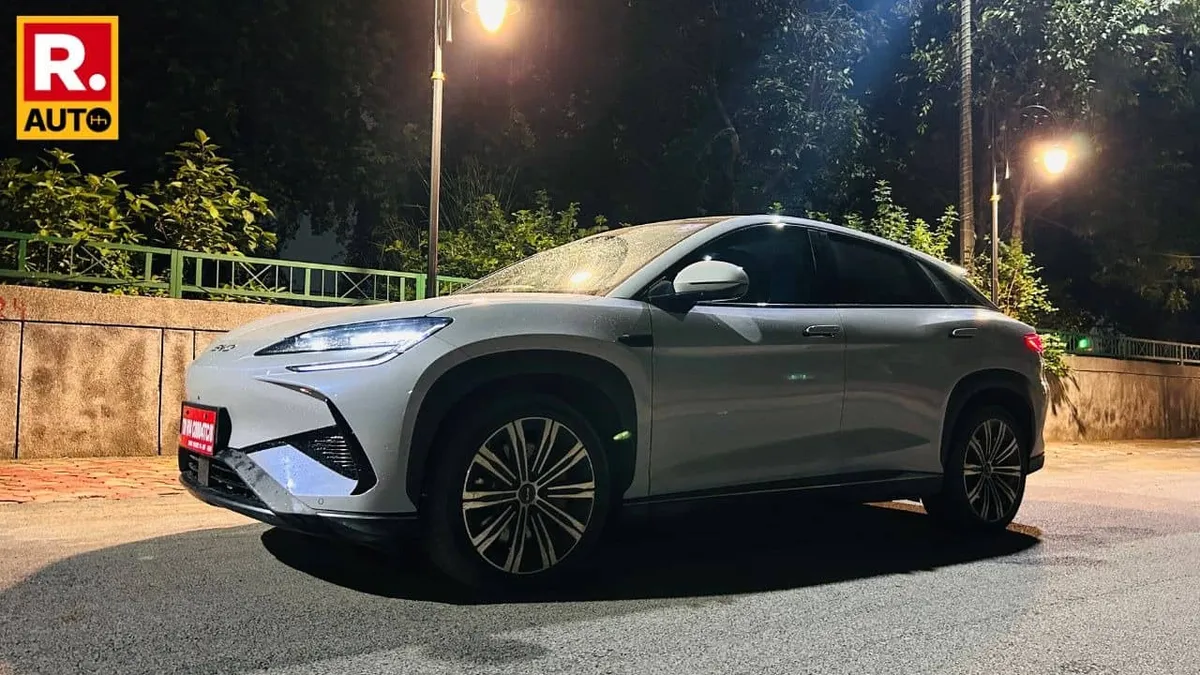
BYD India has announced revised pricing for its electric passenger vehicle lineup effective July 1, 2026. The company says the change will vary by model and variant, ranging from about 1% to 2%. The hike will apply across popular models including the Atto 3, Seal, and Sealion 7, making new purchases costlier soon.
Bihar has approved amendments to its EV policy with a bold goal: electric vehicles should account for 30% of new vehicle sales by 2030. The state plans incentives for electric commercial vehicles, two-wheelers, and four-wheelers, alongside building charging infrastructure. It’s also launching an Artificial Intelligence Mission aimed at driving innovation and skills.
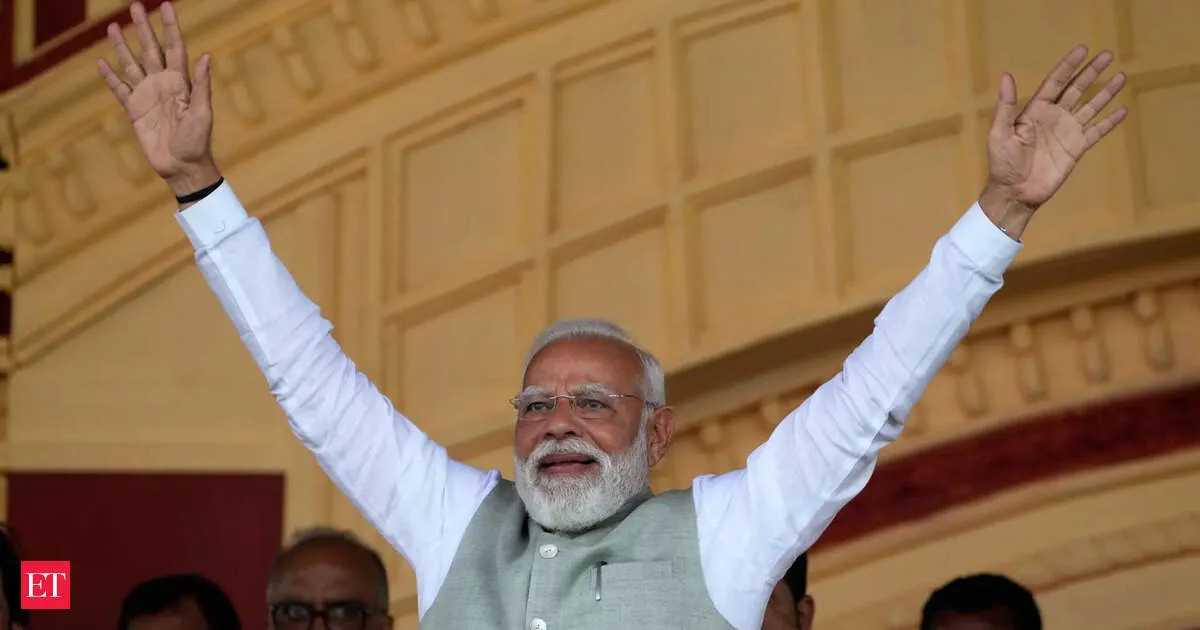
Prime Minister Narendra Modi has directed the Special Protection Group to cut his official convoy vehicles by nearly half, signaling a wider government austerity drive. The order also pushes for greater use of electric vehicles and is prompting officials to explore additional fuel-saving steps such as metro travel and carpooling across ministries.
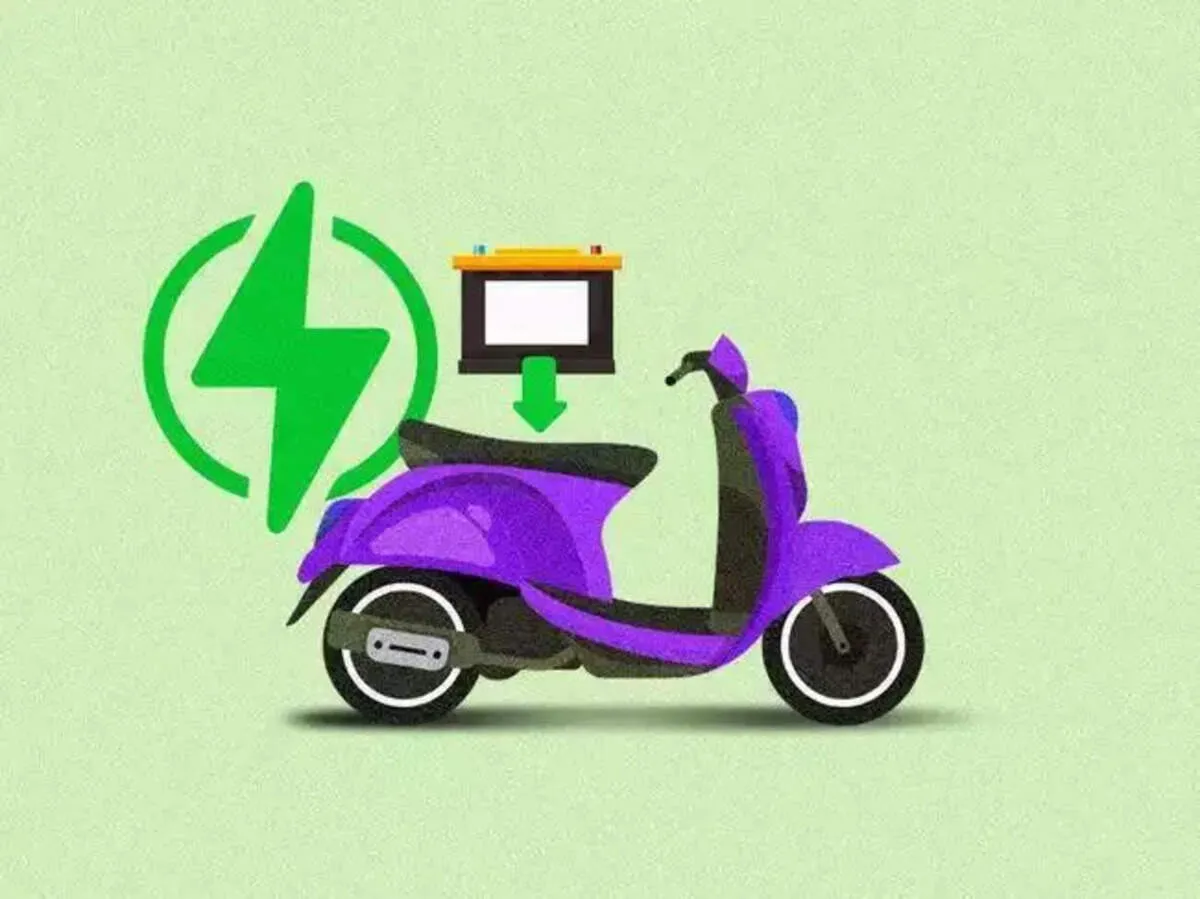
Electric two wheeler makers are bracing for margin pressure and possible price hikes as raw material costs jump and supply chains stay disrupted. Geopolitical tensions are intensifying the hit on critical inputs like lithium ion cells. At the same time, rising global demand for AI infrastructure is tightening memory chip availability, leaving manufacturers scrambling and raising costs.
Stay informed on the go
Bite-sized news from 100+ trusted sources, right in your pocket.
Electric two-wheeler companies are moving toward higher prices as costs rise and supplies get disrupted. Firms including Bajaj Auto, Hero MotoCorp and Ather Energy cite expensive raw materials and lingering supply chain constraints. The surprise pressure comes from demand for AI infrastructure, which is affecting availability of certain critical components for EV production, likely hitting consumers soon.
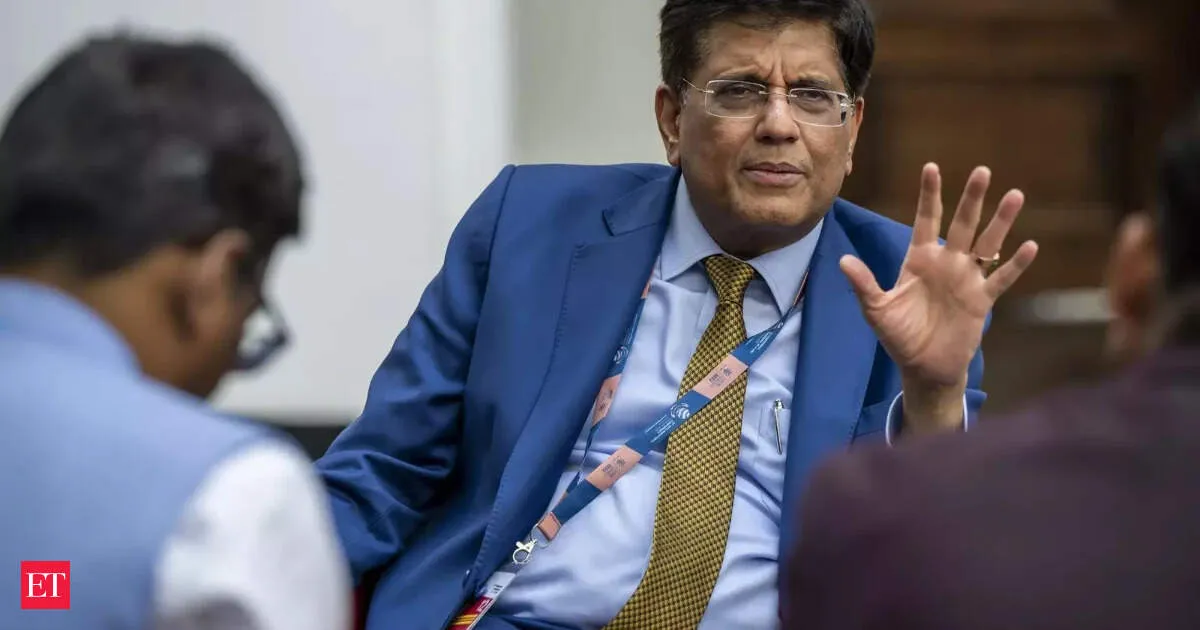
Commerce and Industry Minister Piyush Goyal called the West Asia crisis a wake-up call for Indian industry, urging firms to cut import dependence and improve efficiency through indigenous design and manufacturing. He also pushed for faster electric vehicle adoption, saying it can help reduce oil bills amid global instability, while strengthening long-term economic resilience.
Swipe through stories, personalise your feed, and save articles for later — all on the app.