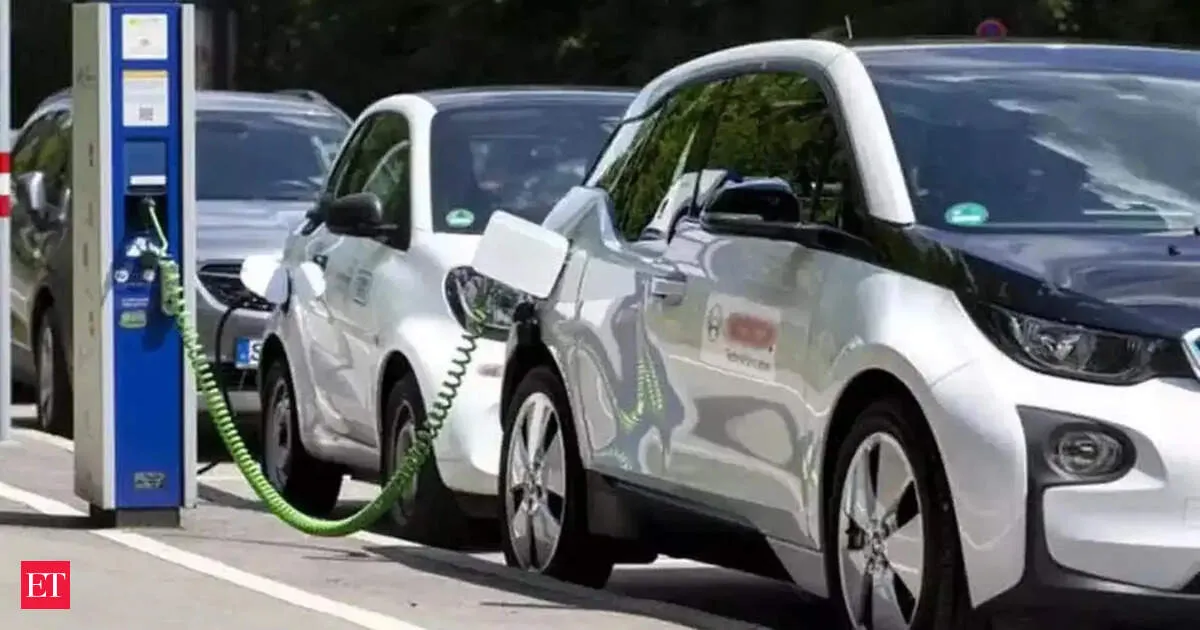
PE firm Lightrock is launching its $500 million, energy-focused fund Accelerate7, aiming to back growth-stage startups across Southeast Asia, South Asia, and Sub-Saharan Africa. Lightrock expects a meaningful allocation to India, targeting companies advancing UN SDG 7 through energy storage, electric mobility, sustainable energy transition, energy financing, and related enabling tech. The fund will invest $10–$50 million per startup, backed by a requirement for commercial viability and regular impact reporting. It has already invested in Euler Motors and SolarSquare.
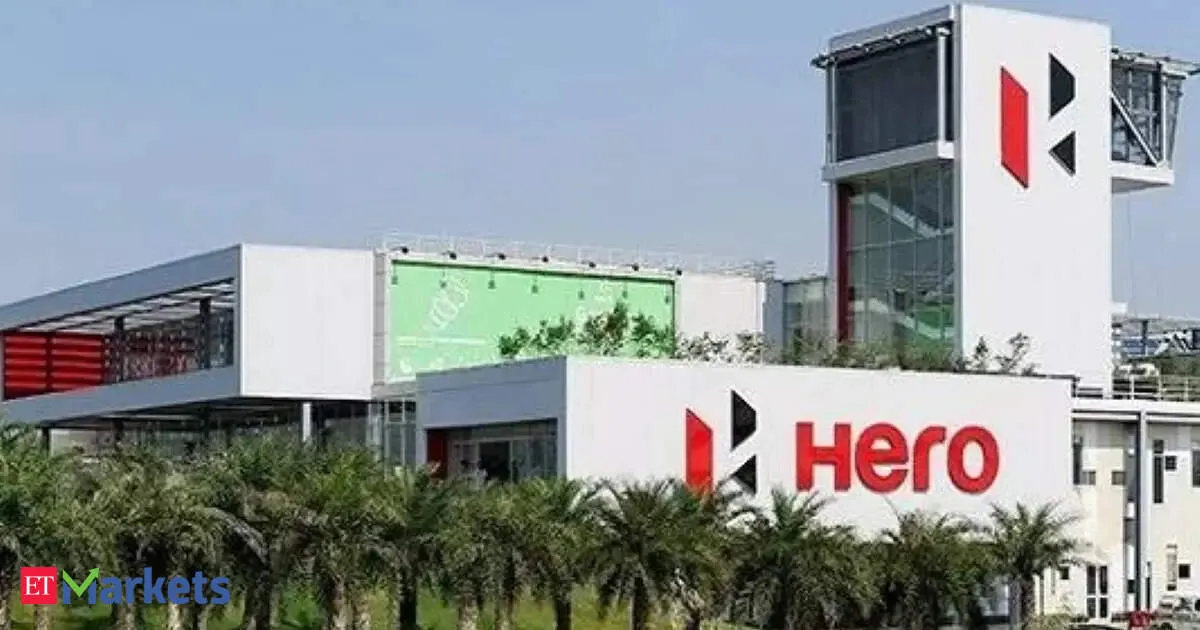
Hero MotoCorp shares gained around 2% after the company posted record Q4 FY26 revenue and profit, supported by strong volumes, premium launches and momentum in electric mobility. Still, Goldman Sachs sees potential 16% downside, citing risks around commodity inflation, supply-chain stability and whether FY27 market-share trends can hold despite the improved quarter.
Your news, in seconds
Get the Beige app — every story in 60 words, updated hourly. Free on iOS & Android.
Mercedes-Benz India’s chief says the automaker’s EV push is set to speed up, with a slate of new electric models planned for the next 18 to 20 months. The company aims to expand its EV presence across multiple segments, signaling a broader strategy to meet India’s growing demand for sustainable mobility.
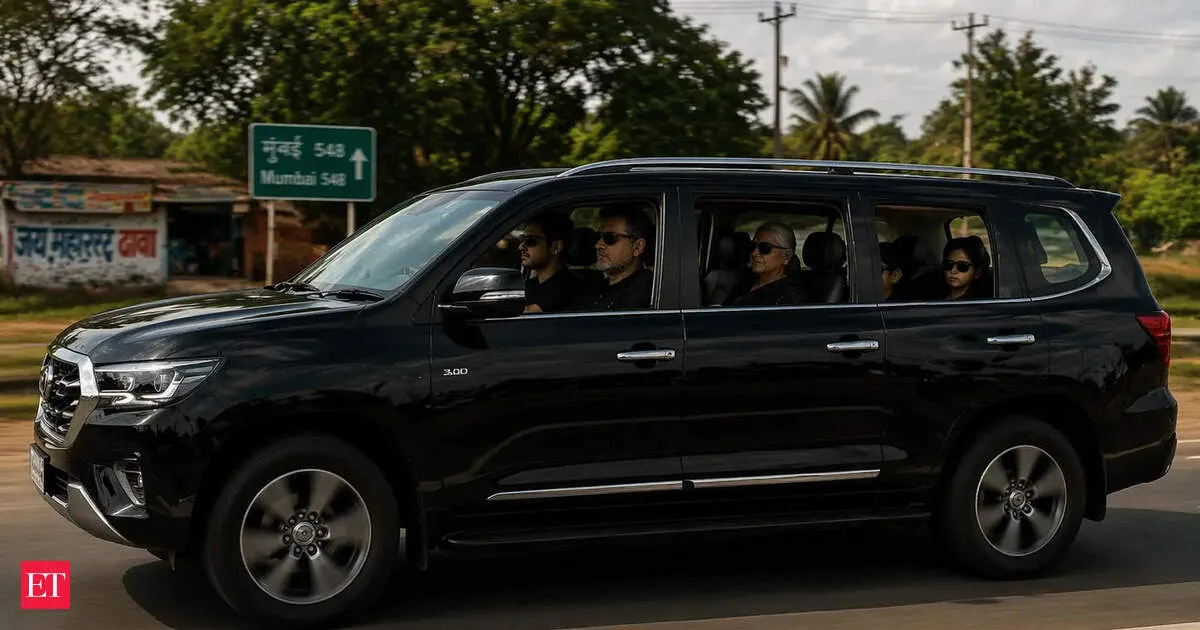
India’s EV race is shifting from commuting to family comfort as more seven-seater electric models enter the market. Brands including VinFast, Mahindra and Mahindra, BYD, JSW MG, and Kia are targeting affluent city buyers who want spacious rides without sacrificing efficiency. The push signals a new battleground: value, comfort, and eco-friendly convenience for everyday journeys.
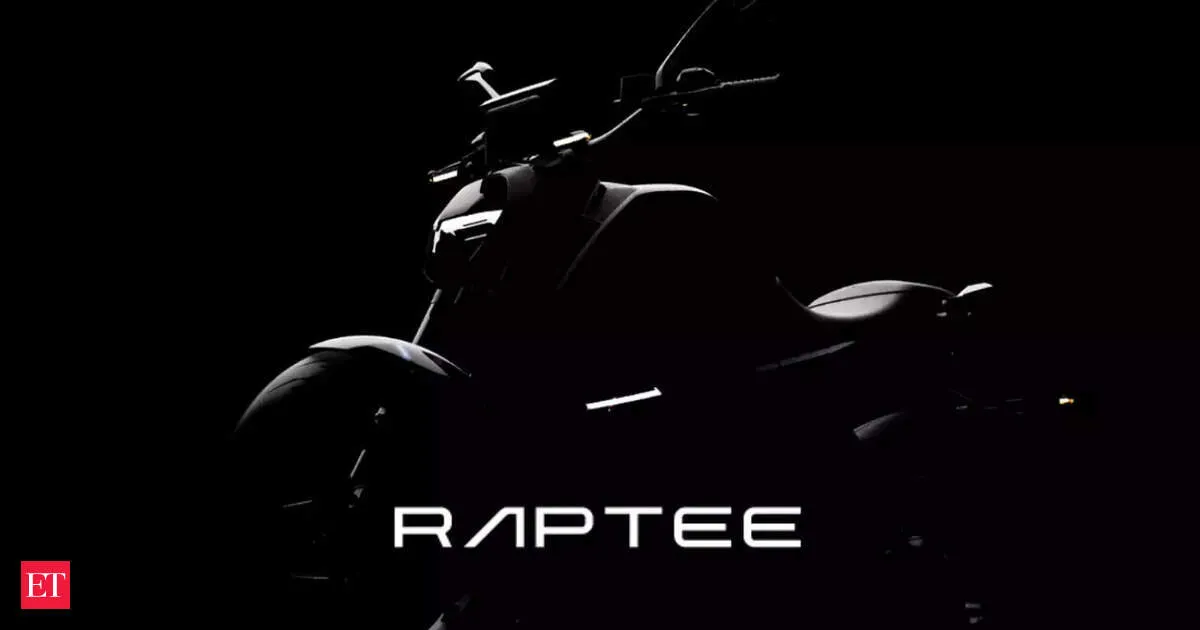
Tamil Nadu Industrial Development Corporation (TIDCO) will invest ₹25 crore each in space-tech startup AgniKul Cosmos and electric mobility firm Raptee Energy. The move kicks off TIDCO’s Startup Investment Policy 2025, designed to deepen the state’s startup financing ecosystem. TIDCO is also rebranding itself as a venture catalyst to back future growth sectors.
Delhi’s draft Electric Vehicle Policy 2.0, shaped around a “citizen-first approach,” proposes purchase and scrappage incentives to speed up the shift to electric mobility. The key offer is 100% exemption from road tax and registration fees for EVs priced below Rs 30 lakh, targeting middle and lower-income buyers with less upfront financial burden.
Never miss a story
Set alerts for the topics and sources you care about. Download Beige for free.
Swipe through stories, personalise your feed, and save articles for later — all on the app.