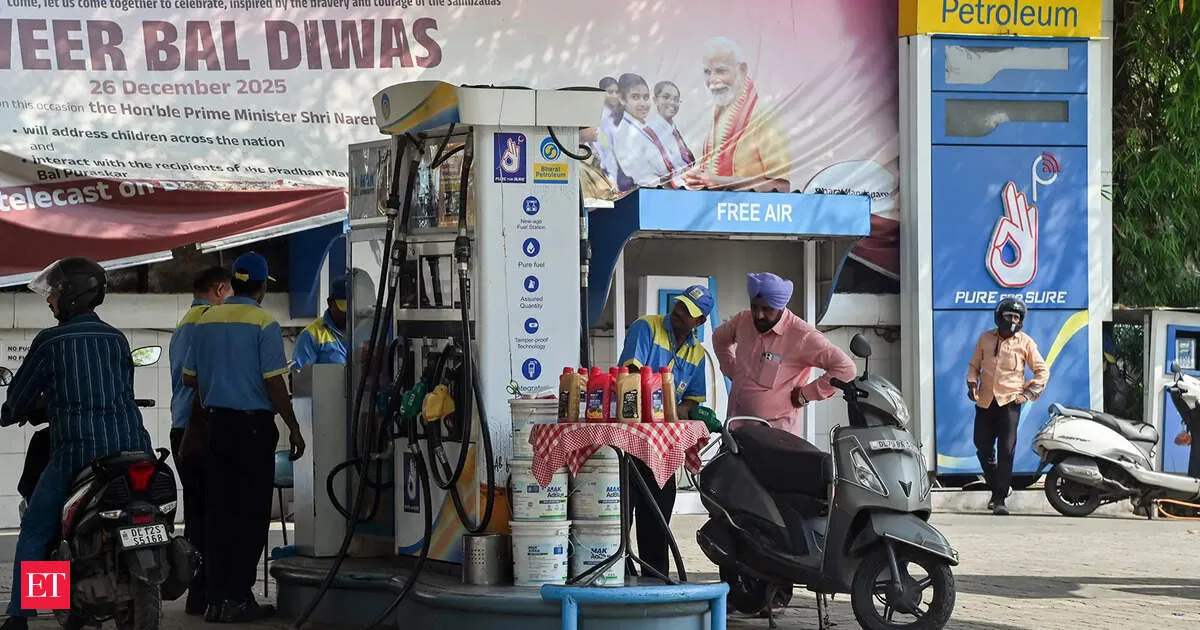
New York Sugar Week ended amid near five-year lows, but traders are watching two volatile levers: Brazilian fuel economics and El Niño’s potential hit to India’s cane. With Brazil’s large crops already pressuring raw sugar, mills may shift cane toward gasoline-related ethanol, depending on the “sugar mix.” Estimates range as low as 45% versus last year’s 50.4%. Petrobras has held gasoline prices steady despite broader gains, affecting ethanol demand. Separately, El Niño-driven dryness could influence India output, at a time when exports are already curtailed and restrictions are debated for 2026-27.
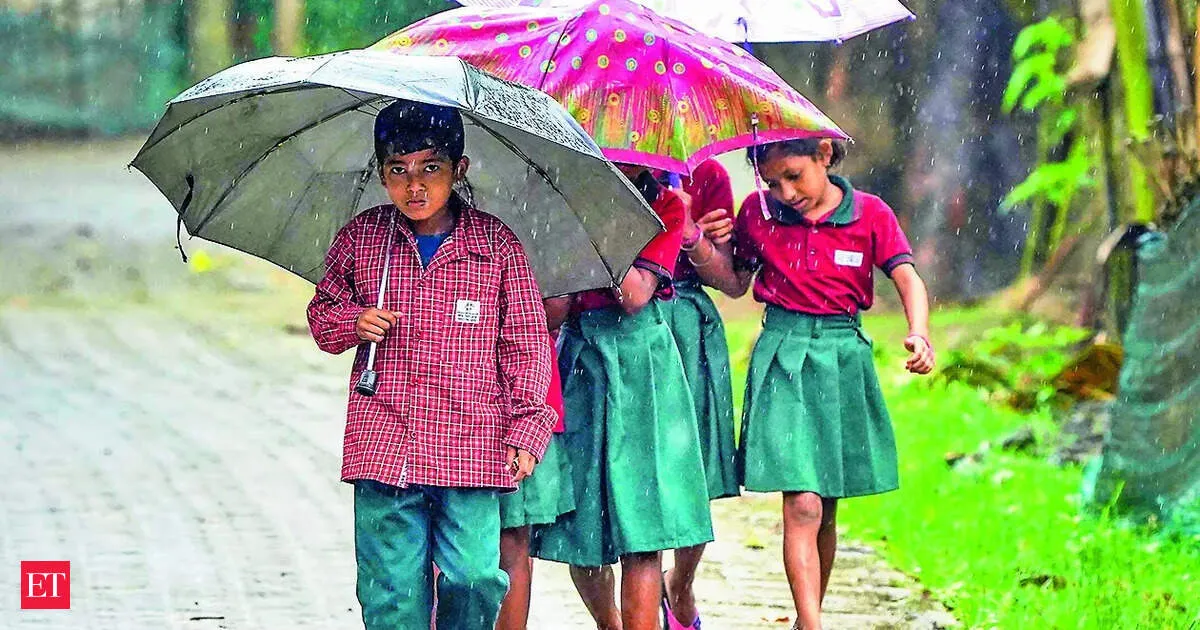
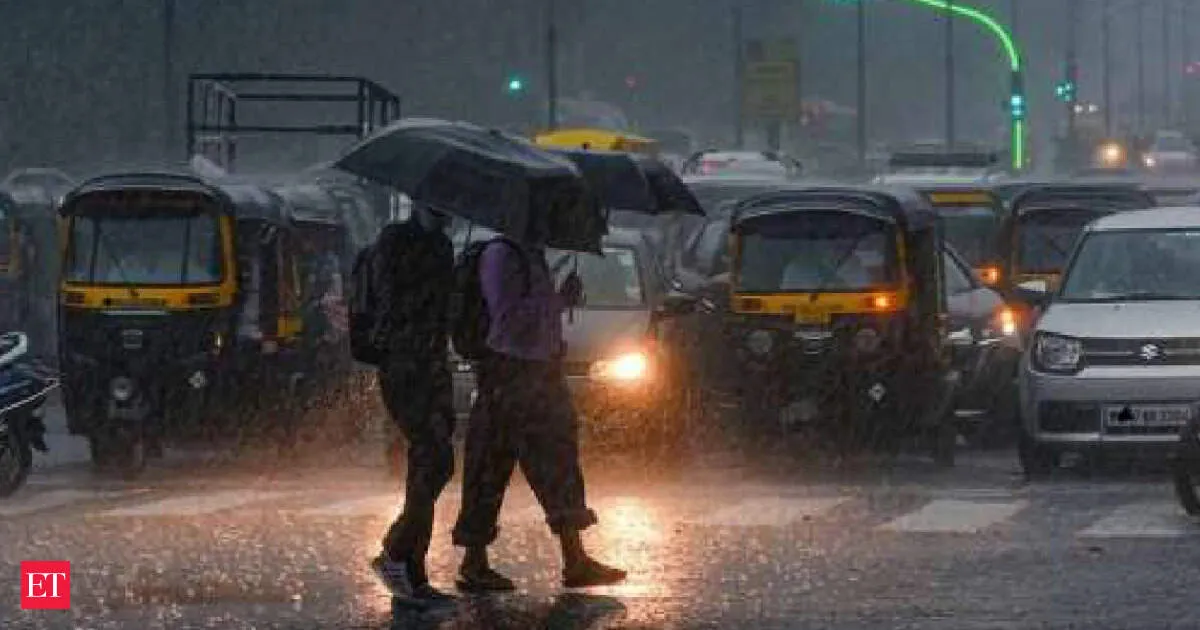
India’s southwest monsoon is expected to begin over Kerala on May 26, six days earlier than the normal June 1 date, according to IMD. The early onset matters because it kickstarts sowing of kharif crops such as rice, pulses, oilseeds, cotton and sugarcane. But the season comes with a warning: IMD forecasts 2026 rainfall at 92% of the long-period average, citing El Nino concerns. Meanwhile, heatwave to severe heatwave conditions persist over northwest and central India.
Your news, in seconds
Get the Beige app — every story in 60 words, updated hourly. Free on iOS & Android.
Forecasters are warning that a powerful Super El Niño could form in 2026, following the decline of current La Niña conditions. Reports cite around a 70% chance of El Niño developing by June, with major climate agencies linking El Niño to higher global temperatures and major weather disruption. If a super event emerges, experts fear India’s monsoon could weaken, with rainfall potentially falling to about 92% of the long-period average, straining agriculture worldwide and fueling food inflation.
The India Meteorological Department (IMD) expects the Southwest Monsoon to set in over Kerala on May 26, about five days ahead of its usual June 1 onset. IMD says the timing could shift up to four days earlier or later. Favourable conditions are already building over the south Bay of Bengal, the Andaman Sea, and the Andaman and Nicobar Islands, where the monsoon typically begins around May 20. IMD also projects seasonal rainfall of 80 cm versus a long-term average of 87 cm, citing El Nino.
India has prohibited sugar exports until September 30, a move expected to free 4-5 lakh tonnes for domestic consumption. The government cites El Nino risks that could affect 2026-27 production, aiming to strengthen next year’s buffer stock. But the abrupt export stoppage may squeeze sugar mill liquidity, especially as mills need cash for high cane payment schedules in Maharashtra and Karnataka. Overseas demand had surged after longer Brazil shipping times, and recent export volumes had jumped sharply.
Bank of Baroda says India’s inflation outlook for FY27 faces rising risks despite currently low CPI and stable core inflation. Higher fuel prices can ripple into food costs, while heatwaves and global patterns like El Nino could further strain crop output. The bank urges close monitoring of food inflation as energy and weather shocks build.
Never miss a story
Set alerts for the topics and sources you care about. Download Beige for free.
Record wildfires are spreading across Africa and Asia, with scientists warning that conditions could worsen as summer peaks and El Nino strengthens. The combination of climate change and El Nino may trigger unprecedented weather extremes. In Africa alone, land burned is already up 23% compared with the previous record, raising alarms over heat, drought, and fire risk.
The Brihanmumbai Municipal Corporation (BMC) has ordered a 10% cut in Mumbai’s water supply starting May 15. The decision follows a sharp fall in the city’s seven lakes to 23.5%, driven by rising temperatures and growing worries that the monsoon could arrive late and below average. The BMC linked the outlook to El Nino conditions.
Asia is bracing for a fresh inflation wave as heat and dry weather intensify food price pressures under El Nino. The threat lands on top of existing oil price shocks, squeezing already-stressed economies. Countries including the Philippines and Pakistan are seeing high inflation now, and further price hikes are expected in the coming quarters as El Nino strengthens later this year.
India faces an intense summer as persistent heat waves push power grids to the brink. With demand rising and energy shortages widening, warmer temperatures are degrading night-time electricity availability—triggering blackouts and disruptions. Authorities also warn that El Nino could intensify stress during the monsoon, raising outage risks even beyond summer.
Reading on mobile?
Open Beige in the app for a smoother experience — free on iOS and Android.
The Iran war is rippling through global rice markets, unsettling both major exporters and key importers. Farmers and traders in Thailand and Vietnam report disruption alongside growing weather pressures from El Nino, while countries dependent on imports such as the Philippines and Indonesia brace for tighter supplies. The result could be renewed price pressure as shipments and demand realign.
India is set for a mixed May, with IMD projecting above-normal rainfall nationwide. While maximum temperatures in many regions may stay normal to below normal, southern peninsular areas could see hotter days. Warmer nights are expected across the country, and IMD has flagged possible heatwave conditions in specific pockets, even as rains increase.
India’s inflation outlook is under pressure as forecasters expect a below-average monsoon and rising El Niño risk. Cooler and uneven rains could curb agricultural output, tightening supplies and pushing food prices higher even if buffer stocks offer partial cover. The next rainfall cycle is poised to be a key swing factor for whether inflation stays contained or accelerates in the coming months.
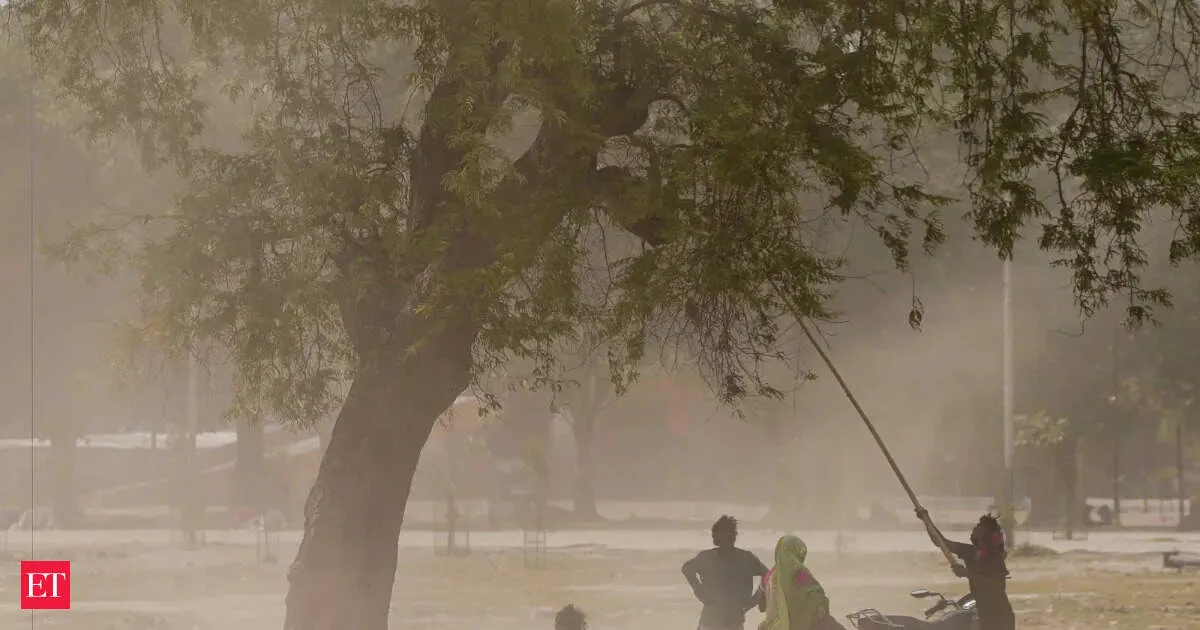
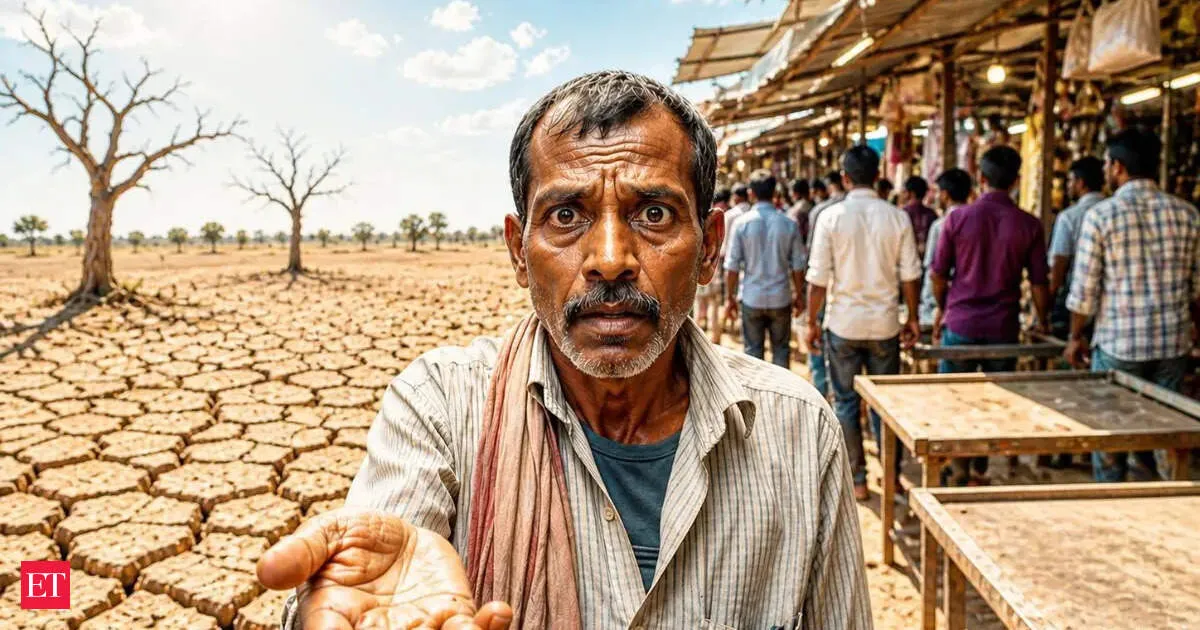
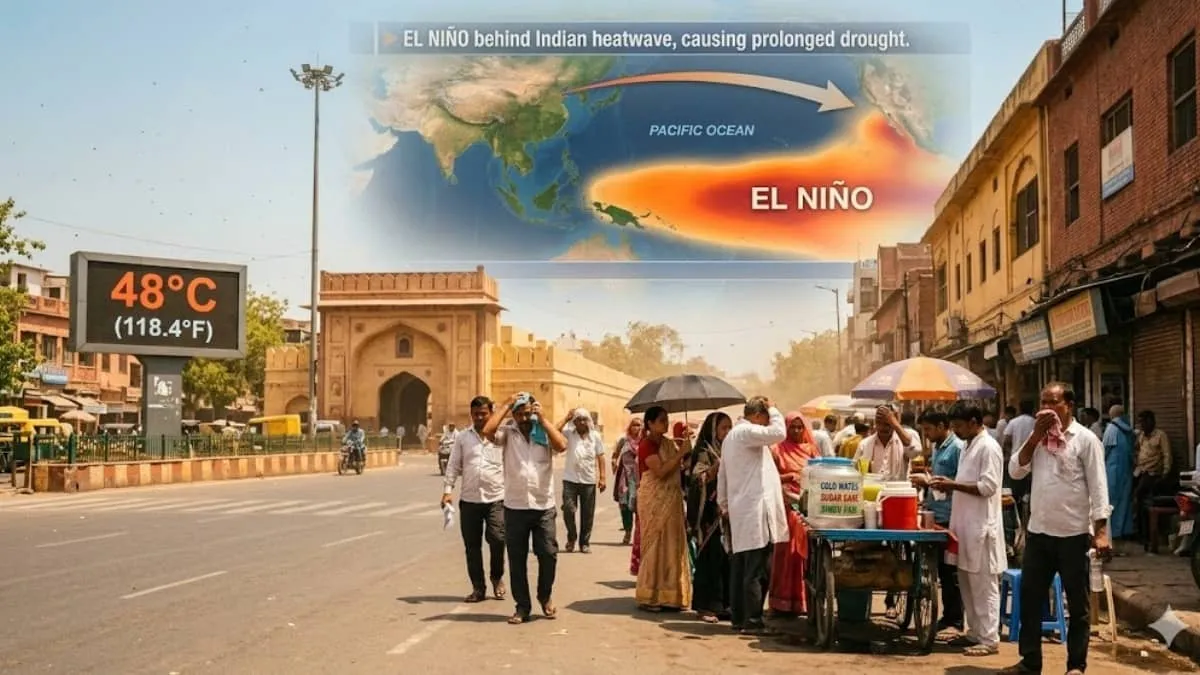
India is grappling with worsening heatwaves, with temperatures hitting around 46°C in many areas. El Nino may intensify conditions and disturb monsoon patterns, but experts say it is not the only explanation. Persistent high pressure over the region and a decline in western disturbances are cited as key reasons heat stays longer and spikes harder across the country.
Follow your favourite sources
Track sources, tags and categories — all in the Beige app.
Scientists are increasingly warning that the current heat may be more than a typical hot season. They’re watching for a possible Super El Niño, a stronger version of the El Niño Southern Oscillation that can shift weather patterns for months—and sometimes even years—changing what “normal” looks like across regions.
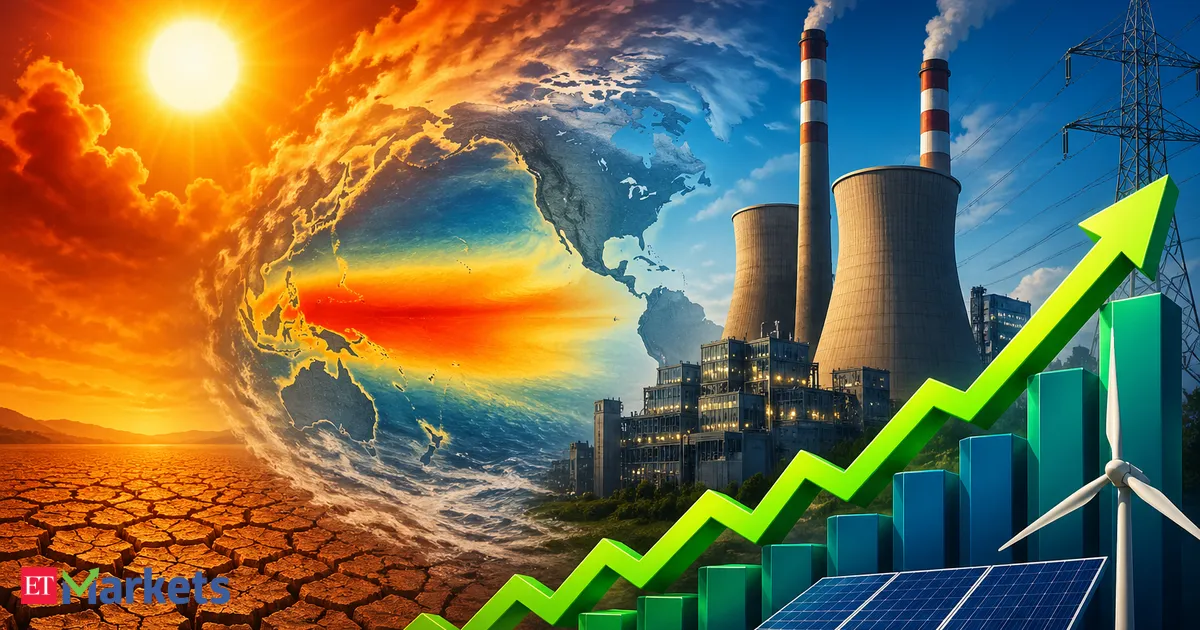
Adani Power and Tata Power shares jumped, hitting fresh 52-week highs as India’s heatwave pushes expectations of stronger electricity demand. With regions warning of extreme temperatures up to 45°C, analysts say a likely strong El Niño could further lift cooling-related consumption. The stocks have soared as much as 48% in a month, reflecting bullish demand bets.
The World Meteorological Organisation says the Equatorial Pacific is shifting as sea surface temperatures rise, making a return of El Niño likely by May to July 2026. Its Global Seasonal Climate Update also predicts nearly global dominance of above normal land surface temperatures, alongside uneven rainfall patterns across regions—raising concerns for heat stress and water planning worldwide.
Forecasters warn a strong El Nino is likely in the second half of 2026, bringing hotter, drier conditions across Asia. The outlook raises risks for crops and food supplies, as farmers may struggle with fertilizer shortages and high fuel costs. India is bracing for below-average monsoon rains, Southeast Asia could see weaker palm oil and rice output, and China faces a higher flood risk.
Stay informed on the go
Bite-sized news from 100+ trusted sources, right in your pocket.
RBI’s Monetary Policy Committee said a longer West Asia conflict could meaningfully affect India’s growth and inflation, even as the economy stays resilient. Instead of changing policy, it chose a wait-and-watch approach, citing heightened geopolitical uncertainty and a possible El Nino-driven inflation risk.
Forecasters warn a strong El Nino may form in late 2026, shifting weather patterns worldwide. Much of Asia could see hotter, drier conditions, with India’s monsoon potentially running below average and Australia’s key eastern farming areas facing reduced rainfall. Meanwhile, parts of North and South America may get wetter weather, even as the climate event remains natural.
Swipe through stories, personalise your feed, and save articles for later — all on the app.