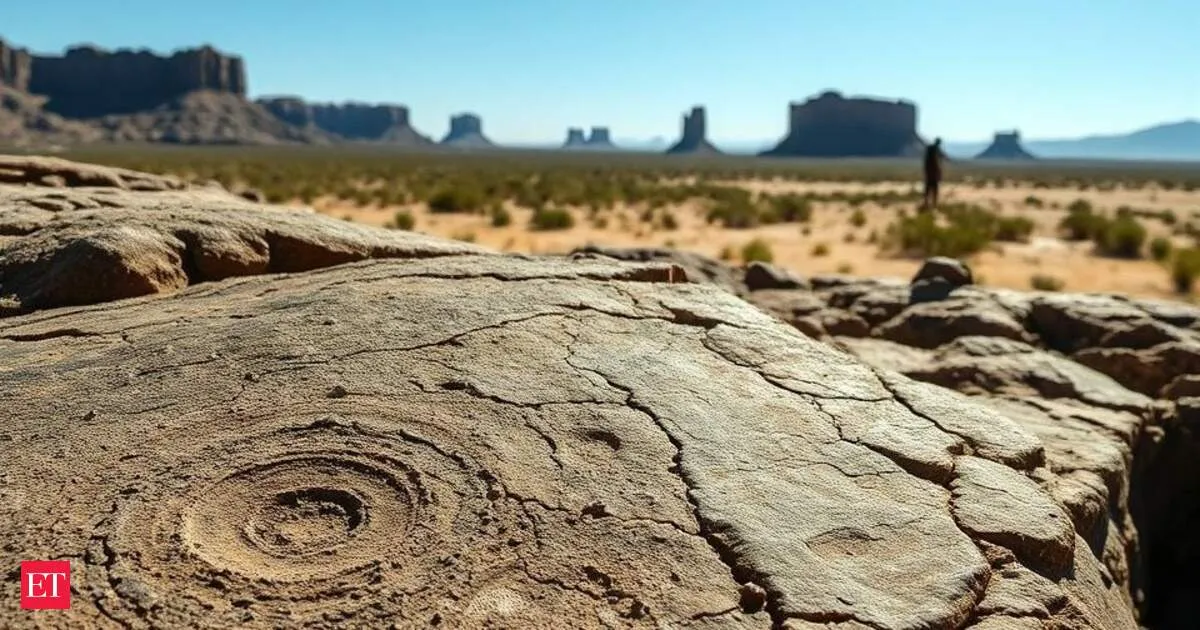
A Brazilian study has reexamined microscopic fossils in 540-million-year-old rocks and concluded the structures were formed by ancient bacteria and algae, not early animals. Using advanced imaging and chemical analysis, researchers say the preserved cellular details indicate microbial communities in shallow Ediacaran oceans, overturning long-held interpretations of the planet’s earliest life.
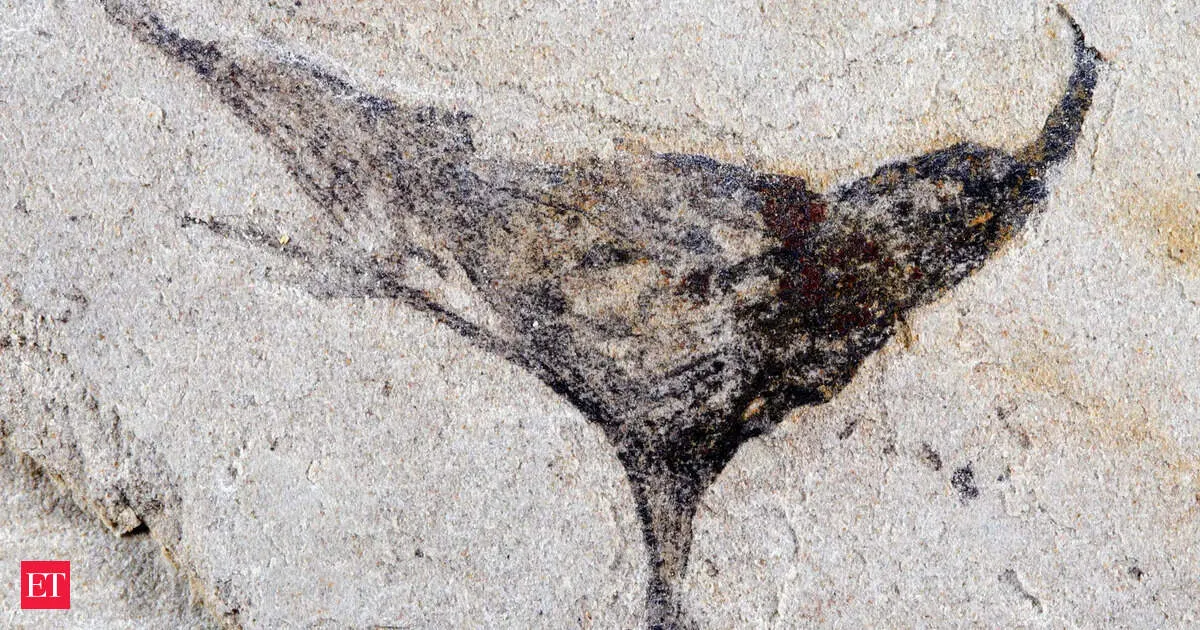
New fossils from China’s Yunnan province suggest complex animal life started far earlier than scientists believed. The findings point to the late Ediacaran period, around 539 million years ago, shifting the timeline of when early complex animals first appeared. Researchers say the fossils provide an unprecedented glimpse into a critical turning point in Earth’s biological history.
Your news, in seconds
Get the Beige app — every story in 60 words, updated hourly. Free on iOS & Android.
Swipe through stories, personalise your feed, and save articles for later — all on the app.