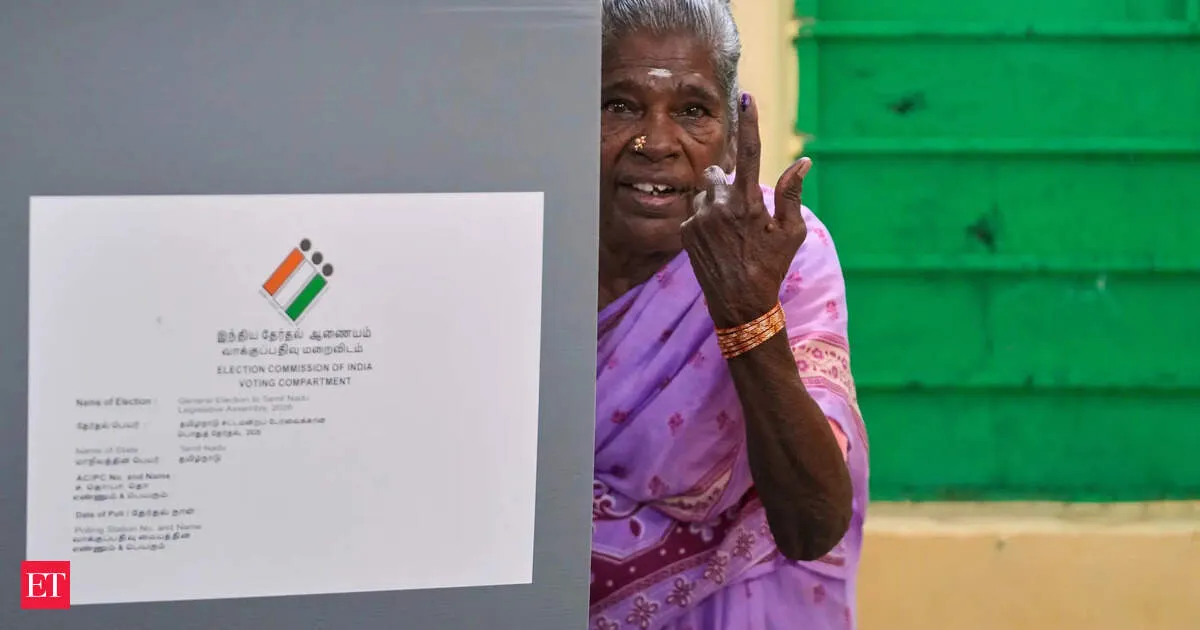
India’s latest state election results are fueling a new round of populist promises, with states pledging cash handouts and expanded welfare. Economists warn this could push fiscal deficits wider, even as the 3% deficit ceiling starts looking like a minimum. The spending race may also squeeze funding for infrastructure and job creation ahead of future polls.
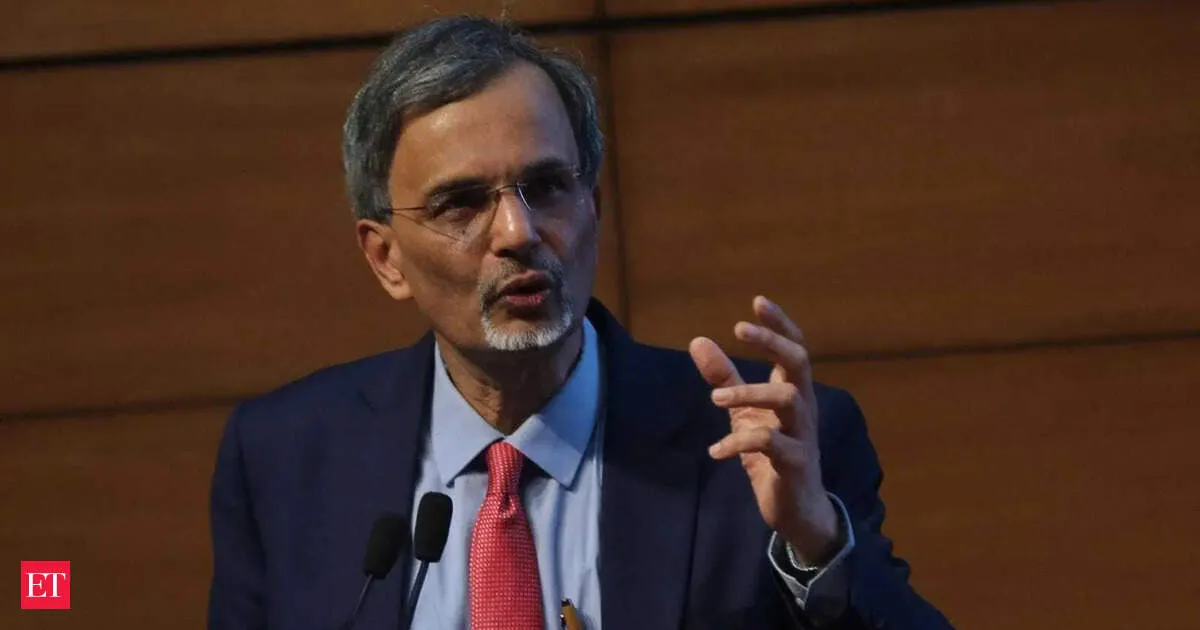
Chief Economic Adviser V Anantha Nageswaran says India’s biggest companies boosted profits after Covid, yet investment spending lagged. He warns firms kept cash rather than putting it into real assets, leaving the public sector to carry growth. With EV momentum rising, he calls for faster private capex to expand domestic opportunities and help narrow trade deficits.
Your news, in seconds
Get the Beige app — every story in 60 words, updated hourly. Free on iOS & Android.
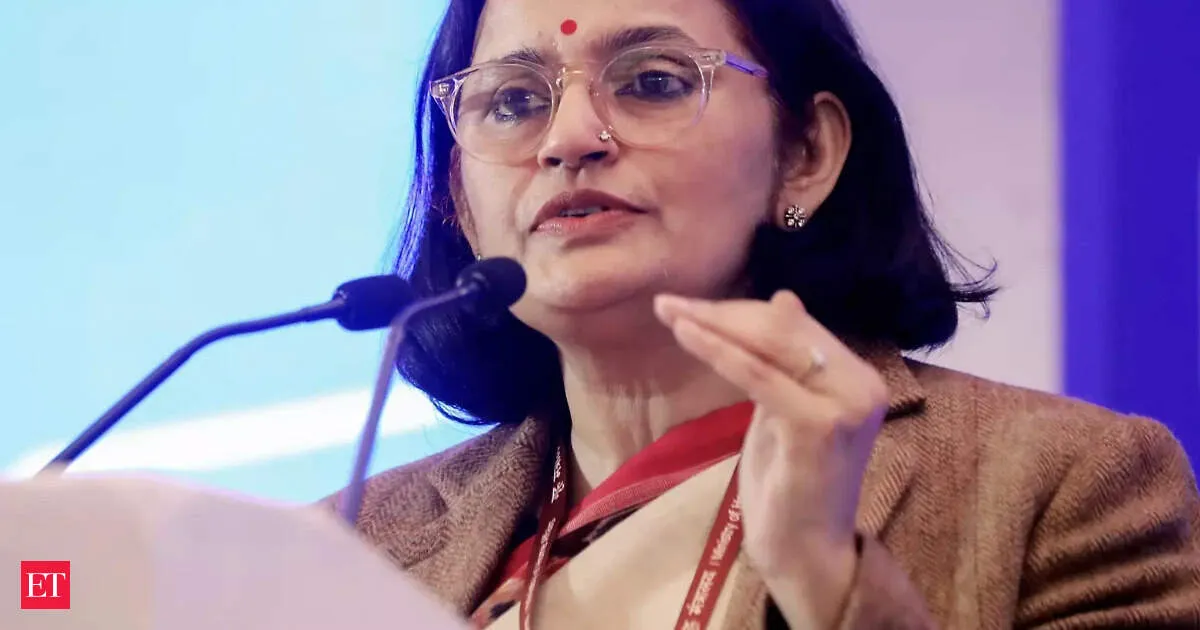
Economic Affairs Secretary Anuradha Thakur said disaster resilience must be embedded into infrastructure projects from the planning stage, not added later. She argued resilience should be treated as essential infrastructure design, with upfront investment lowering long-term costs and shielding public finances from disaster-related losses. The message targets a shift toward proactive budgeting and construction standards.
Princeton economist Owen Zidar points to a growing class of “stealthy wealthy” Americans: private business owners who build wealth gradually. He argues U.S. tax cuts disproportionately help this group, while support for lower-income households shrinks—fueling inequality. Zidar also urges investment in the young for long-term prosperity and questions whether tariffs are a sound revenue plan.
Swipe through stories, personalise your feed, and save articles for later — all on the app.